How to Prevent Mold Growth with Effective Humidity Management
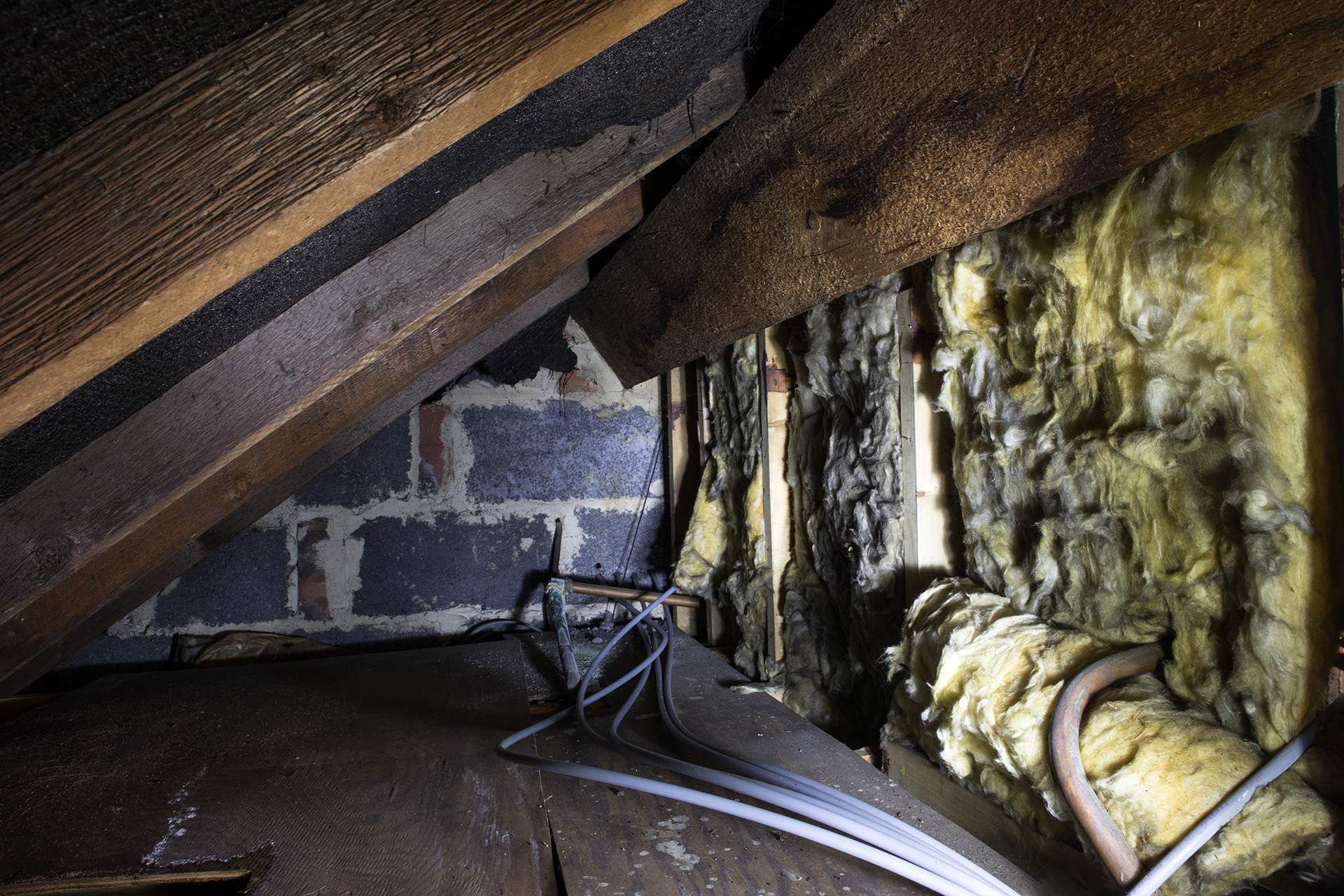
A dark attic with a brick wall and wooden beams.

Mold growth is a common and persistent challenge in indoor spaces, often triggered by unchecked humidity levels. Left unmanaged, excess moisture creates the ideal environment for mold to thrive, leading to unsightly stains, unpleasant odors, and serious health risks. Beyond aesthetics, mold can compromise indoor air quality, exacerbate respiratory conditions, and damage your home’s structural integrity.


Controlling indoor humidity is one of the most effective strategies to combat mold development. By maintaining balanced moisture levels, you not only prevent mold from taking hold but also create a healthier, more comfortable living environment. This blog explores the crucial link between humidity control and mold prevention, offering practical insights to keep your home mold-free.


Text about crawl space access customization beside a house exterior and crawl space door
By Joshua Maynor • October 8, 2026
We just wrapped up a job in Lebanon, Tennessee, and it's a good example of something I think more homeowners should know about. Every crawl space is different. Every family uses their home differently. So why would we treat every job the same way?
Text ad about excess work; worker in dirt beside headline on dark background.
By Joshua Maynor • October 6, 2026
I got a call to come out to a Nashville home recently - not for a new job, but to take a second look after another company had already been there.
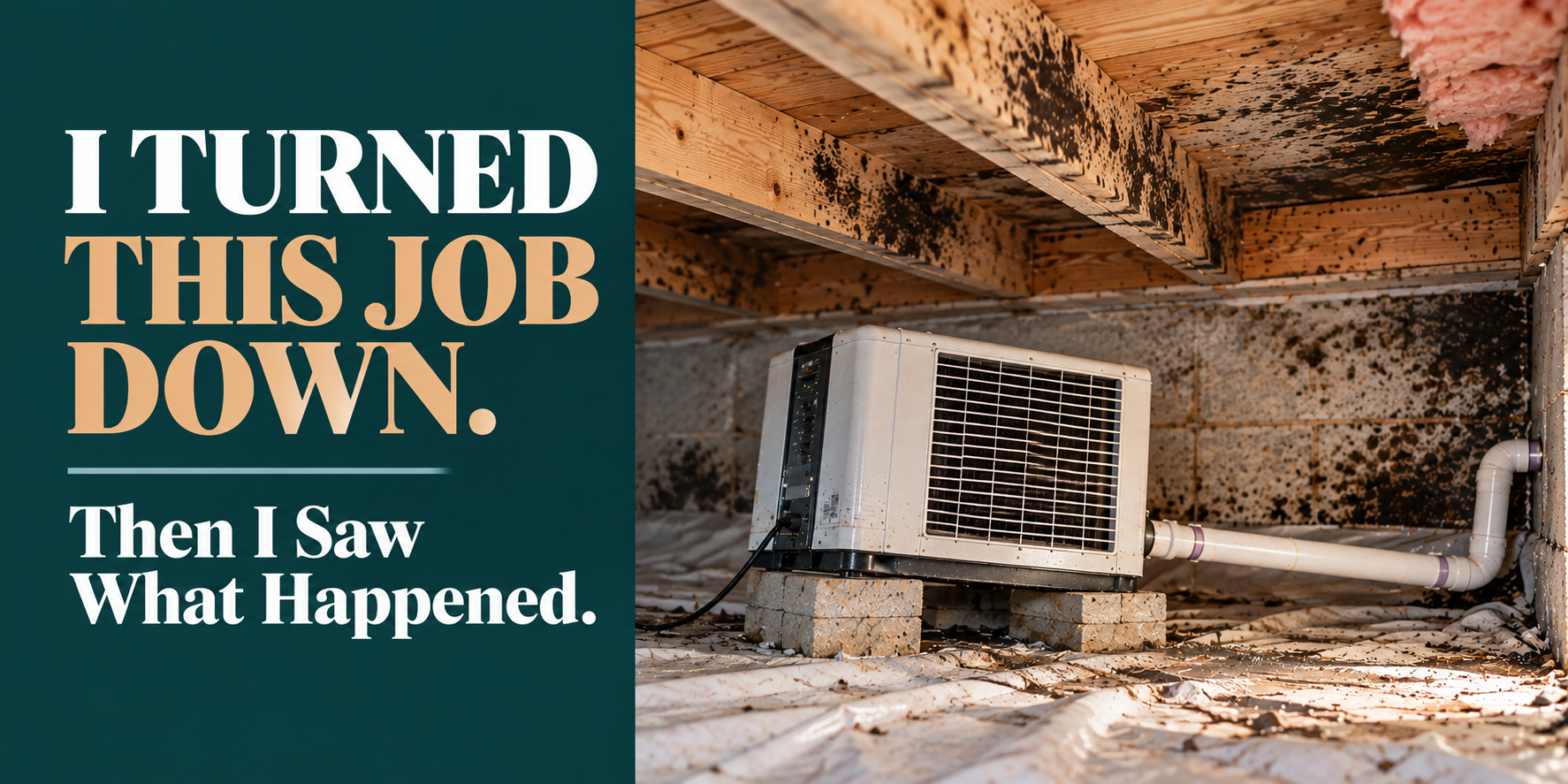
Text: “I TURNED THIS JOB DOWN. Then I Saw What Happened.” in a damaged room with a white HVAC unit.
By Joshua Maynor • October 6, 2026
A realtor called me about a house. Two years old. One of the worst crawl spaces I've ever seen — looked like it had been neglected for twenty years. Mold everywhere. A serious moisture problem that wasn't going to fix itself.