The Right Way to Set Up a Crawl Space Dehumidifier System
Introduction
More Than Just a Dehumidifier
WHY THE WHOLE SYSTEM MATTERS
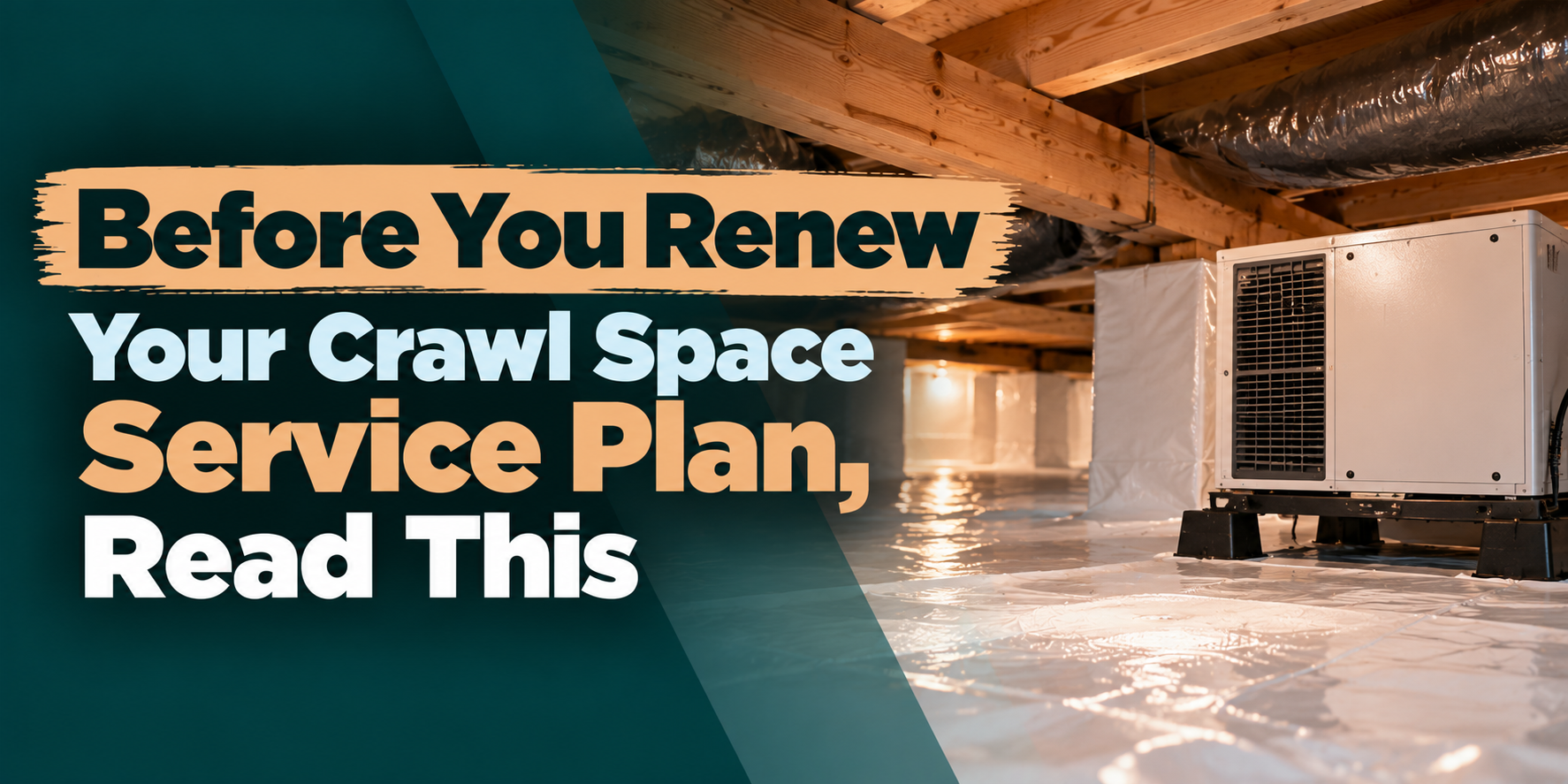
I was in Franklin, Tennessee today doing an inspection on a crawl space. The homeowner had already taken a big step - they installed an E100 dehumidifier about two years ago. That's a good unit. It's the same one I have under my own house.
But when I got down there, the crawl space was still a mess. Water intrusion. Fungus. High humidity. The dehumidifier was running constantly, trying its best to keep up.
The problem wasn't the equipment. The problem was that a dehumidifier by itself can't fix a crawl space that isn't sealed up and set up right. You need the whole system working together.
That's what this article is about. How to actually set up a crawl space dehumidifier system the right way - so it does its job without running nonstop and burning through electricity.

What We Found in This Crawl Space
The E100 was sitting there doing what it could. But the vents were still open. Outside air - humid Tennessee air - was pouring in all summer long. The dehumidifier was trying to dry out air that was constantly being replaced with more wet air.
There was also water coming in from outside. No drainage system. No sump pump. Just water sitting there, evaporating, adding to the humidity load.
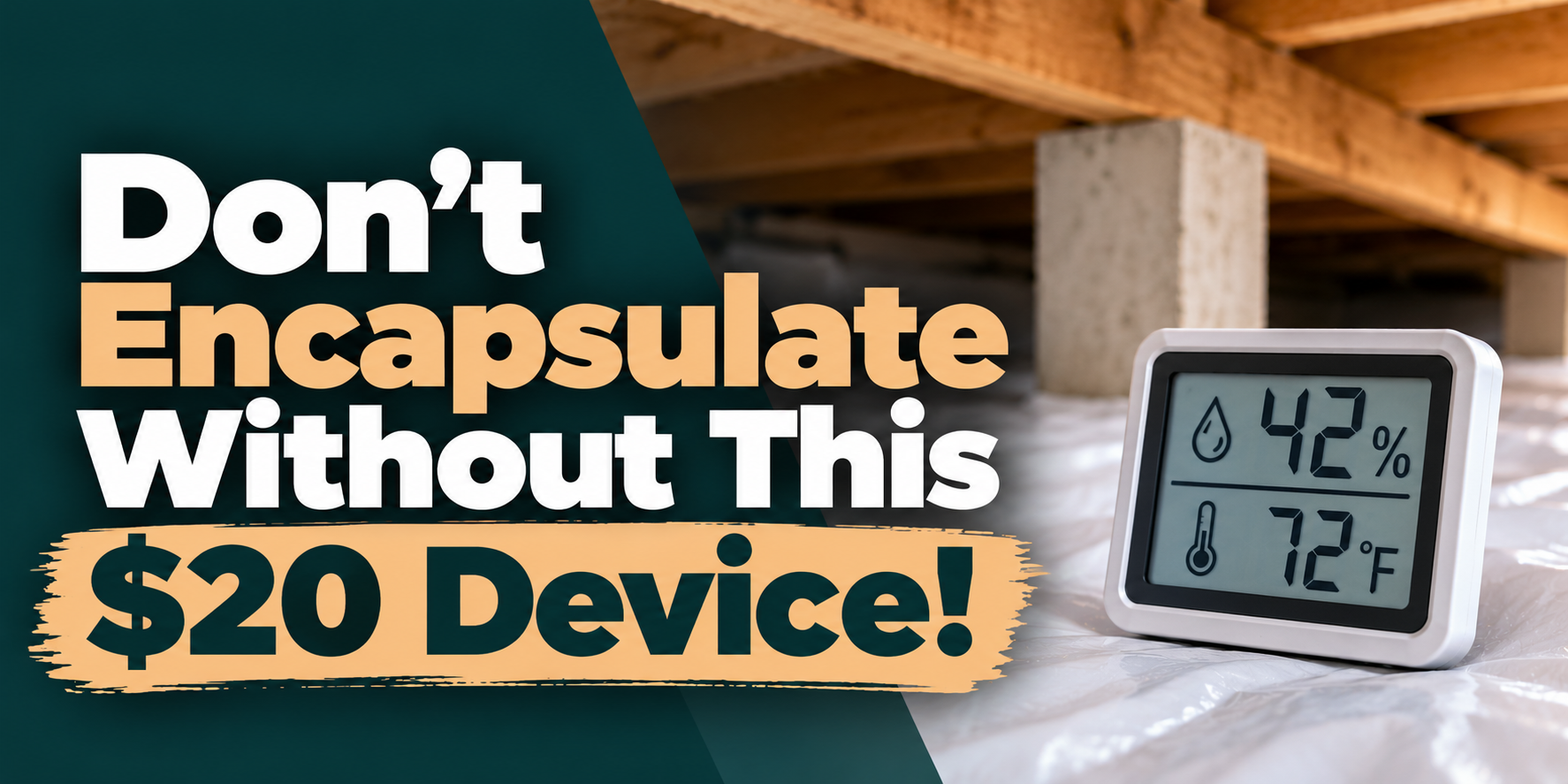
On top of that, the unit was set to 42 percent humidity. That's way too low. I set mine in the low to mid-fifties. When you drop it that low, the unit just runs and runs trying to hit a number it doesn't need to hit. You're not getting any real benefit - you're just paying a higher power bill.
The homeowner had made a good investment. They bought quality equipment. But without sealing the vents, handling the water, and setting it up right, that dehumidifier was just fighting a battle it couldn't win.


Why a Good Dehumidifier Wasn't Enough
The E100 is rated for about 3,200 square feet. It's a solid unit. I trust it enough to have one under my own house. So the equipment wasn't the issue.
The issue was the environment it was working in.
Think about it like this - if you turned on your air conditioner but left all the windows open, your AC would run all day long and never cool the house down. That's basically what was happening here. The dehumidifier was pulling moisture out of the air, but more humid air was coming right back in through the open vents.
And the water sitting in the crawl space? That's constantly evaporating and adding moisture to the air. The dehumidifier can't pump out water. It can only dry air. If water keeps getting in, you're asking the unit to do something it wasn't designed to do.
A dehumidifier is one piece of the system. It's an important piece. But it needs help. It needs sealed vents. It needs a way to route water out. It needs encapsulation to keep ground moisture from adding to the problem. Without those things, even the best dehumidifier is just spinning its wheels.
The Right Humidity Setting
I see a lot of crawl space dehumidifiers set way too low. This one was at 42 percent. I've seen them set in the thirties.
Here's the thing - lower isn't better. You're not getting extra protection by setting it at 40 instead of 55. You're just making the unit work harder for no reason.
I set mine in the low to mid-fifties. That's the sweet spot. It keeps the crawl space dry enough to prevent mold and fungus. It protects your floor joists and insulation. And it doesn't waste electricity trying to hit some unnecessary target.
When you set it too low, the unit runs constantly. Your power bill goes up. The equipment wears out faster. And you're not getting any real benefit from it.
If your crawl space is properly sealed and the system is set up right, mid-fifties is all you need. Anything lower is just burning money.
What a Complete System Actually Needs
A working crawl space system isn't just a dehumidifier. It's all the pieces working together.
First, you need encapsulation. That's a heavy-duty vapor barrier that covers the ground and keeps moisture from evaporating up into the air. Without it, you're constantly fighting ground moisture.
Second, the vents need to be sealed. Crawl space vents were designed back when people thought you needed airflow under the house. We know now that's wrong. Open vents in the summer let in hot, humid air. In the winter, they let in cold air that can freeze your pipes. Either way, they're working against you. Seal them up.
Third, you need a drainage system. If water is coming in from outside, you need a way to route it out. That usually means a sump pump and proper grading or drainage lines. The dehumidifier can't handle standing water. That's not its job.
Fourth, if you've already got fungus or mold growth, that needs to be remediated before you seal everything up. You don't want to trap the problem inside.
And depending on your situation, you might need insulation work or rodent proofing. Every crawl space is a little different.
But the point is this - all of these things work together. The dehumidifier is the last line of defense. Everything else sets it up to actually do its job.
Why Homeowners End Up in This Situation
I don't blame homeowners when I walk into a situation like this. They're trying to do the right thing. They know they have a problem, and they're taking steps to fix it.
Sometimes a company sells them a dehumidifier and says that'll take care of it. Or maybe they did their own research and thought a good unit was a solid first step. Either way, they made an investment. They bought quality equipment. That shows they care about their home.
The issue is that most people don't know what a complete crawl space system looks like. Why would they? This isn't their job. They're working with the information they have, and they're doing their best.
When I see a situation like the one in Franklin, I don't see a failure. I see someone who cared enough to try. Now we just need to finish what they started. Seal it up, handle the water, set the system up right. And then that E100 they already invested in is going to work exactly like it's supposed to.
What Happens When the System is Complete
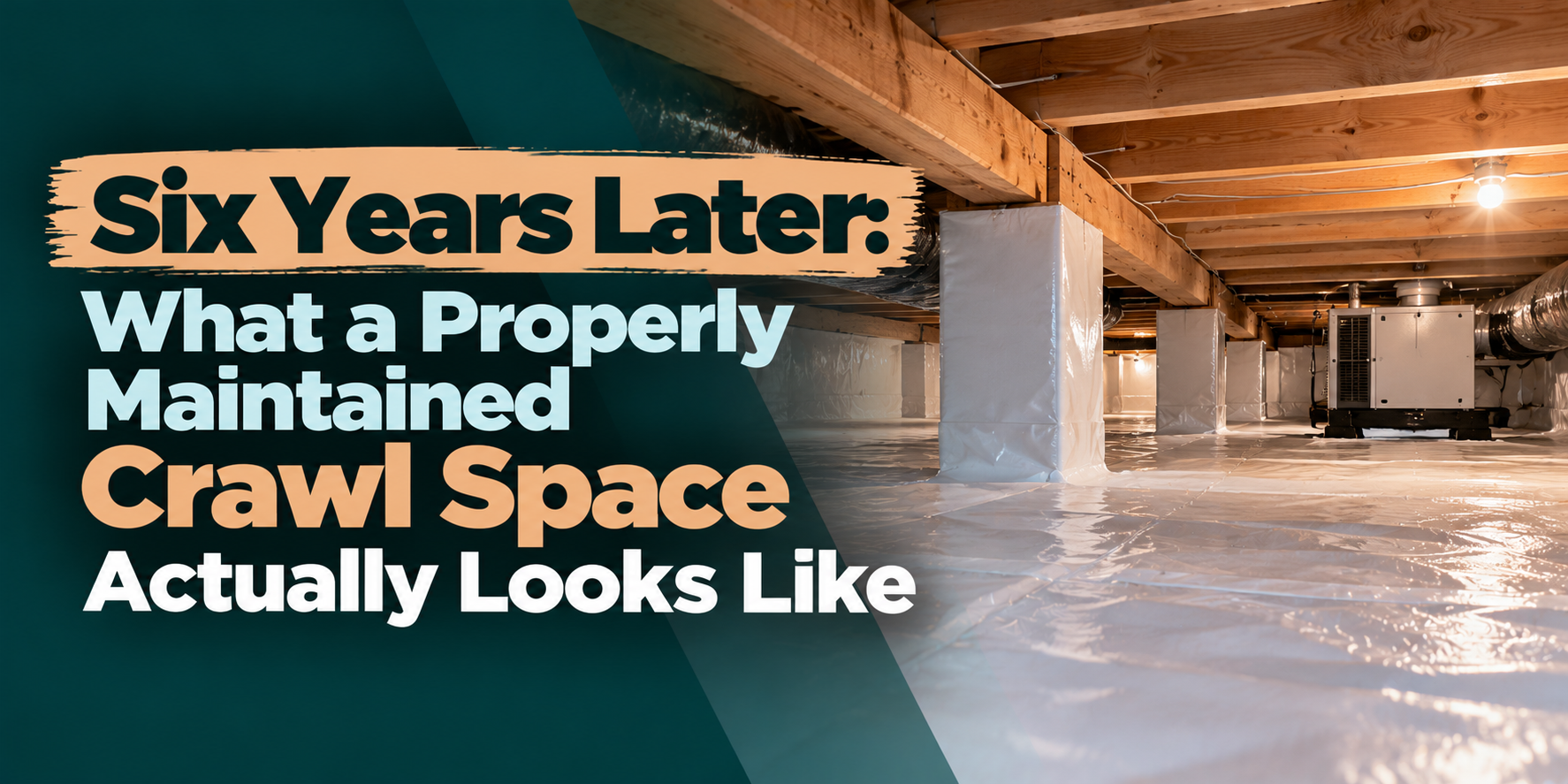
When everything is set up right, the difference is night and day.
The dehumidifier stops running constantly. It cycles on and off like it should, maintaining the humidity level without working overtime. Your power bill drops because the unit isn't fighting a losing battle anymore.
The crawl space stays dry. The humidity stays stable. You're not dealing with musty smells or moisture creeping up into your home. Your floor joists and subfloor stay protected. The air quality in your house improves because you're not pulling damp air up through the floors.
And the system lasts. When a dehumidifier doesn't have to run 24/7, it's going to last a lot longer. You're protecting your investment instead of wearing it out early.
That's what a complete system does. It makes everything work the way it's supposed to.

Ready to Set Up Your Crawl Space the Right Way?
If you're in the Nashville area and you're dealing with crawl space moisture, reach out. I'm happy to come take a look and give you an honest assessment.
We offer free inspections. I do them myself. No salespeople, no pressure. I'll walk you through what's going on under your house, what needs to happen, and what your options are.
If you already have a dehumidifier and it's running nonstop, we can help you figure out why and what needs to change. If you're starting from scratch, we'll help you do it right the first time.
You can call or text me directly. Let's get your crawl space set up so it actually works.
That's how we do things at Crawl Logic.