Tight Spaces, Big Problems: A Look Inside a Historic Airbnb in Dickson, Tennessee
Introduction
A Tight Squeeze in Dickson
WHAT WE FOUND UNDER A HISTORIC AIRBNB
We recently worked under a historic Airbnb in Dickson, Tennessee. This one stood out because of how tight the crawl space was. Barely enough room to move around down there.
But tight spaces don't scare me. I've been under plenty of them over the years, and this one needed some serious attention. No vapor barrier, unsealed vents, rodents, and that classic old house smell that a lot of people just assume comes with owning an older home.
It doesn't have to. Once we got in there, we handled it the same way we handle every job. Full encapsulation, rodent-proofing, fungus removal, and a dehumidifier to keep things dry going forward.
If you own an older home, especially one you're renting out on Airbnb, this is worth paying attention to. What's happening under your house affects a lot more than you might think.

What Makes Older Crawl Spaces So Problematic
Older homes come with character. They also tend to come with crawl space problems most people never think about until something goes wrong.
This Dickson property had no vapor barrier at all. That means moisture from the ground was coming straight up into the crawl space with nothing stopping it. Add in some unsealed vents, and you've got outside air and humidity flowing in and out with no control.
Then there's the rodent activity. Older homes often have gaps and openings that rodents find their way into over the years. Once they're in, they leave behind waste, damage insulation, and create even more issues.
On top of all that, this particular crawl space was extremely tight. Not a lot of room for air to move. When a space is that tight, moisture and odors get trapped instead of clearing out. That's a big reason why some historic homes deal with musty smells that never seem to go away no matter what you do upstairs.


That Old House Smell Explained
If you've ever walked into an older home and noticed a musty smell, that's usually coming from underneath the house, not from anywhere inside it.
That smell is typically caused by moisture sitting in the crawl space with nowhere to go. Combine that with organic material like wood, insulation, or even rodent droppings, and you get mold and mildew growth. That's what you're smelling.
In a tight crawl space like the one under this Dickson Airbnb, the problem gets worse. There's less room for air to circulate, so moisture just sits there. It seeps into the wood, gets into the insulation, and eventually makes its way up into the living space above.
A lot of people think that smell is just something that comes with an old house. It's not. It's a sign that something under the house needs attention. And if you're renting out that property, it's the kind of thing guests notice right away, even if they can't quite explain what's causing it.
What We Did to Fix It
Once we got a full look at what was going on, we got to work.
First, we handled the rodent issue. Sealing up entry points and making sure the space was rodent-proof going forward. No point encapsulating a crawl space if rodents can still find their way back in.
Next came the fungus removal. Any mold or mildew growth had to be cleared out before we moved forward. You don't want to seal moisture and fungus into a space and call it done.
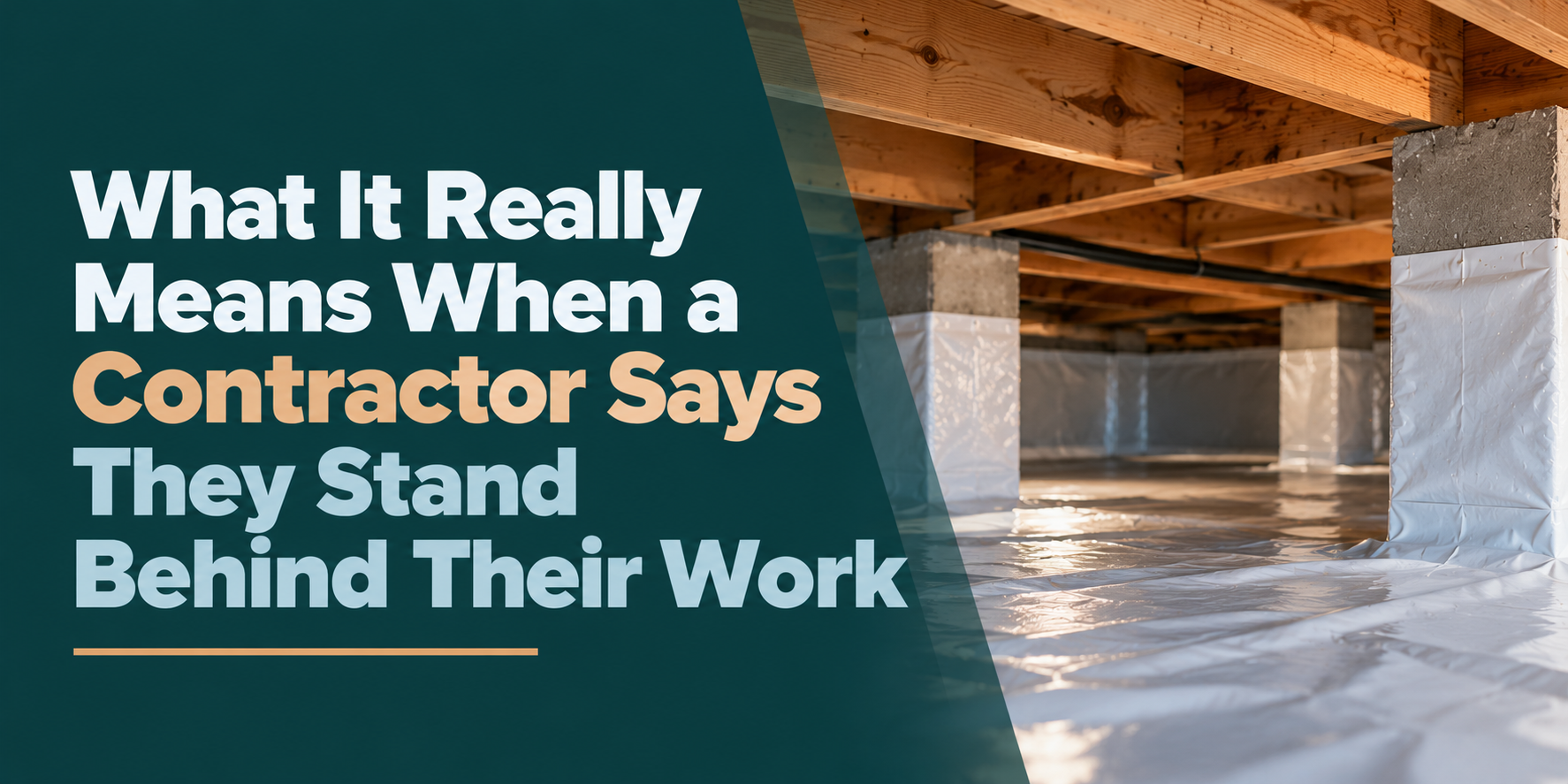
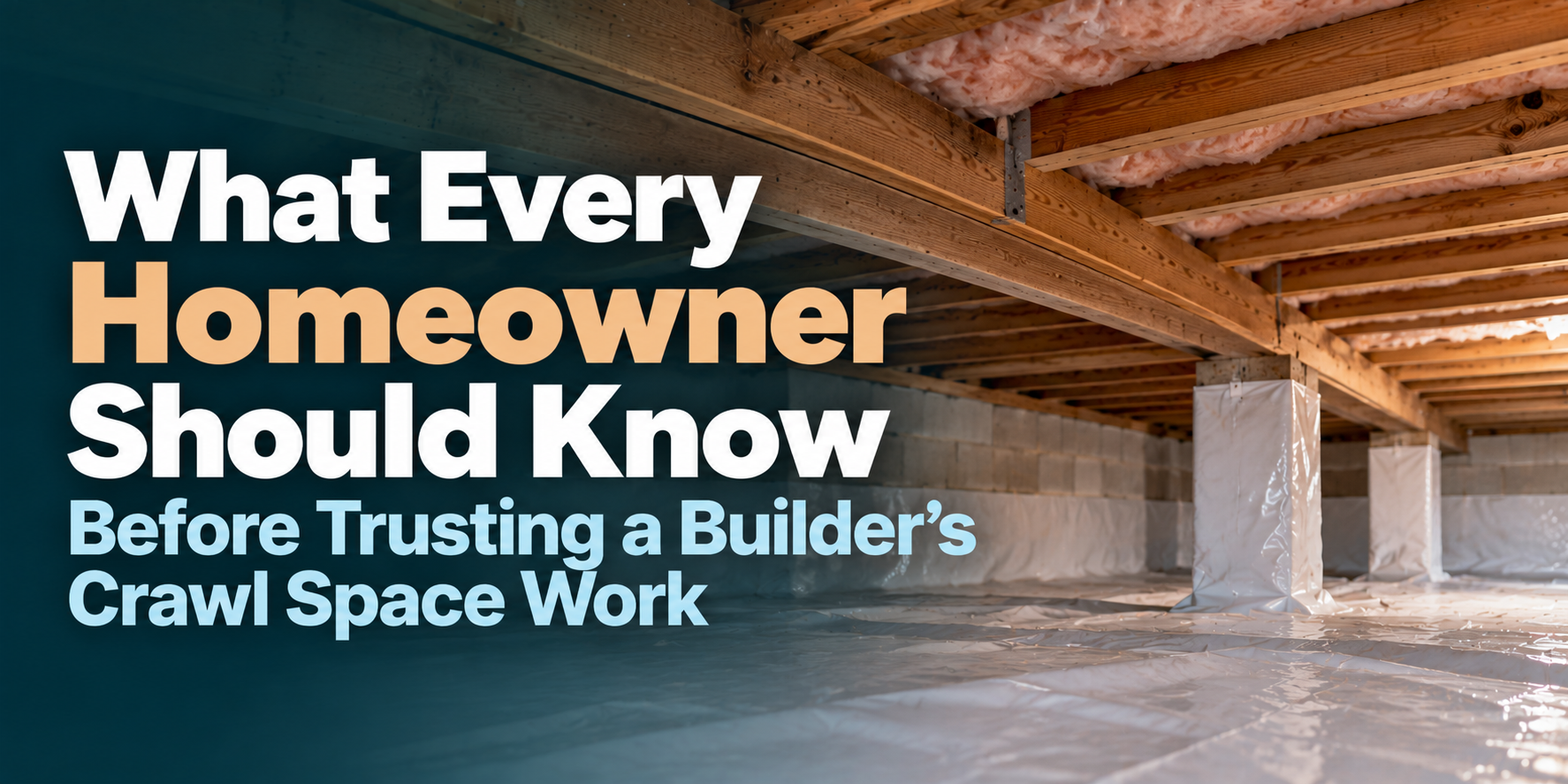
After that, we installed a full encapsulation. That means lining the crawl space with a heavy-duty vapor barrier, sealing up the vents, and creating a controlled environment that keeps outside moisture and pests from getting back in.
Finally, we added a dehumidifier. Even with encapsulation, humidity can still build up over time. The dehumidifier keeps things dry and stable long after we've left the job site.
Tight space or not, the process doesn't change. Every job gets the same attention to detail.
A Bonus for Airbnb Hosts
Here's something worth knowing if you're running an Airbnb out of an older home.
Once a crawl space is fully encapsulated, it becomes more than just a fix for moisture and pests. It turns into usable space. Clean, dry, and rodent-proof.
A lot of hosts end up using that space for storage. Extra linens, cleaning supplies, anything you need on hand to keep your property running smoothly. Instead of cramming everything into a closet upstairs where guests might notice, you've got a dedicated spot that stays out of sight and stays dry.
It's a small detail, but it makes a real difference when you're managing a property. Protecting your investment isn't just about what guests see. It's about what's happening underneath the house too.

Ready to Look Under Your Home?
If you own an older home, especially one you're renting out, it's worth knowing what's going on in your crawl space. Musty smells, rodent activity, and moisture problems don't fix themselves, and they tend to get worse the longer they sit.
Tight space or not, we go under every home the same way. Thorough inspection, honest assessment, and a clear plan for what needs to be done.
We offer free inspections for homeowners throughout Dickson, Nashville, and the surrounding areas. I do the inspections myself. No salespeople, no pressure, just an honest look at what's happening under your house.
You can call or text me directly. I'll walk you through exactly what we find and what your options are, so you can make the best decision for your home or your rental property.