What's Actually Included in a Quality Crawl Space Encapsulation
Introduction
What's Actually Included
A LOOK AT WHAT SEPARATES A GOOD JOB FROM A GREAT ONE
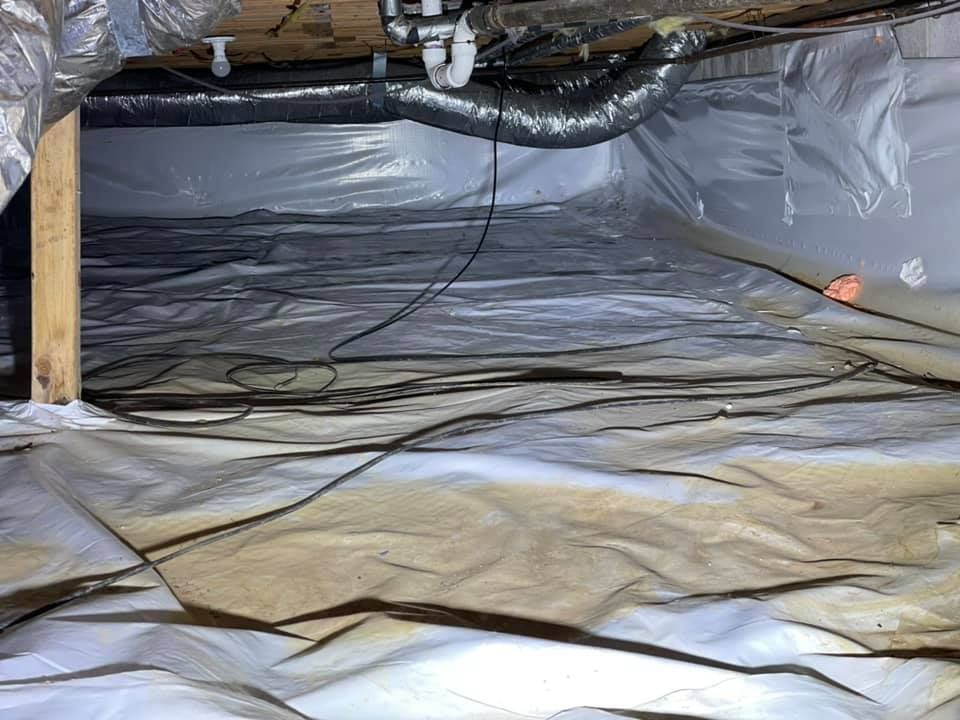
We just finished a 125 mil encapsulation job in Smyrna, Tennessee. The homeowner is turning the space into storage, so it needed to be done right. No shortcuts, no gaps, nothing half-finished.
Before they called us, this homeowner got a quote from a big corporate company for almost double what we charged. Same mil thickness. Almost twice the price. And here's the kicker - their quote didn't include lights, rodent proofing, or a sensor.
That got me thinking. A lot of homeowners don't realize how different two quotes can look even when the numbers seem similar on paper. You might see "125 mil encapsulation" written down twice and assume you're comparing apples to apples. But what's actually included can be worlds apart.
This article breaks down what a quality encapsulation should include, why those details matter, and how to make sure you're not paying more for less.
The Quote Comparison
Let's start with the numbers. This homeowner had two quotes in front of them. Both for a 125 mil encapsulation. One from us, one from a big corporate company.
Our price came in at roughly half of what they quoted. Same thickness of plastic. Same basic scope of work on paper. But when you looked closer, the corporate quote didn't include lights for the crawl space. It didn't include rodent proofing. And it didn't include a sensor to monitor the system after the job was done.
So the real question isn't just "who's cheaper." It's "what are you actually getting for that price."
A lower number that leaves out important details isn't actually a better deal. And a higher number doesn't automatically mean better quality. You have to look past the bottom line and understand what's being promised, and more importantly, what's being left out.
That's exactly what we're going to walk through next.
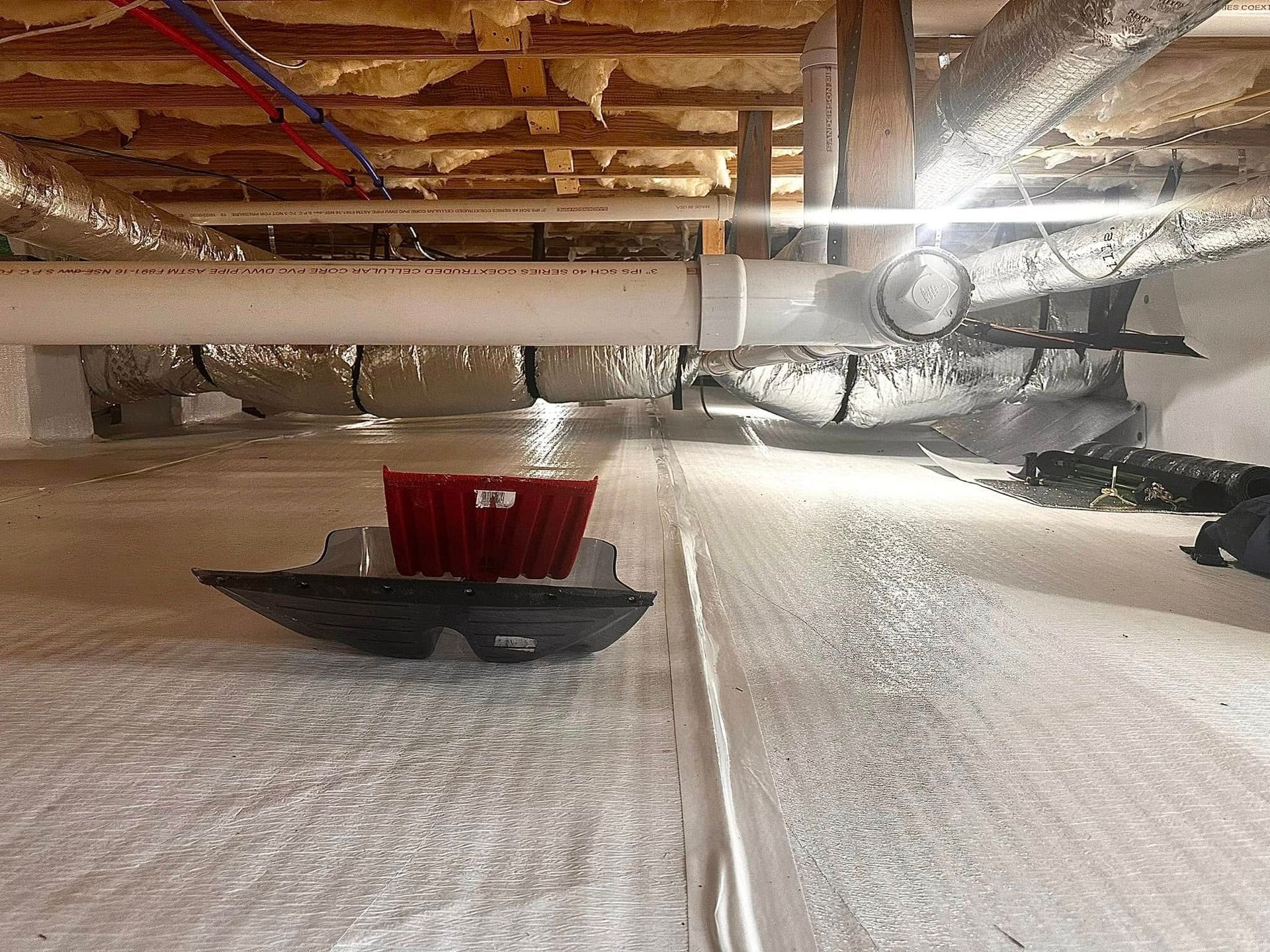
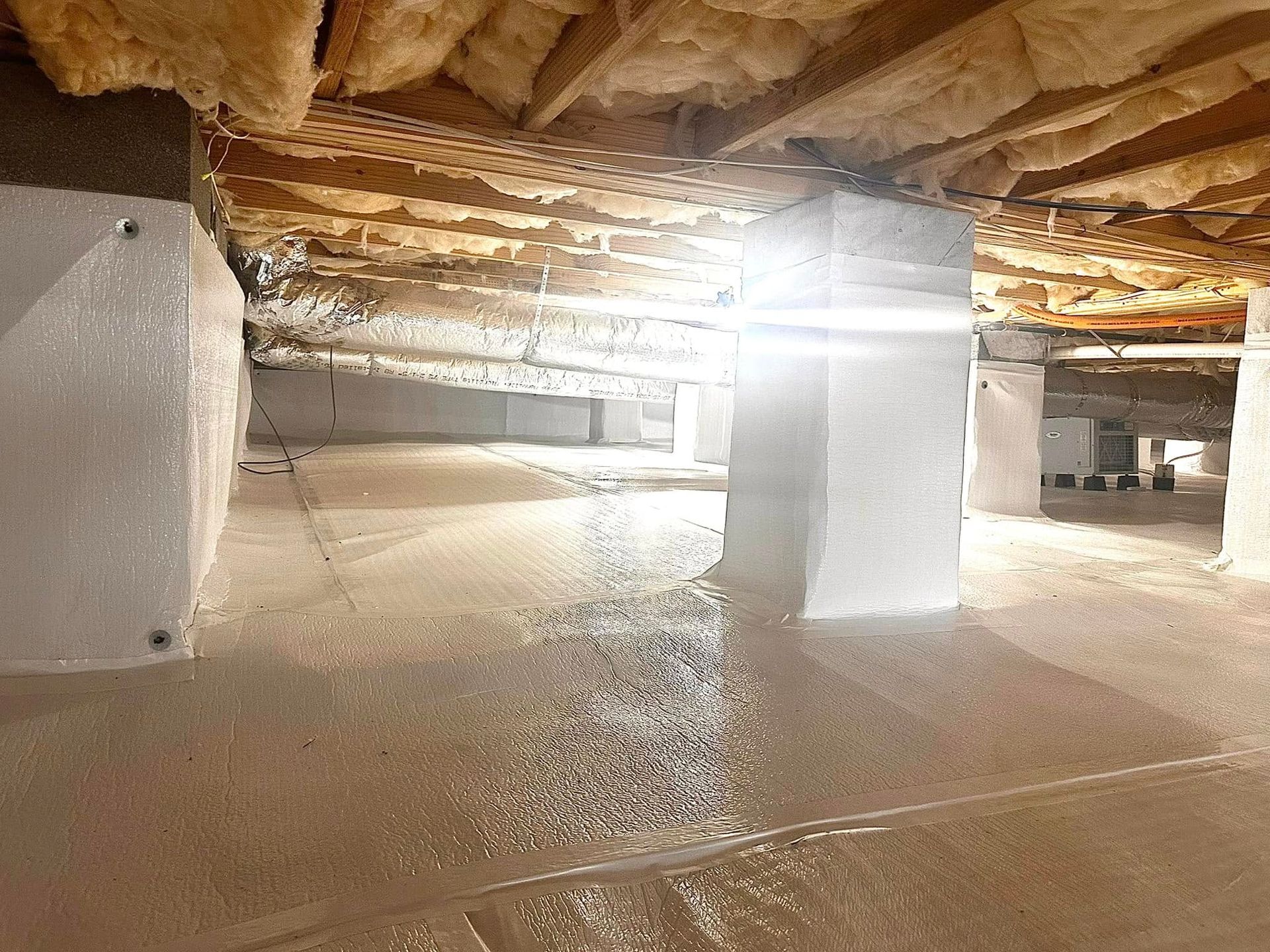
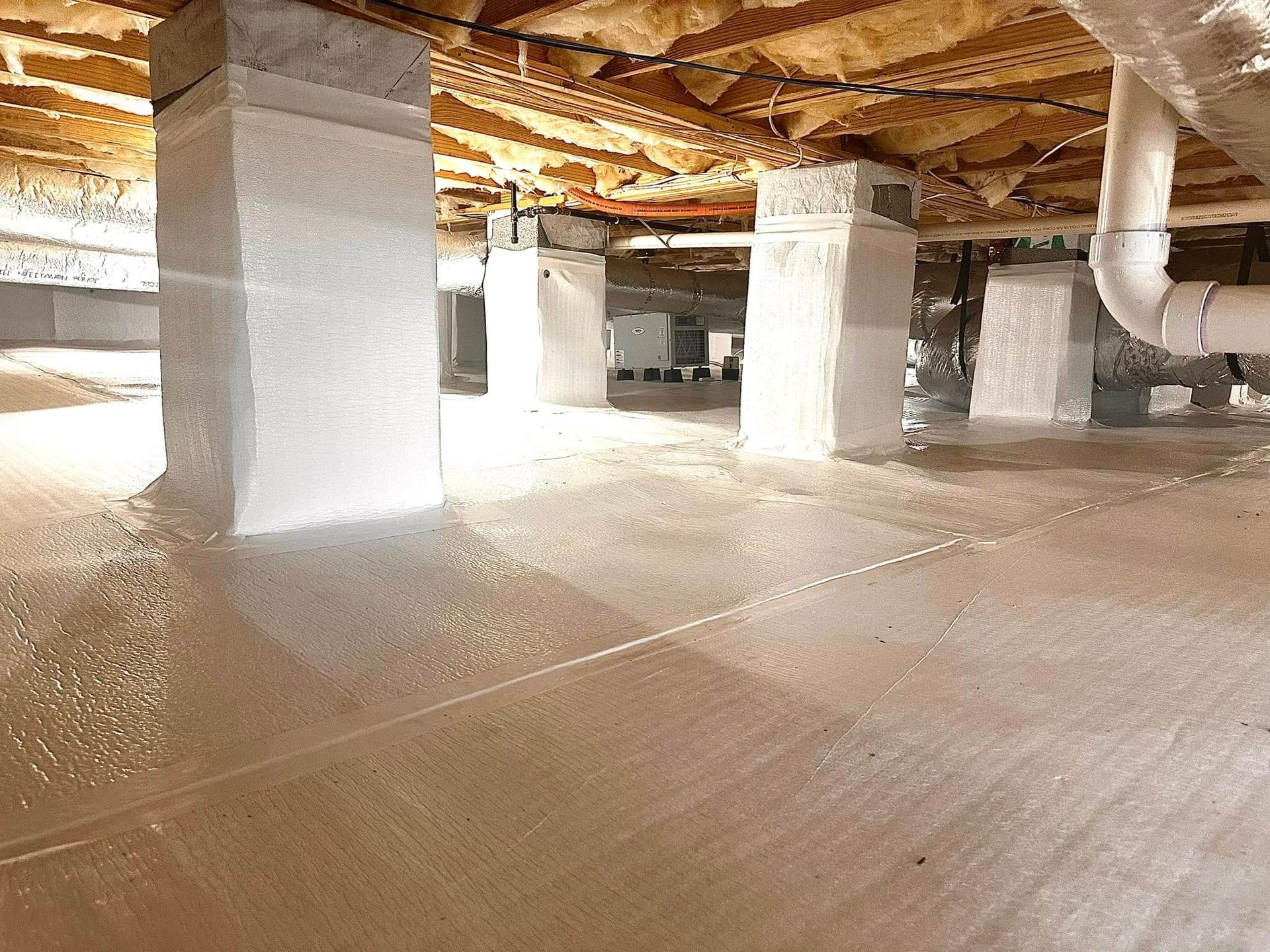
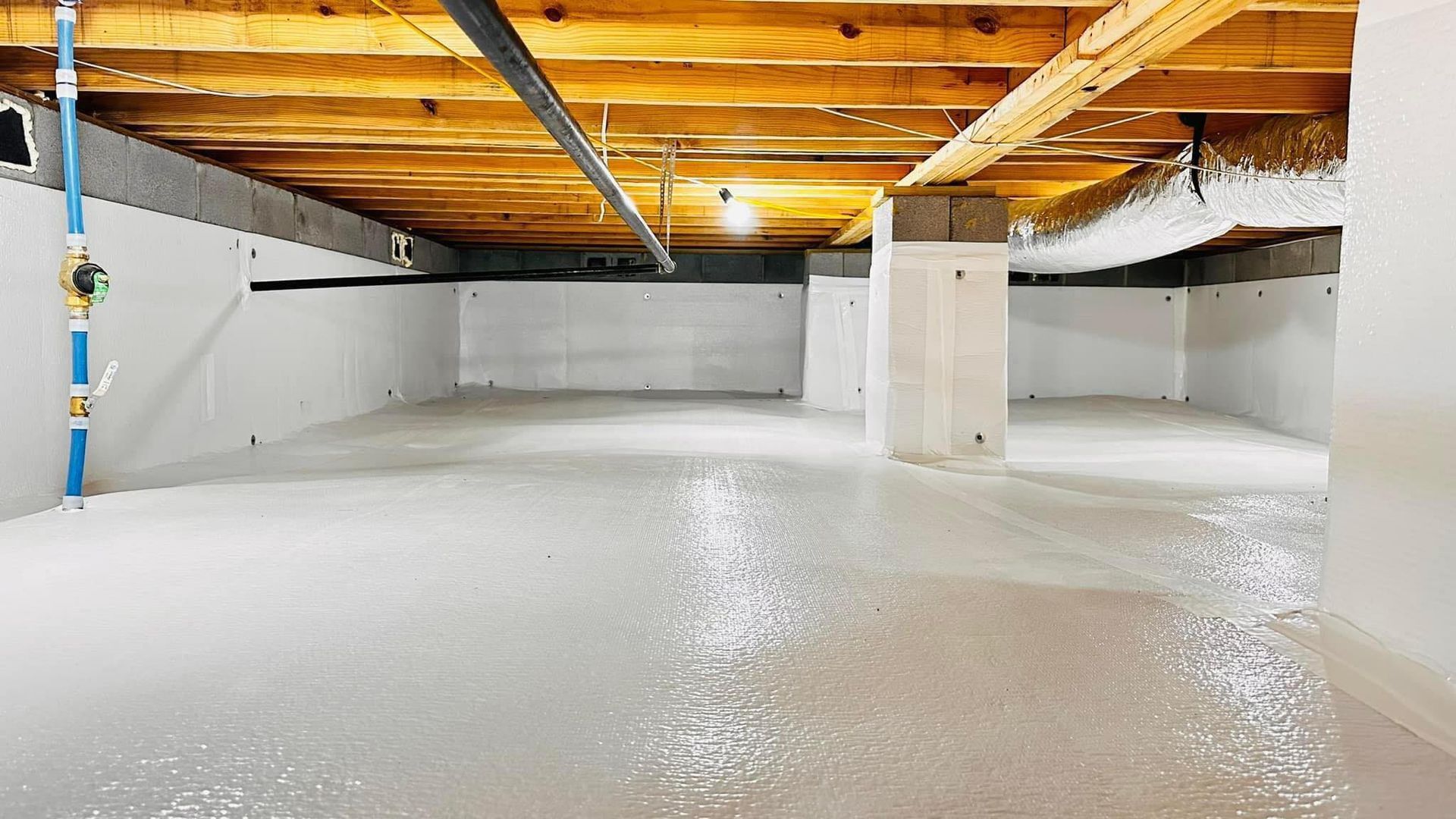
Lights: A Detail Most Companies Skip
Here's something most homeowners never think about until we bring it up. How do you check your crawl space once the job is done?
If you don't have lights down there, you're stuck using a flashlight or your phone. That's fine for a quick look, but it's not good enough if you ever need to really inspect the space. Maybe you're checking for a leak. Maybe a plumber needs to get under there for a repair. Maybe you just want to see what you paid for.
That's why we install lights on every job. Not as some fancy upgrade, just as something that should come standard. It means you, or anyone else who needs to go under your house, can actually see what's going on. No fumbling around in the dark trying to figure out if something looks right.
It's a small detail. But it's the kind of detail that tells you a lot about how a company thinks about the work they do.
Rodent Proofing: Protecting the Investment
You just spent good money sealing up your crawl space. The last thing you want is mice or other critters finding their way in anyway.
Rodent proofing means sealing up the gaps and entry points that rodents use to get into your crawl space. It's not a separate project. It's part of doing the job right the first time. If you skip this step, you can end up with animals chewing through your new encapsulation, leaving droppings, or causing damage to insulation and ductwork.
A lot of companies treat rodent proofing like an upsell. Something they'll do for an extra charge if you ask. We don't look at it that way. If we're sealing up your crawl space, we want to make sure it actually stays sealed. That means closing off the entry points rodents would use before they ever become a problem.
It protects the work we just did. And it protects your home.
Sensors: Knowing Before It's a Problem
We've talked about this before, but it's worth repeating here because it matters just as much on this job as any other.
A sensor lets you know if something's wrong with your sump pump before you end up with water in your crawl space. No loud alarms going off in the middle of the night. Just a text or email so you can call us and we handle it.
This isn't an optional extra in our book. It's part of protecting the investment you just made. You paid to have your crawl space encapsulated properly. The sensor makes sure you find out right away if anything changes down the road, instead of discovering a problem months later when it's already caused damage.
Lights, rodent proofing, and a sensor. Three things that should come standard, but often don't.
What "125 Mil" Actually Means
You'll hear mil thickness thrown around a lot when you're getting quotes, so let's break down what it actually means.
Mil is just a measurement of how thick the plastic vapor barrier is. The higher the number, the thicker and more durable the material. A 125 mil encapsulation is a heavy-duty option, built to hold up over time and handle wear and tear better than thinner options.
Here's the thing though - two companies can both quote you "125 mil" and still give you very different results. The thickness of the plastic is just one piece of the job. How it's installed, whether seams are sealed properly, whether the corners and edges are finished right, all of that matters just as much as the number on the material itself.
So when you're comparing quotes, don't just look at the mil thickness and assume you're comparing two identical jobs. Ask what else is included. That's where the real differences show up.
How to Compare Crawl Space Quotes
If you're getting multiple quotes, here's what to ask before making a decision.
Does the quote include lights? Is rodent proofing part of the job, or is it an add-on? Is there any kind of monitoring or sensor included? What's the mil thickness, and does the company explain why they chose that option for your space?
A complete quote should answer these questions clearly. If a company can't tell you exactly what's included, or if they get vague when you ask about the details, that's worth paying attention to.
Price matters, sure. But the real question is what you're getting for that price. Two quotes can look similar on the surface and be completely different once you dig into what's actually being done.
Ready to Get a Real Quote?
If you're comparing crawl space quotes and want to understand exactly what you're paying for, reach out. I'm happy to walk you through it.
We offer free inspections throughout the Nashville area, including Smyrna and the surrounding counties. I handle every inspection myself and give you a clear breakdown of what's included and why. No pressure, no sales tactics, just an honest look at your crawl space and straightforward options.
You can call or text me directly with any questions. I'll help you understand what a complete encapsulation should include, so you can make the best decision for your home.
That's how we do things at Crawl Logic.