
What to Check Around Your House After a Big Storm
Introduction
The Best Time to Inspect Your Home Is the Morning After a Storm
SMALL ISSUES ARE EASIEST TO FIX BEFORE WATER SITS
Last night we got hit with some serious storms.
My house included.
So this morning I'm thinking about all the things that could have gone wrong, and I wanted to walk you through what you should be checking around your own place.
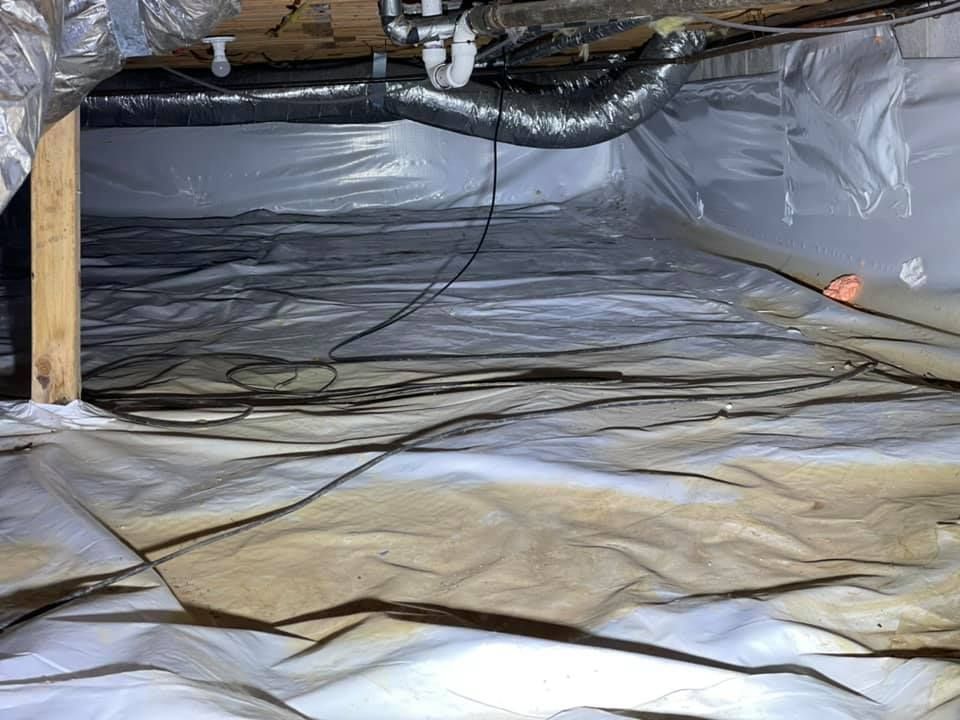
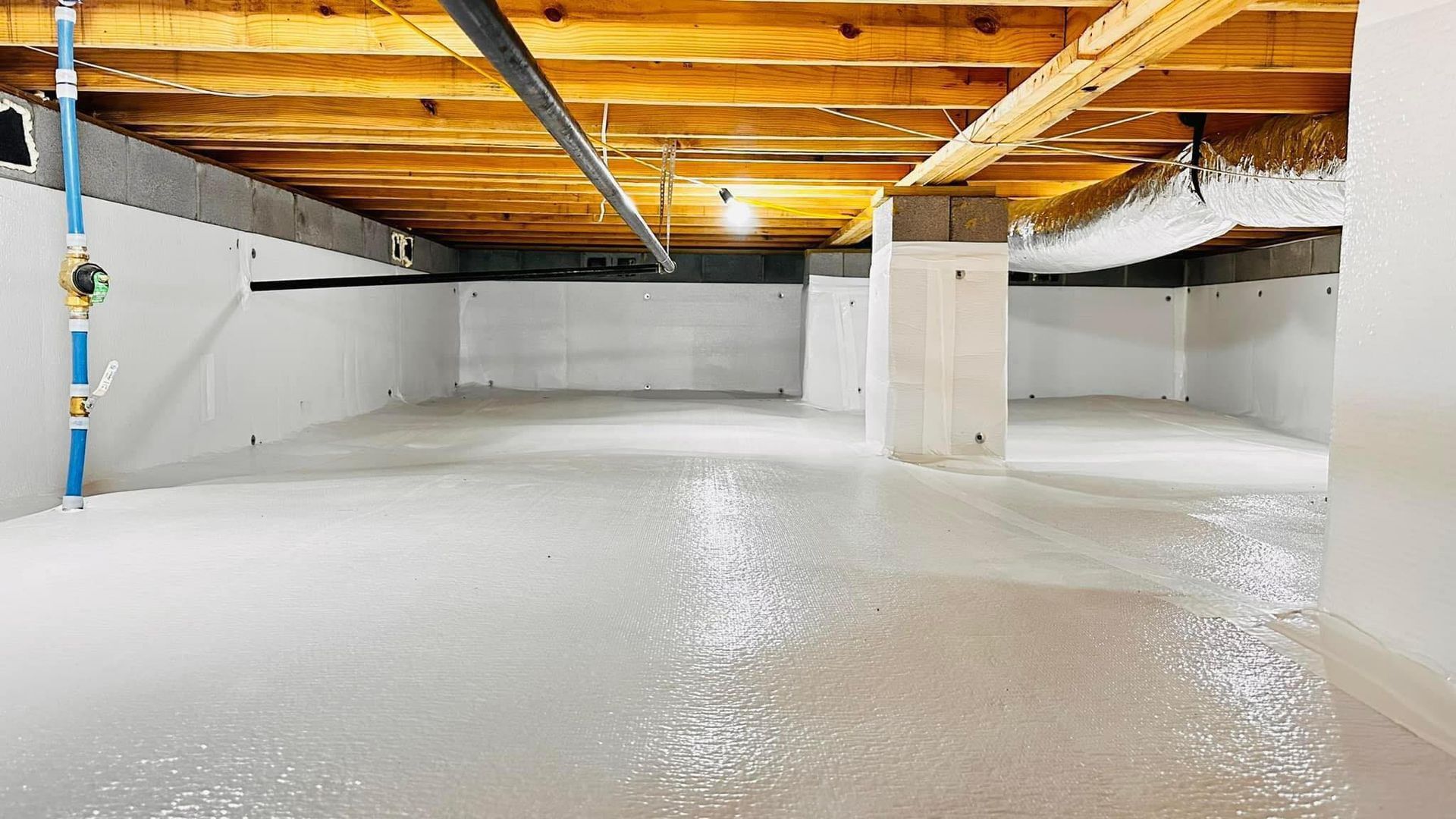
I'm actually out here on a crawl space job right now where water runs straight off a hill and into the foundation.
But while I'm here, I figured this is a good time to talk about what happens after storms like we just had.
Here's the thing - the morning after a big storm is the best time to inspect your house.
Everything's still wet.
You can see where water's going. You can spot damage while it's fresh.
And most importantly, you can catch small problems before they turn into expensive ones.
A loose piece of siding today is just a loose piece of siding.
A loose piece of siding in three months is water damage behind your walls. So let's talk about what you need to look for.
Why You Need to Do This Walk-Around
I get it. You're busy. You've got work, you've got kids, you've got a hundred other things going on. Walking around your house looking for problems probably isn't high on your list.
But here's why you should do it anyway.
Water damage doesn't announce itself. You don't wake up one morning and suddenly have a rotted fascia board. It starts small. A clogged gutter. A loose shingle. A gap in your siding. And then it sits there for weeks or months, getting worse every time it rains.
Wind damage is the same way. One loose piece of vinyl siding doesn't seem like a big deal. But wind gets under it, pulls on it, and eventually pops the nails out. Now you've got three loose pieces. Then five. Then you're looking at replacing a whole side of your house.
What you catch today - right now, while everything's still wet and you can see the problems - is what you don't have to pay thousands to fix later.
The best time to check is while the ground is soaked and water is still flowing. You can see exactly where it's going. Is it running away from your house like it should? Or is it pooling up near your foundation? You won't know unless you look.
So grab a cup of coffee, walk around your house, and just pay attention. It takes 15 minutes. And it might save you more money than you realize.
Check Your Siding for Separation
First thing you want to look at is your siding. If you've got vinyl siding on your house, walk around and look for pieces that have come loose or separated.
Here's how vinyl siding works - it's clipped into the piece below it, and then it's nailed at the top. That's it. So when wind hits it hard enough, it can pop those clips loose. And once there's a gap, you've got two problems.
Problem one: rain gets behind your siding. Wind drives that rain right up under there, and if you don't have a proper vapor barrier, that water is getting into your walls. You won't see it happening. But it's happening.
Problem two: once wind gets under that loose piece, it's got leverage. It can pull on it every time the wind blows. Eventually it's going to pop those nails out at the top. Now that piece is completely loose. And it's going to start pulling on the pieces around it.
So walk your house and look for gaps. Look for pieces that are sticking out or flapping. Look for separation between the siding pieces. If you find it, get it fixed now. Because it's only going to get worse.
Inspect Your Gutters for Clogs
Next, check your gutters. And I mean really check them.
After the amount of rain we had last night, if your gutters are full of leaves and debris, you're going to have problems. That water has nowhere to go, so it backs up. And when it backs up, it doesn't just overflow onto the ground. It gets into your fascia and your soffit.
Fascia is the board that runs along the edge of your roof where your gutters attach. Soffit is the underside of your roof overhang. Both of those are wood. And wood plus water equals rot.
Once that fascia starts rotting, your gutters sag. Your roof edge loses support. Sometimes that backed-up water even finds its way into your house through the soffit and into your attic.
All of this from clogged gutters.
So look at your gutters after a storm like this. Are they overflowing? Are they sagging? Is water pouring over the sides instead of coming out the downspouts? If so, you need to clean them out. Or hire someone to do it. But don't ignore it.
Look at Your Roof Shingles
Now look up at your roof. I know it's hard to see everything from the ground, but do your best.
What you're looking for is shingles that have been turned up, creased, or damaged by the wind. It happens more than you think, especially in storms like we had last night.
Here's why it matters. Shingles are designed to lay flat and overlap each other so water runs off. But if a shingle gets creased or turned up, it doesn't stay stuck down anymore. Every time the wind blows, that shingle lifts up. And when you get driving rain, water gets under it.
Once water is under your shingles, it soaks into your roof decking. That's the plywood under your shingles. Then it drips into your attic. Then it saturates your insulation. Then it drips through your ceiling into your house.
Now you're not just replacing a shingle. You're replacing decking, insulation, and sheetrock. You're dealing with mold in your attic. You're looking at serious money.
All because one shingle got creased in a storm and nobody caught it.
So look up there. If you see shingles that look wrong - turned up, bent, or out of place - call a roofer and have them take a look. It's worth it.
Watch Where Water Flows Around Your Foundation
This one's important, and a lot of people don't think about it until it's too late.
After a big storm like we had last night, go outside and watch where the water is going. Not just off your roof - I'm talking about the water on the ground around your house.
Is it flowing away from your foundation? Or is it running toward it? Is it pooling up next to your house? Is there a low spot where water collects?
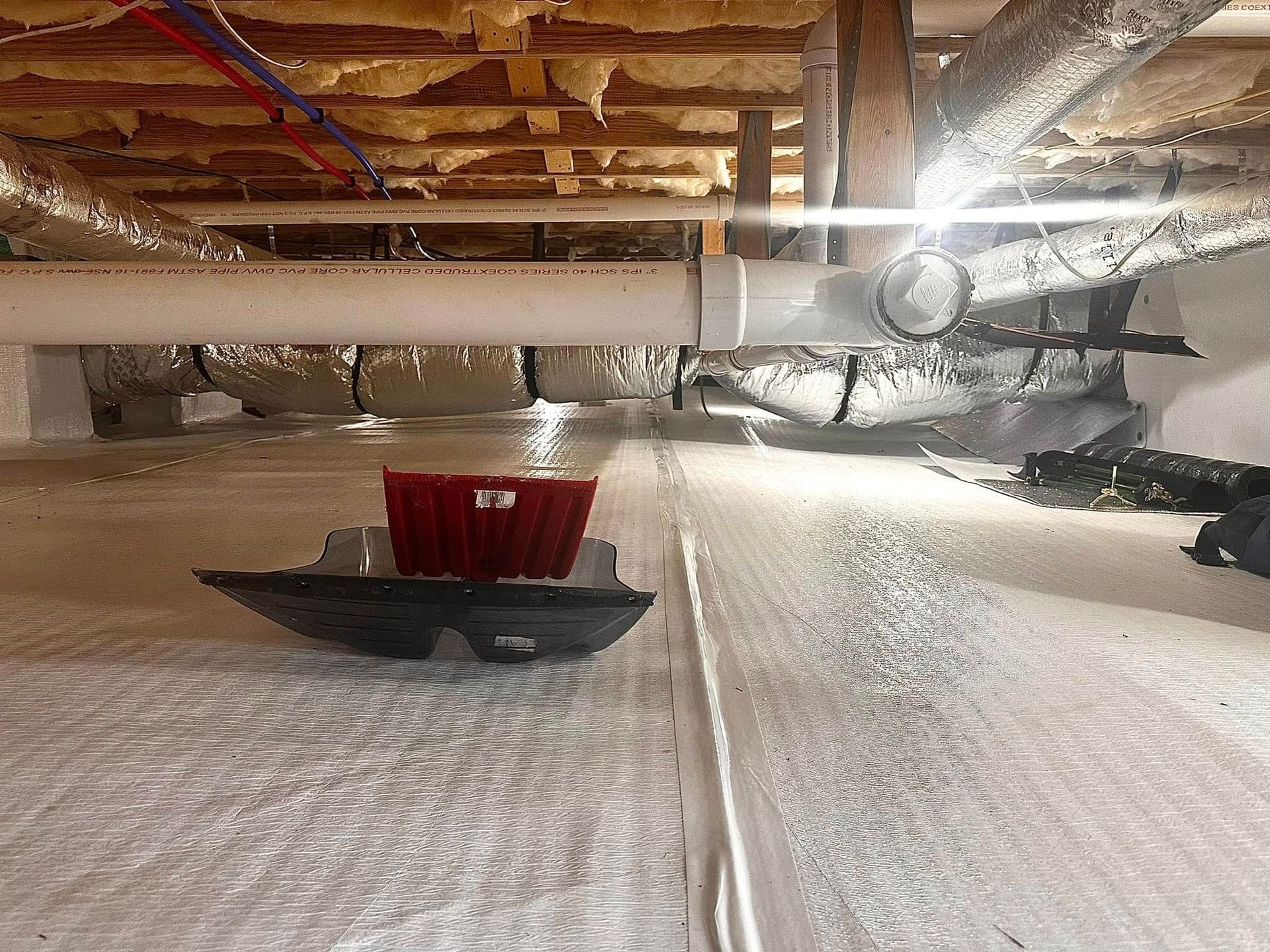
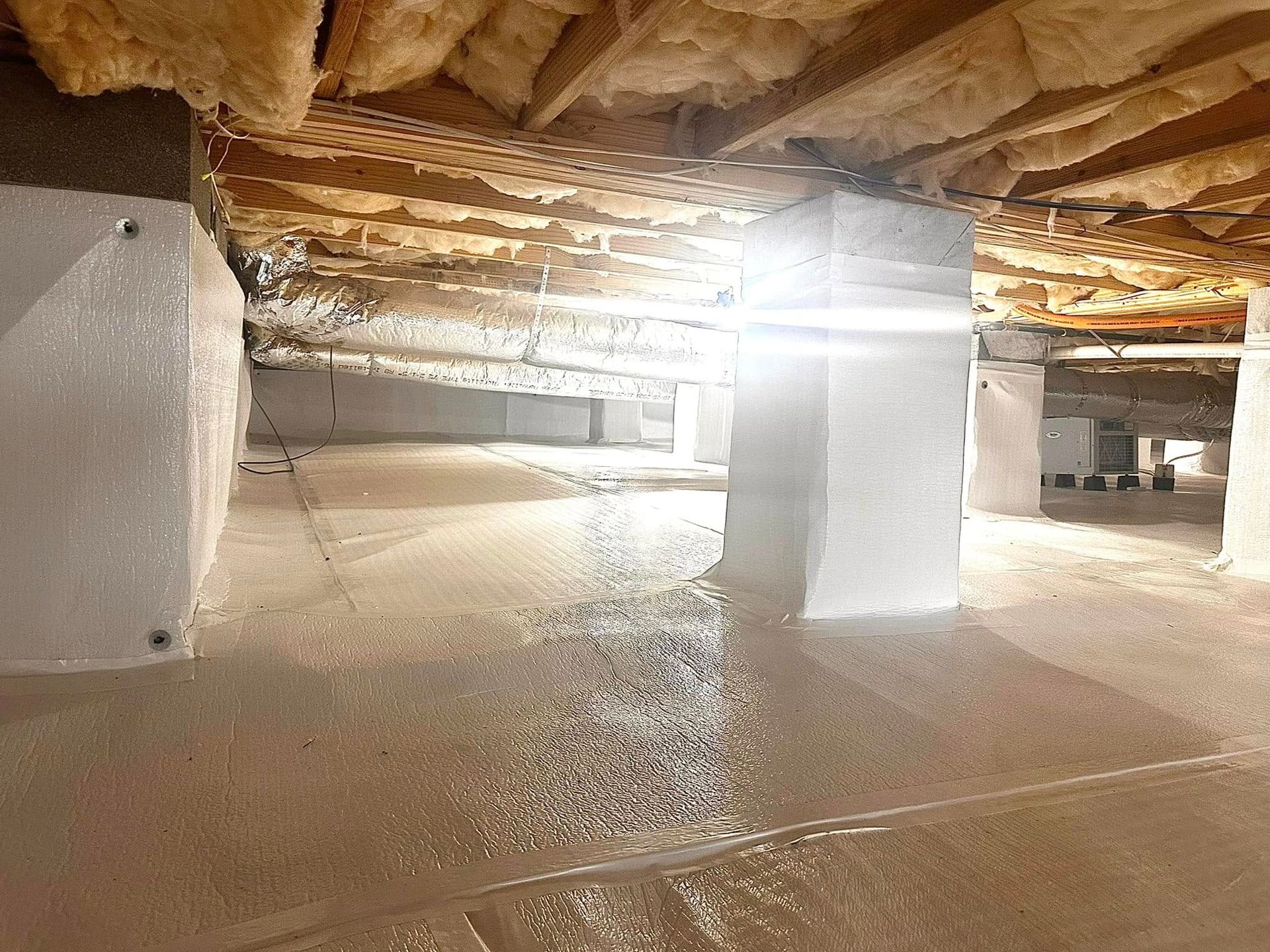
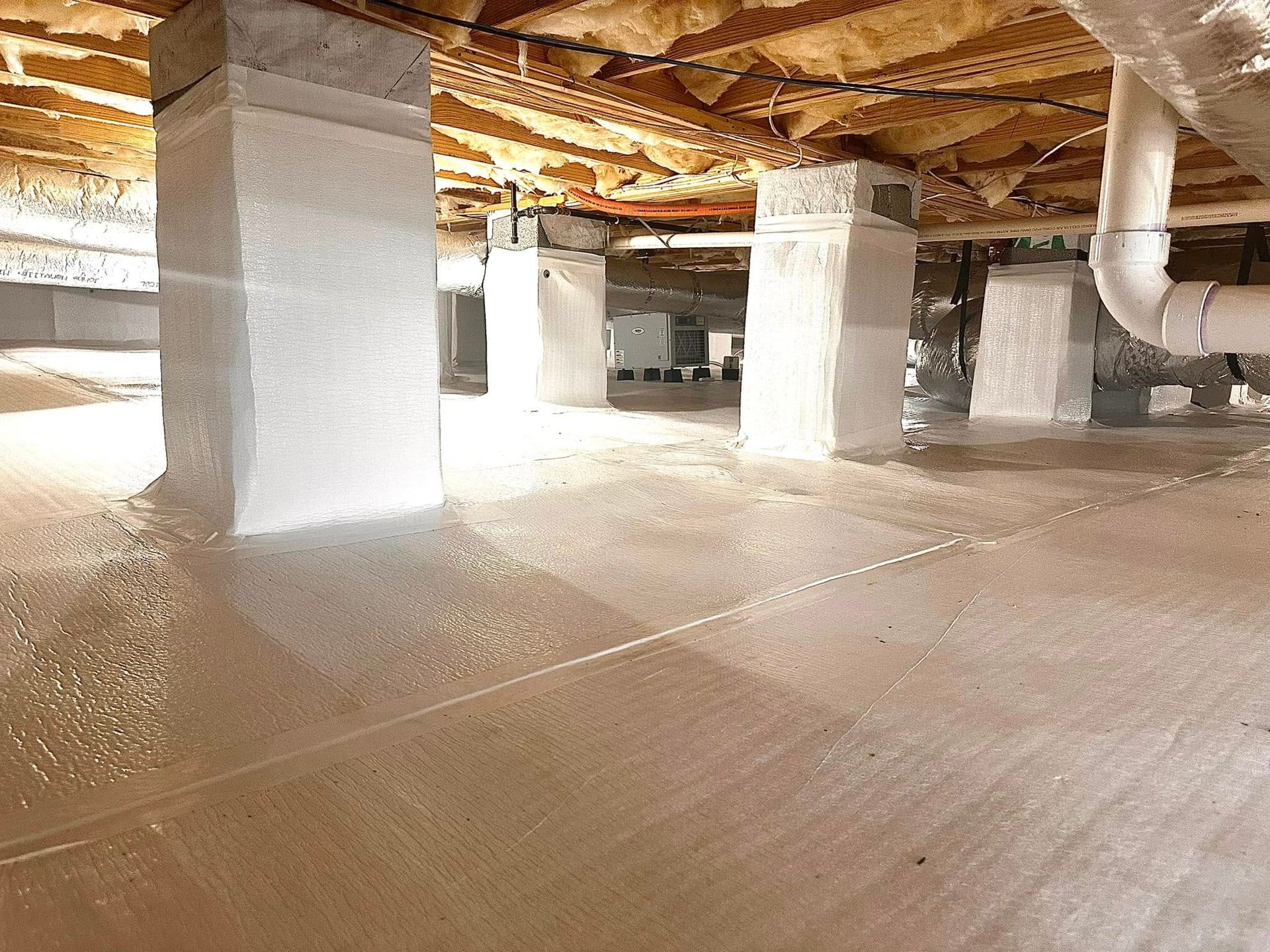
I'm on a crawl space job right now where this is the exact problem. There's a hill behind this house, and when it rains, water runs straight down that hill and makes a turn right into the crawl space. The homeowner didn't create this problem. The hill did. But now we're having to dig trenches all the way around the foundation and install a drainage system with a sump pump to fix it.
That's not a cheap fix. But it's necessary, because water sitting near your foundation will find a way in. Into your crawl space, under your floors, into your basement if you have one. And once it's in there, you're dealing with moisture, mold, and structural damage.
So walk your property while the ground is still soaked. See where the water goes. If it's not flowing away from your house, you need to fix that. Extend your downspouts. Trench out problem areas. Add drainage. Do whatever it takes to get that water moving in the right direction.
Check for Hail Damage
Here's an easy one that a lot of people don't know about.
If you think you might have had hail last night, check your soft metals. That means the top of your HVAC unit, your gutters, any metal trim or flashing around your house.
Hail leaves dings. And if you've got dings on your soft metals, you probably have damage on your roof too. You just can't see it from the ground.
Walk around and look at the top of your AC unit outside. Are there little dents in it? Check your gutters and downspouts. Any dings or dents there? If you're seeing damage on those soft metals, there's a good chance your shingles took a beating too.
If that's the case, call a roofer and have them come inspect your roof. Don't wait on this. Hail damage compromises your shingles, and the sooner you catch it, the sooner you can get it fixed. Most of the time, if you've got legit hail damage, your insurance will cover it.
But you've got to document it and get it taken care of. Don't let it sit.

Take the Walk Today
Look, I get it. This all sounds like a lot. But it's really not.
Take 15 minutes today. Walk around your house. Look at your siding, your gutters, your roof, and where the water's going. Just pay attention.
Do this after every major storm. Make it a habit. Because catching problems while they're small is always cheaper than waiting until they're big.
And if you're seeing drainage issues around your foundation, or you're worried about what's going on in your crawl space, give us a call. We do free inspections in Chattanooga and the surrounding areas. We'll come out, take a look, and let you know exactly what you're dealing with.
We're here to help you protect your house. Because your house is probably your biggest investment. And it's worth 15 minutes of your time to make sure it's okay after a storm like we just had.