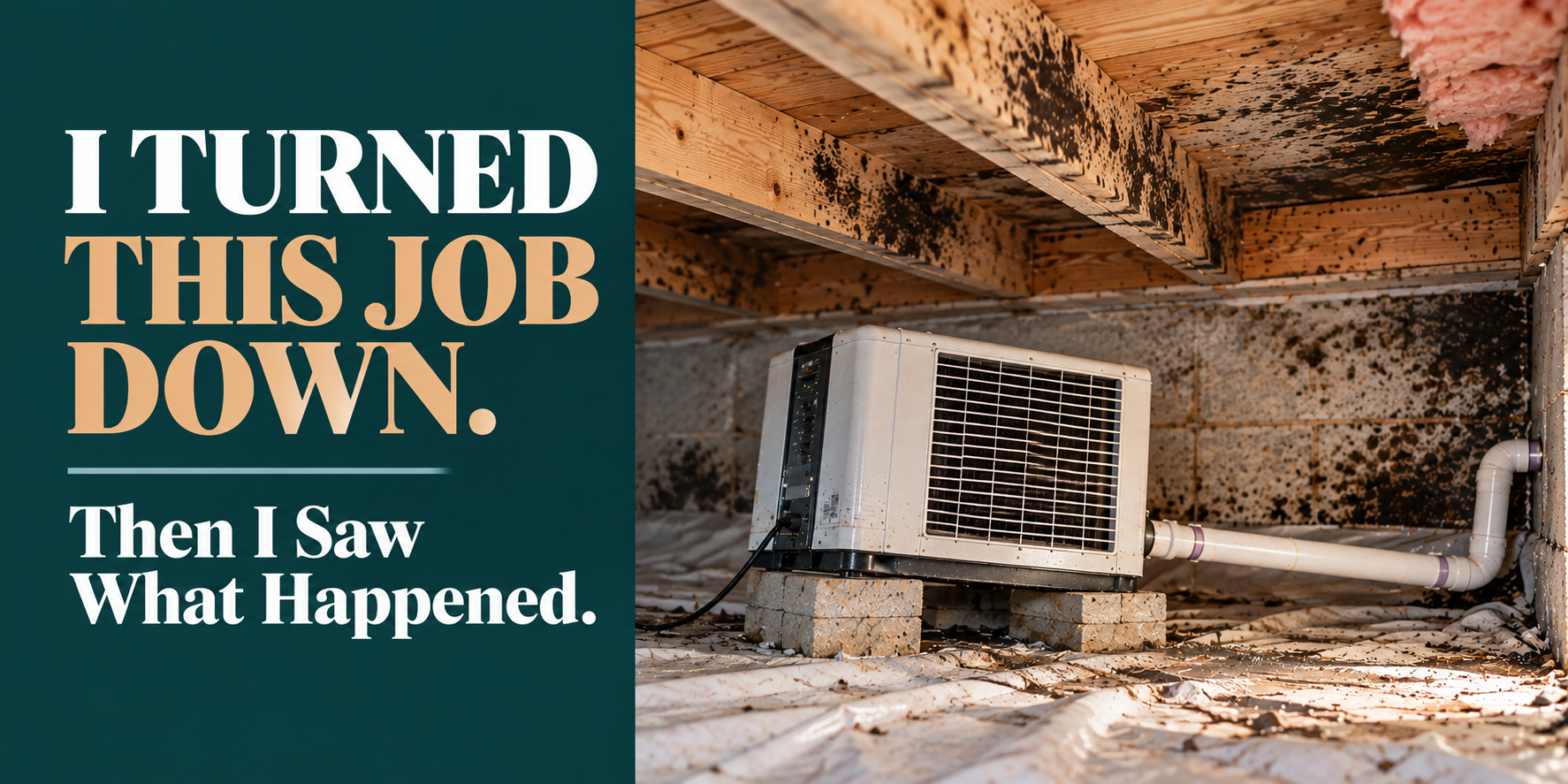
Where Your Crawl Space Dehumidifier Should Be Placed — And How to Tell If It's Wrong
Introduction
One Quick Check Can Tell You a Lot
START WITH WHERE YOUR DEHUMIDIFIER WAS PLACED
Most homeowners never go back under the house after the encapsulation job is done. You hand over a check, the crew leaves, and you trust that everything was handled the right way.
That trust isn't unreasonable. But it does mean that if something was done wrong, you probably won't find out until it shows up as a problem — rotting wood, moisture readings that won't drop, a dehumidifier that keeps running and running without ever really doing its job.
There's one thing you can check right now that will tell you a lot about the quality of work you got. It doesn't require any tools or technical knowledge. You just need to know where to look and what you're looking for.
Start with the dehumidifier.
Why Placement Isn't Just a Detail
Your crawl space dehumidifier isn't just sitting there. It's actively pulling moisture out of the air in your crawl space — and it was sized specifically for the square footage and cubic feet of your space.
That last part matters more than most people realize.
The unit was built to treat a certain volume of air. But it can only treat the air it can actually reach. If the unit is running in one corner of the space, it's doing its job in that corner. The rest of the crawl space — the far walls, the center, the areas furthest from the unit — those are getting a fraction of the coverage at best.
Think of it like a fan in a large room. Put it in the corner facing the wall and it moves air in a small circle. Put it in the center of the room and everything benefits from it.
A dehumidifier placed in the wrong spot isn't a broken dehumidifier. It just isn't doing the job it was sized and paid for to do.
Where It Should Go
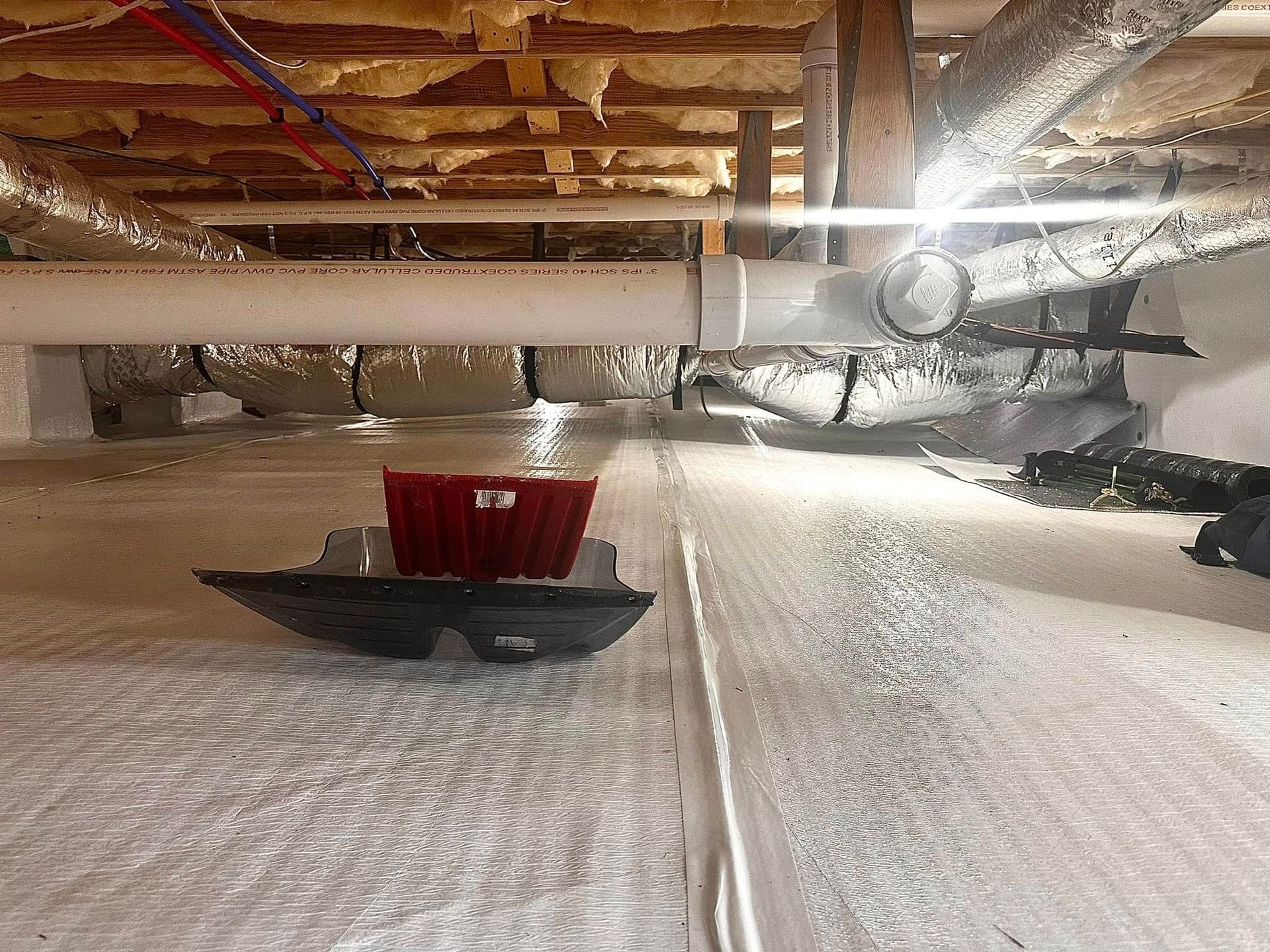
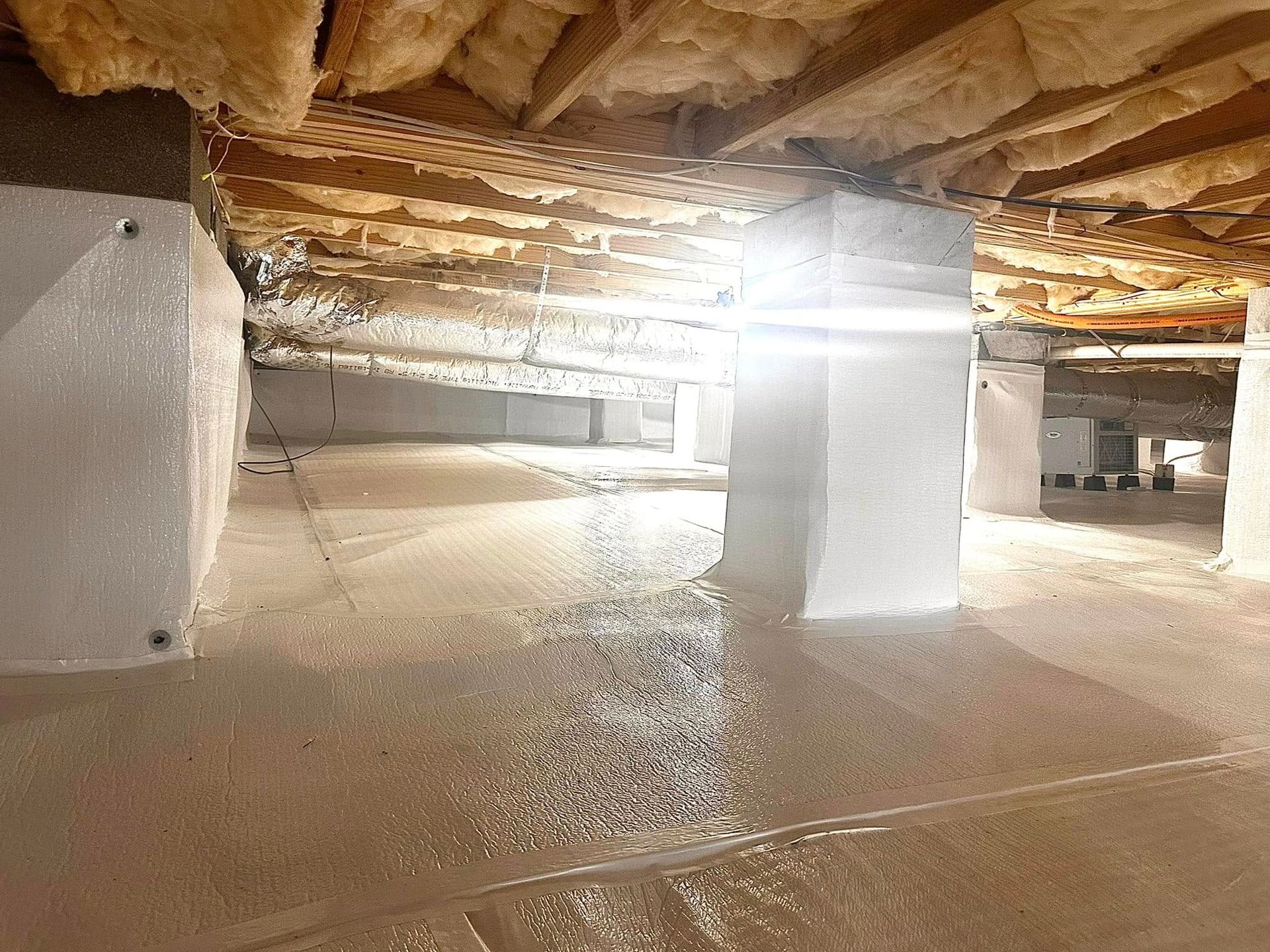
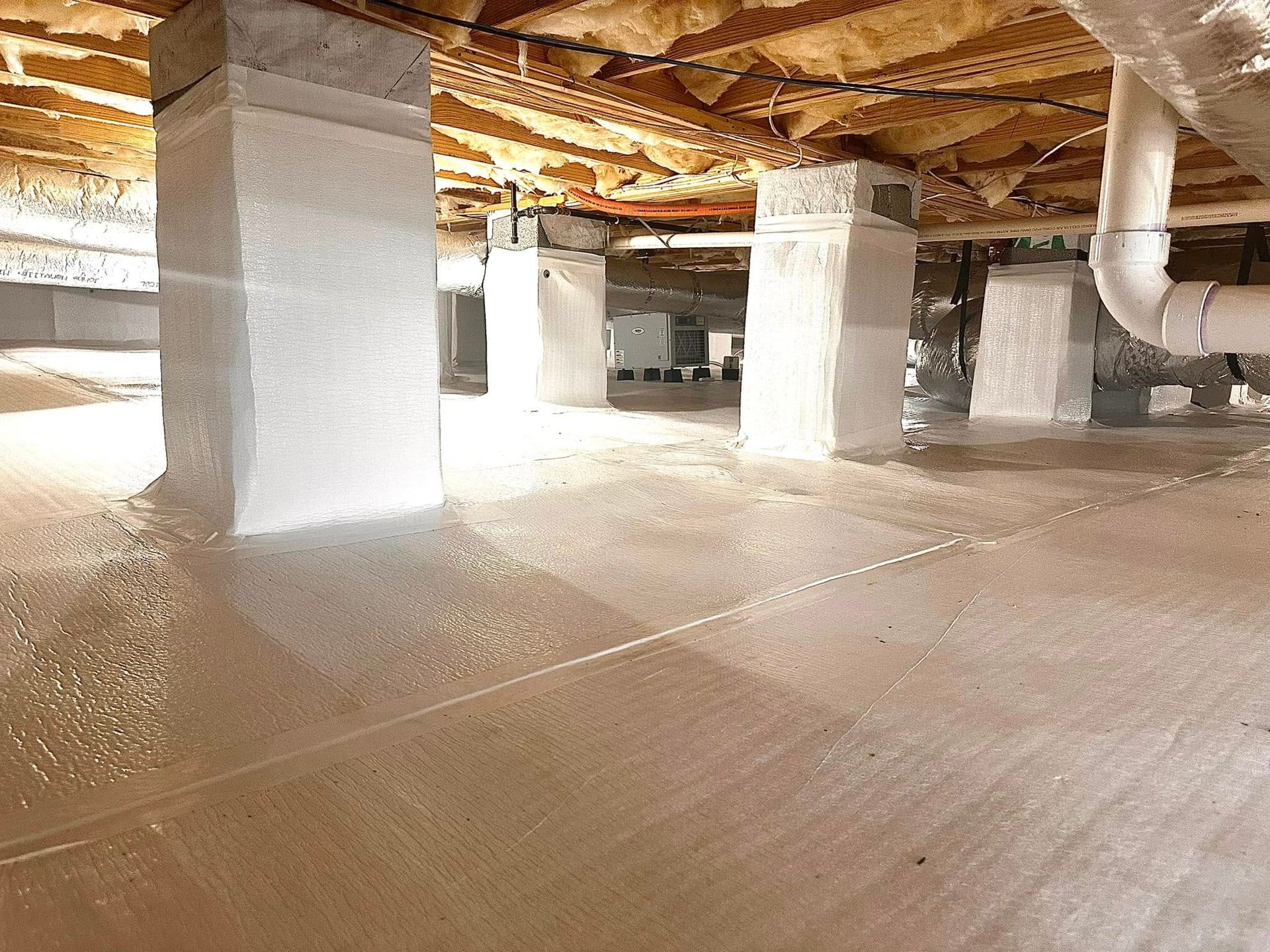
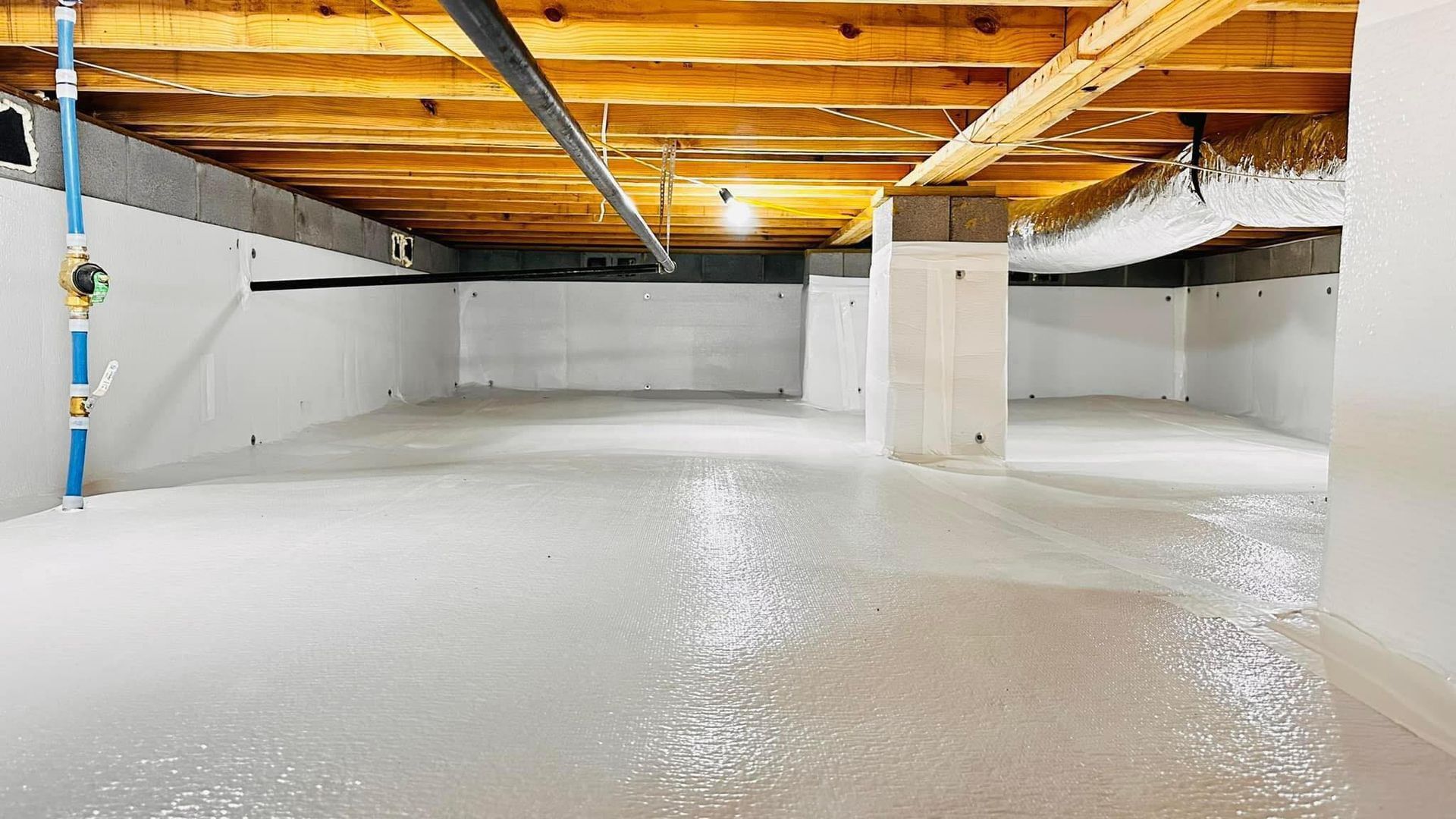
The right place for a crawl space dehumidifier is the center of the space — or as close to a central location as the layout of the crawl space allows.
Centered placement means the unit can draw in air from all directions. It treats the full volume of the space more evenly. Moisture gets pulled down across the whole footprint, not just the corner nearest the door.
Some crawl spaces have unusual layouts — multiple sections, low spots, areas that are harder to reach. A contractor who knows what they're doing will account for that. They'll think about airflow. They'll think about where the moisture is likely to be highest. They'll place the unit where it can actually do the most work.
That's not a complicated decision. It just requires someone who's thinking about the outcome — not just getting done and getting out.
The Red Flag to Look For
Here's the tell.
If you go into your crawl space and the dehumidifier is sitting right next to the door — close to where the crew came in — that's a sign the job was done lazy.
Why? Because the door is the easiest place to leave it. The crew didn't have to carry it through the space. They didn't have to think about coverage or airflow. They set it down where it was convenient for them, not where it was going to work best for you.
It's one of those shortcuts that's almost impossible to spot unless you know what you're looking for. The unit is plugged in. It's running. From the outside, everything looks fine.
But you're not getting what you paid for.
What It Costs You Over Time
A misplaced dehumidifier doesn't just mean uneven coverage. It creates a chain of problems that get more expensive the longer they go unaddressed.
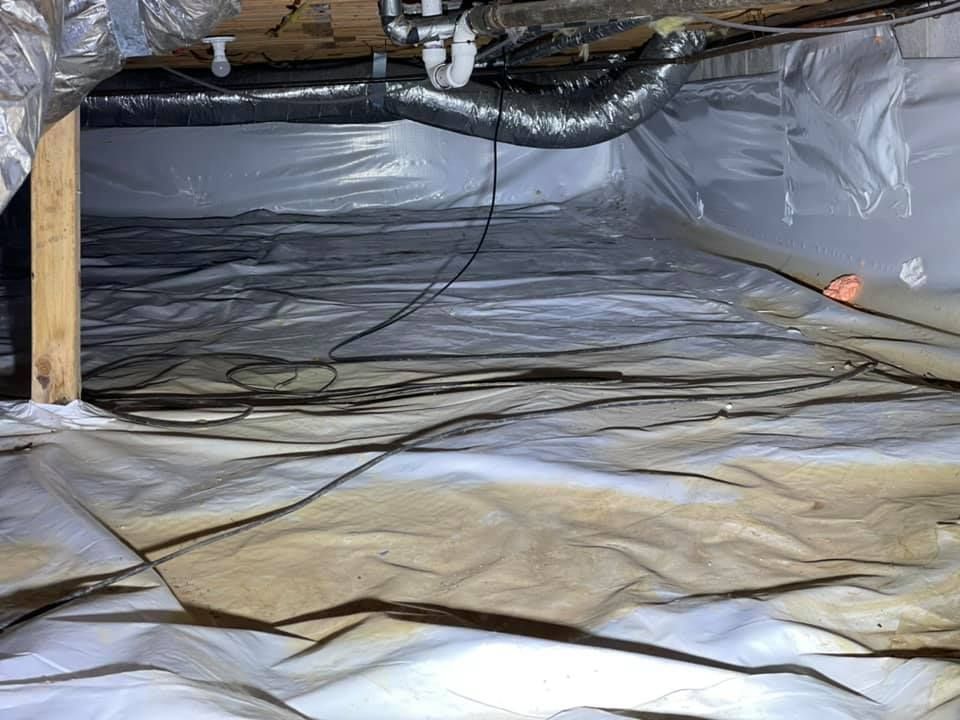
Moisture stays in the space. The areas the unit can't effectively reach stay damp. Damp wood is where mold starts. It's where rot starts. It's where the structural integrity of your floor joists starts to break down — slowly, quietly, out of sight.
The unit works harder than it should. A dehumidifier that's fighting against a space it's not properly positioned to treat runs more cycles. More cycles mean more wear. More wear means a shorter lifespan. A unit that should last ten years starts needing service or replacement much sooner.
Your energy bill reflects it. A unit running overtime uses more power. Month after month, that adds up.
None of this shows up on the day of the job. It shows up two years later when something finally gives — and by then the connection back to a lazy install is hard to prove.

What to Do Right Now
If you've already had crawl space work done, this one is simple. Go look.
You're looking for where the dehumidifier is sitting relative to the rest of the space. Is it near the door? Or is it positioned somewhere closer to the center? That one observation will tell you a lot.
If it's near the door, it doesn't automatically mean everything else was done wrong. But it's a signal worth taking seriously. It means the crew made at least one decision based on what was easy for them — and that mindset tends to show up in more than one place.
If you're about to hire a crawl space contractor, ask them directly: "Where are you planning to place the dehumidifier and why?" A contractor who knows what they're doing will have a clear answer. They'll talk about square footage, airflow, the layout of your specific space. A contractor who hasn't thought about it will fumble.
That question alone will tell you a lot about who you're dealing with.