Why Smart Homeowners Still Get Taken Advantage of on Crawl Space Quotes
Introduction
It's Not About How Smart You Are
IT'S ABOUT WHAT THEY NEVER TAUGHT YOU TO LOOK FOR
Most homeowners who get a bad crawl space quote aren't naive. They're not careless. They did what they were supposed to do — they called around, they got multiple quotes, they tried to make a smart decision.
And they still got taken.
That's not an accident. That's the system working exactly the way some companies designed it to work.
You Can't Protect Yourself From Something You Don't Understand
Here's the situation most homeowners find themselves in.
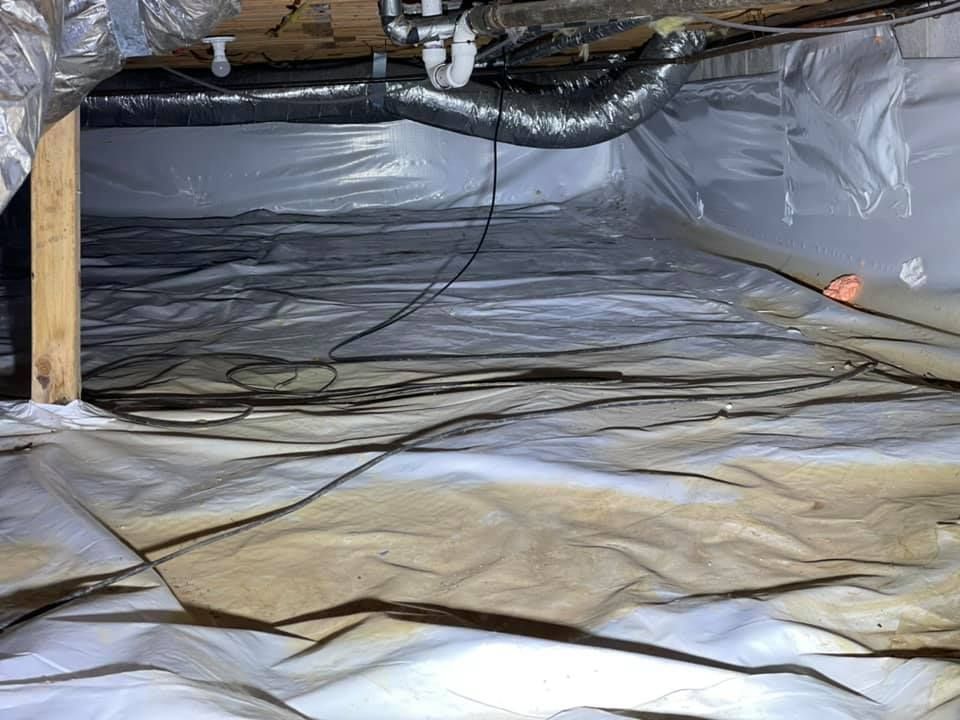
An inspector shows up. They go under the house. They come back up with a few dark, blurry photos on their phone and a number that makes your stomach drop. Twenty thousand dollars. Maybe more.
And you're sitting there trying to figure out if that number is real.
You don't know what you're looking at in those photos. You don't know if the problem is serious or minor. You don't know if what they're recommending actually matches what they found. And you don't know what questions to ask because nobody ever taught you what to ask.
So you do the only thing that makes sense. You trust them.
That's not a character flaw. That's just what happens when someone with information sits across from someone without it.
Why Some Inspectors Don't Want You to Understand
A real inspection leaves you more informed at the end of it than you were at the beginning. You should be able to walk away and explain to your spouse what's wrong, why it's wrong, and what happens if it doesn't get fixed. In plain language. Without a degree in construction.
That's what a real inspection does.
But not every inspector is there to inspect. Some are there to sell. And the less you understand, the easier that job is.
When you don't know the difference between a moisture problem and a structural problem, every problem sounds the same — expensive and urgent. When you can't read the photos, blurry ones work just as well as clear ones. When you don't know what questions to ask, you can't catch a bad answer.
Fear closes deals. Confusion keeps the door open for it.
This isn't true of every company or every inspector. But it's true enough that you need to know it going in.
What a Real Crawl Space Inspection Actually Looks Like
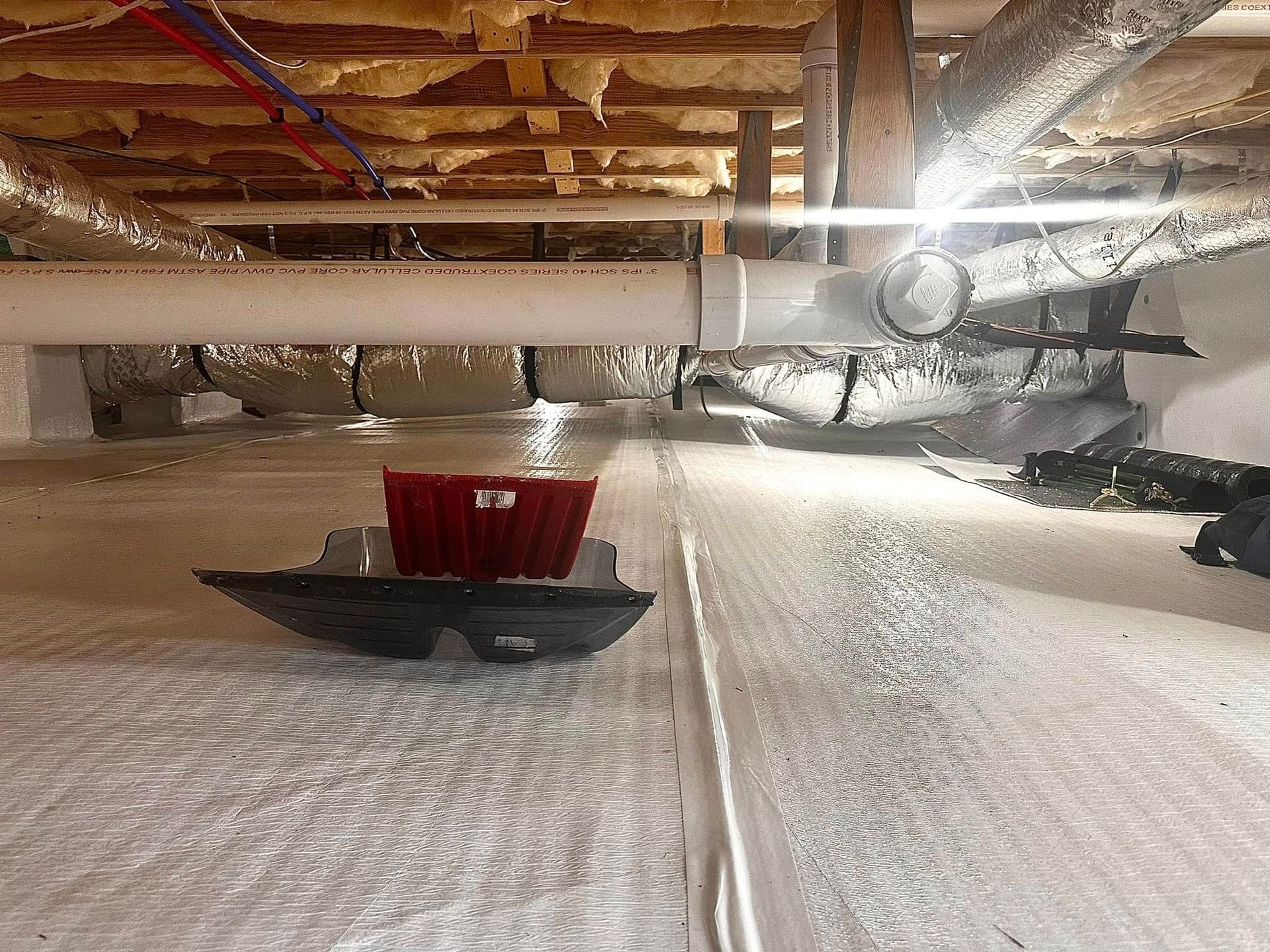
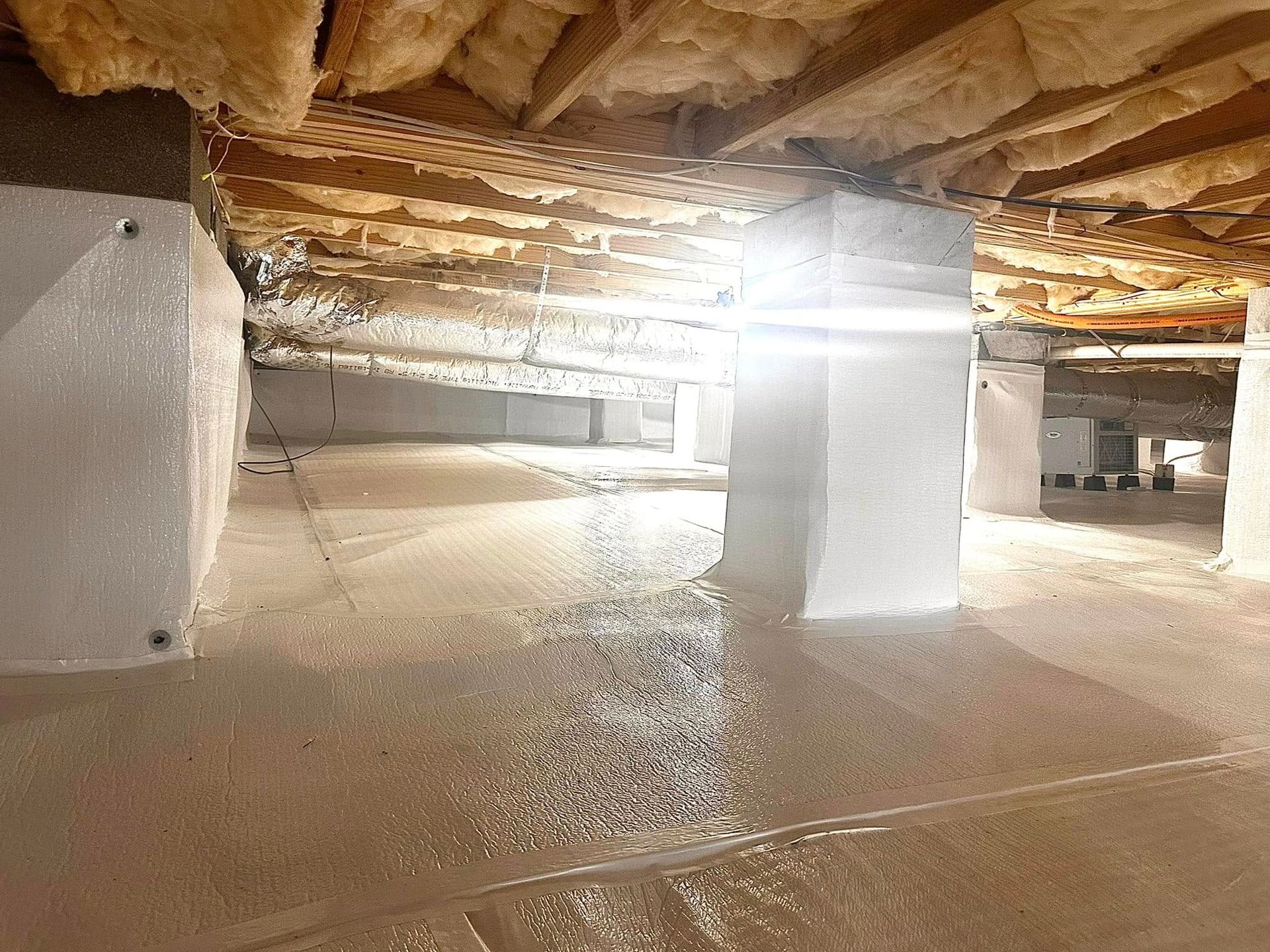
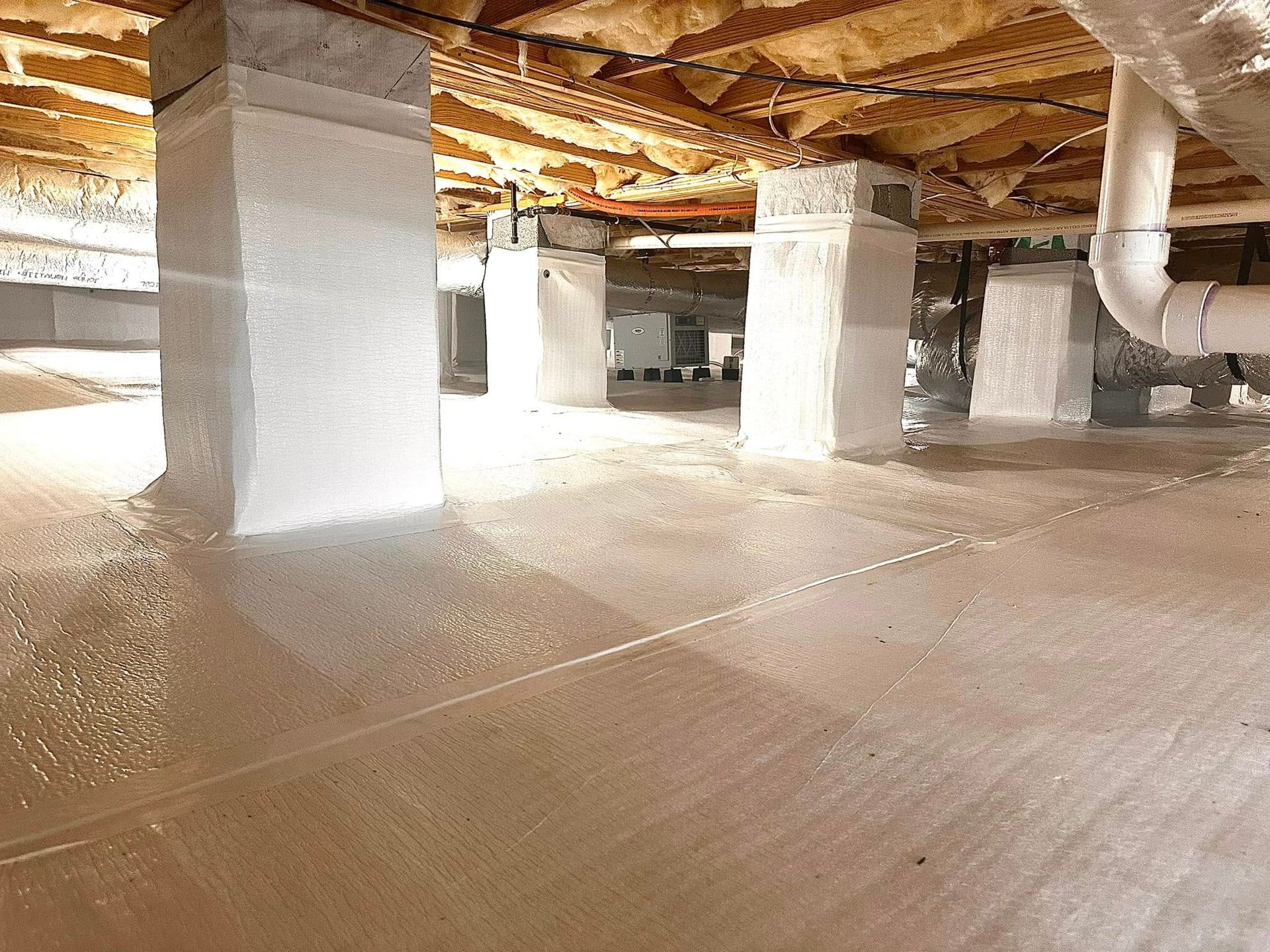
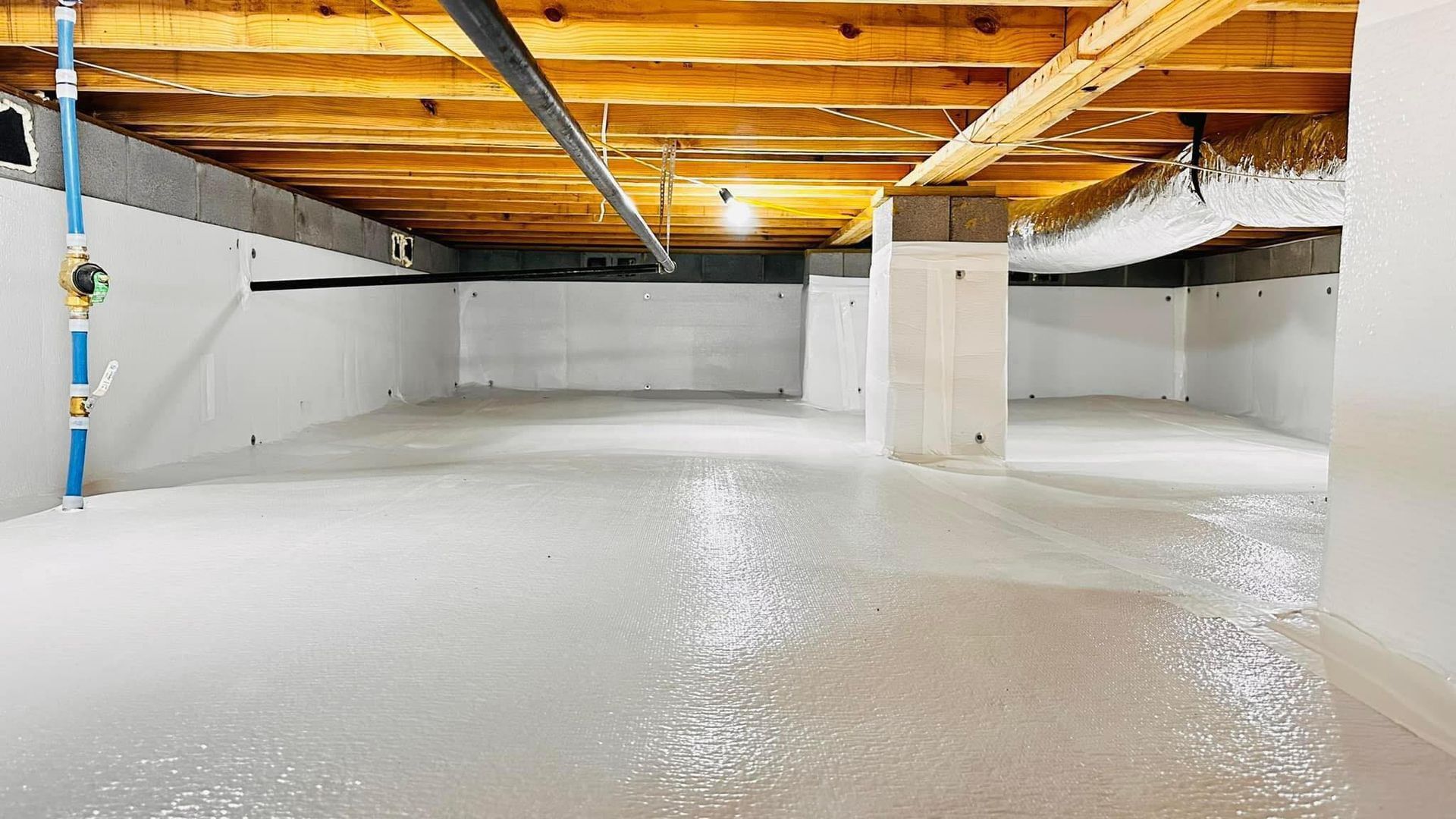
A legitimate inspector shows up prepared. They go under your house with proper equipment and real lighting. They take clear, detailed photos — enough of them that you can actually see what they're talking about.
Then they sit down with you and explain it.
Not just what's wrong. Why it's wrong. Where the moisture is coming from. What happens to your floors and your air quality if it keeps going. What the fix actually involves and why that specific fix makes sense for your specific situation.
By the end of it you should feel like you learned something — not like you just sat through a presentation designed to make you feel like you had no choice.
If you're getting multiple quotes, that education should come first. Because once you understand what's actually going on under your house, you can listen to every other quote with a completely different set of ears. You'll know what sounds right. You'll know what doesn't add up. You'll know who actually went down there and who's just repeating a number.
What to Ask Before You Trust Any Quote
Take these questions into every crawl space inspection you get:
- Can you explain why this problem developed — not just what it is?
- What happens if I don't fix this? What's the timeline?
- Why is this specific solution the right one for my situation?
- Can I see clear photos of everything you're basing this on?
- What does the installation actually involve from start to finish?
If an inspector can't answer those questions clearly and confidently, that tells you something important. It doesn't necessarily mean they're dishonest. But it does mean you shouldn't hand them a check.

The Bottom Line
You don't need to become a crawl space expert to protect yourself. You just need to work with someone who treats the inspection like an education — not a transaction.
The right inspector wants you to understand what's going on. They're not threatened by your questions. They don't rush the explanation. And they don't hand you a number before you have the information you need to evaluate it.
That's the baseline. Don't settle for less than that.