You Spent Thousands on Crawl Space Encapsulation — Here's What Can Still Destroy It
Introduction
The Job Isn't Done Until the Rodents Are Locked Out
THE DETAIL MOST CONTRACTORS SKIP — AND WHAT IT COSTS YOU WHEN THEY DO
You paid for encapsulation. The crew came out, sealed the space, installed the dehumidifier, and left. You felt good about it. You should — it's a real investment in your home.
But there's one step that a lot of contractors skip before they seal. And if it gets missed, everything you just paid for is at risk.

A Sealed Crawl Space Is Exactly Where Rodents Want to Be
Most homeowners assume that sealing the crawl space solves the rodent problem. It doesn't. It can actually make it worse.
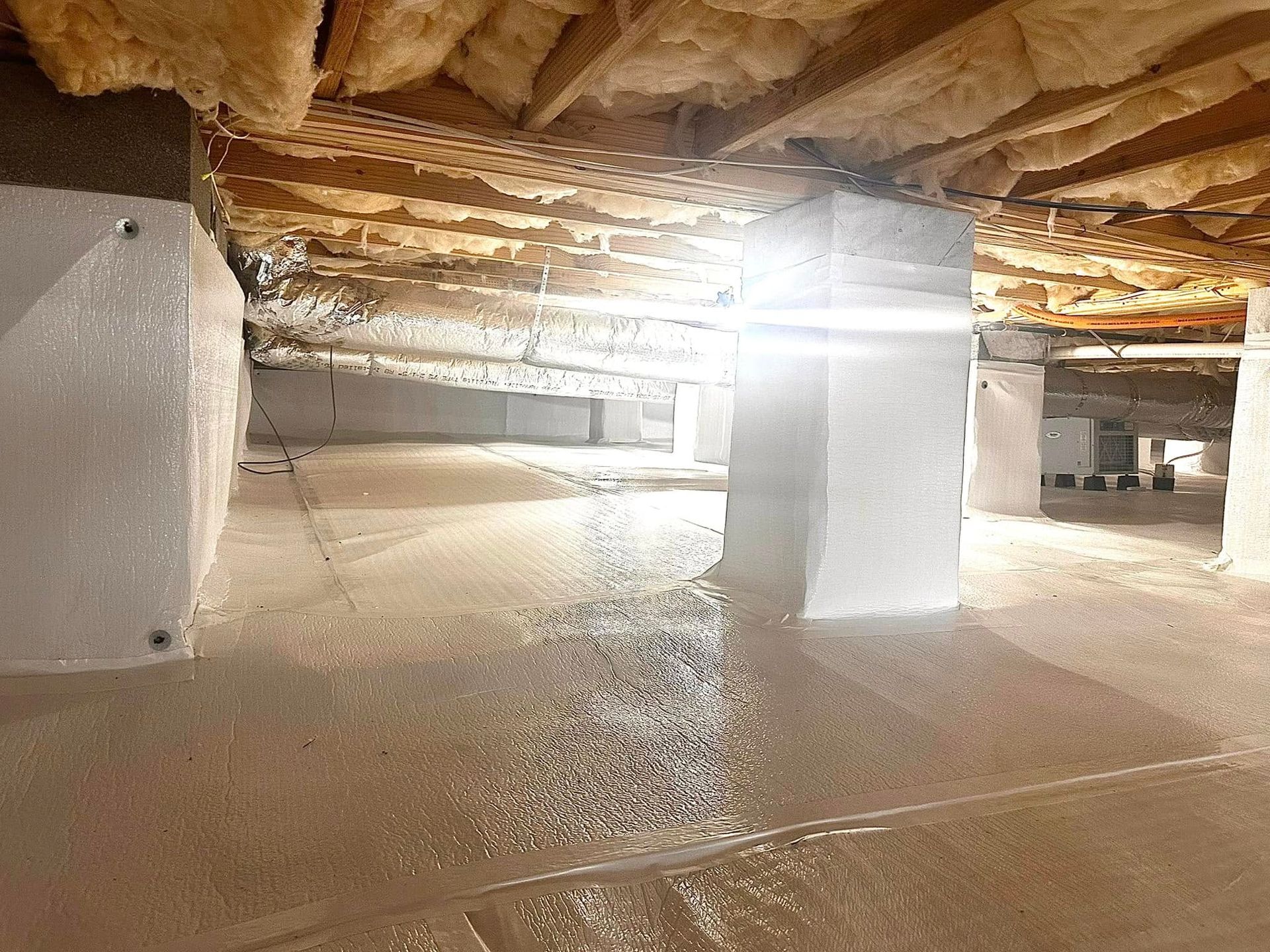
Once that space is sealed and conditioned, it becomes warm, dark, and protected from the elements. That's exactly what mice are looking for. If there's a way in — and an unsealed vent is an easy way in — they'll find it.
And once they're in, they get to work.



Here's What They Destroy
This isn't a small problem. Here's what rodents do inside a sealed crawl space:
Wiring — Mice chew through electrical wiring. That's not just a repair cost. That's a fire risk.
Vapor Barrier — The poly that lines your crawl space floor is the foundation of the whole system. Once it's chewed up, the sealed environment you paid for starts breaking down.
Tape and Seams — The seams are what hold the barrier together. Chewed tape means moisture gets back in. The job stops working.
Dehumidifier Plug — Chew through the plug and the dehumidifier goes down. No dehumidifier means moisture builds back up. Everything the encapsulation was supposed to prevent starts coming back.
You could be looking at thousands of dollars in repairs — on top of what you already spent.
Why Most Contractors Don't Catch This
It's not always negligence. A lot of crawl space companies are focused on one thing — the encapsulation itself. They're not trained to think about what moves in after the job is done.
Rodent exclusion is a pest control mindset. Most encapsulation crews don't have that background, so it doesn't make it onto their checklist.
That's a problem, because the two things are directly connected. You can't fully protect a crawl space without addressing both.
What the Right Approach Looks Like
Before we seal any crawl space, we block every vent with two layers of protection — foam board behind the vent and wire screen in front of it.
Both. Every time. No exceptions.
The foam board cuts off the opening. The wire screen adds a second line of defense. Together, they keep rodents out of a space that would otherwise be very attractive to them.
It's a small detail on the front end. The cost of skipping it on the back end is not small at all.
Don't Let a Skipped Step Cost You Twice
If you're in the Nashville area and you want to know your crawl space was built to last — not just built to look good on day one — we'd love to talk.
At Crawl Logic, we inspect every job personally before you pay a dime. We cover rodent exclusion as part of every encapsulation we do. And we come back every year to make sure everything is still working the way it should.
Call or text Josh directly. If you've got questions about your crawl space, you'll get a real answer — not a voicemail.

Protect Your Crawl Space Investment From the Start
Don't spend thousands on encapsulation only to leave your home vulnerable to rodents.
At Crawl Logic, we go beyond sealing your crawl space. We take the extra steps to protect your investment, including securing vents against unwanted pests.
Contact Crawl Logic today to schedule an inspection and find out how we can help protect your crawl space for years to come.