5 Reasons Your Crawl Space Has a Moisture Problem
Introduction
Not All Crawl Space Moisture Is the Same
FIND THE SOURCE BEFORE YOU PAY FOR THE FIX
If you've noticed moisture under your house, you're not alone. It's one of the most common calls I get from homeowners in Nashville. But here's the thing most people don't know — crawl space moisture isn't just one problem. There are five different ways water and humidity get under your house. And each one has a different cause, a different consequence, and a different fix.
If someone comes to your house and proposes a solution without telling you which of these five you're dealing with, they're guessing. And a guess that costs $10,000 is still a guess.
Here's what you actually need to know.
The Ground
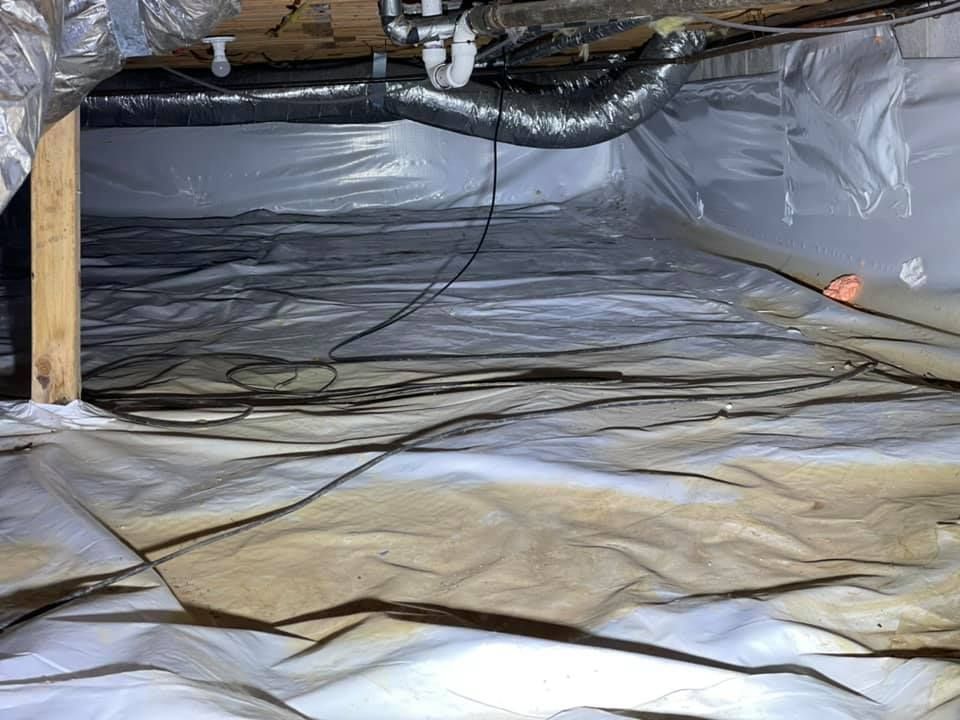
This is the most common source and the one most people have heard of. The soil under your house holds moisture. It always has. Even when it hasn't rained in weeks, the ground is releasing water vapor up into your crawl space every single day. This is called ground moisture or soil vapor, and it never stops.
Left alone, that vapor condenses on your floor joists, your insulation, and anything else it touches. Over time that leads to wood rot, mold, and structural damage.
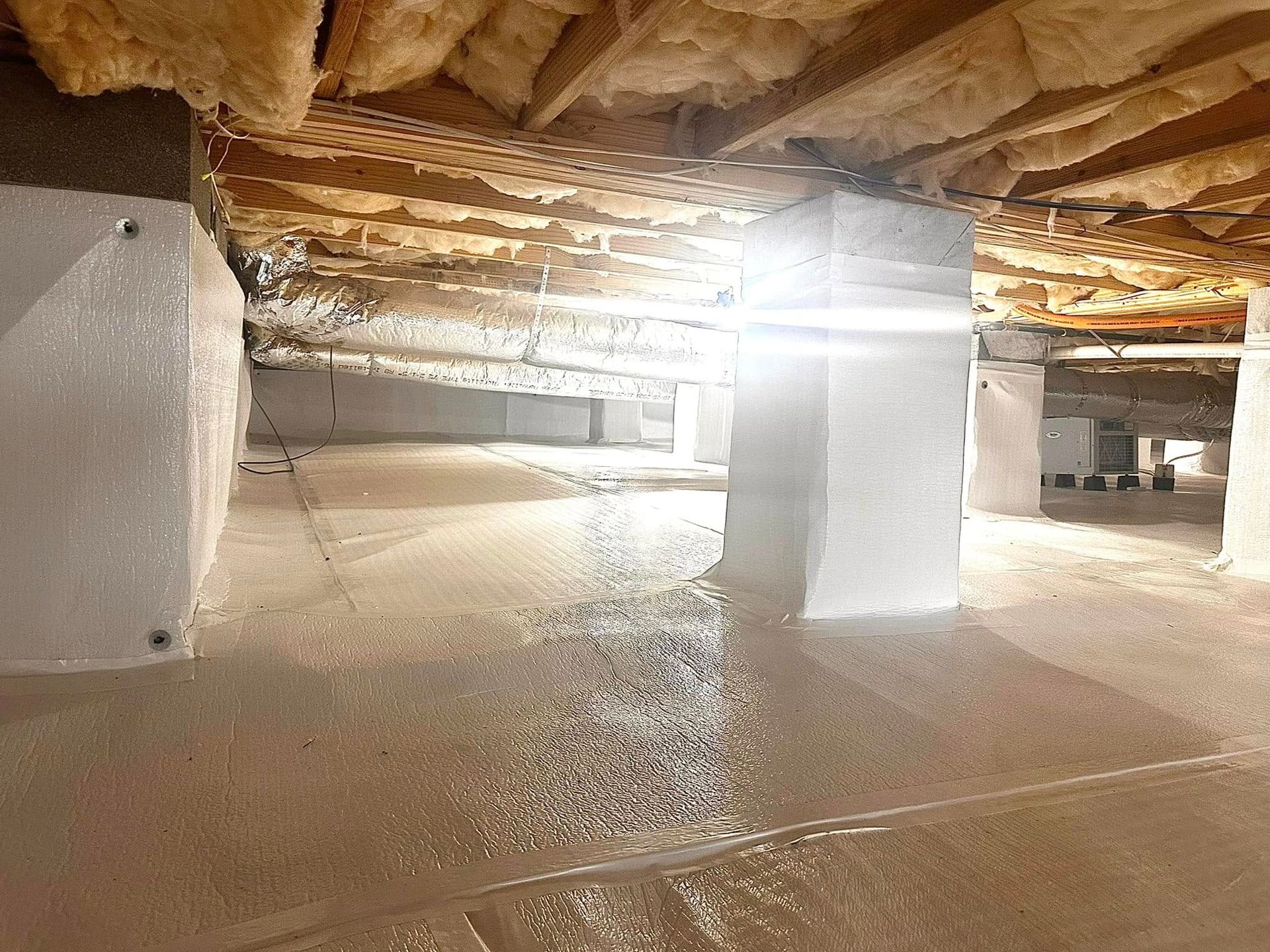
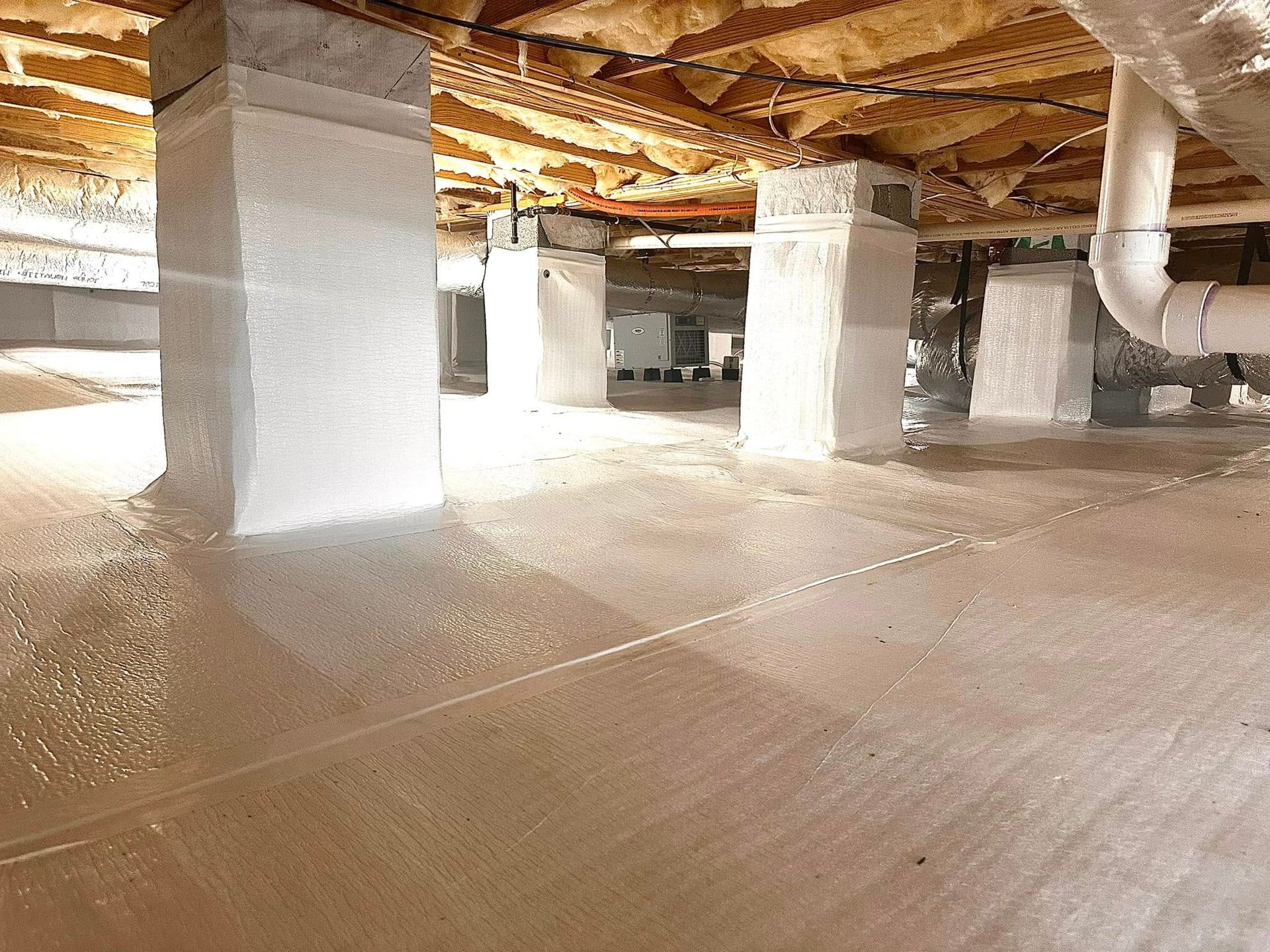
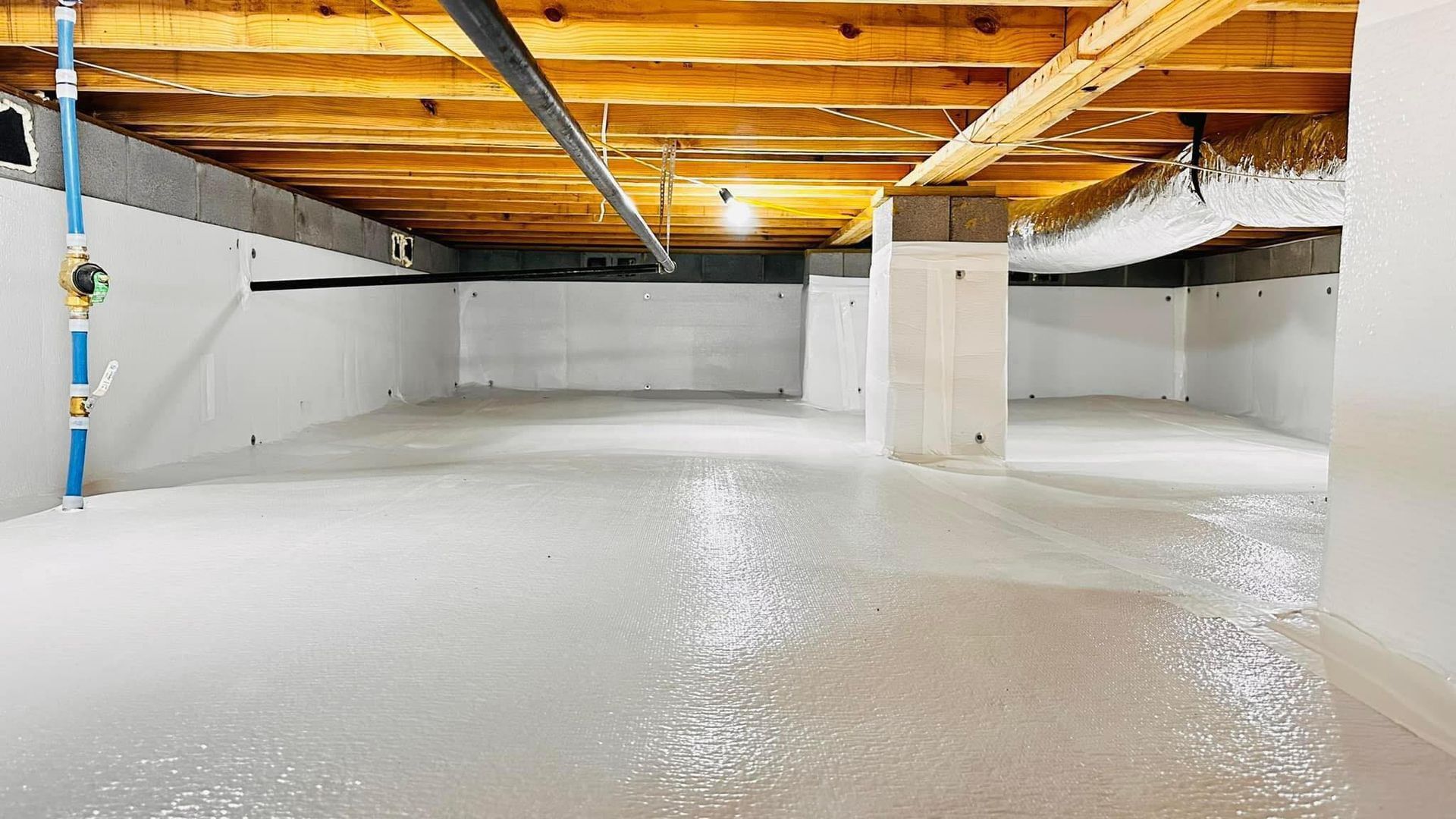
The fix is a vapor barrier — a liner that goes directly over the soil to block that moisture from rising. But the quality of that liner matters. A thin, cheap barrier won't hold up. And a barrier alone won't solve the problem if any of the other four sources are still active.
Exterior Water Getting In
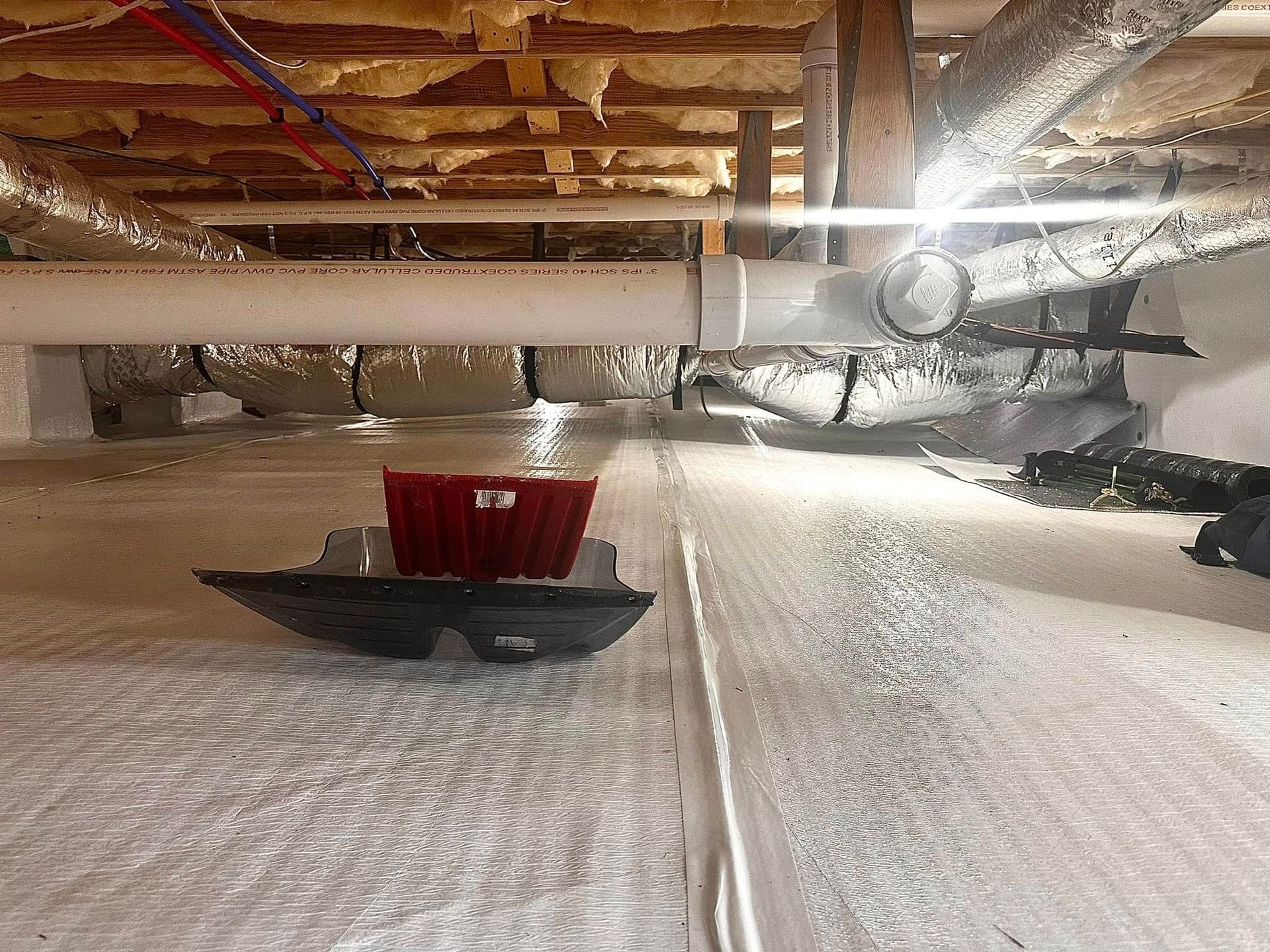
This one is about what's happening on the outside of your foundation. If the ground around your house slopes toward it instead of away from it, water from rain and runoff is draining directly toward your crawl space. It finds cracks in your foundation, gaps around pipes, anywhere it can get through — and it gets through.
This is a different problem than ground moisture. Ground moisture is passive and constant. Exterior water intrusion is event-driven — it gets worse every time it rains hard.
If this is your source and someone just puts down a vapor barrier, your crawl space is going to be wet again after the next storm. The grading around your foundation matters. So does the condition of your foundation walls.
Air Through the Walls
Your crawl space walls aren't airtight. There are gaps, cracks, and openings that let outside air push through. In Nashville, our summers are hot and humid. When that warm, humid air hits the cooler surfaces inside your crawl space — your liner, your joists, your ductwork — it drops its moisture right there.
This is a humidity problem, not a water problem. But the damage it causes is just as real. Mold doesn't need standing water to grow. It needs humidity above a certain level, and air infiltration through the walls can get you there fast.
Sealing the walls is part of a proper encapsulation job. If that step gets skipped, you're leaving one of the five doors open.
Air Through the Vents
A lot of older homes in Nashville were built with vented crawl spaces. The idea was that outside air flowing through vents would keep things dry. It made sense at the time. But we know now that it usually makes things worse.
In the summer, you're pulling that same hot, humid outside air directly into the crawl space through the vents. It hits cool surfaces and sweats. In the winter, cold air coming through those vents drives down the temperature of your floors and makes your HVAC system work harder than it needs to.
Most encapsulation jobs include closing off those vents. But if a contractor leaves them open — or doesn't address them at all — you've got a continuous source of humid air cycling under your house year round.
Ductwork Sweat
This is the one most homeowners have never thought about and honestly the one that surprises people the most when I point it out.
Your HVAC ductwork runs through your crawl space. In the summer, that ductwork is carrying cold air. When cold ductwork sits in a warm, humid crawl space, it sweats — just like a cold glass of water on a hot day. That condensation drips right onto your liner, your insulation, and your floor joists.
If your ductwork is old, uninsulated, or has gaps where sections have separated, this problem gets significantly worse. You're not just dealing with surface sweat — you're also losing conditioned air into the crawl space, which drives up your energy bill on top of the moisture damage.
This source often gets missed entirely because it requires someone to actually look at the condition of the ductwork during the inspection — not just check moisture levels and move on.
Why This List Matters Before You Get a Quote
Here's the real takeaway.
Every one of these five sources can exist in the same crawl space at the same time. And a proper diagnosis means identifying which ones are active before anything gets proposed.
If a contractor walks under your house, takes a few photos, and hands you a quote without explaining which of these five they found — ask them. If they can't answer that clearly, you don't have a diagnosis. You have a sales pitch.
A vapor barrier is not a solution to exterior water intrusion. Closing vents doesn't fix ductwork sweat. The right fix depends entirely on knowing what you're actually dealing with.
That's what a thorough inspection looks like. That's what you should expect before you sign anything.

Have Questions About Your Crawl Space?
I've been doing this in Nashville for over a decade and I inspect every job personally.
If you're not sure what's going on under your house — or you want a second opinion on a quote you already got — reach out. I'm happy to talk it through.
No pressure. Just straight answers.