The Incentive Problem Behind Every Bad Seller-Side Crawl Space Repair
Introduction
The Crawl Space Was “Fixed.” But Was It Done Right?
ASK WHO DID IT AND WHY THEY WERE HIRED
If a seller tells you the crawl space has been fixed before closing, your first question shouldn't be "what did they fix?"
It should be "who did they hire — and why?"
Because those two things will tell you everything about whether the problem is actually solved or just moved out of sight long enough to close the deal.
What Happened on This Job
A seller's realtor hired a handyman to handle crawl space remediation and vapor barrier installation before closing. The invoice was $5,600. On paper, the job was done.
Here's what was actually done:
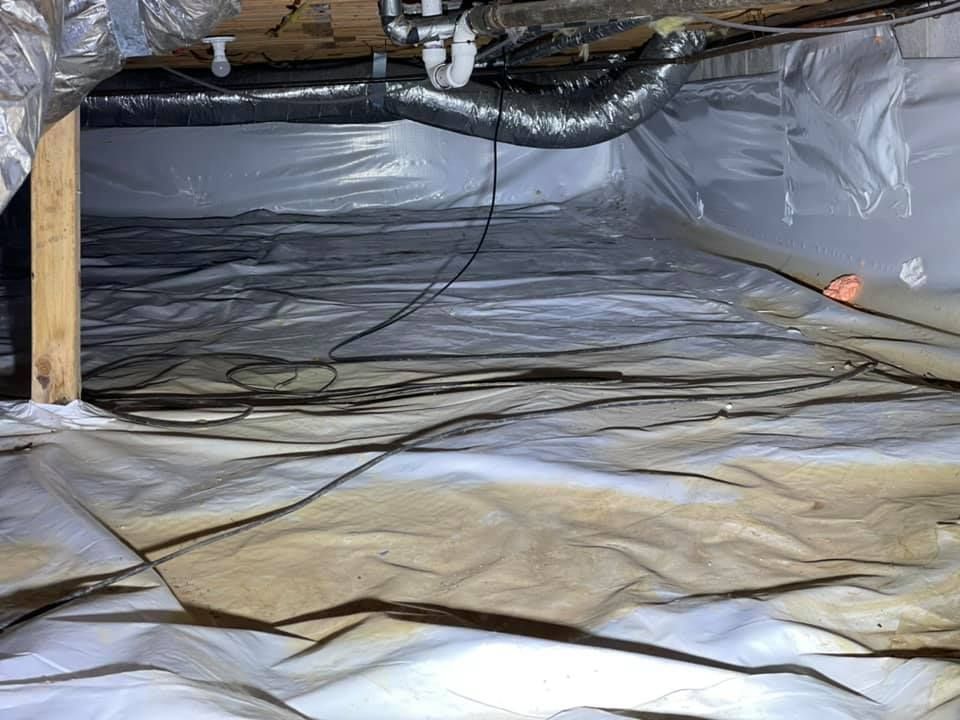
Vapor barrier was laid in the sections of the crawl space you could see from the entrance. The front half of the house — the part you had to physically crawl to — wasn't touched. No barrier. No treatment. Nothing.
The handyman also sprayed Kilz paint on some of the floor joists and the bottom of the foundation wall. But again, only from the entrance. Only what was visible without going further in.
The buyer had no idea.
They saw a receipt. They saw a number. They assumed the problem was handled. They closed on the house.
Why This Happens — The Incentive Problem
This isn't really a story about a bad handyman. It's a story about incentives.
When a seller hires a contractor to fix something before closing, think about who benefits from that repair:
The seller needs the deal to close. The seller's realtor needs the deal to close. The contractor gets paid regardless of whether the job is done right.
Nobody in that transaction is looking out for the buyer.
The seller isn't trying to protect the person moving in. They're trying to remove an obstacle between them and their check. So they hire whoever gets it done fast and cheap. They don't verify the work. They don't go under the house themselves. They take the invoice and hand it to the realtor.
The realtor passes it along. The buyer sees a dollar amount and assumes that dollar amount represents a real solution.
It often doesn't.
The Handyman Problem
Handymen are useful for a lot of things. Crawl space remediation isn't one of them.
This isn't about disrespecting someone's hustle. It's about expertise. Crawl space work is a specialty. There are specific materials, specific methods, and specific standards that a real job has to meet. A handyman who doesn't do this for a living doesn't know what those standards are — and more importantly, nobody is checking whether they met them.
A crawl space expert knows what the far corner of the house looks like. They know you can't call a job done from the doorway. They know that spraying Kilz paint over a moisture problem isn't remediation — it's a cover-up that buys you maybe one season before the problem comes back worse.
A handyman doing his first crawl space job doesn't know any of that. Or if he does, he's betting you won't find out.
What Kilz Paint Is — And What It Isn't
This detail matters, so it's worth slowing down on.
Kilz is a primer and sealer. It's used to cover stains and block odors. It is not a mold remediation product. It is not an industry-approved treatment for biological growth in a crawl space.
When you spray Kilz over a problem area, you're covering the visual evidence. The underlying issue — moisture, organic growth, compromised wood — is still there. You've just made it harder to see.
A home inspector walking in from the entrance, looking at freshly painted joists, might not catch it. A buyer trusting a $5,600 invoice definitely won't.
That's the point.
The Pattern Is the Problem
The reason this story matters isn't because it's unusual.
It's because it's common.
Any time a seller is motivated to close and a contractor is motivated to get paid, the person with the least power in the transaction — the buyer — is the one who ends up responsible for whatever didn't get done right.
Crawl spaces make this worse because they're invisible. Nobody lives down there. Nobody checks. The work only has to look complete long enough to get past the inspection. And in a space where "looking complete from the doorway" is the standard being applied, the bar is very easy to clear.
Buyers trust the process. They trust that money changing hands means something real happened. That trust gets taken advantage of — not always on purpose, but consistently enough that you should go in with your eyes open.
What a Real Crawl Space Repair Looks Like
A legitimate crawl space job is documented from start to finish.
Before the work starts, you should see photos of the existing conditions — the whole space, not just the entrance. Every section. Every corner.
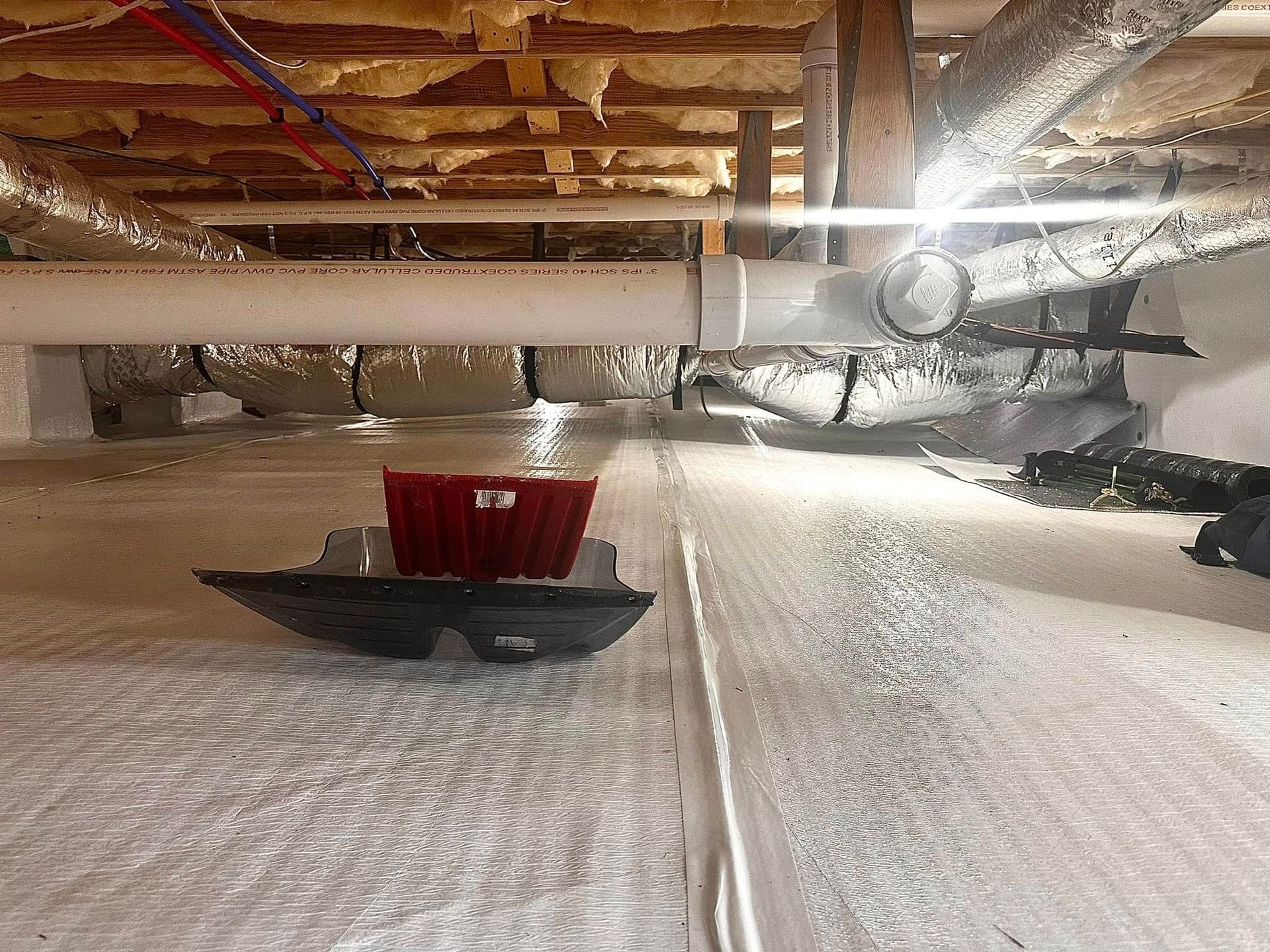
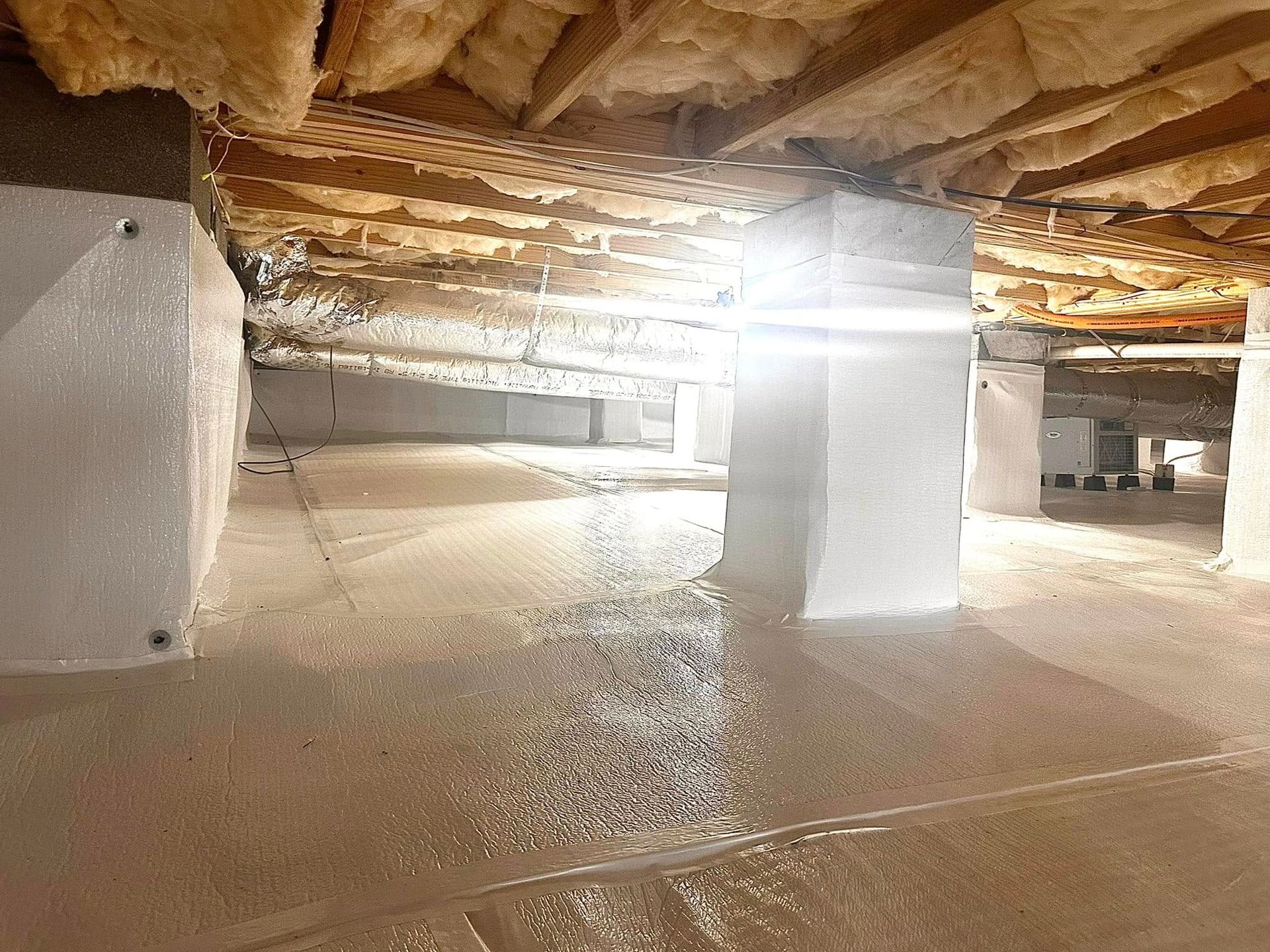
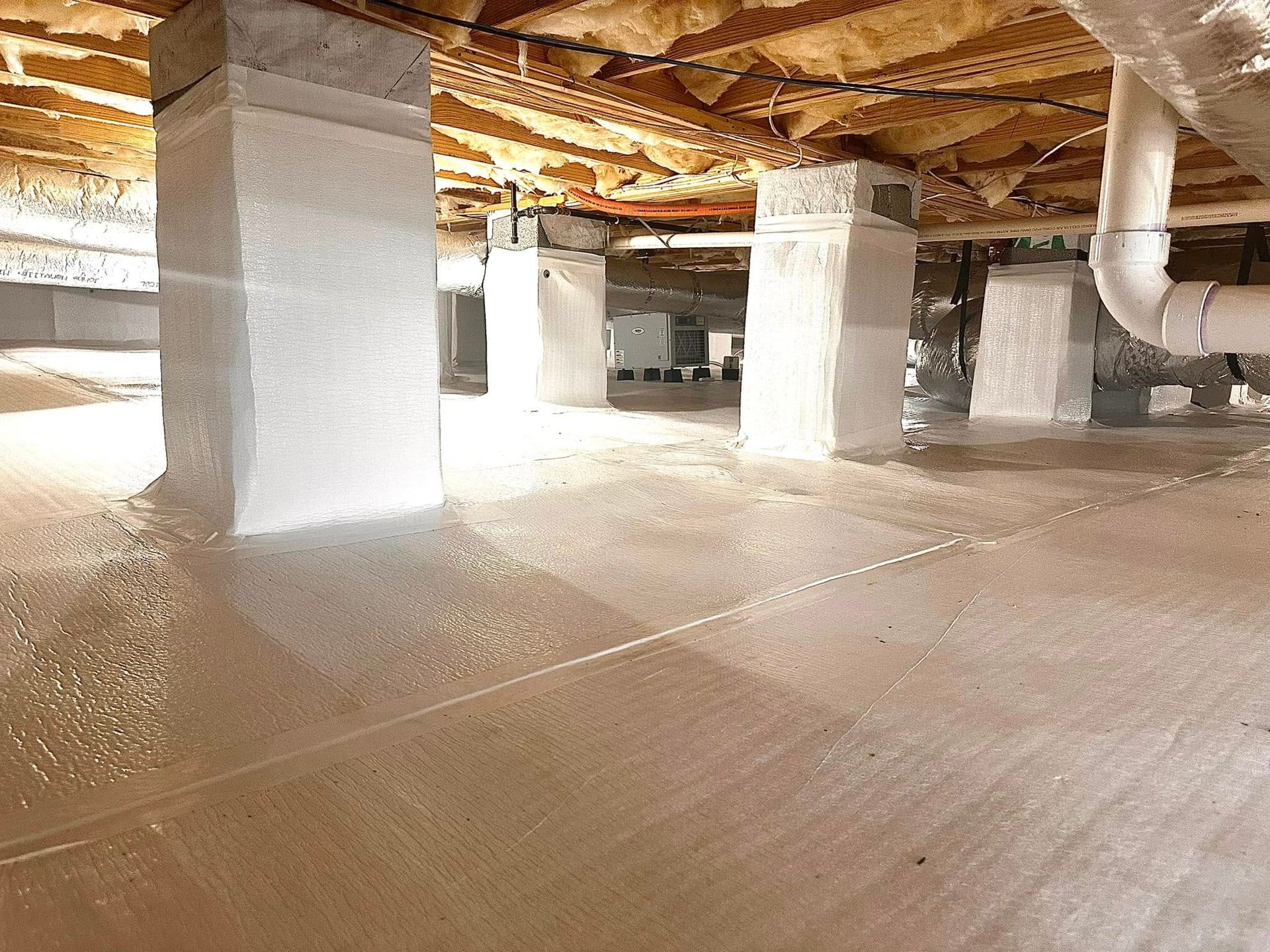
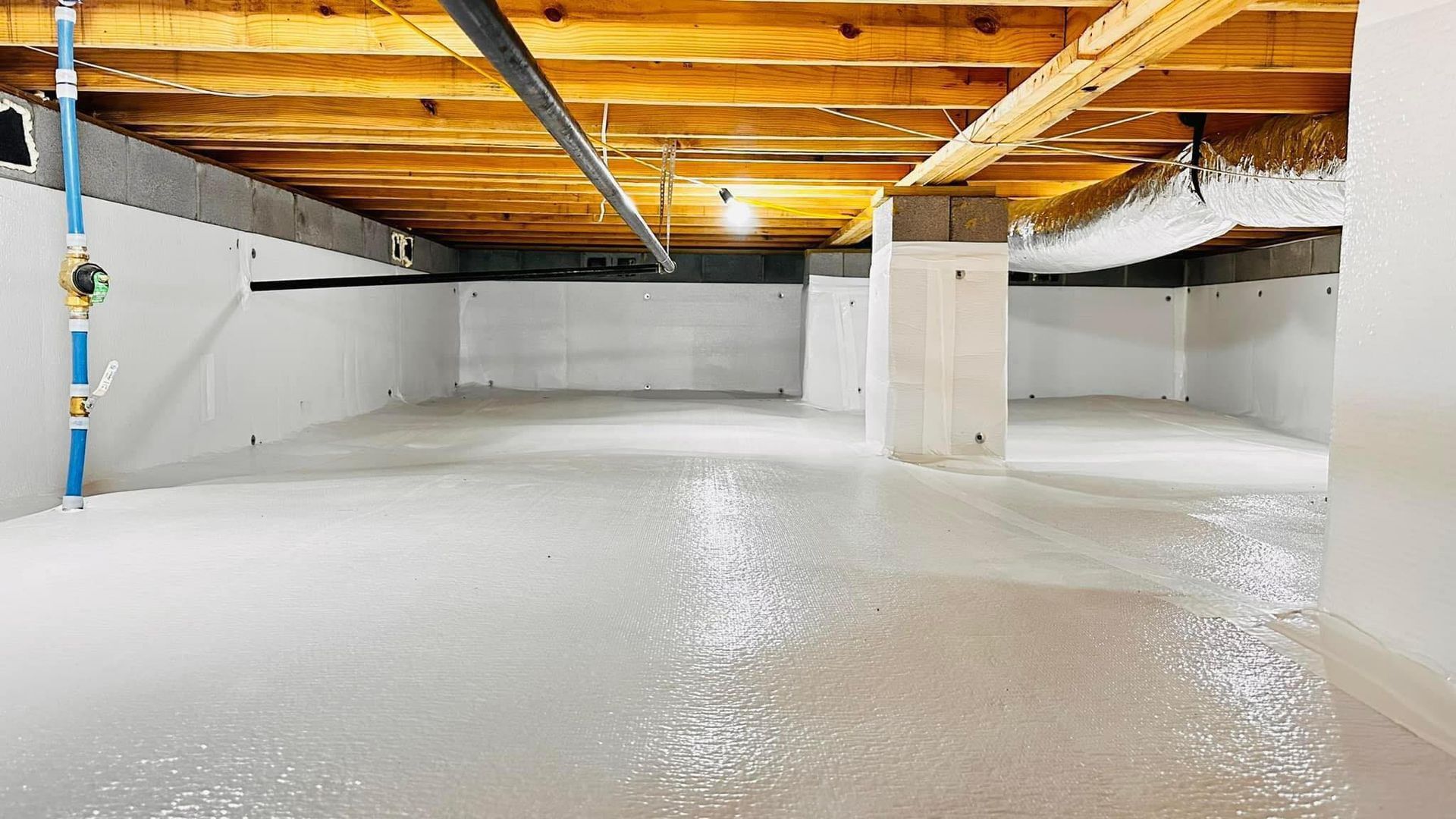
After the work is done, you should see photos of the completed installation — again, the whole space. Vapor barrier that covers the entire floor. Seams overlapped and taped. Walls lined. Mechanicals wrapped.
If remediation was part of the job, you should know exactly what product was used, where it was applied, and what standard it was applied to.
You should be able to look at the before and the after and see a clear difference everywhere — not just in the sections visible from the door.
If the contractor who did the work can't provide that documentation, the job isn't verifiable. And if the job isn't verifiable, you're taking someone's word for it.
In a real estate transaction, that's not good enough.

The Bottom Line
$5,600 changed hands on this job. The buyer got half a vapor barrier, some paint over a moisture problem, and a crawl space that still needs real work.
That's not a freak accident. That's what happens when the incentives point in the wrong direction and nobody's watching.
The seller wants to close. The realtor wants to close. The handyman wants to get paid. Nobody in that room is you — and nobody in that room is going to be living above that crawl space.
You are.
So before you sign anything, make sure you know what's actually under your house — not just what someone told you was fixed.