The Drainage Installation Mistake That Makes Your Sump Pump Useless
Introduction
Your Drainage System Can Look Right and Still Fail
INSTALLATION MATTERS JUST AS MUCH AS THE EQUIPMENT.
If you have a crawl space drainage system, you probably assume it's working. You paid for it. Someone installed it. The sump pump is sitting there. Everything looks fine.
But here's the problem. You can have every single piece of the system in place and still have a crawl space that's collecting moisture like nothing was ever installed. Not because the materials are bad. Not because the sump pump is broken. But because of one installation mistake that's more common than it should be.
First, Here's How The System Is Supposed To Work
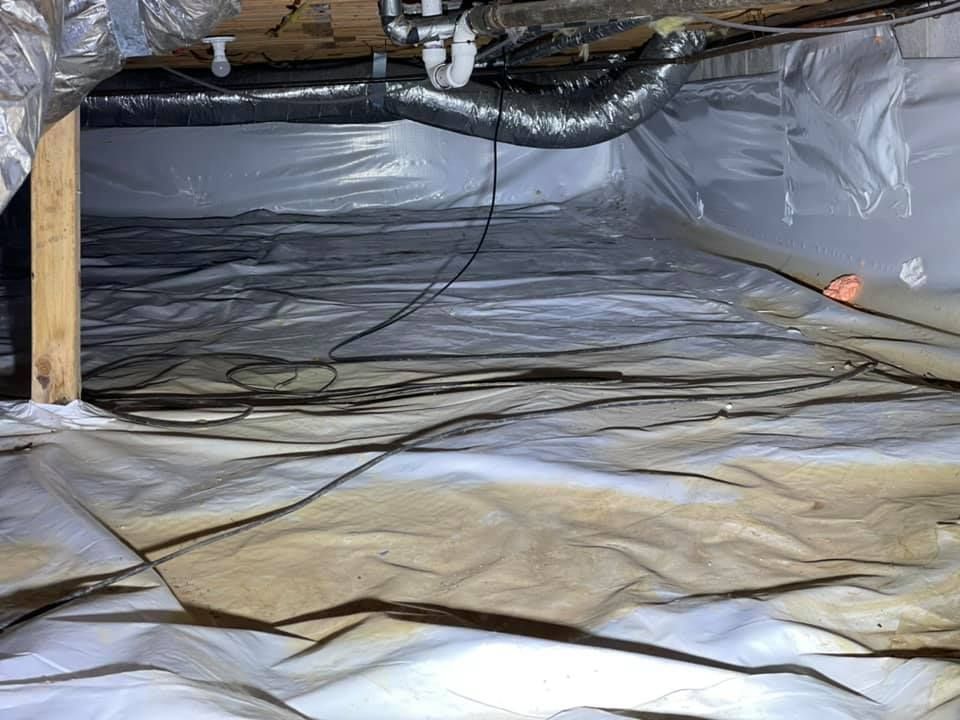
Crawl space drainage exists for one reason — to collect water that gets into your crawl space and move it somewhere safe.
The way it works is straightforward. A drainage channel gets installed along the perimeter of your crawl space floor. That channel collects water as it comes in — whether it's from rain, groundwater, or moisture coming up through the soil. The water flows through the channel and gets routed to a sump pump. The sump pump moves it out of the crawl space entirely.
That's it. Collect, route, remove.
The whole system depends on one thing being true: the drainage has to be able to collect the water in the first place.
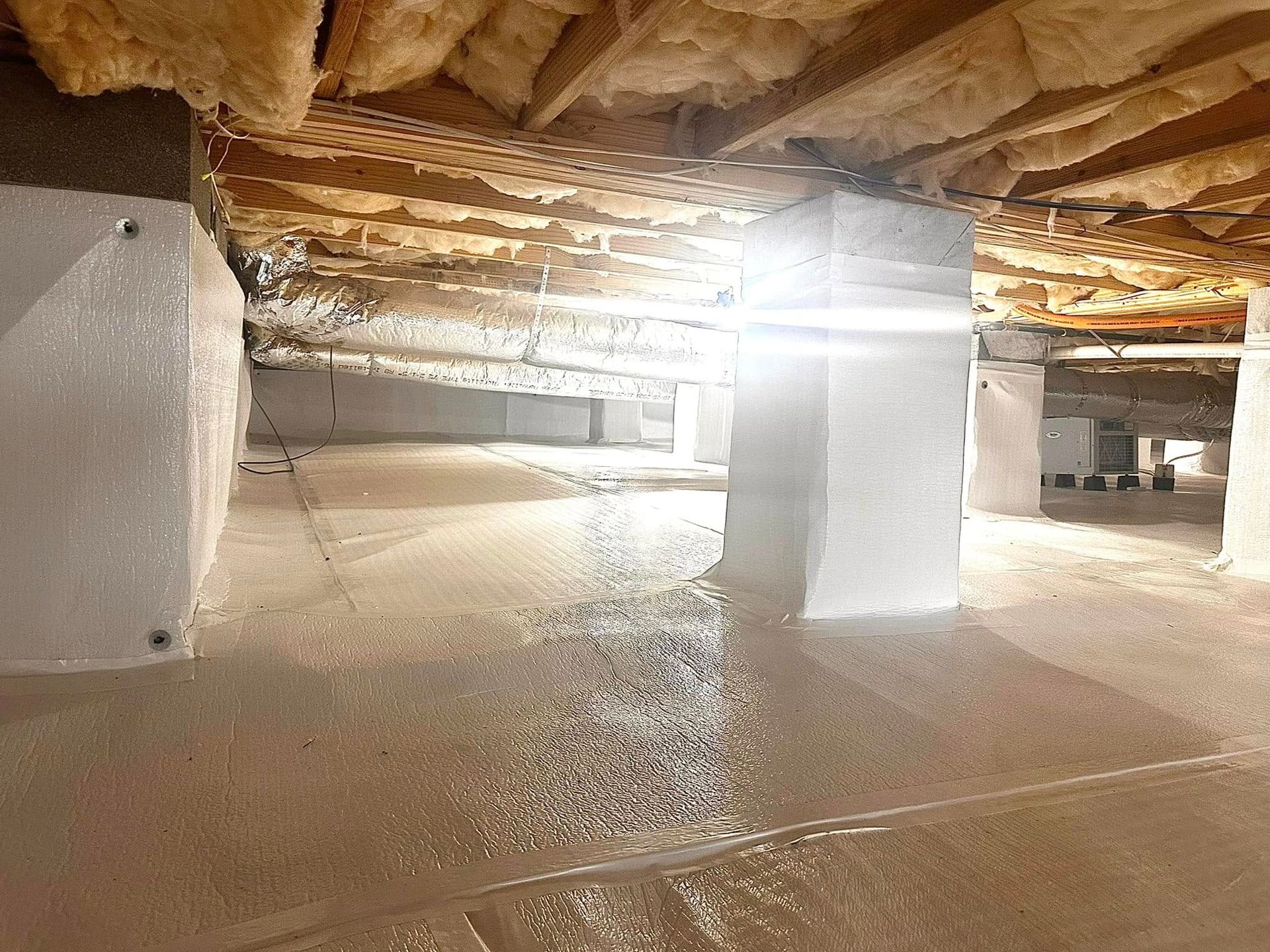
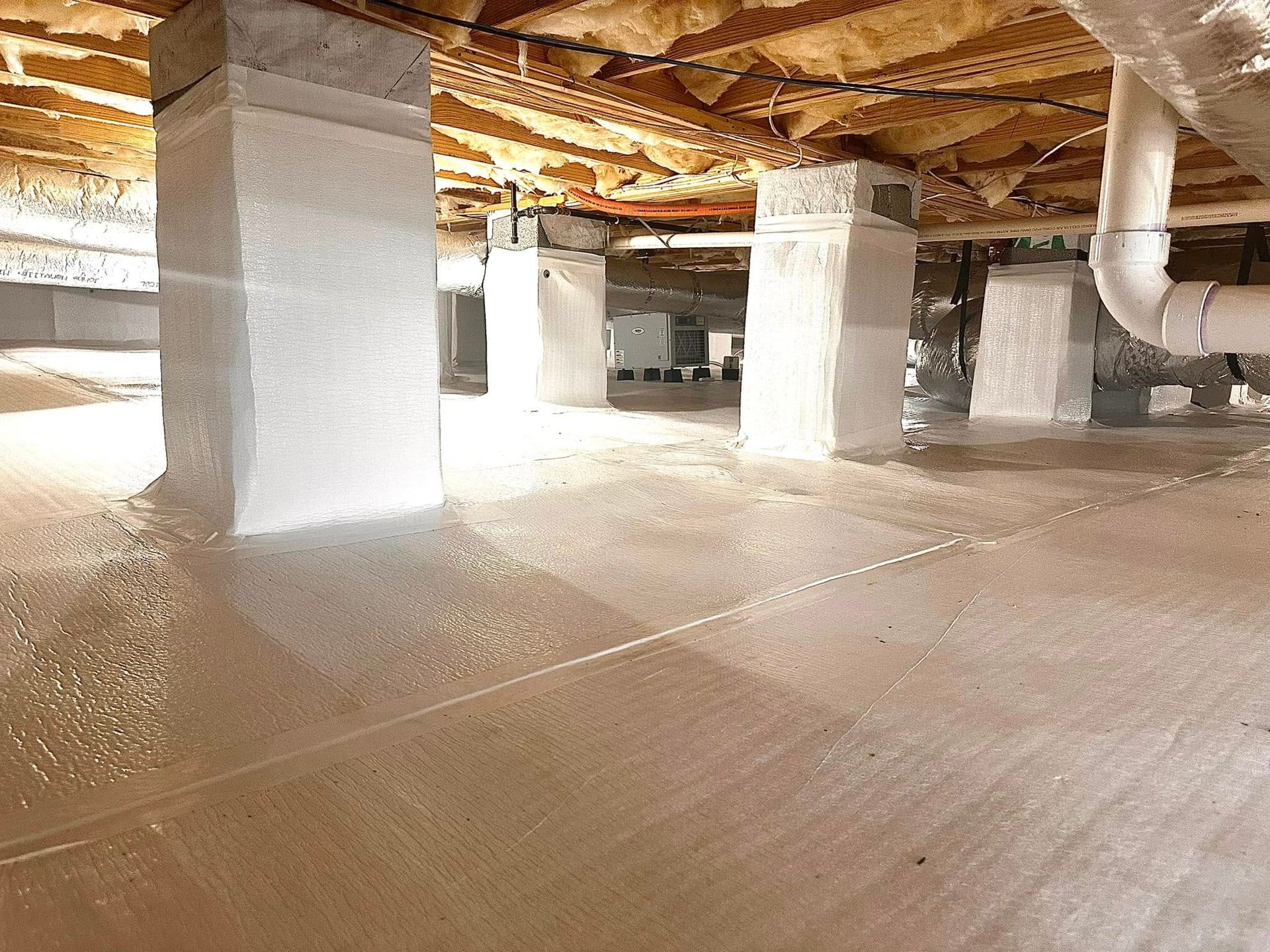
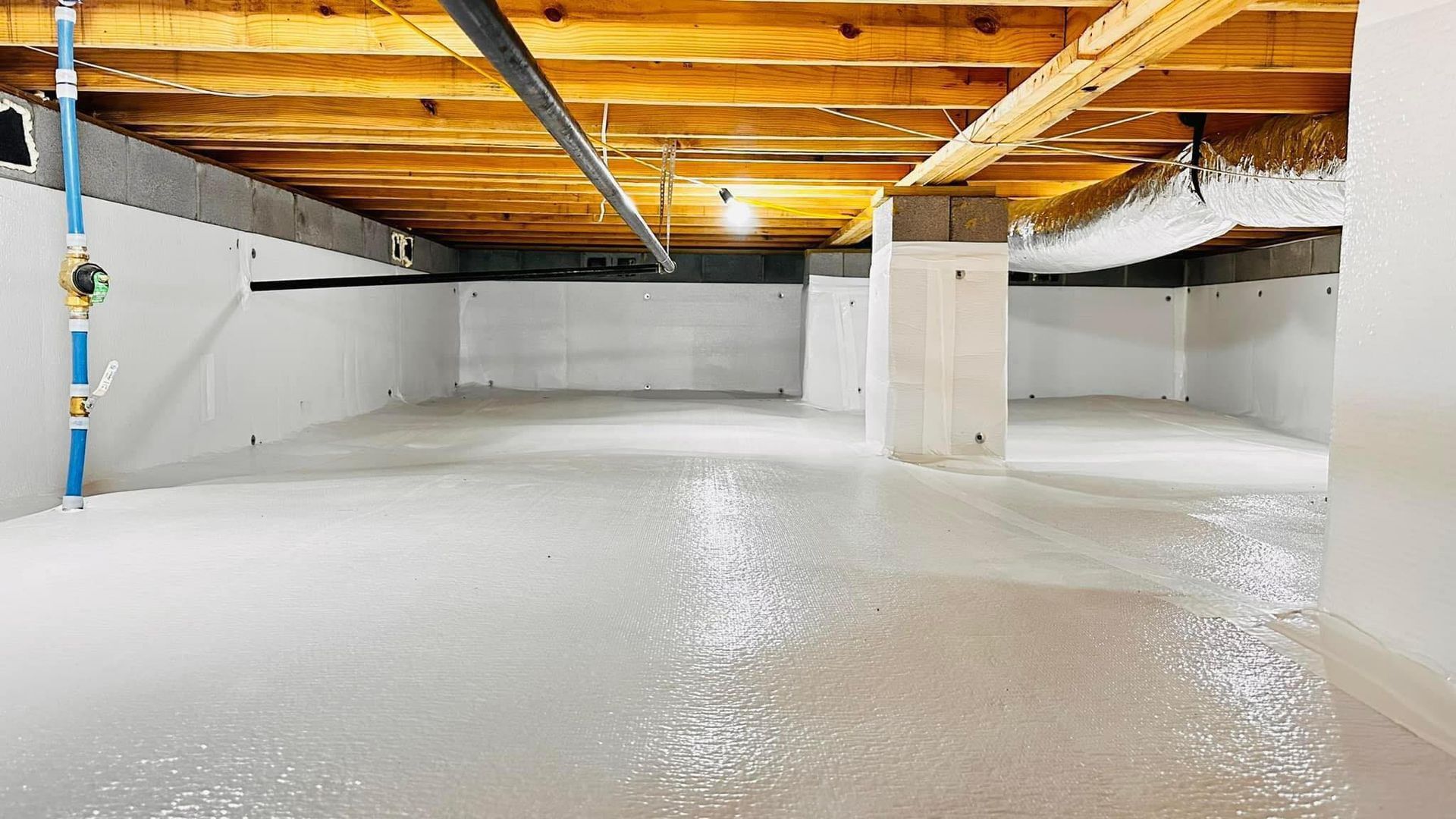
Here's Where It Goes Wrong
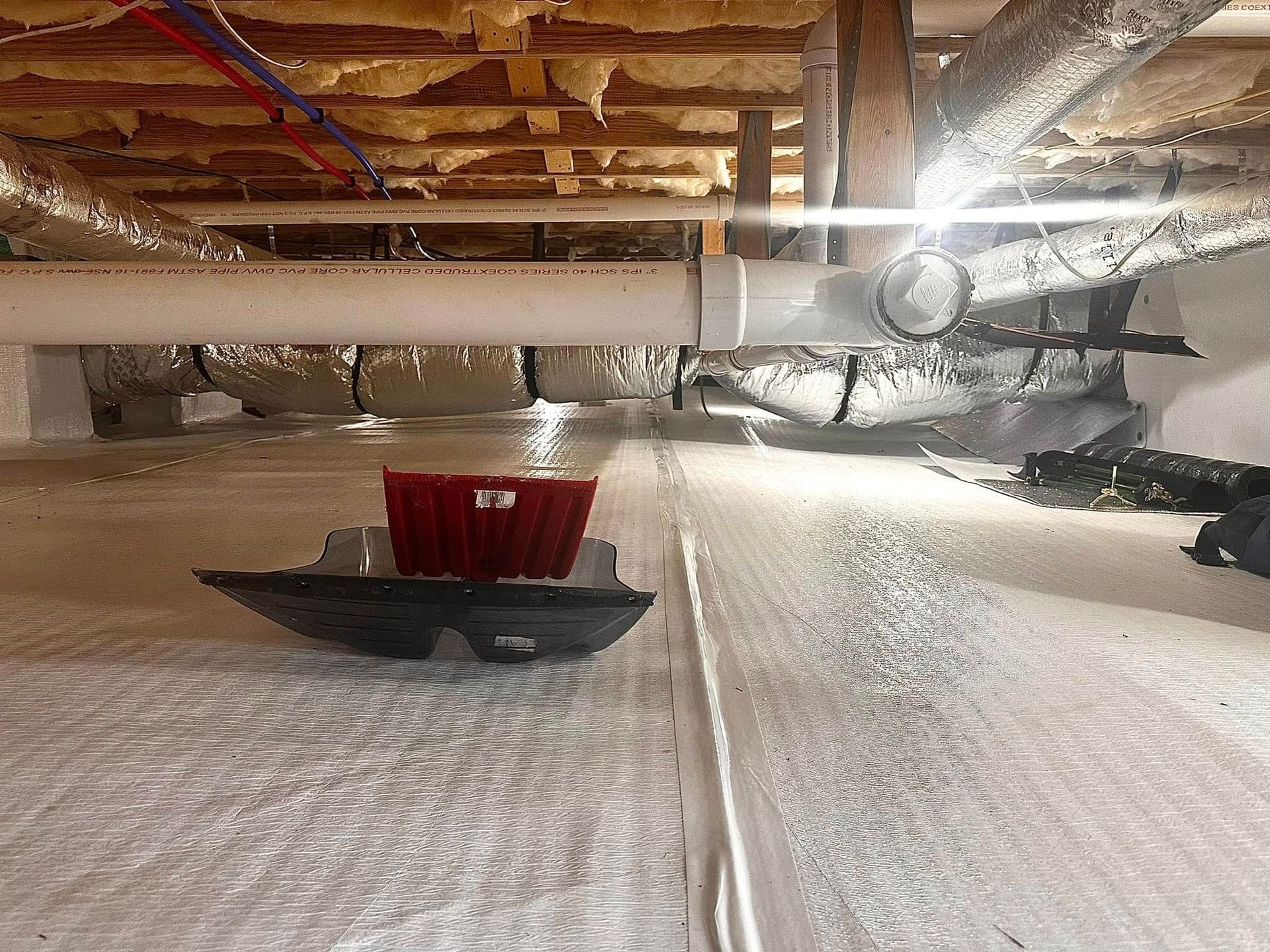
The drainage channel has to sit level with the ground — flush with the surface — so water naturally flows into it.
If the drainage is installed above the ground, even slightly, it can't collect anything. Water doesn't flow up. It flows around. So instead of getting captured by the channel and routed to the sump pump, the water just moves past the drainage system entirely and stays in your crawl space.
The channel is there. The sump pump is there. But the water never reaches either one.
Your sump pump never turns on because it never gets told to. It's just sitting there while moisture builds up around it.
What This Actually Costs You
This isn't a minor performance issue. This is a complete system failure.
Think about what you paid for. You paid for drainage. You paid for a sump pump. You may have paid for an encapsulation liner on top of that. And if the drainage was installed above grade, none of it is functioning the way it was supposed to on day one.
Meanwhile the moisture that was supposed to be removed is still there. It's still getting into your wood. Still affecting your air quality. Still creating the conditions for mold, rot, and structural damage. The encapsulation liner that was meant to last for years is working against conditions it was never supposed to face.
You won't feel it happening. You won't see it happening. Because nobody goes back under the house to check.
Why This Keeps Happening
Crawl spaces are invisible. That's the whole problem.
Once a crew finishes a job and leaves, nobody is checking their work. The homeowner isn't going under the house. The company that sent the crew often isn't going back either. So a drainage channel that's sitting an inch above the ground looks exactly the same as one that's installed correctly — until years later when the damage shows up and nobody can explain why.
This is why it matters who you hire. Not just whether they have good reviews, but whether someone with actual authority is inspecting the job after it's done.
What Correct Installation Looks Like
When drainage is installed right, it sits flush with the crawl space floor. You're creating a real channel — a path that water will naturally follow. From the moment it enters the crawl space, water has somewhere to go. It moves through the channel, reaches the sump pump, and gets pushed out.
The sump pump activates when it's supposed to. The system runs the way it was designed to. And your crawl space stays dry without you ever having to think about it.
What To Ask Before You Pay For Anything
If you're shopping for a crawl space drainage system right now, ask the contractor one simple question before you sign anything:
How do you install the drainage — flush with the ground or on top of it?
Any contractor who knows what they're doing will not only give you the right answer. They'll be glad you asked.
If you already have a drainage system installed and you're not sure whether it was done correctly, ask someone to go back under the house and check. You want to see that the drainage channel sits level with the ground and that there's a clear path from the channel to the sump pump.
If it's sitting above the ground, you don't have a working drainage system. You have the appearance of one.

Make Sure Your System Actually Works
At Crawl Logic, every job gets a post-installation inspection before the customer pays a single dollar. We go back under the house, we document what we find, and we make sure the system is actually functioning — not just installed. Because a drainage system that doesn't drain isn't worth what you paid for it.
If you've got questions about your crawl space or you want someone to take a look, give us a call. We'll tell you exactly what's going on down there.