Extension Cords in Your Crawl Space Are a Fire Hazard
Introduction
Your Crawl Space Shouldn’t Be Powered Like This
EXTENSION CORDS ARE NOT A PERMANENT ELECTRICAL SOLUTION.
Most homeowners never go into their crawl space. It's dark. It's low. It's dirty. And once the job is done, there's really no reason to go back down there.
That's exactly the problem.
What We Found Under This House
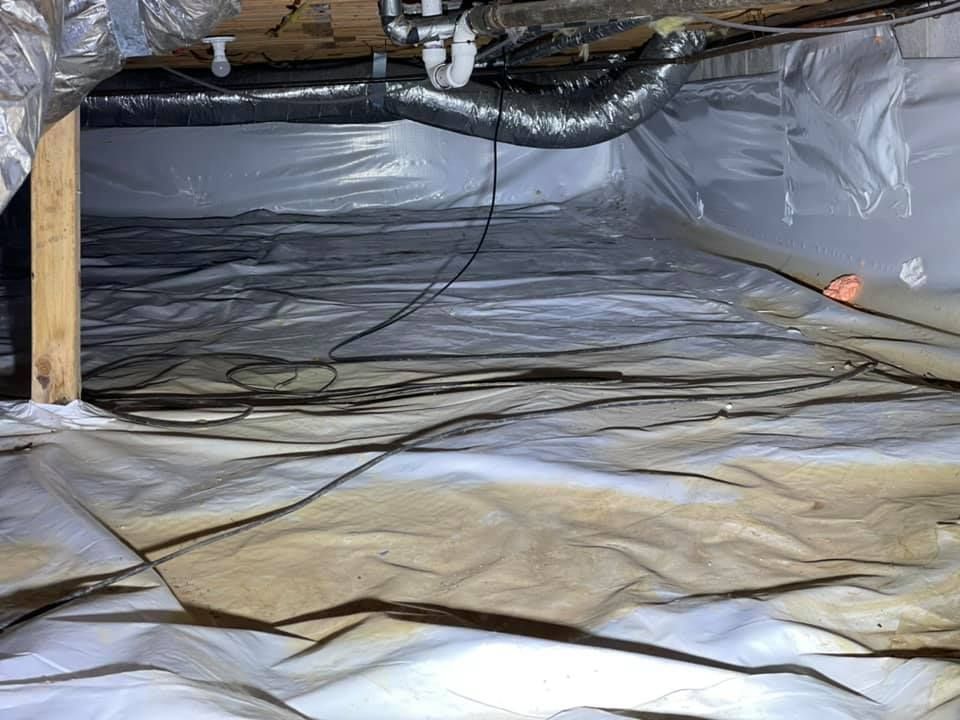
A homeowner hired a big corporate crawl space company to do a full encapsulation. Sump pump. Dehumidifier. The works. The crew came out, did the install, and left. The check cleared. Job done.
Except it wasn't.
When we got under that house, every single piece of equipment was running off an extension cord. The sump pump. The dehumidifier. All of it. Just plugged into extension cords snaking in from somewhere else in the crawl space.
That's not a minor detail. That's a fire hazard sitting underneath someone's home.
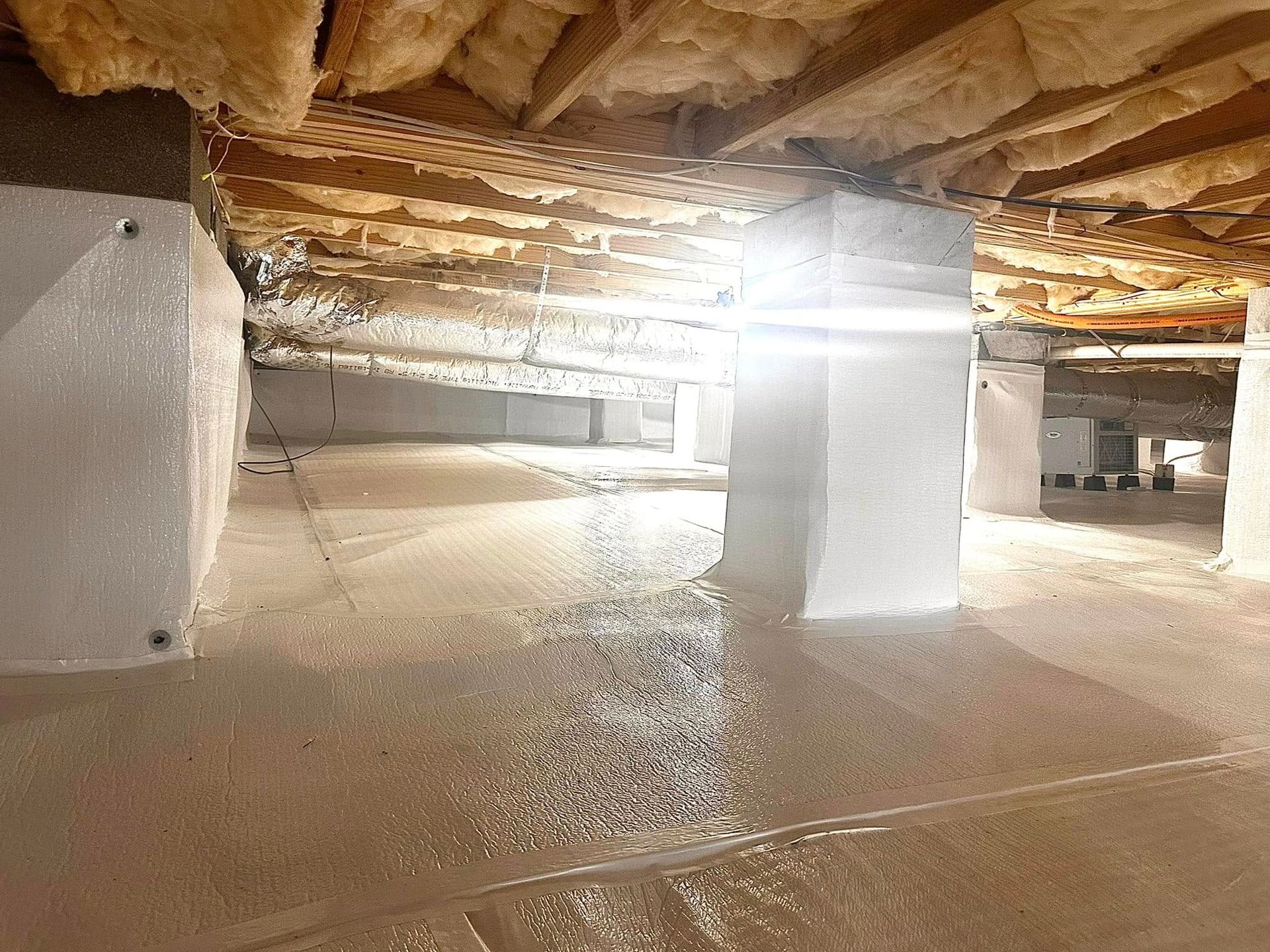
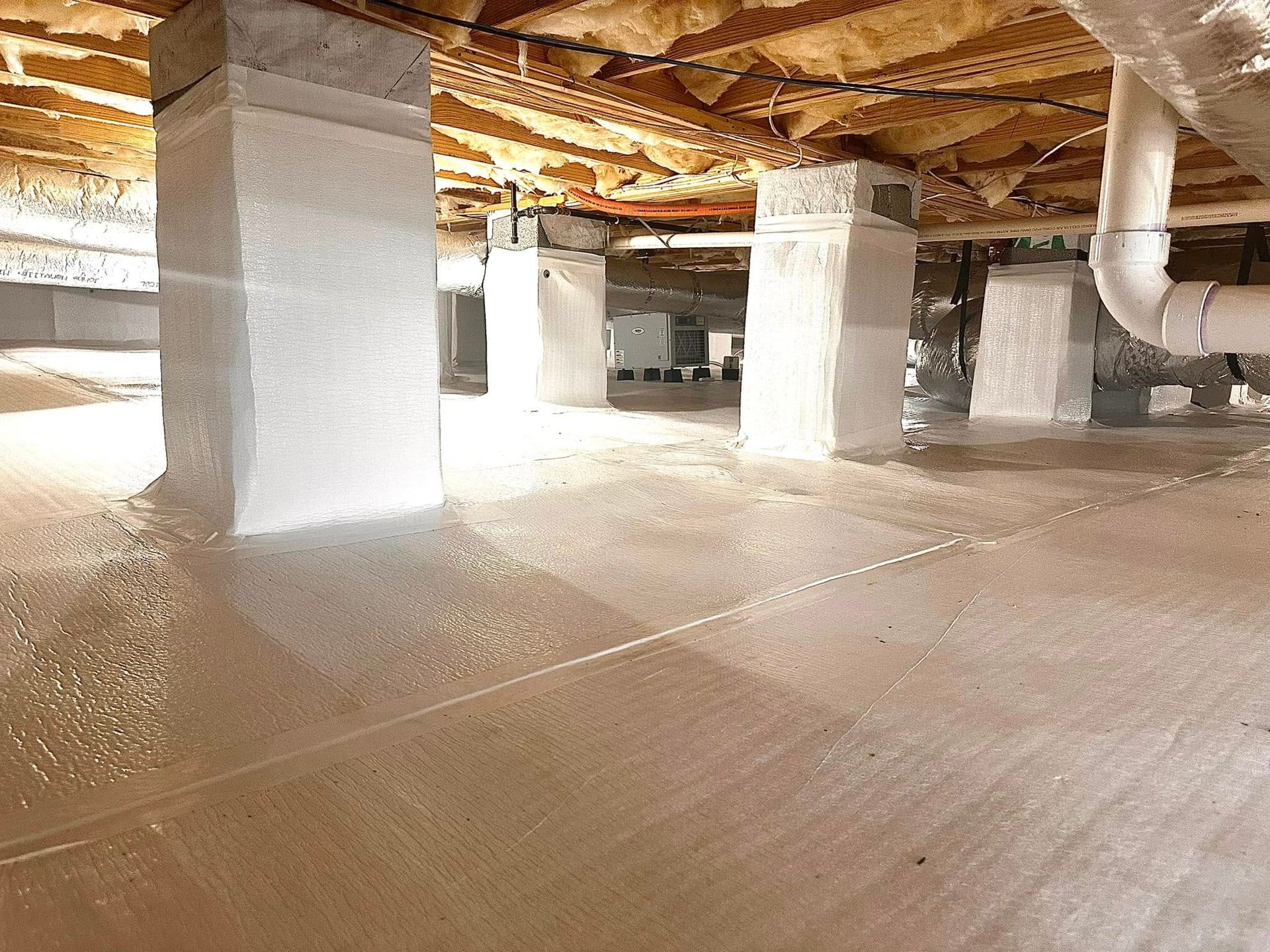
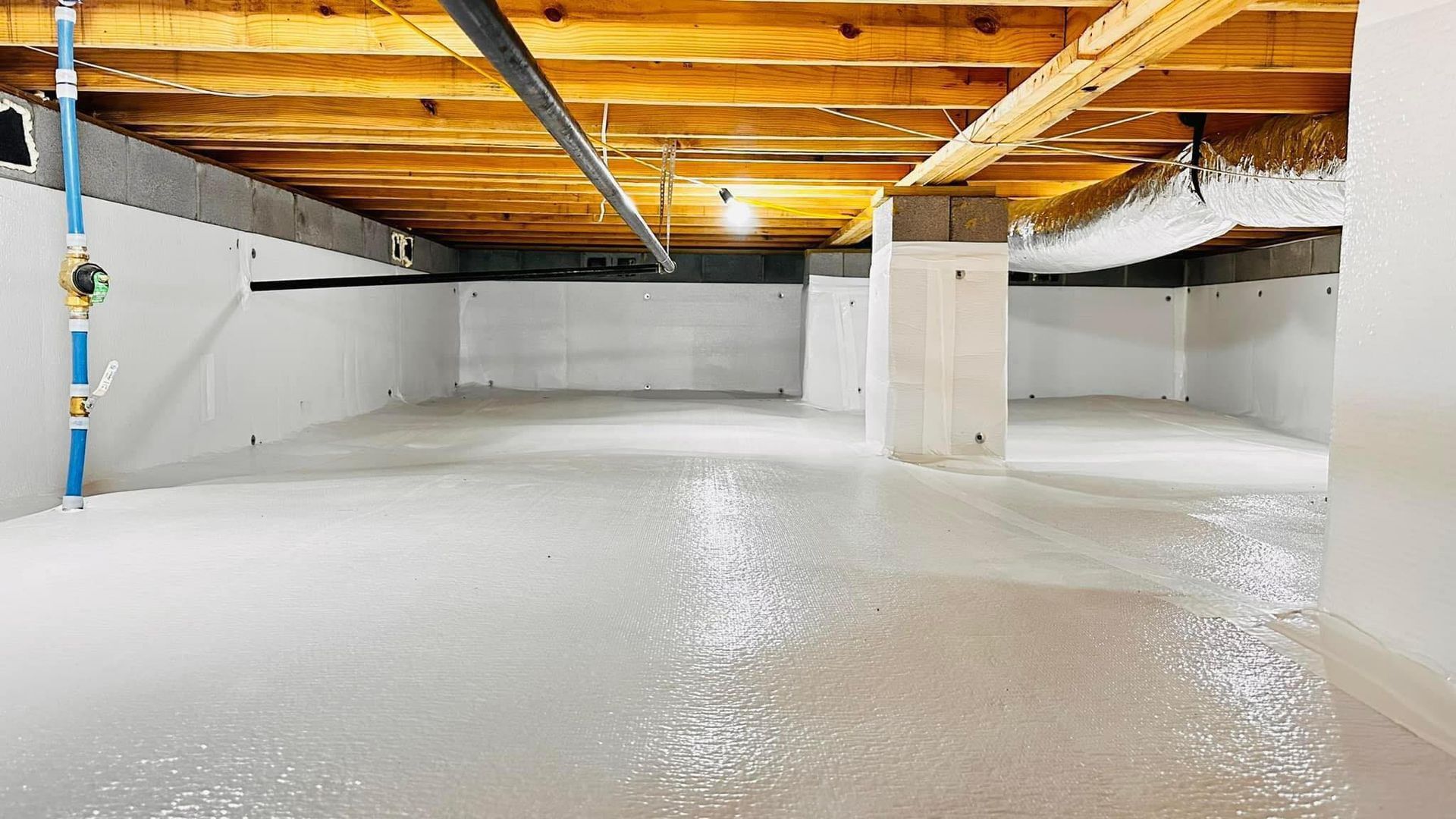
Why Extension Cords Are a Problem Down There
Extension cords are not built for permanent use. They're not rated for it. That's not an opinion — that's why electrical code requires a dedicated circuit for equipment installed in a crawl space.
A dedicated circuit means its own outlet, wired specifically for that equipment. Not a cord running to wherever the nearest plug happens to be.
In a crawl space, the stakes are higher than in most places. It's an enclosed space. It's often humid. Air doesn't move through it the way it does in a room above ground. If something goes wrong electrically down there, it can go wrong for a long time before anyone notices.
By then it's not an electrical problem anymore.
How This Happens
This is the part worth understanding.
When a big corporate company sends a crew to your house, there are a lot of moving parts. A salesman who closed the deal. A foreman who manages the crew. The crew itself. Maybe a separate service tech. Nobody in that chain owns the outcome the way an owner does.
Coordinating an electrician adds another layer. It means scheduling a separate appointment. It means a callback. It means the job isn't fully closed until the electrician comes out and does their part. That's friction. That's time. That costs money.
So sometimes they skip it. They run extension cords, mark the job complete, collect the check, and move on to the next one.
The crew gets paid. The salesman gets his commission. And nobody goes back under the house to check.
The Assumption That Makes This Possible
Here's the thing most homeowners don't realize they're doing.
When a company comes out, does the work, and leaves — we assume the job was done correctly. That assumption makes sense. You hired a licensed company. You paid good money. The equipment is installed and running. What reason would you have to think otherwise?
But that assumption is exactly what gets exploited.
Crawl spaces are invisible by design. You don't go down there. You can't see what was done or how it was done. Your only protection is trusting the company you hired — and hoping that trust was earned.
Sometimes it isn't.
The One Thing You Can Check Right Now
You don't need to be an expert to do this.
If you already have a dehumidifier or sump pump installed in your crawl space, go to your access door and look at how the equipment is powered. If you see an extension cord — an orange or yellow cord running from your equipment to somewhere else — that's worth a phone call to someone who can tell you whether it meets code.
That one check could tell you a lot about the job that was done.
What a Job Done Right Actually Looks Like
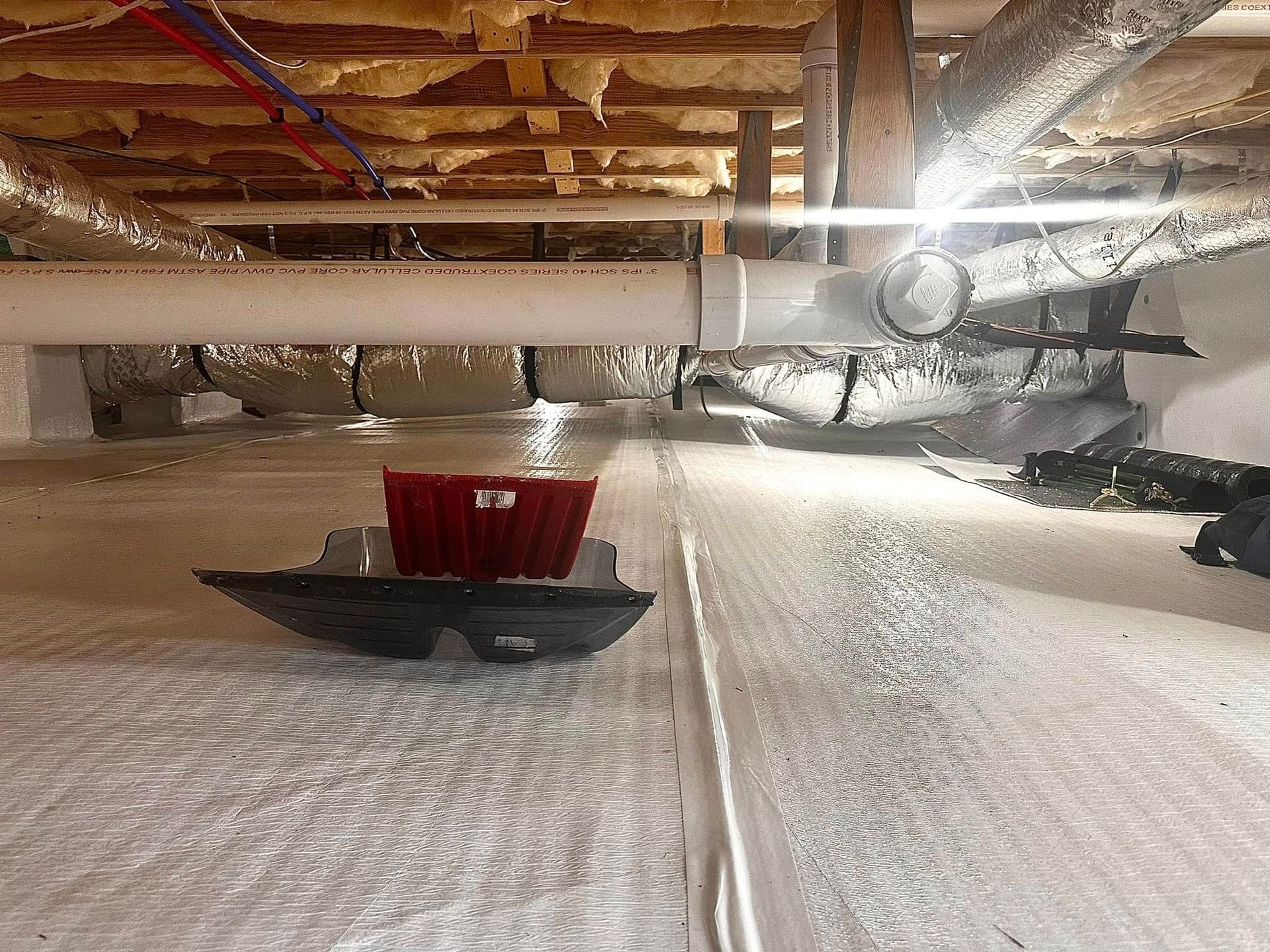
A proper crawl space installation includes coordinating an electrician to wire a dedicated circuit for every piece of equipment installed. It's not optional. It's not an upgrade. It's part of the job.
It also means someone goes back after the install to verify everything was done correctly before a single dollar changes hands. Not the crew that did the work. Not a foreman checking a box. Someone with authority and accountability who has skin in the game.
Because the homeowner in this story didn't get a bad crawl space encapsulation by accident. They got one because nobody went back to check. And because they had no way of knowing the difference.
You deserve to know the difference.

Know What’s Under Your Home
Your sump pump and dehumidifier may be running, but that doesn’t necessarily mean they were installed correctly.
Check how your equipment is powered. Ask questions about anything that doesn’t look right. And if you see extension cords being used as a permanent solution, have the setup evaluated by a qualified professional.
What’s under your house still deserves your attention.