Why the Lowest Bid Almost Always Costs More in the End
Introduction
What Happens When “Cheapest” Is the Only Standard?
A BAD ENCAPSULATION CAN HIDE THE PROBLEM INSTEAD OF SOLVING IT
When a crawl space job is done wrong, you don't always know right away.
The crew shows up. They spend a few hours under your house. They pack up their truck and hand you an invoice. You write the check and move on with your life. The crawl space looks different than it did before. Job done.
Except it isn't.
What I Found Under This House
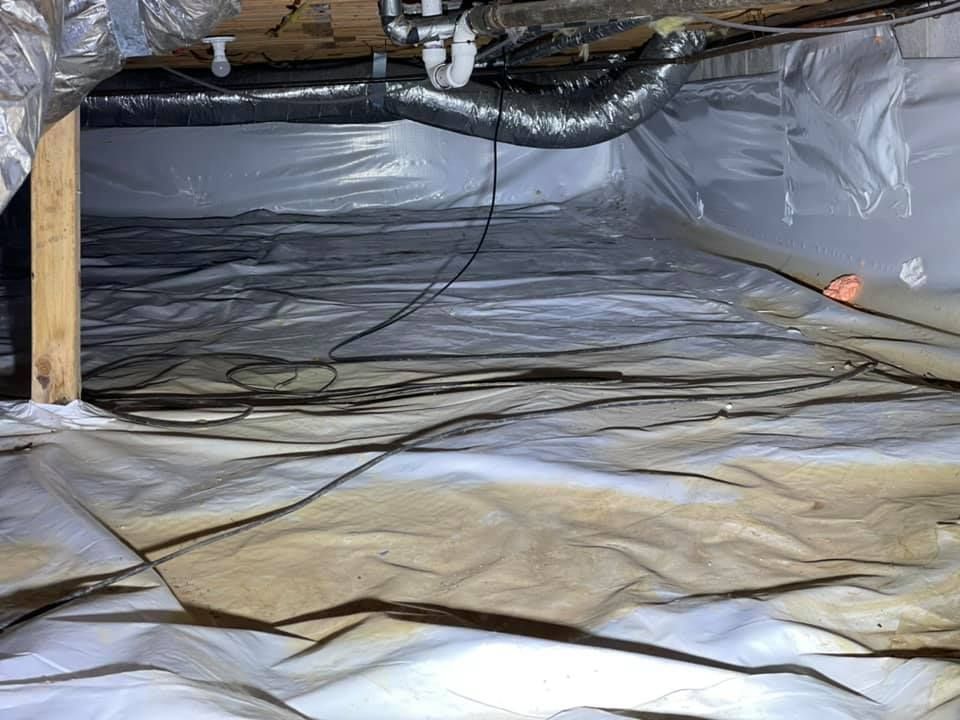
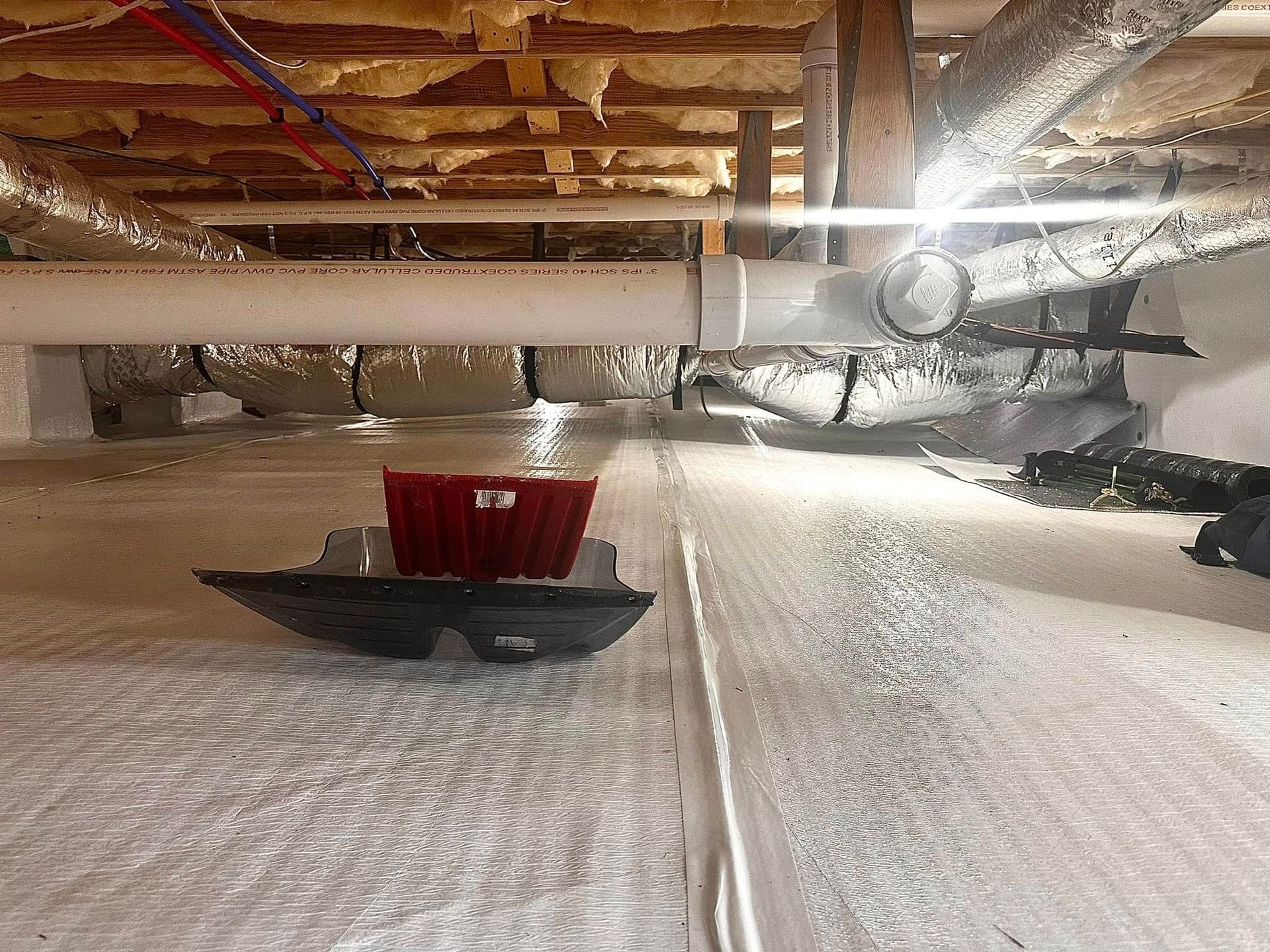
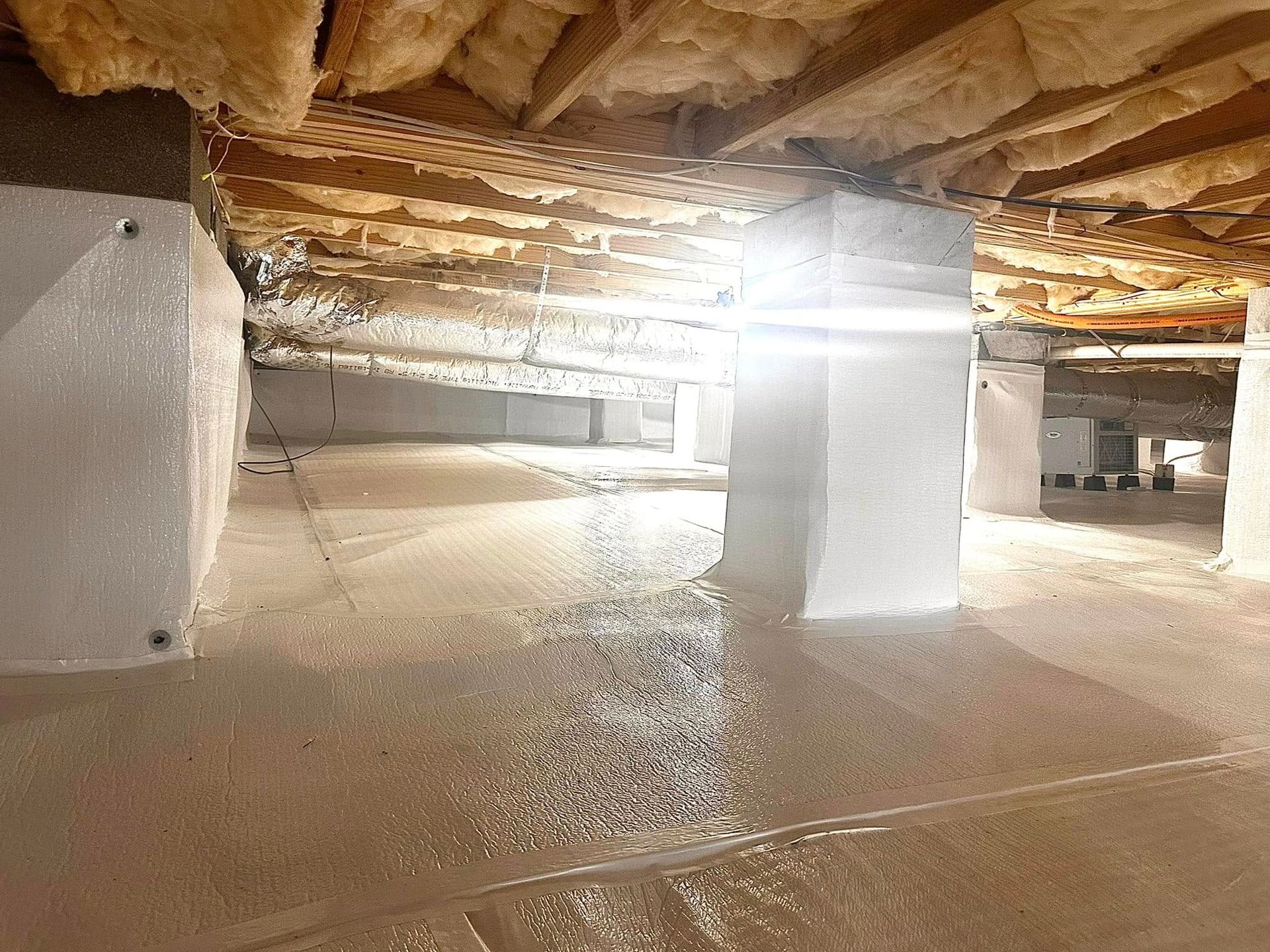
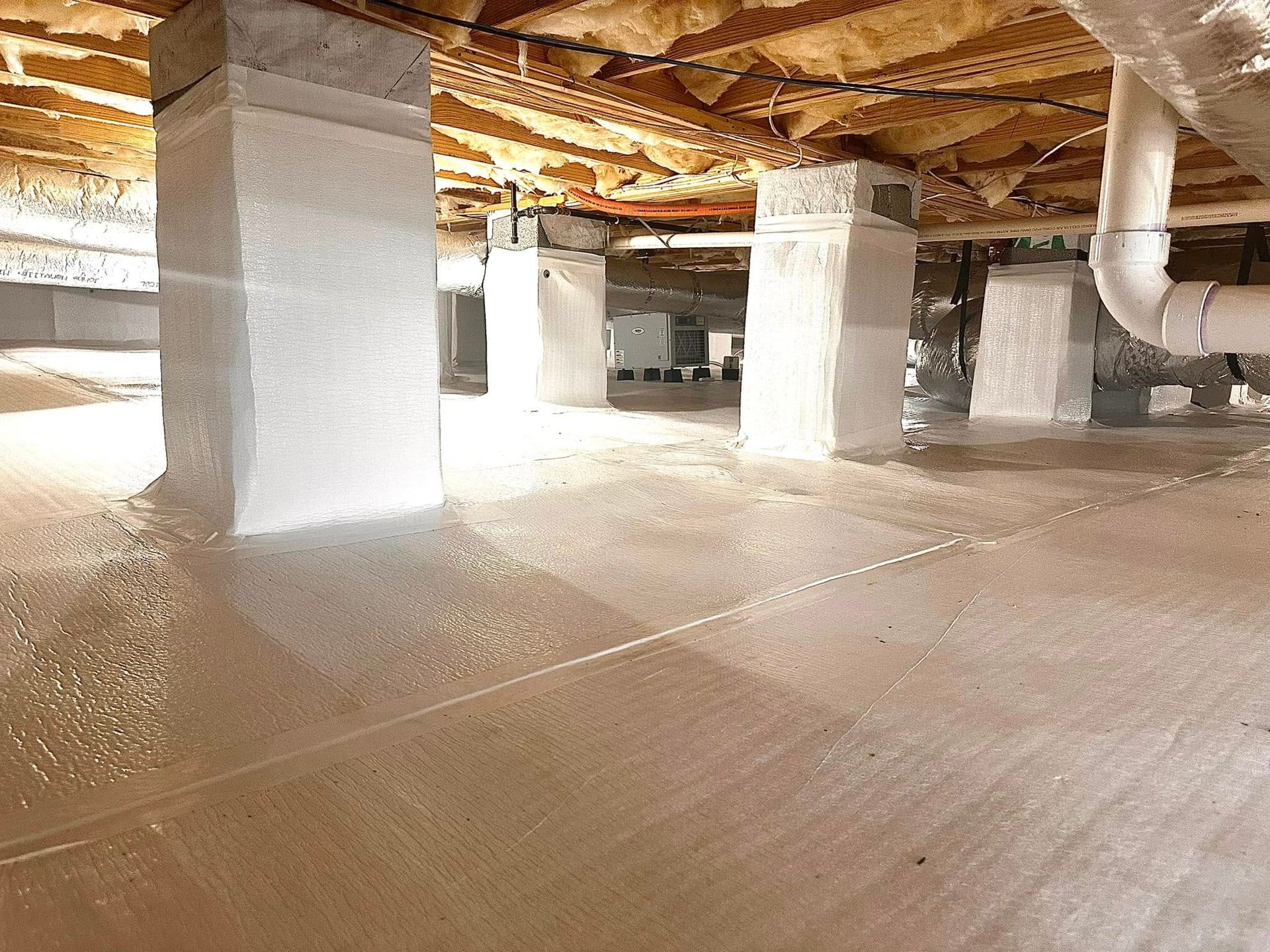
I recently walked into a crawl space that had been encapsulated by a local company. This company advertises one thing: they're the cheapest. That's the whole pitch. No talk of process. No talk of materials. No talk of what happens after the job is done. Just the lowest number.
Here's what I found.
The vents weren't sealed. They were covered — but not sealed. There's a difference. A vent that isn't properly sealed is still pulling outside air and moisture into the space. The whole point of encapsulation is to control what gets in. These vents weren't controlled. They were decorated.
The dehumidifier was running. That sounds fine until you hear the next part — it was sitting underneath the plastic liner. Not on top of it. Underneath it. That means it was pulling moisture straight from the ground and pushing it into the encapsulated space. The machine that was supposed to solve the moisture problem was making it worse. And it had been running that way since the day the job was finished.
And the fungus. It was already growing. Fungus doesn't show up overnight. It shows up when a moisture problem has been left alone long enough for something to take hold. This homeowner had been living above this crawl space, assuming the problem was handled.
It wasn't handled. It was hidden.
Why This Keeps Happening
Here's the part nobody talks about.
Most homeowners will never see the inside of their crawl space after the job is done. They're not going to put on old clothes, grab a flashlight, and crawl through a tight dark space to check the work. That's exactly why they hired someone in the first place.
The cheap contractor knows this.
When you can't evaluate the quality of a job yourself, you rely on price as a signal. A lower price feels like a smart decision. It feels like you did your homework. The cheap contractor has built his entire business around that feeling. He's not competing on quality — he can't. He's competing on the one number you can see before the work starts.
And once the job is done and the check is cashed, nobody's coming back to check.
No post-job inspection. No before and after photos. No follow-up call. No one verifying that the dehumidifier is positioned correctly, that the vents are actually sealed, that the liner is properly secured. Just a finished invoice and a crawl space you'll probably never look at again.
That's the gap he operates in. And it works — until it doesn't.
What This Actually Costs
Let's talk about the real number.
Say the cheap job costs $4,000. Sounds like a win compared to the $7,500 quote from the reputable company. You saved $3,500. Except the job wasn't done right. So now you need it redone. That's another $7,500 — or more, because now there's fungus remediation involved, and possibly wood damage that needs to be addressed before anyone can put new liner down.
You didn't spend $4,000. You spent $4,000 plus $9,000 plus the months of damage that accumulated while a dehumidifier ran backwards under your house.
The cheap job was never cheap. It just made you feel like it was for a little while.
Do it right or do it twice. That's not just a saying. It's a bill that shows up eventually.
What a Done-Right Job Actually Looks Like
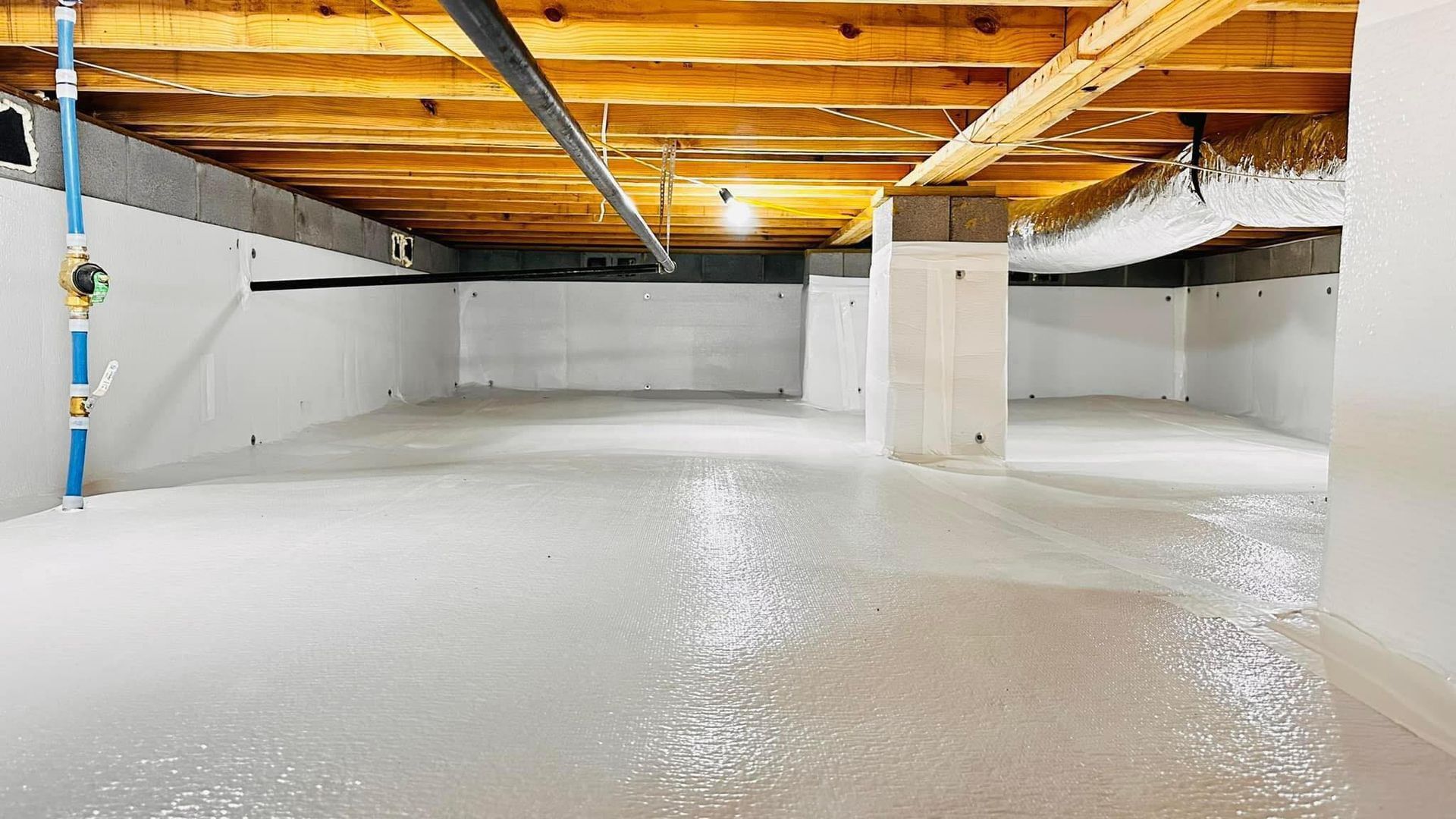
You shouldn't need to take anyone's word for it. Here's what to look for — or ask for — before you pay anyone for crawl space work.
Sealed vents — not just covered. Every vent opening should be properly closed off so outside air cannot get in. Ask your contractor to show you what sealed means before the job starts.
Dehumidifier placement and drainage. The unit should be sitting on top of the liner, not underneath it. It should have a clear drain path — either to a floor drain or via a condensate pump. Ask where the water goes.
Before and after photos. A contractor who does good work wants you to see it. Before and after photos taken with a quality camera should be standard. If a contractor doesn't offer them, ask yourself why.
A post-job walkthrough. Someone should go back under that house after the job is done and verify the work. Ideally that's the owner or a foreman — someone with enough experience to know what right looks like.
Don't pay until you've seen it. A contractor who asks for full payment before you've verified the job is done correctly has no incentive to fix anything after the check clears.
What You Should Expect From a Good Contractor
A contractor who does the job right won't flinch at any of this.
They'll welcome you to come look. They'll have photos ready. They'll walk you through what was done and why. They won't ask for payment until you've seen the finished work and you're satisfied.
If a contractor gets defensive when you ask to check the work, pay attention to that. It's information.

The Bottom Line
The lowest bid feels like the smart move. It almost never is.
A crawl space job done wrong doesn't just fail to solve your problem. It can actively make your problem worse — and do it quietly, out of sight, for months before anyone notices.
By the time you find out, you're not comparing a $4,000 job to a $7,500 job anymore. You're looking at what both of them cost combined — plus the damage that built up in between.
Price is not a selling point. It's a warning sign.
If the only reason a contractor gives you to hire them is that they're the cheapest — that's the only reason not to.