The Humidity Level Where Your Crawl Space Becomes a Problem
Introduction
Wet Ductwork Is a Warning Sign - Not a Weather Issue
WHEN YOUR DUCTS START SWEATING, YOUR CRAWL SPACE IS ALREADY TELLING YOU SOMETHING
We've been in a lot of crawl spaces over the last few weeks. And we keep seeing the same thing — ductwork covered in sweat, water puddles sitting below the ducts, droplets hanging off the bottom.
Most homeowners walk past this and think nothing of it. That's the problem.

There's a number you need to know: 60–70%
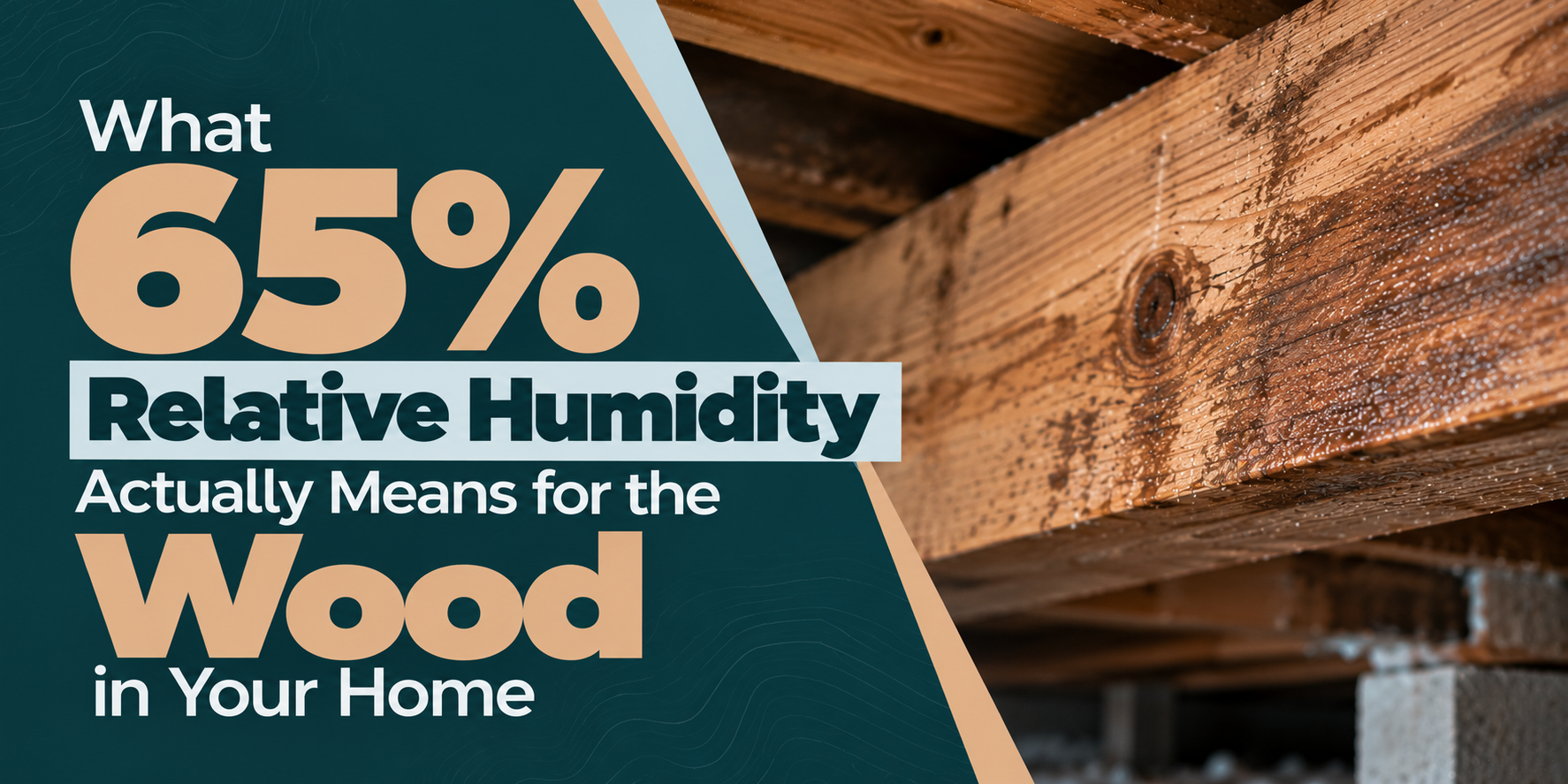
That's the relative humidity level where your ductwork starts to condense. It's also the same range where wood decay fungus can grow.
That's not a coincidence. Those two things happen at the same humidity level because they're part of the same problem.

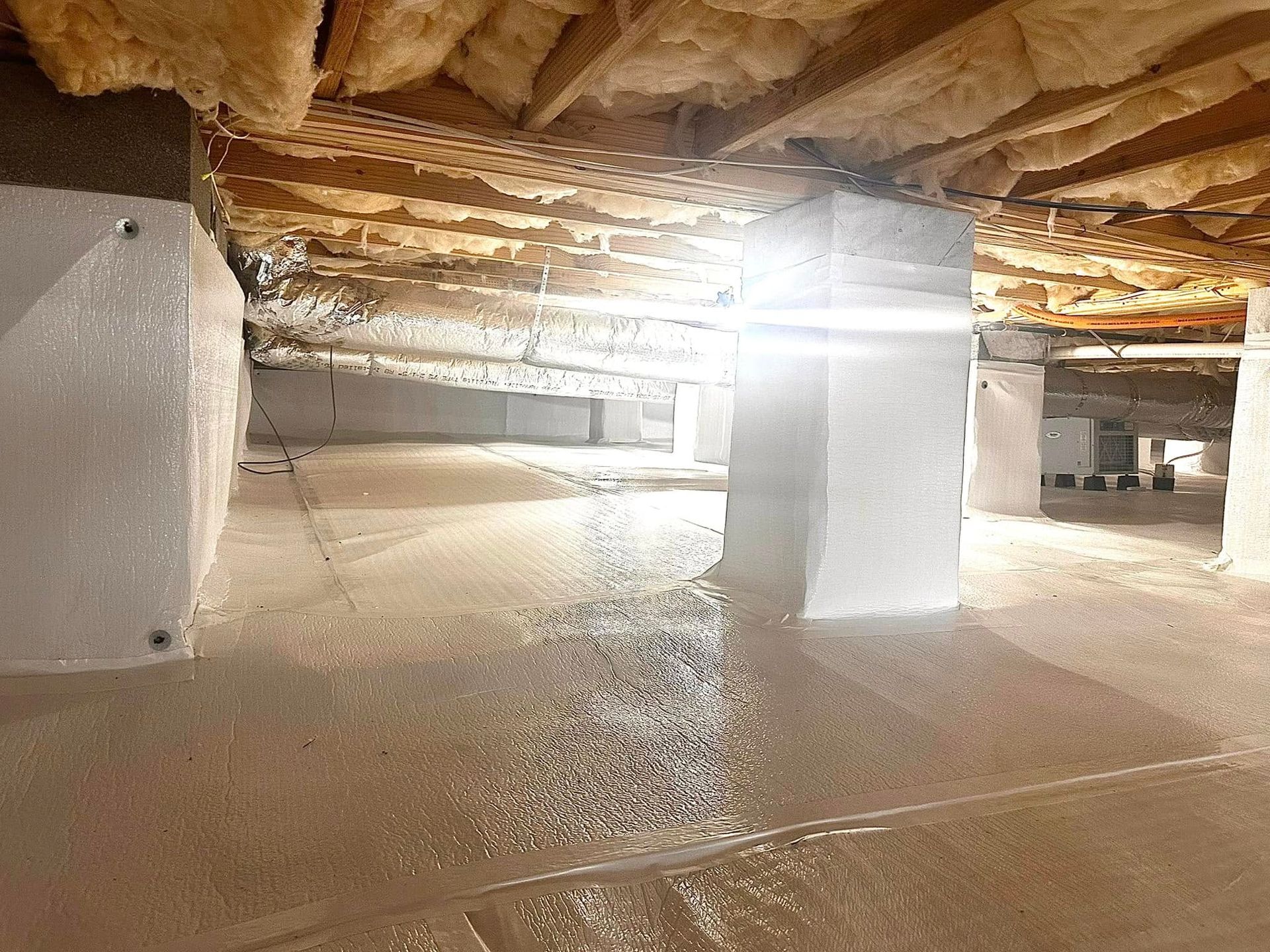


So what does wood decay fungus actually do?
It grows on your floor joists — the wood that holds up your floors. It releases spores when it's disturbed. When someone walks across the floor above it, it spreads.
Here's the part most people don't know: 50% of the air you breathe inside your home comes up from your crawl space. If fungus is growing down there, you're breathing it.
How do you know if you're at that threshold?
You don't need any equipment. Just look for these three things under your house:
Sweat on the outside of your ductwork
Water puddles on the ground directly below the ducts
Droplets hanging off the bottom of the ducts
If you see any one of these, your crawl space humidity is already in the danger zone.
What happens if you wait?
Fungus doesn't stop growing on its own. The longer the humidity stays elevated, the deeper the damage goes — into your floor joists, your subfloor, your wood beams. What starts as a moisture problem becomes a structural one.
The homeowners who call early pay a fraction of what the ones who wait end up spending.

What to do next
If you're seeing any of those symptoms — or you just haven't looked in a while — get a crawl space inspection. A good one costs you nothing upfront and gives you a clear picture of what's actually going on under your house.
At Crawl Logic, we show up, go under the house, and take you through everything we find — photos, video, all of it — before you spend a single dollar. No deposit. No pressure. Just answers.