What to Say Before Any Contractor Goes Under Your House
Introduction
Who’s Watching When You Can’t?
GOOD WORK SHOULDN’T REQUIRE AN AUDIENCE
Most homeowners never go into their crawl space. That's completely normal. It's dark, it's tight, and that's exactly why you hired someone to handle it.
But here's the problem with that.
When a crew knows nobody is watching, some of them work like it. Not all of them. But enough that it's worth talking about.
What I Found on a $10,000 Job
I showed up to service a dehumidifier on a job someone else had done. The homeowner had spent over ten grand on their encapsulation. Good money. The kind of money that should buy you a clean, careful job done right.
When I got to the dehu, I couldn't even open it. There was glue packed into the screw hole. Dried. Hardened. I had to scrape it out just to get inside the unit.
That's not a small mistake. A dehumidifier you can't service is a dehumidifier that's going to fail on you. And when it fails, the moisture problem you paid to fix comes right back.
The crew that did that job wasn't thinking about the next guy who'd need to get in there. They weren't thinking about the homeowner either. They were thinking about getting done and getting out.
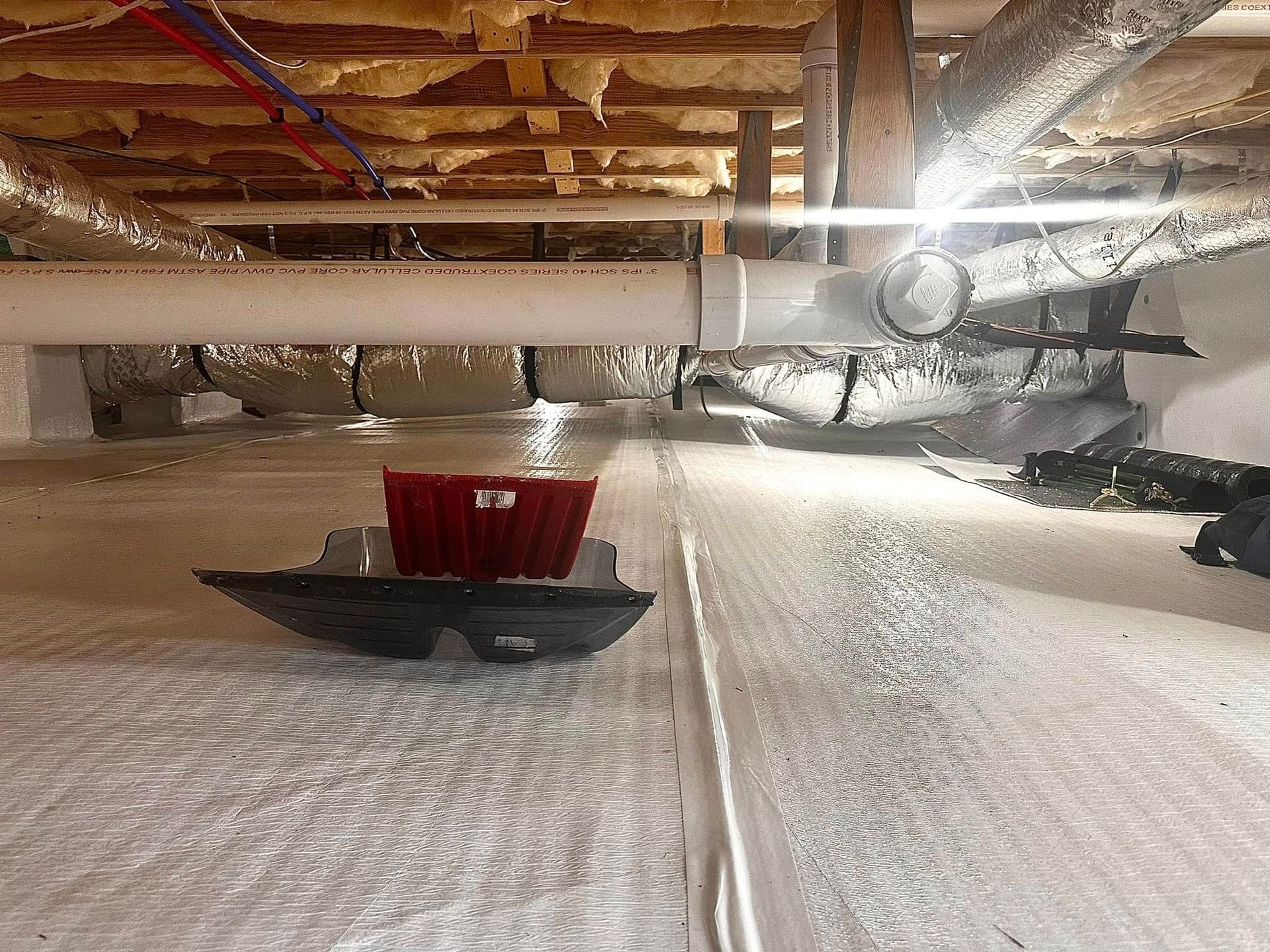
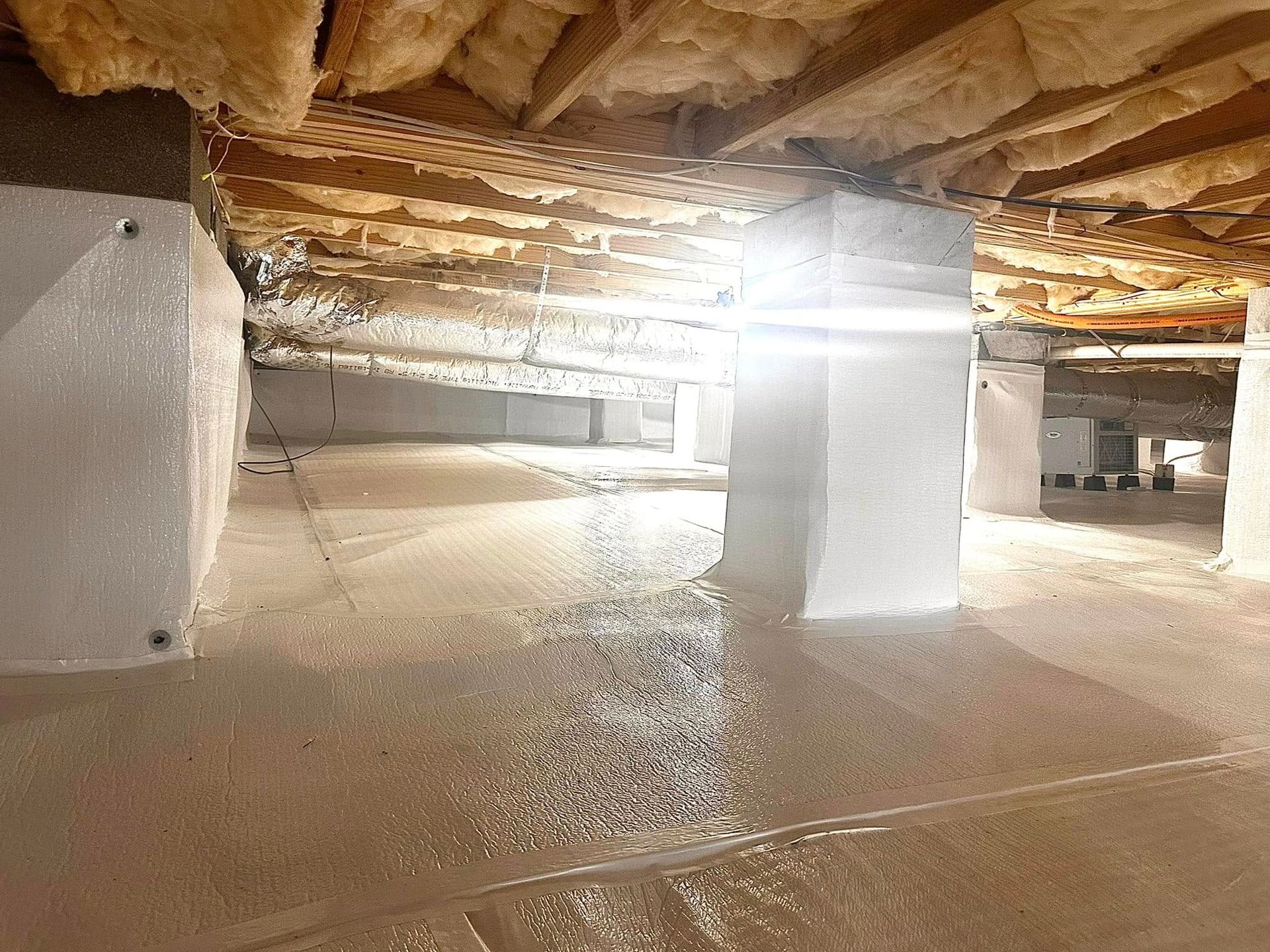
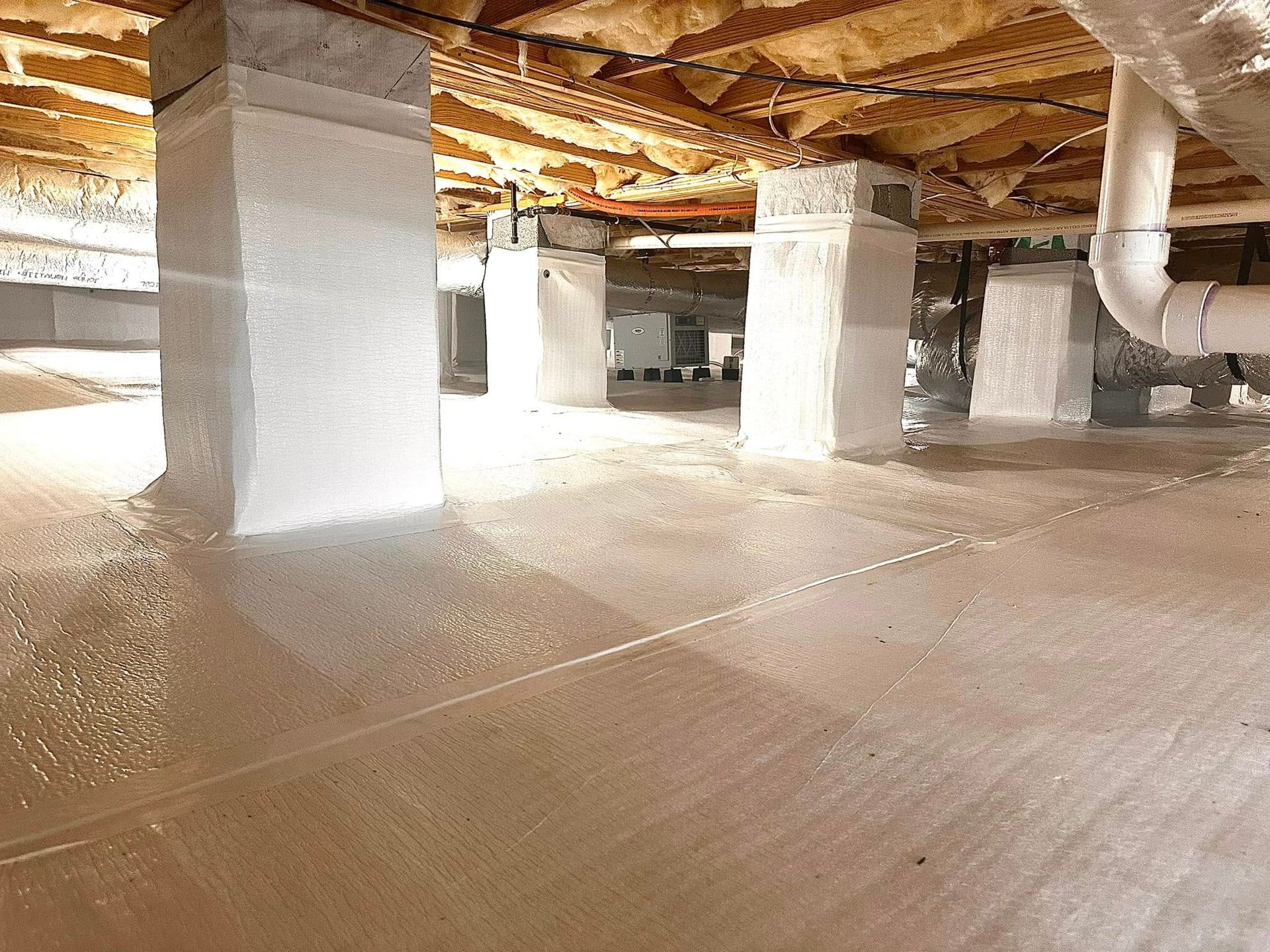
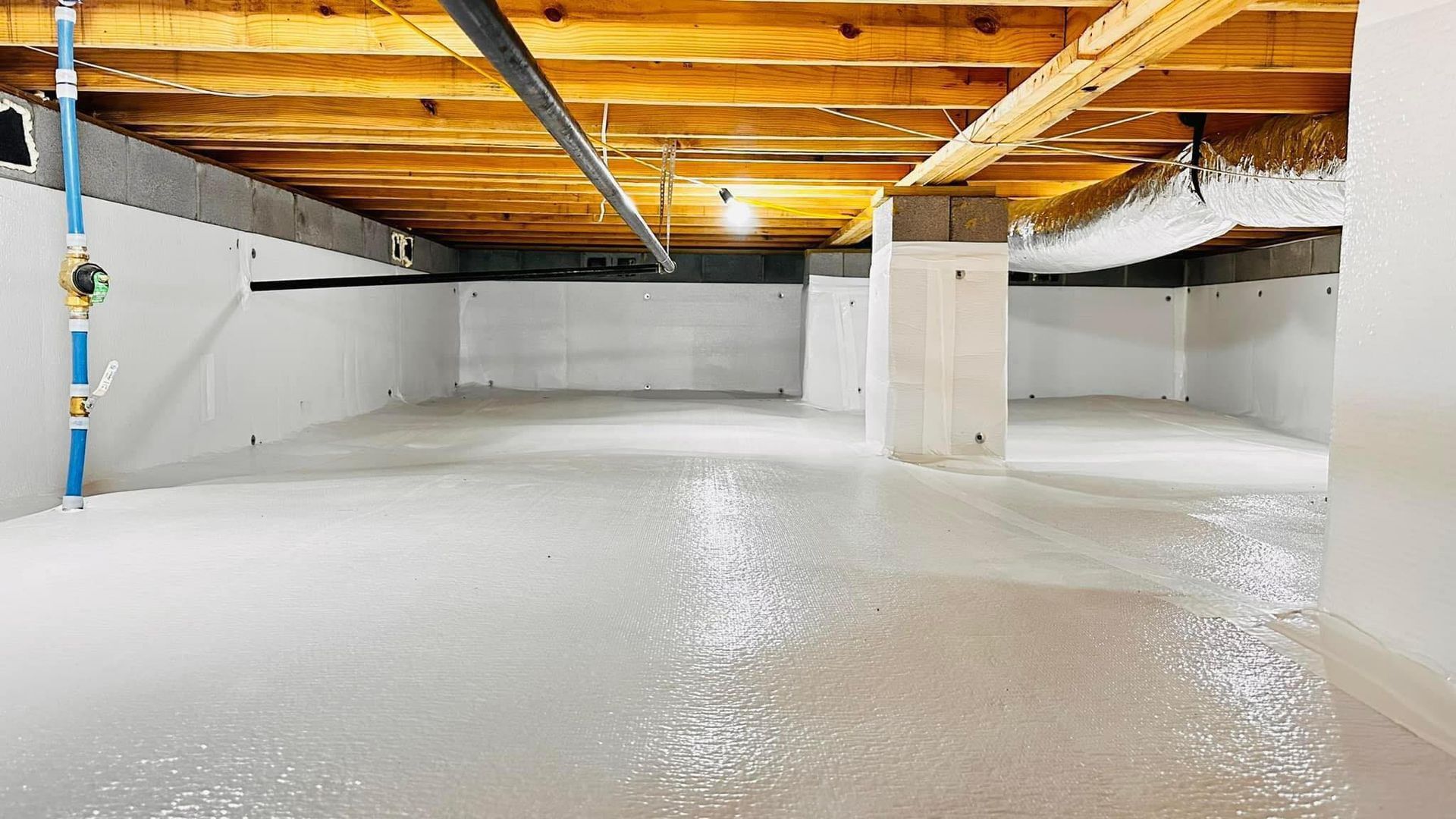
Why This Happens More Than You'd Think
The crawl space is out of sight. That's just the reality of it.
When a crew is under your house, you're not there. You can't see what they're doing. Most homeowners don't go back under after the job is finished to check the work. Most contractors know that.
That doesn't mean every contractor cuts corners. But it does mean that the ones who do rarely get caught.
The fix isn't complicated. It starts before anyone ever goes under your house.
What to Say Before Work Starts
This is the part nobody tells you.
Before the crew starts, find the foreman or the lead on the job. Look them in the eye and say something like this:
"I'm spending real money on this. I need it done clean. I'm going to check the work before I pay."
That one conversation changes things. It tells the crew that someone is paying attention. That there's a standard. That the homeowner isn't just going to hand over a check without looking.
You don't have to be aggressive about it. You don't have to be rude. Just be clear.
What to Check When the Job Is Done
Here's a simple checklist you can use after any crawl space job is finished:
1. Look at the dehumidifier
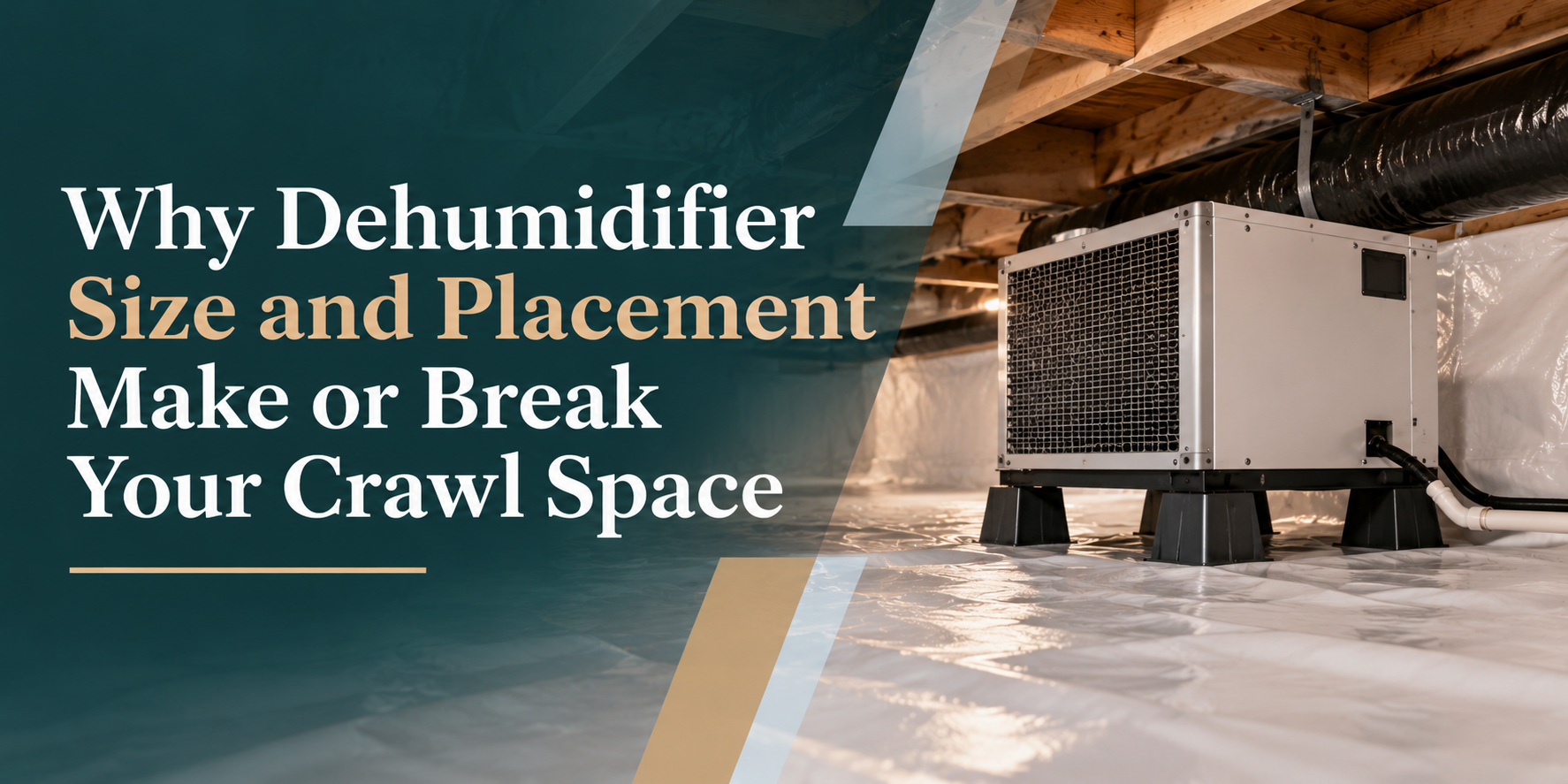
Is it clean? Are the vents clear? Can you see the screw holes without anything blocking them? A unit that was handled carelessly during install will show it.
2. Check the liner
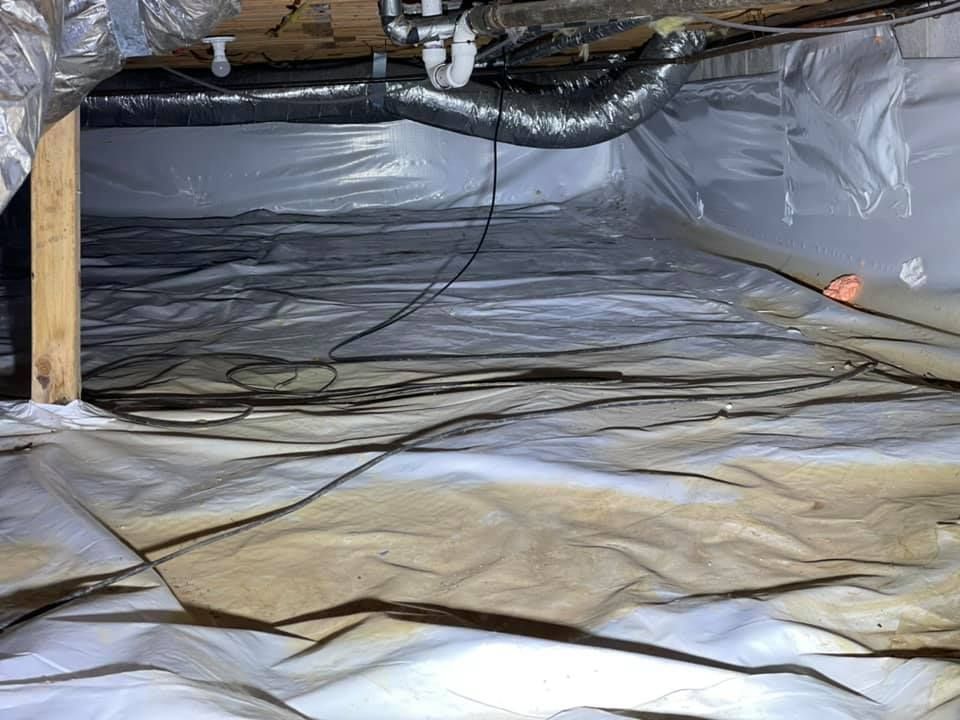
Is it flat and tight against the walls and floor? Are the seams taped? Are there areas that look rushed or bunched up?
3. Look at the seams and edges
This is where corners get cut. The edges along the foundation walls and around support columns should be sealed properly. Loose edges mean moisture gets in.
4. Ask for photos
A contractor who does good work will want to show you. Before and after photos taken inside the crawl space are the clearest way to see what was done. If they don't have them, that tells you something.
5. Check around the dehu drain line
Is it routed properly? Is there anything blocking it? A drain line that wasn't set up right will cause the unit to back up.
6. Ask about service access
Can the dehumidifier be opened and serviced easily? Ask them to show you. If they can't — or won't — that's a problem.
What You Should Expect From a Good Contractor
A contractor who does the job right won't flinch at any of this.
They'll welcome you to come look. They'll have photos ready. They'll walk you through what was done and why. They won't ask for payment until you've seen the finished work and you're satisfied.
If a contractor gets defensive when you ask to check the work, pay attention to that. It's information.

You Have More Control Than You Think
You don't have to be an expert to protect yourself here. You just have to speak up.
Tell them what you expect before they start. Check the work before you pay. Ask for photos. Make sure the dehu is clean and accessible.
The crawl space is out of sight. That doesn't mean it's out of your hands.