Why the Cheapest Crawl Space Contractor Can Cost You More
Introduction
They Saved Money on the Quote. Then We Saw the Work
CHEAP WORK GETS EXPENSIVE WHEN IT HAS TO BE DONE TWICE
Most homeowners don't think much about their crawl space until something goes wrong.
And by the time something goes wrong, it's usually already been wrong for a while.
That's exactly what happened with a job we walked into recently in Nashville.
A homeowner had hired someone who promised to do it cheaper. They did.
And this is what we found.
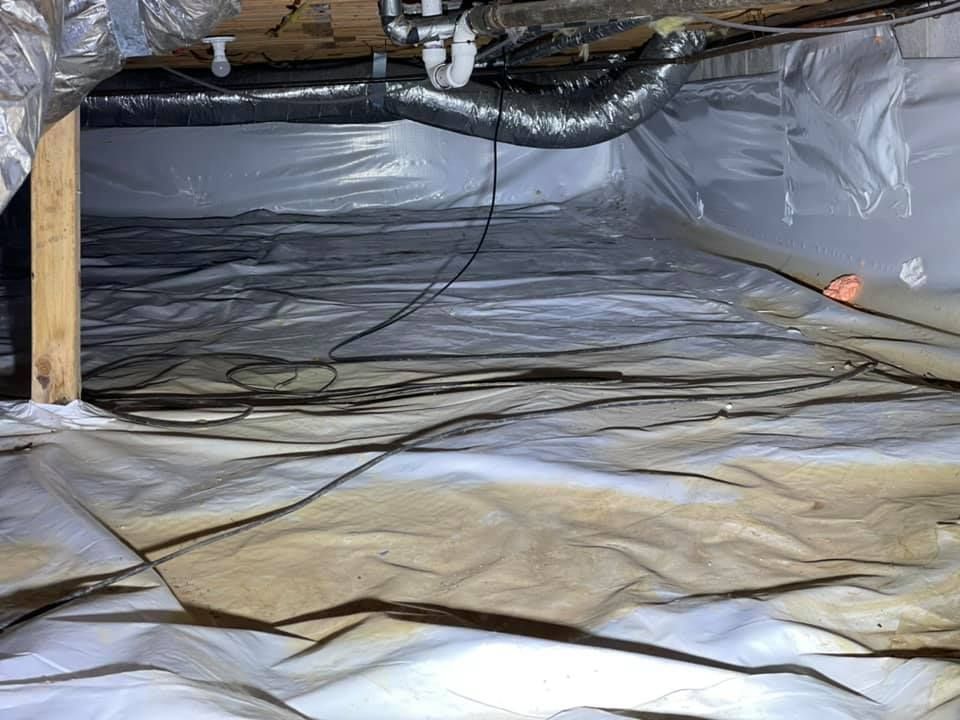
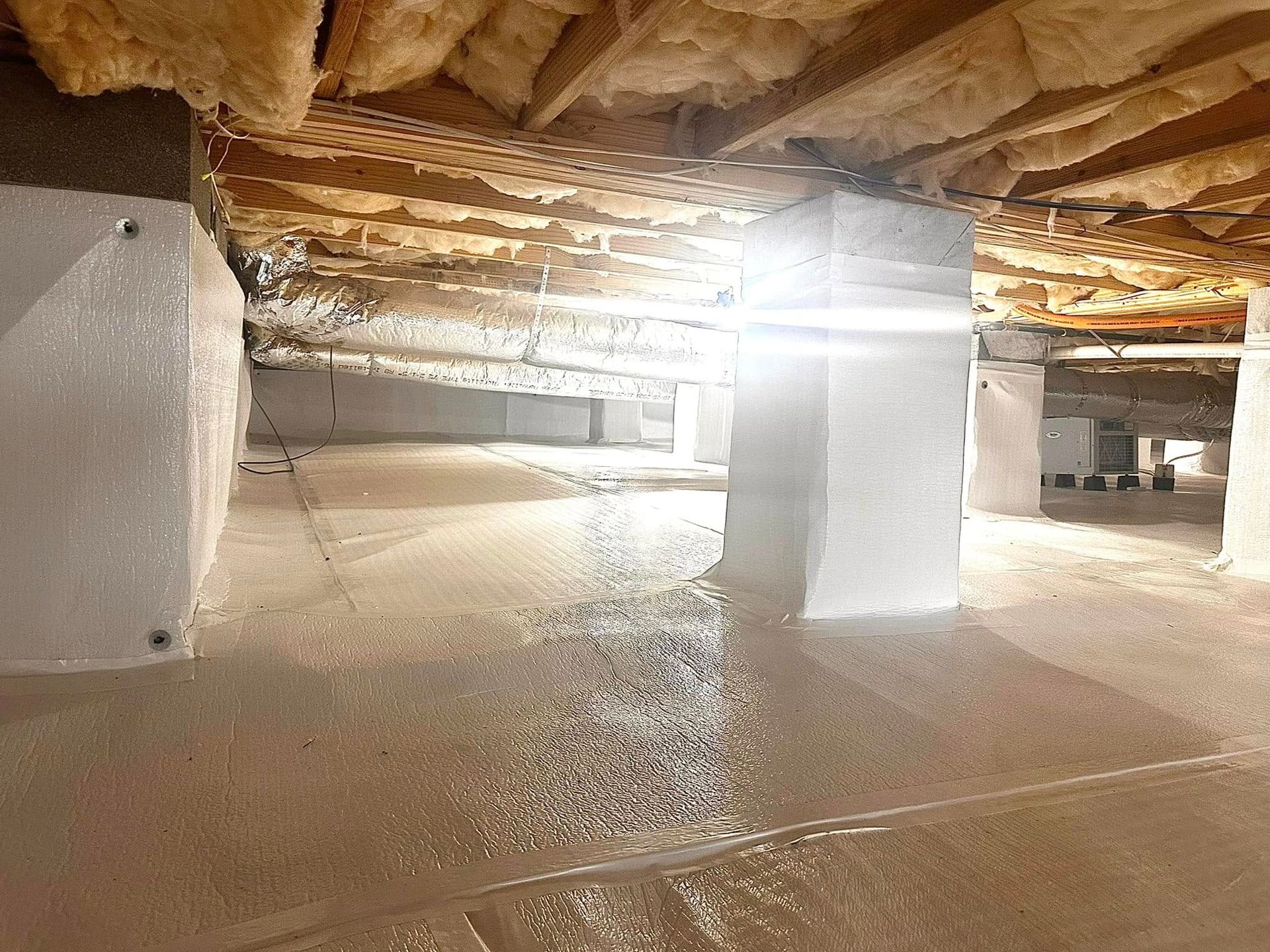
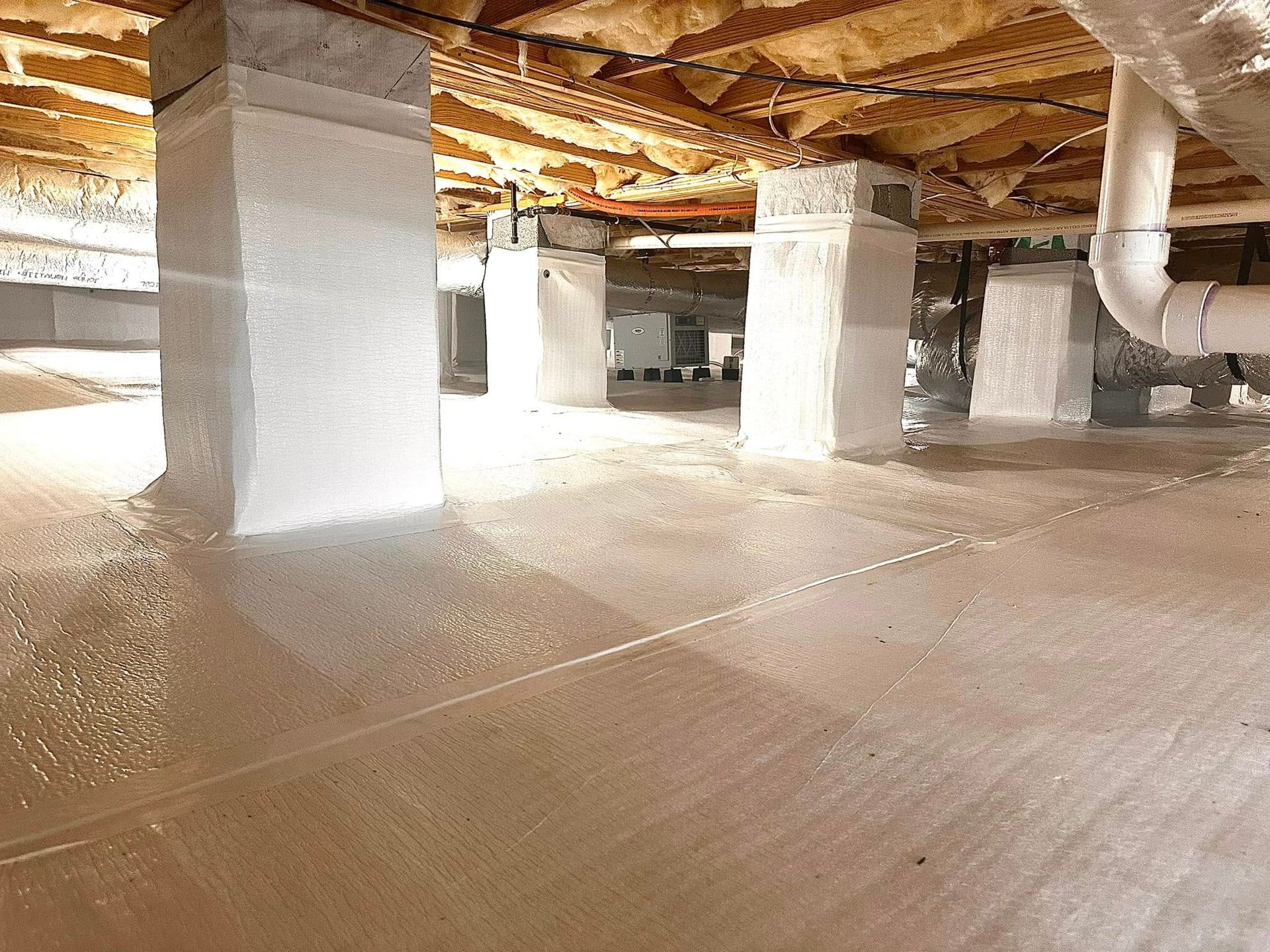
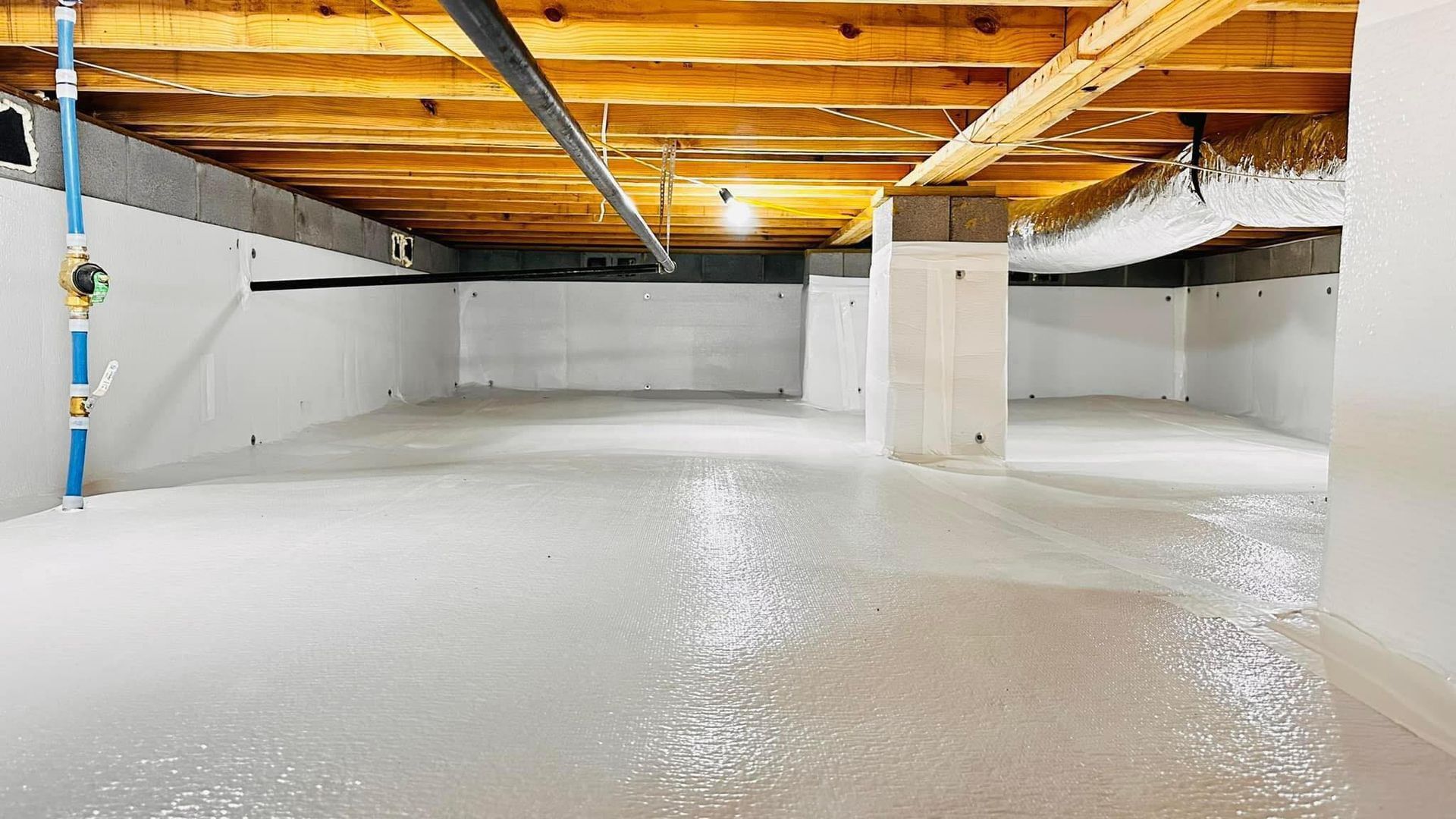
What Was Under This House
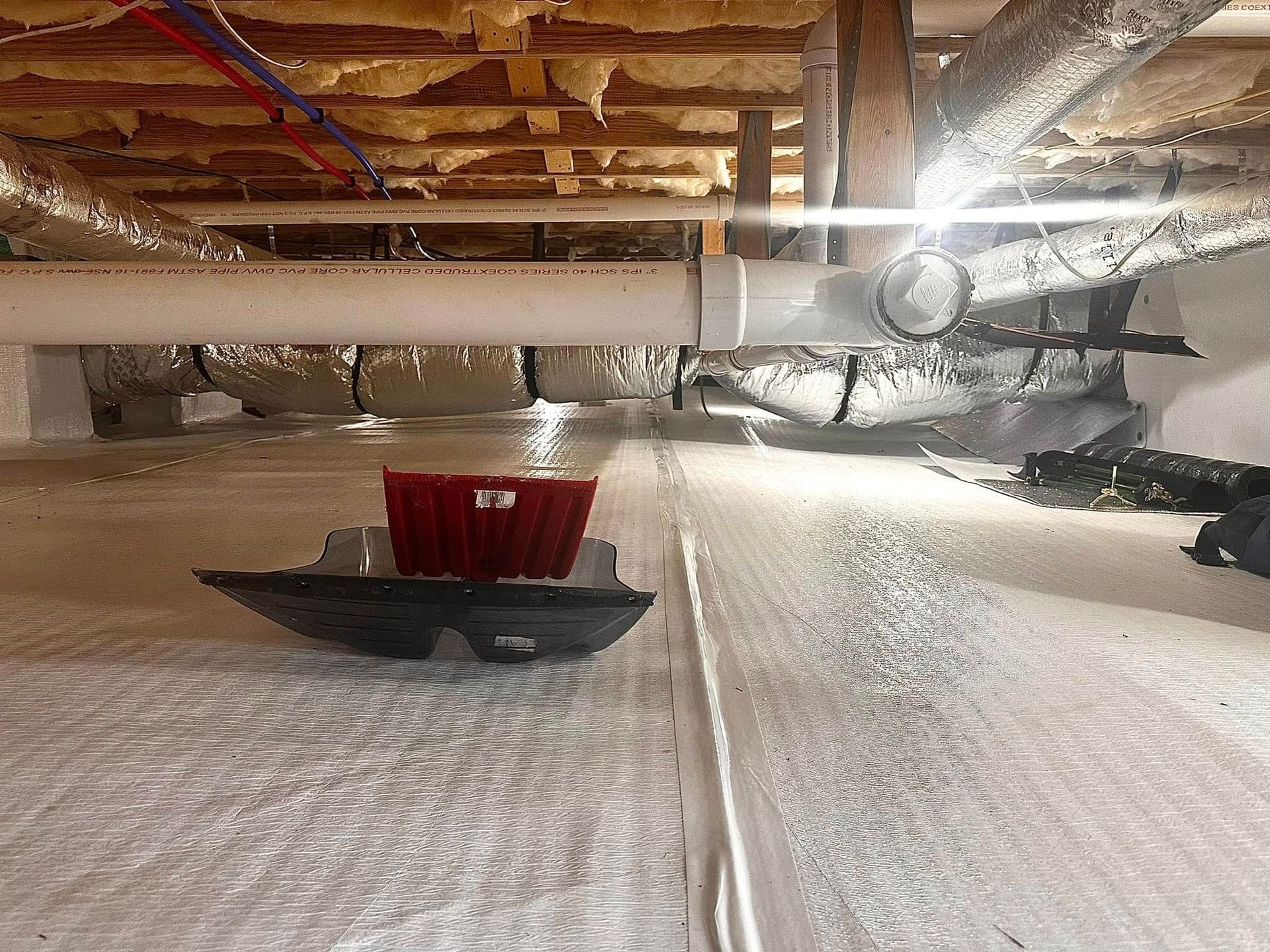
The dehumidifier discharge line was going nowhere useful. The whole point of a discharge line is to move moisture out of the crawl space. This one wasn't doing that.
The foundation vents had been "sealed" with spray foam used as a glue. Except they weren't sealed. They were wide open. Any moisture, any pest, anything outside wanted to get in — could get in.
There was mold. Not a little. Everywhere.
There was no rodent proofing done at all.
And the dehumidifier itself was dead. The unit that was supposed to be controlling moisture under this house had stopped working entirely. Which means whatever water got in had nowhere to go and nothing fighting it.
This wasn't one mistake. This was a job done wrong from start to finish.
What Each One of These Actually Costs
This is where it stops being just a gross crawl space story and starts being a money problem.
The discharge line. When moisture isn't being moved out properly, it stays under the house. That means the wood stays wet. Wet wood warps. Wet wood rots. Wet wood attracts termites. A discharge line done wrong isn't just a minor error — it's the reason the rest of the job fails.
The open vents. Foundation vents that aren't properly sealed are an open door. Rodents come in. Insects come in. Outside air — which in Nashville means humid air for a good chunk of the year — comes in. All of that works against everything an encapsulation is supposed to do. And if rodents get in, you're now looking at a separate pest bill on top of everything else.
The mold. Mold remediation is not cheap. And mold doesn't stay put. It spreads. The longer it sits, the bigger the problem and the bigger the bill to fix it.
No rodent proofing. This ties back to the open vents. Without rodent proofing, the crawl space is accessible. And once rodents get in, they chew through vapor barriers, insulation, and sometimes wiring. That's a whole separate category of damage.
The dead dehumidifier. A dehumidifier for a crawl space typically runs anywhere from several hundred to over a thousand dollars depending on the unit. When the one under this house died, all moisture control died with it. Everything that unit was supposed to prevent — wood damage, mold growth, pest activity — was now happening unchecked. And the homeowner had no idea because they couldn't see it.
Every single one of these failures has a price tag attached to it. None of them are free to fix.
The Real Math
Here's the part that should make any homeowner stop before they sign with the cheapest option.
This homeowner already paid for their crawl space to be encapsulated. They paid real money. And what they got was a discharge line going the wrong direction, vents still open, no rodent proofing, mold growing, and a dead unit.
So now they're paying again. For the same job. Except this time it costs more because whoever comes in to fix it has to deal with everything the first guy left behind.
The cheapest quote became two full bills instead of one. Plus whatever damage accumulated in the time between the bad job and the fix.
That's the real math of hiring cheap. You don't save money. You delay the real cost and then pay it with interest.
What to Ask Before You Hire Anyone
You don't have to be an expert to protect yourself. You just need to ask the right questions before anyone goes under your house.
Ask how they handle the discharge line. Where does it go? How do they make sure moisture is actually leaving the space? If they can't answer that clearly, that's a problem.
Ask how they seal foundation vents. What materials do they use? How do you know the vents are actually sealed when the job is done? Spray foam used as a glue is not a seal.
Ask if rodent proofing is included. Some companies treat it as an add-on. Some don't offer it at all. If pests can still get in after the job is done, the job isn't really done.
Ask what happens after the job is finished. Do they inspect it? Do they document it? Do you get to see proof that the work was done correctly before you pay? If the answer is no, you have no way of knowing what you actually got.
Ask about the dehumidifier. What brand? What capacity for your square footage? Who services it? What happens if it stops working?
These aren't hard questions. Any legitimate crawl space company should be able to answer all of them without hesitating.
The Real Math
Here's the part that should make any homeowner stop before they sign with the cheapest option.
This homeowner already paid for their crawl space to be encapsulated. They paid real money. And what they got was a discharge line going the wrong direction, vents still open, no rodent proofing, mold growing, and a dead unit.
So now they're paying again. For the same job. Except this time it costs more because whoever comes in to fix it has to deal with everything the first guy left behind.
The cheapest quote became two full bills instead of one. Plus whatever damage accumulated in the time between the bad job and the fix.
That's the real math of hiring cheap. You don't save money. You delay the real cost and then pay it with interest.

Before You Choose a Crawl Space Contractor
We offer free crawl space inspections in the Nashville area. We'll go under, take photos, and give you a straight answer about what's there and what — if anything — needs to happen next.
No pressure. Just information.