From Failing Floors to Solid Foundation: Our Complete Structural Repair Process
Introduction
When Your Crawl Space Needs More Than Encapsulation
COMPLETE STRUCTURAL REPAIRS DONE IN-HOUSE
Not every crawl space problem can be fixed with plastic and a dehumidifier.
Sometimes, when you look under a house, you find serious structural issues - failing joists, rotted beams, subflooring that's beyond saving.
That's when you need more than a typical crawl space company.
Last week, we finished a major structural rebuild.
Five hundred square feet of complete reconstruction across multiple rooms.
New girder beams, new joists, new subflooring in the kitchen and dining room.
The kind of work that most crawl space companies will tell you they can't handle.
But we do this type of project all the time, and we do it all in-house.
Recognizing When You Need More Than Basic Repairs
Here's the thing about structural problems - they don't get better on their own. When your floors start feeling soft or bouncy, that's not just the crawl space being damp. That's your subflooring breaking down. When you notice sagging or sloping floors, your joists or beams might be failing.
These are the signs that tell you it's time for a serious structural assessment. Maybe you've got water damage that's been eating away at your floor joists for years. Or termites have compromised your girder beams. Sometimes the original construction just wasn't done right, and now decades later, it's catching up.
The difference between cosmetic and structural issues is pretty simple. Cosmetic problems affect how things look. Structural problems affect whether your house is safe and stable. When joists fail, when beams rot, when subflooring gives way - you're dealing with the bones of your home. That requires real carpentry work, not just encapsulation.
Why Most Companies Can't Handle This Work
Most crawl space companies train their people to install vapor barriers and dehumidifiers. That's it. Remember that three-week training I talked about before? None of that covers structural carpentry. So when these companies find serious structural damage, they have two options: turn down the job or subcontract it out.
Subcontracting means you're paying the crawl space company, who then pays a carpenter, who marks up their price to cover their costs. You end up paying double for work that could be done by one team. Plus, now you're coordinating between two different companies, two different schedules, two different standards of work.
And here's the real problem - when something goes wrong, who's responsible? The crawl space company blames the carpenter. The carpenter says the crawl space work wasn't done right. You're stuck in the middle trying to figure out who's going to fix it.
Our Structural Repair Capability
This is where having the right team makes all the difference. My foreman came from a framing background. Before he joined Crawl Logic, he built houses. He knows how floor systems work, how loads distribute, how everything needs to connect properly.
That means when we find structural damage during an inspection, we can handle it ourselves. No subcontractors, no markup, no finger-pointing if something needs adjustment. One team, one standard of quality, one point of contact - me.
We've rebuilt entire floor systems. Replaced girder beams. Sistered joists. Installed new subflooring. The same crew that does your encapsulation can handle your structural repairs. It all gets done right, and it all gets done by people who answer to me.
The Recent Project: A Case Study
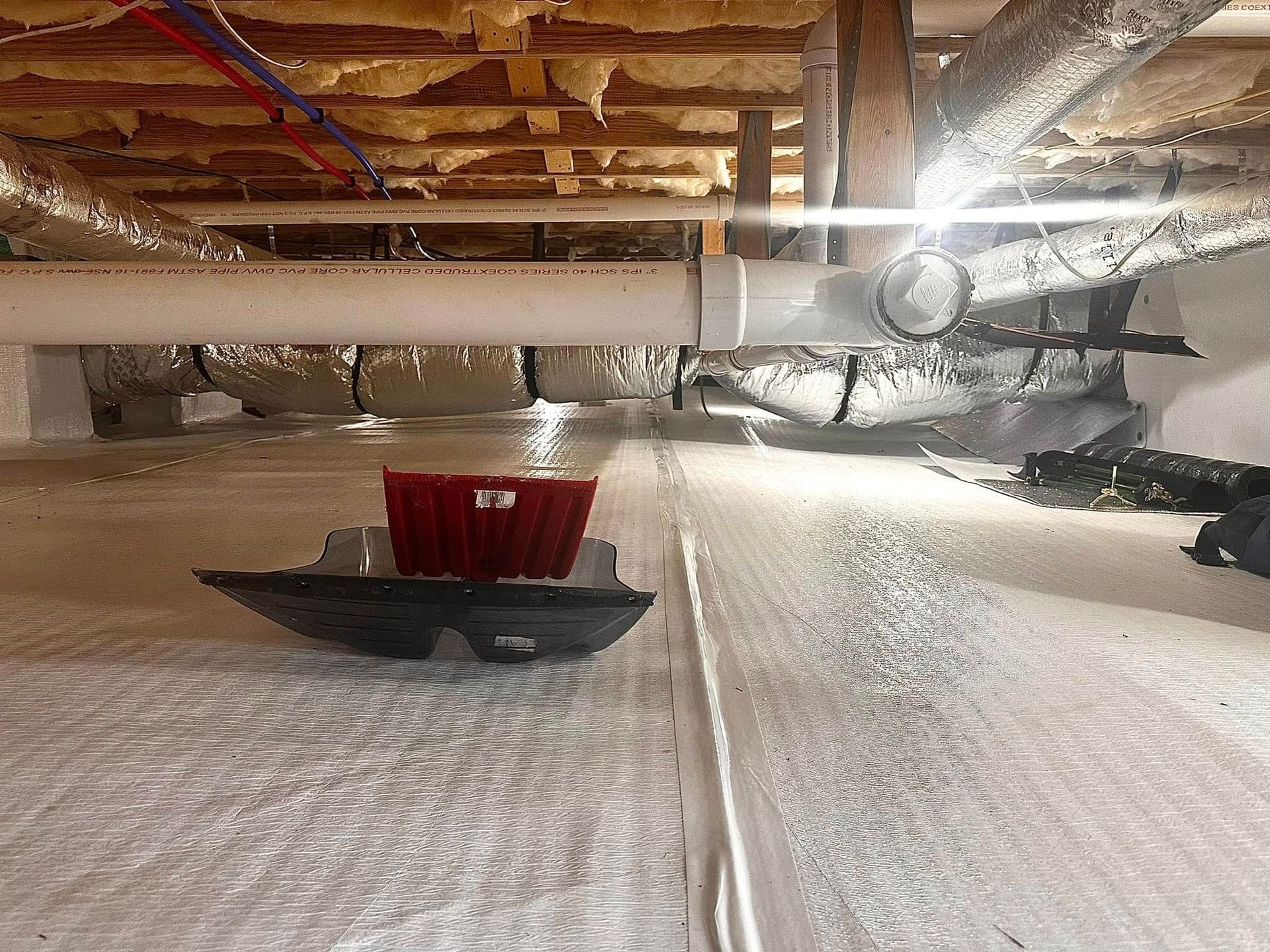
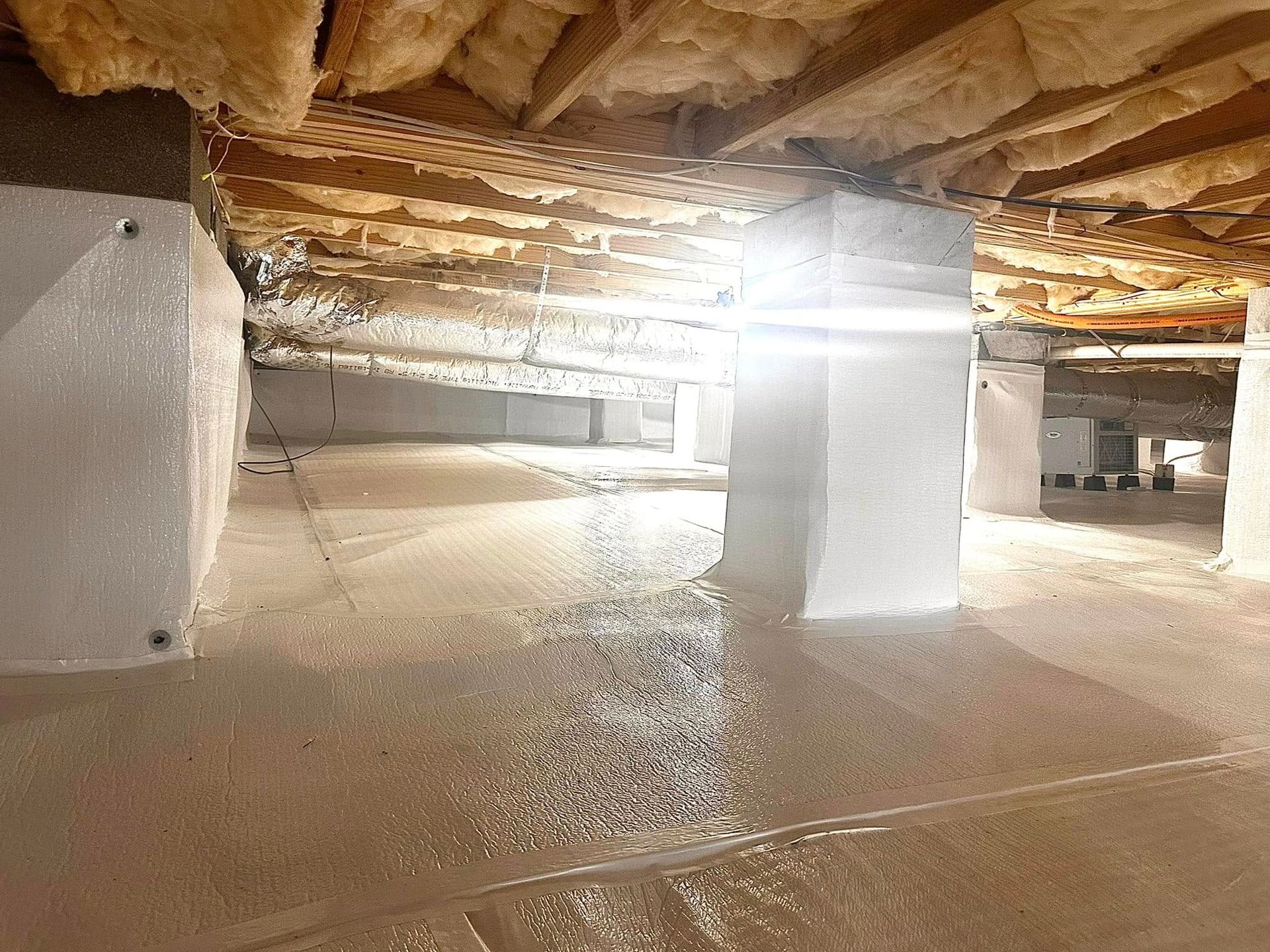
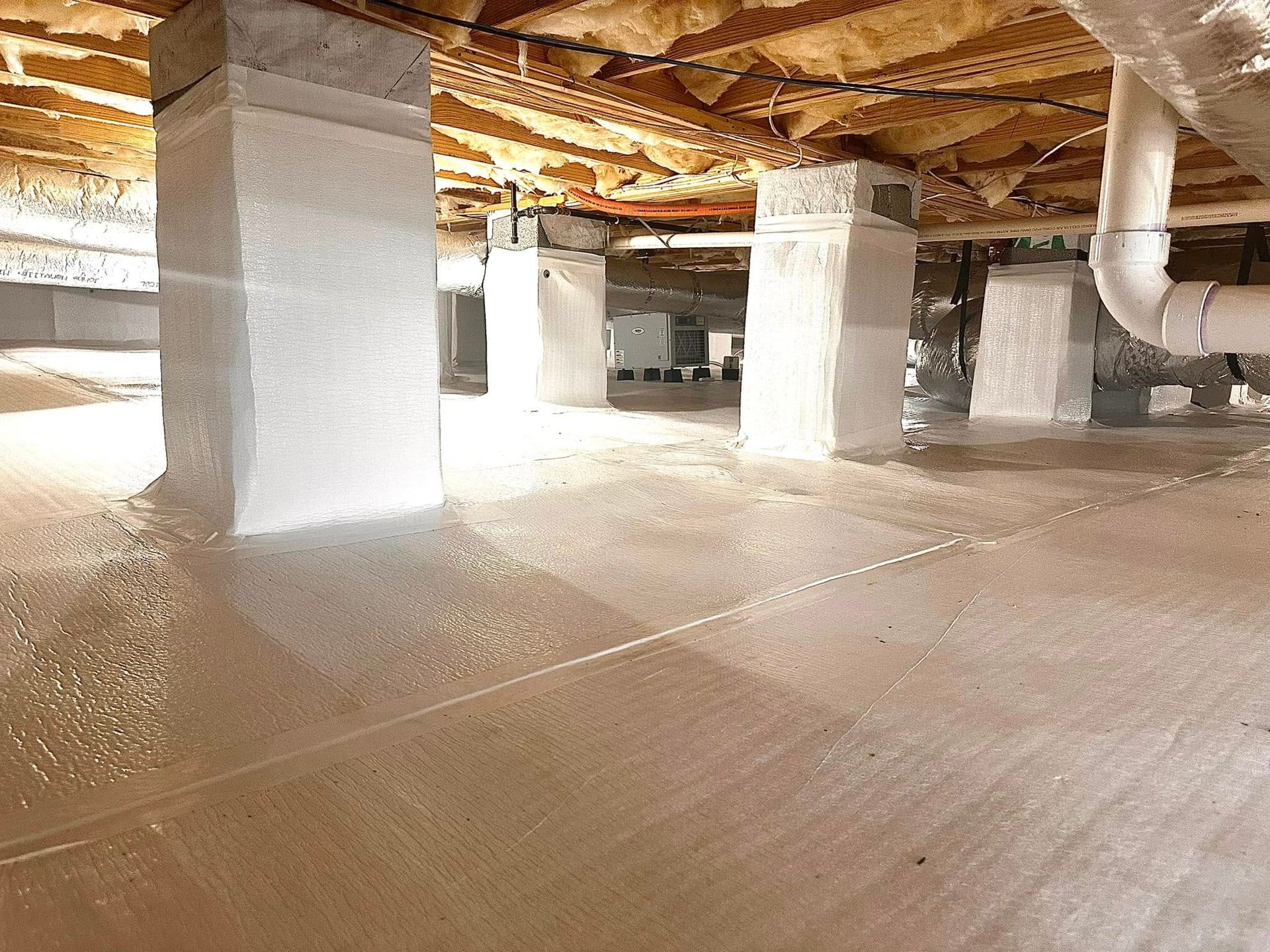
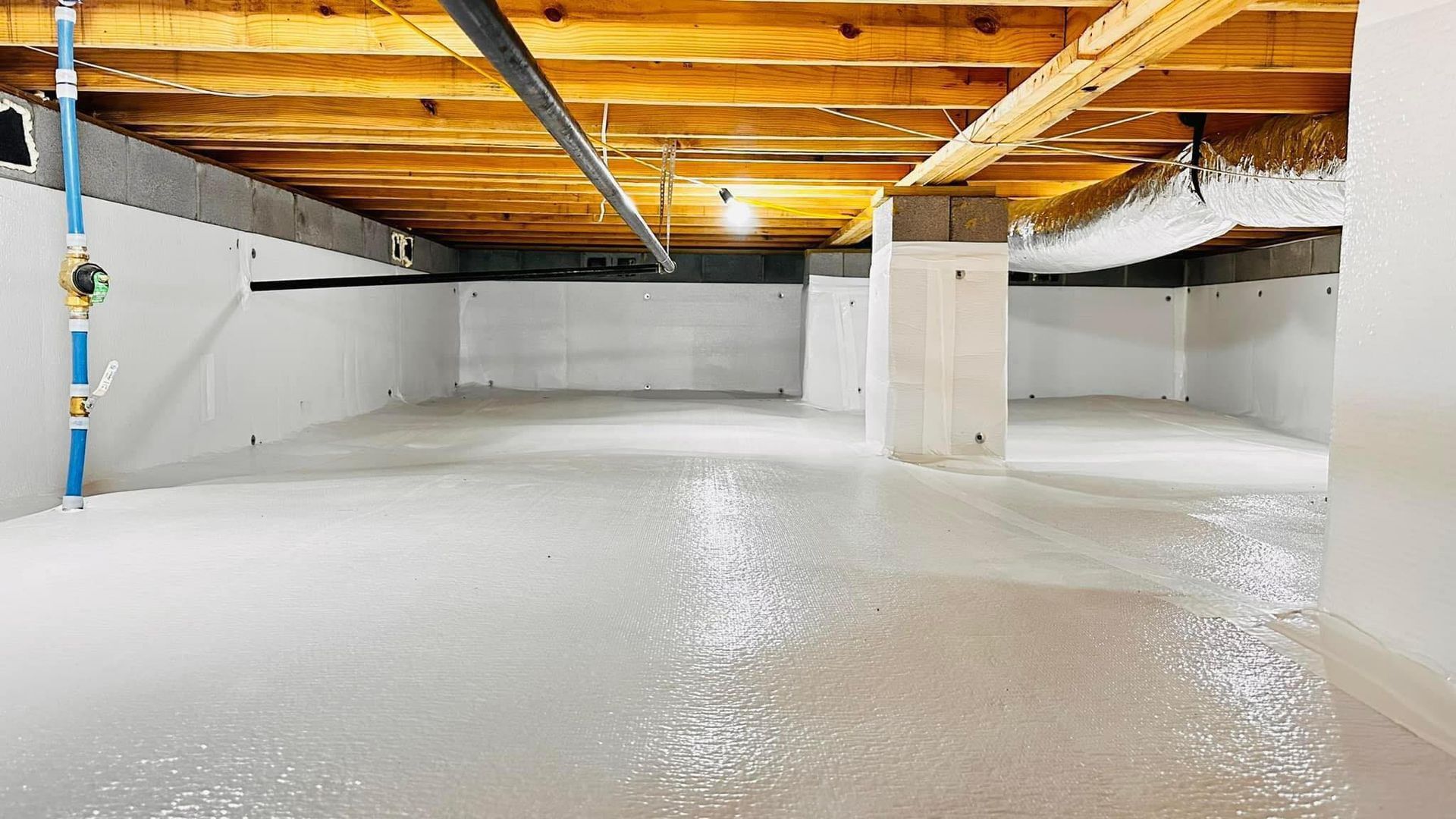
Let me walk you through what we just finished. The homeowner had serious structural issues - failing floor joists, compromised beams, subflooring that had to be completely replaced. We're talking about 500 square feet of work across the kitchen, dining room, and a major section of the crawl space.
We started by installing new girder beams down the center to properly support the load. Then we joisted about three-quarters of one section - that means installing new floor joists to support the subflooring above. The old ones were beyond saving.
Next came 320 square feet of new subflooring in one room, plus additional subflooring work in the kitchen and dining room. Everything had to connect properly - beams to foundation, joists to beams, subflooring to joists. You can see in the video how it all ties together into one solid system.
The homeowner went from floors that felt unstable to a foundation that's sound and safe. That's what complete structural repair looks like.
Our Complete Structural Repair Process
Every structural project starts with a thorough assessment. I document everything with detailed photos and video, just like our regular inspections. You need to see exactly what's failing and why it needs to be replaced, not repaired.
Once we understand the scope, we plan the rebuild. What beams need replacing? How many joists? How much subflooring? We source quality materials and map out the work so there are no surprises.
Then comes the actual rebuild - removing damaged components, installing new beams and joists, making sure everything is level and properly supported. Finally, new subflooring goes down, creating a solid foundation for the rooms above. Every step gets documented so you can see the transformation.
The Difference Quality Structural Work Makes
When structural work is done right, you feel it throughout your entire home. Floors that were bouncy become solid. Rooms that felt unstable now feel secure. Doors that wouldn't close properly suddenly work fine again because the framing is level.
But beyond how it feels, there's real peace of mind knowing your home's foundation is sound. You're not wondering if those soft spots in the floor are getting worse. You're not worried about long-term damage. You've invested in making your home stable and safe for years to come.
When to Call for Structural Assessment
If your floors feel soft, bouncy, or unstable, don't wait. If you notice sagging or sloping, that's a sign something underneath needs attention. Doors or windows that suddenly don't fit right? Often that's foundation or floor structure shifting.
The earlier you catch structural problems, the less extensive the repairs usually need to be. What starts as a few failing joists can spread to girder beams and subflooring if left alone. I've seen small problems turn into major rebuilds because homeowners waited too long.
When I assess structural issues, you get the same thorough documentation we provide for every inspection - clear photos, detailed video, honest explanation of what needs to be done and why.

Ready for a Structural Assessment?
If you're dealing with floor problems or suspect structural issues in your crawl space, give me a call. We'll do a complete inspection and show you exactly what's happening under your home.
Unlike most crawl space companies, we can handle everything in-house. From assessment to complete structural rebuild, you're working with one team that maintains the same standards throughout.
No subcontractors, no runaround, just honest assessment and quality work.