What's Causing Moisture in Your Crawl Space? The 5 Sources of Crawl Space Moisture
Introduction
Understanding Crawl Space Moisture
THE FIVE SOURCES EVERY HOMEOWNER NEEDS TO KNOW
When I do inspections, I always explain the five sources of moisture in crawl spaces.
Not because I want to confuse people with technical stuff, but because understanding where moisture comes from helps you make better decisions about your home.
Think of it like this - if your doctor just told you "you're sick" without explaining what's causing it, you'd have a hard time knowing how to fix the problem.
Same thing with crawl spaces.
Once you know where the moisture is coming from, everything else starts making sense.
Here's what I'm going to walk you through today.
These are the same five sources I explain to every homeowner during an inspection.
By the end of this, you'll understand exactly what's happening under your house and why it matters.
Source #1: Ground Vapor
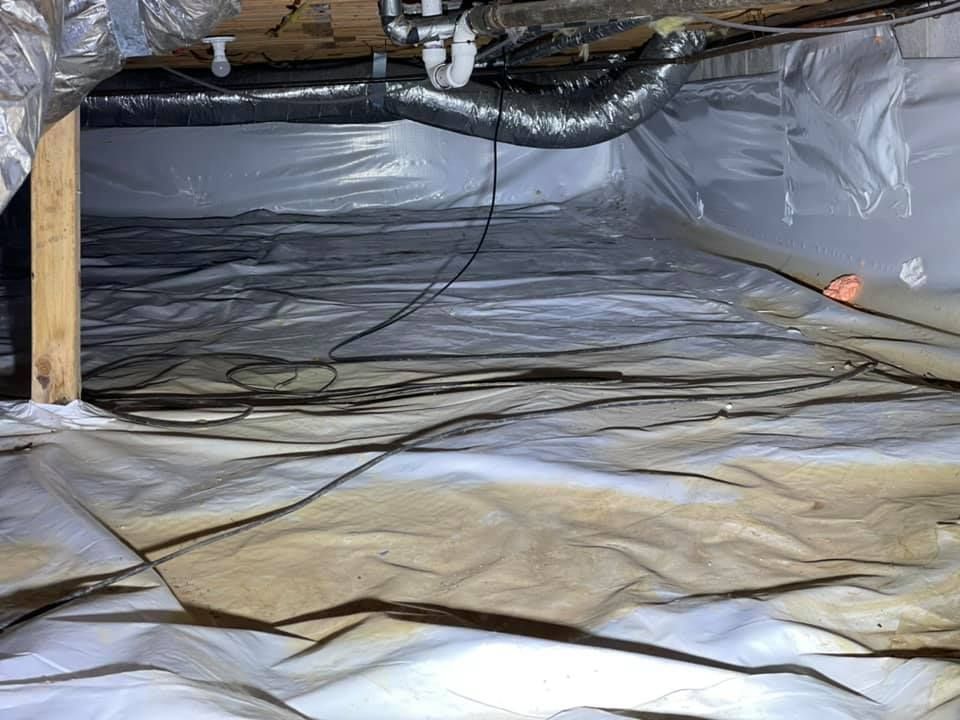
This one surprises most people. Your ground releases between 10 and 12 gallons of water vapor per thousand square feet every single day. That's not a typo - every day, all that moisture is coming up from the earth below your home.
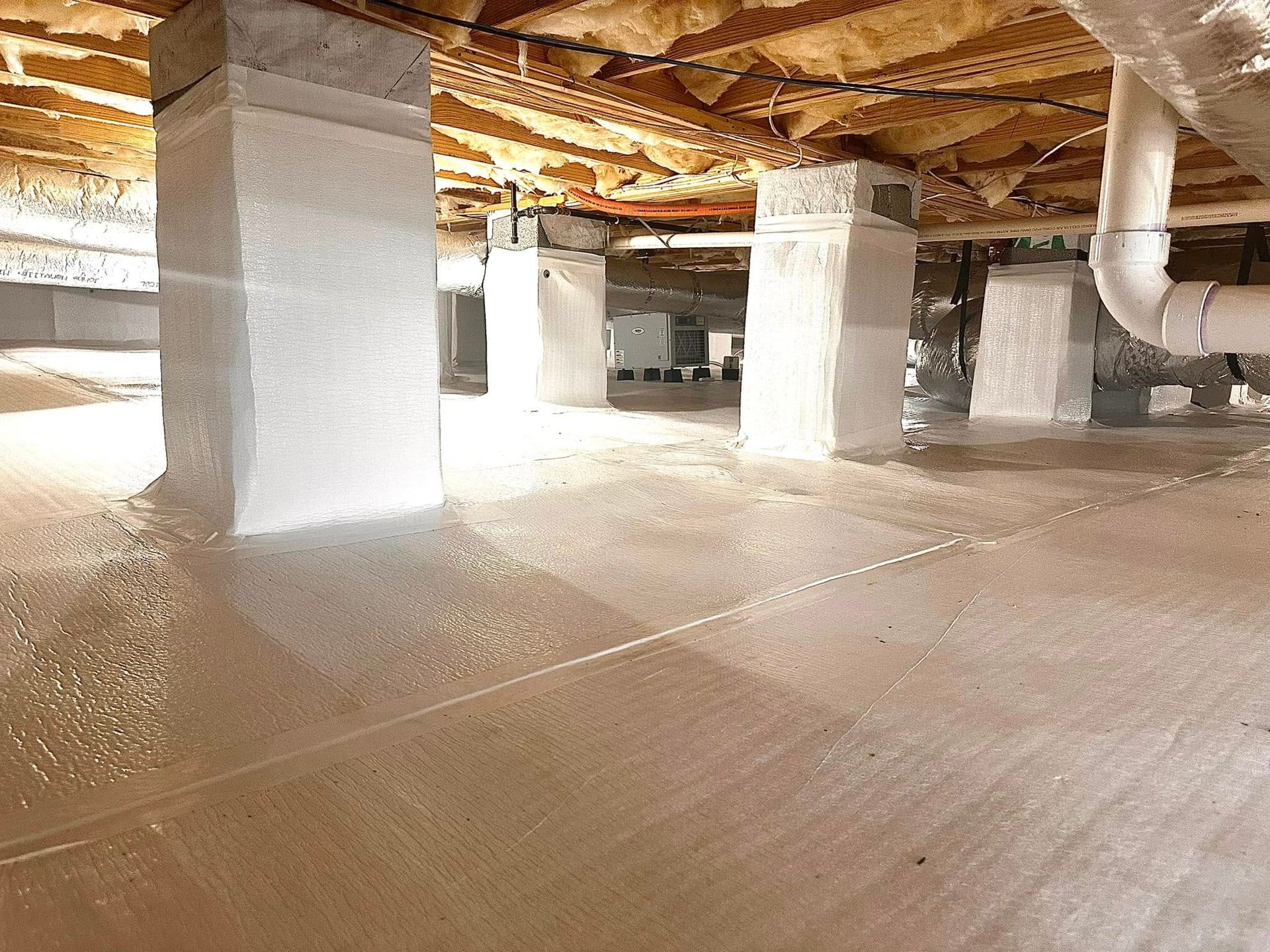
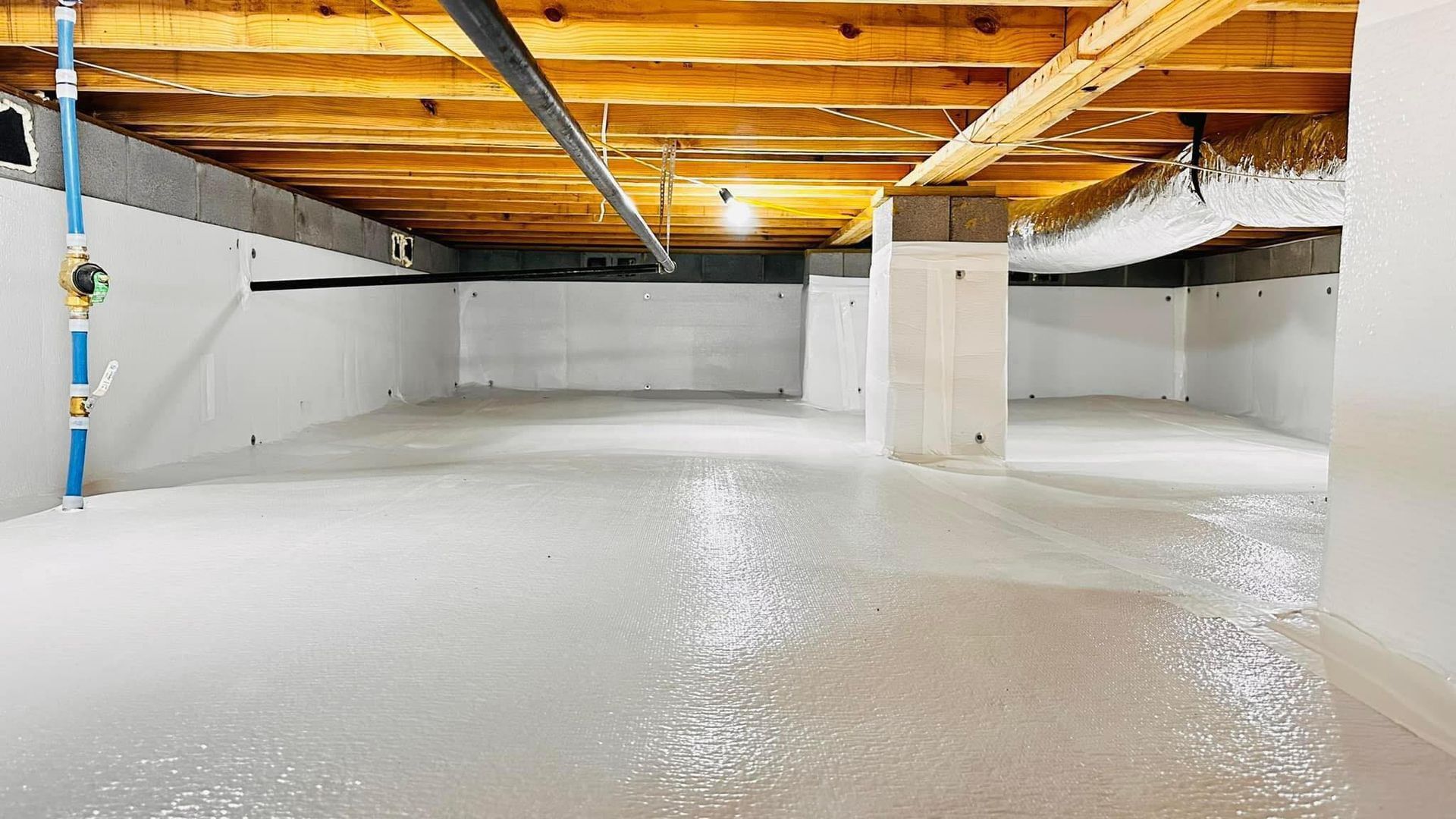
You can't see it happening. There's no puddle, no obvious sign. But that vapor is constantly rising up through your dirt floor, bringing moisture into your crawl space. This is why vapor barriers exist - they're designed to stop that daily release of ground moisture from getting into your crawl space air.
Without a proper vapor barrier, all that ground moisture has nowhere to go except up into your floor joists, insulation, and ductwork. Over time, this constant moisture exposure creates the perfect environment for mold, fungus, and wood rot. It's like leaving a wet towel on your bathroom floor - eventually, problems develop.
Source #2: Exterior Water Intrusion
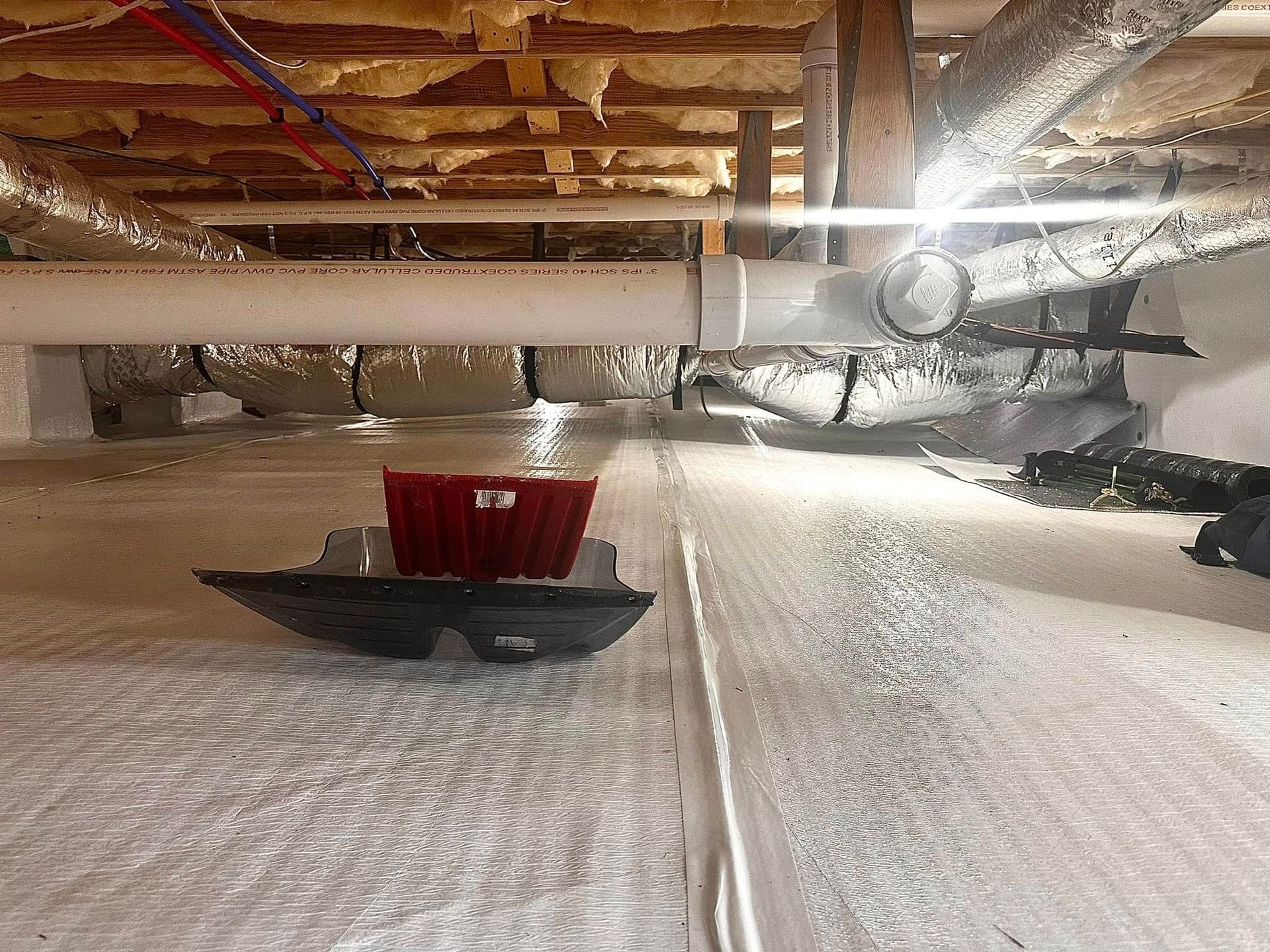
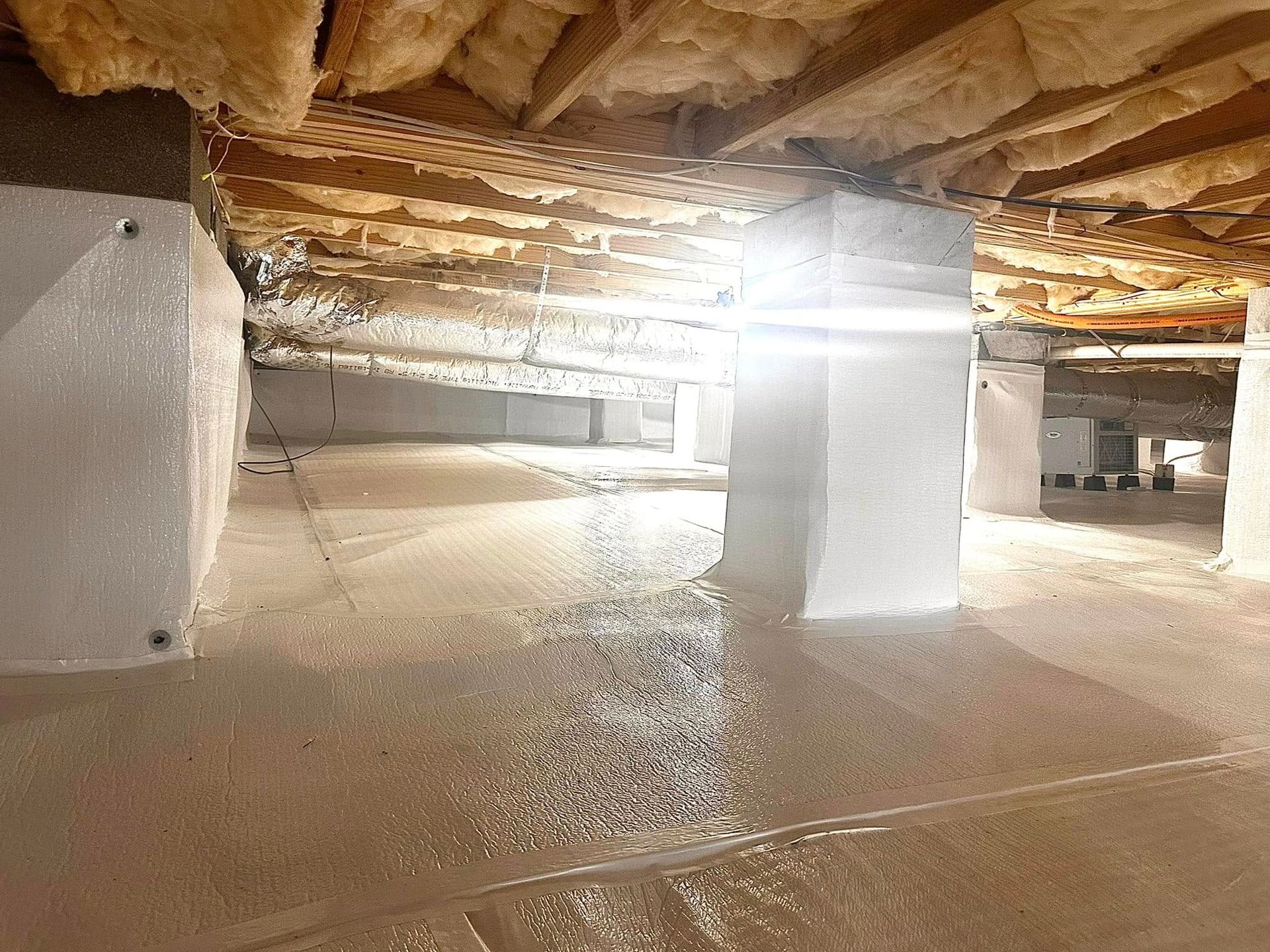
This is the one most people think of first when they hear "crawl space moisture." It's water coming in from outside your home. Usually, it happens because downspouts aren't running out far enough from your foundation. The water dumps right next to your house and finds its way in.
Grading issues cause problems too. If you're on a high grade and water runs toward your house instead of away from it, that water is going to find the path of least resistance - right into your crawl space. We see this all the time in Nashville, especially after heavy rains.
The tricky part is that exterior water doesn't always leave obvious signs. Sometimes you'll see standing water after a storm. Other times, it just creates damp spots that dry out between rains. But even those temporary wet periods cause long-term damage. That's why proper drainage around your foundation matters so much.
Source #3: Air Through Walls
Here's something most homeowners don't know - your foundation walls aren't airtight. Hollow block is a porous material, which means air can move through it. And wherever air moves, moisture comes with it.
Think about how a sponge works. Your foundation blocks have tiny spaces that allow air to pass through them. When humid outside air works its way through those blocks, it brings moisture directly into your crawl space. You can't see it happening, but it's there.
This is why just sealing up vents isn't always enough to solve moisture problems. If air is still coming through your walls, you're still getting moisture. A complete solution addresses all the entry points, not just the obvious ones.
Source #4: Humid Air Through Vents
This one causes problems mainly in spring and summer. Here's what happens: hot, humid outside air enters your crawl space through the vents. But your crawl space is cool - cooler than the outside air. When that hot, humid air hits the cool crawl space, the relative humidity spikes.
Higher humidity means your wood absorbs more moisture. And when wood stays damp, fungus grows. It's basic science, but it catches a lot of people off guard because they think vents are supposed to help. The reality is, in our climate, open vents often make moisture problems worse during the warmer months.
We see this pattern constantly. Homeowners notice musty smells or see mold growth in summer, even though their crawl space was fine in winter. That's this humid air problem at work. The wood in your floor system acts like a sponge, pulling moisture out of that humid air and creating perfect conditions for fungus.
Source #5: Ductwork Condensation
This is the one that creates visible problems fast. When your crawl space humidity gets above 60 to 70 percent, your ductwork starts to sweat. Just like a cold drink on a hot day, condensation forms on the outside of those ducts.
That condensation drips down and creates little water puddles below your ductwork. Over time, we see sweat lines - dark stains on the ground directly under the ducts. These wet spots don't just go away. They add even more moisture to an already humid space, making the whole problem worse.
The frustrating part is that ductwork sweating is usually a symptom, not the root cause. If your crawl space humidity is high enough to make your ducts sweat, you've got bigger moisture issues happening. That's why we always look at all five sources together.
How These Sources Work Together
Here's the important part - these five moisture sources don't work alone. They combine and make each other worse. Ground vapor raises your baseline humidity. Exterior water adds temporary spikes. Air through walls and vents keeps bringing in more moisture. And once humidity gets high enough, your ductwork starts sweating and adding even more.
That's why quick fixes often don't work. Sealing vents helps with source four, but if you've still got ground vapor and exterior water coming in, you haven't solved the problem. Real solutions address all the sources affecting your specific crawl space.
What This Means for Your Home
Every crawl space is different. You might have all five sources causing problems, or just two or three. The key is identifying which ones are affecting your home. Look for signs like musty smells, visible mold, standing water after rain, or condensation on ductwork.
That's where proper inspection comes in. When I look at a crawl space, I'm checking for evidence of each of these five sources. The 4K video and detailed photos I provide show you exactly what's happening. No guessing, no taking my word for it - just clear documentation of which moisture sources are affecting your home.

Ready to Find Out What's Causing Your Moisture Problems?
If you're dealing with crawl space moisture, musty smells, or visible mold, let's figure out which of these five sources are affecting your home. I'll provide a complete inspection with clear video documentation showing exactly what's happening under your house.
Call or text for a free inspection. You'll get my real cell number, and I'll walk you through everything I find - just like I explained these five sources today.