Honored to Work on This Historic Nashville Site
Introduction
When Crawl Space Work Goes Wrong
WHAT HAPPENS WHEN THE WRONG COMPANY DOES THE JOB
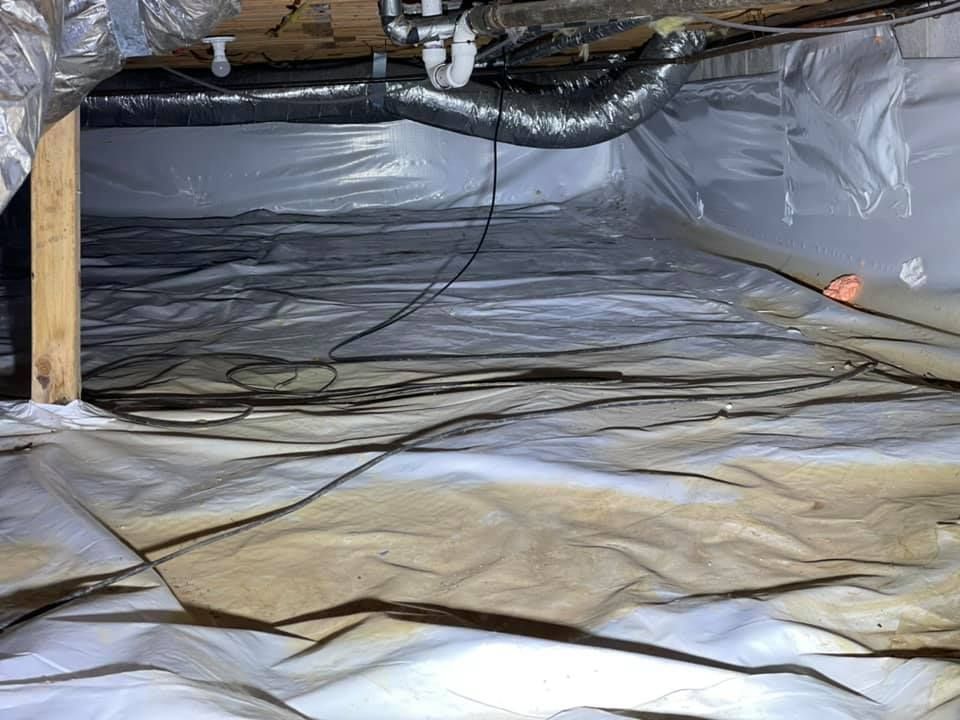
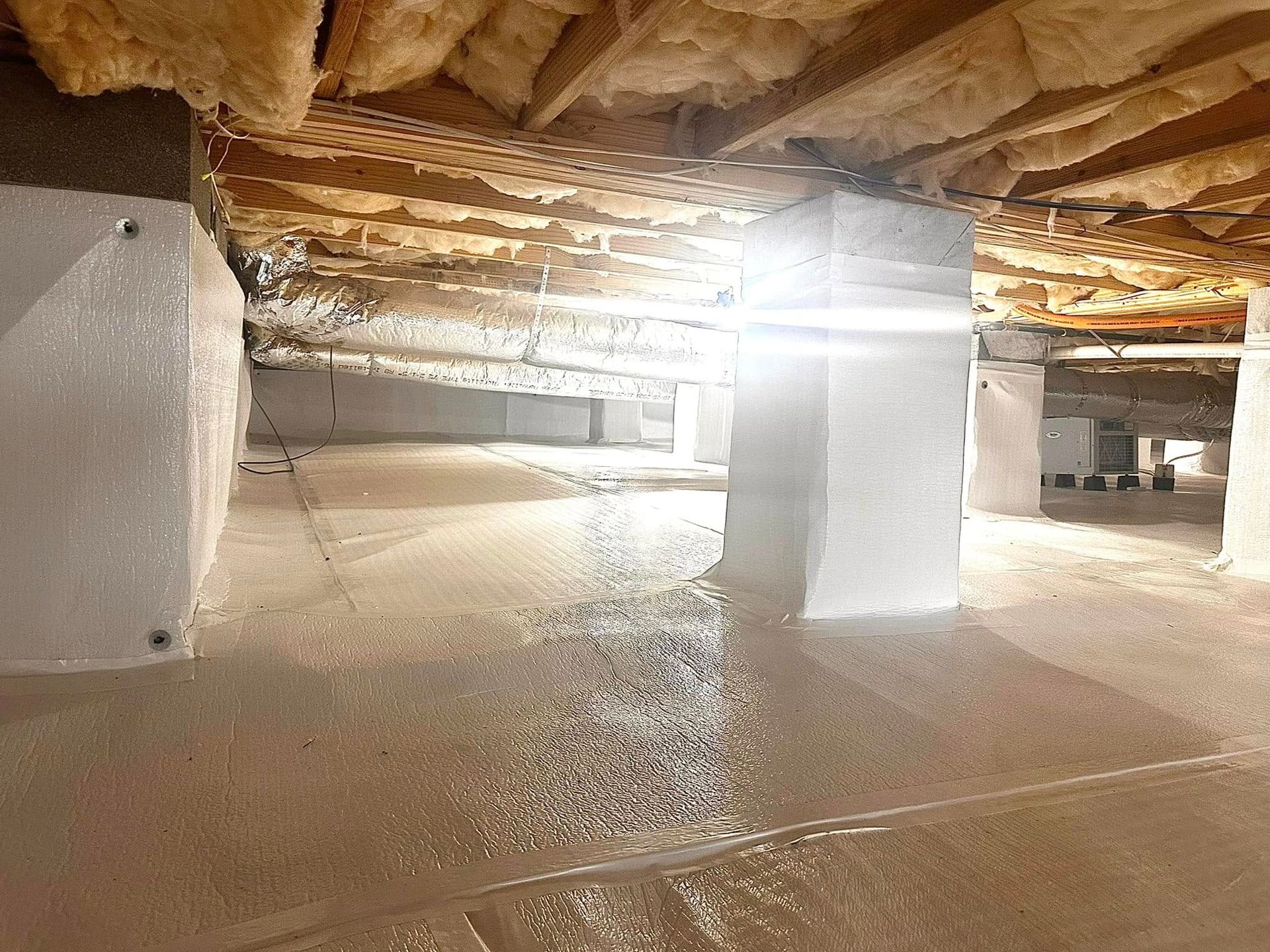
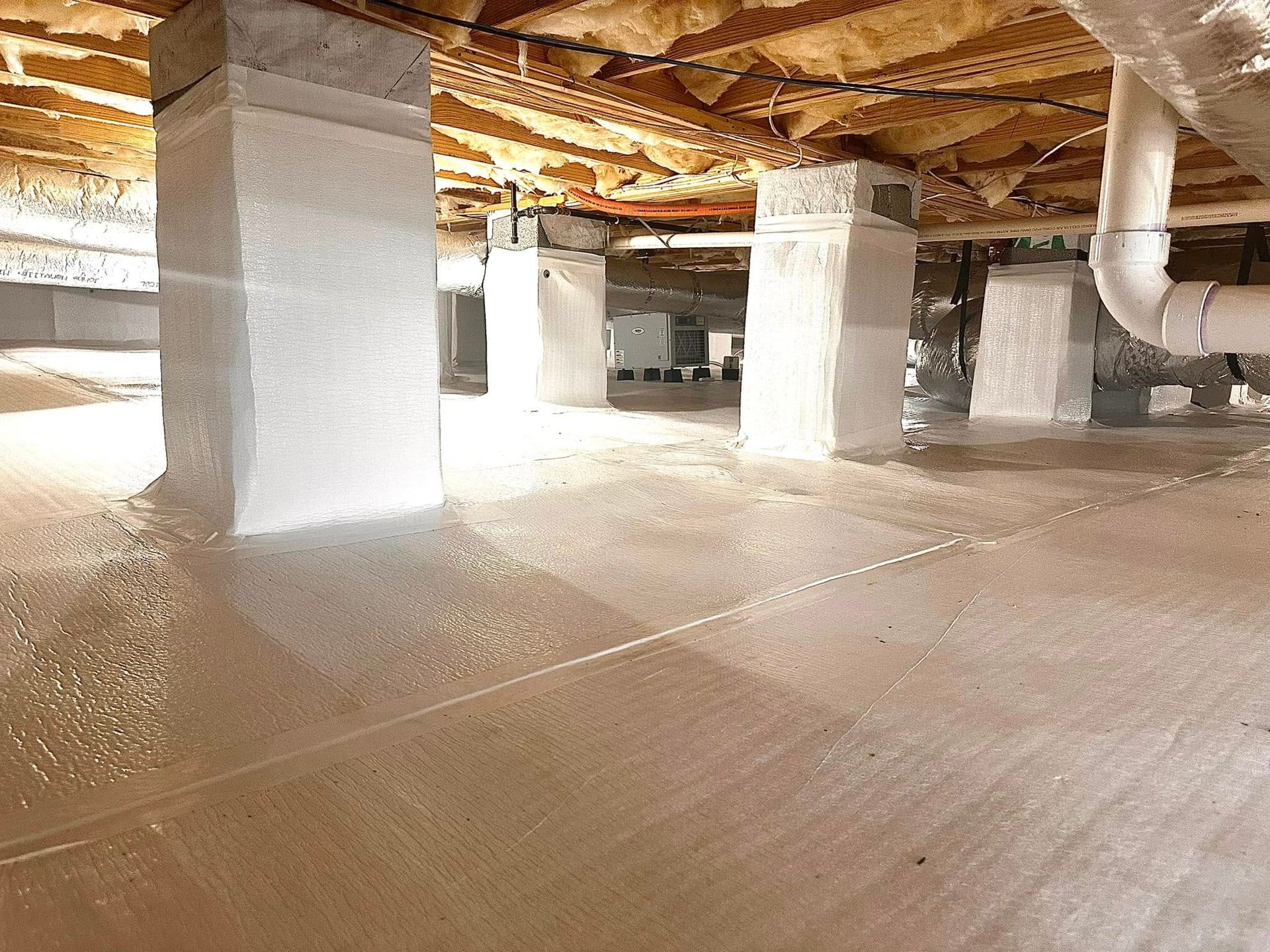
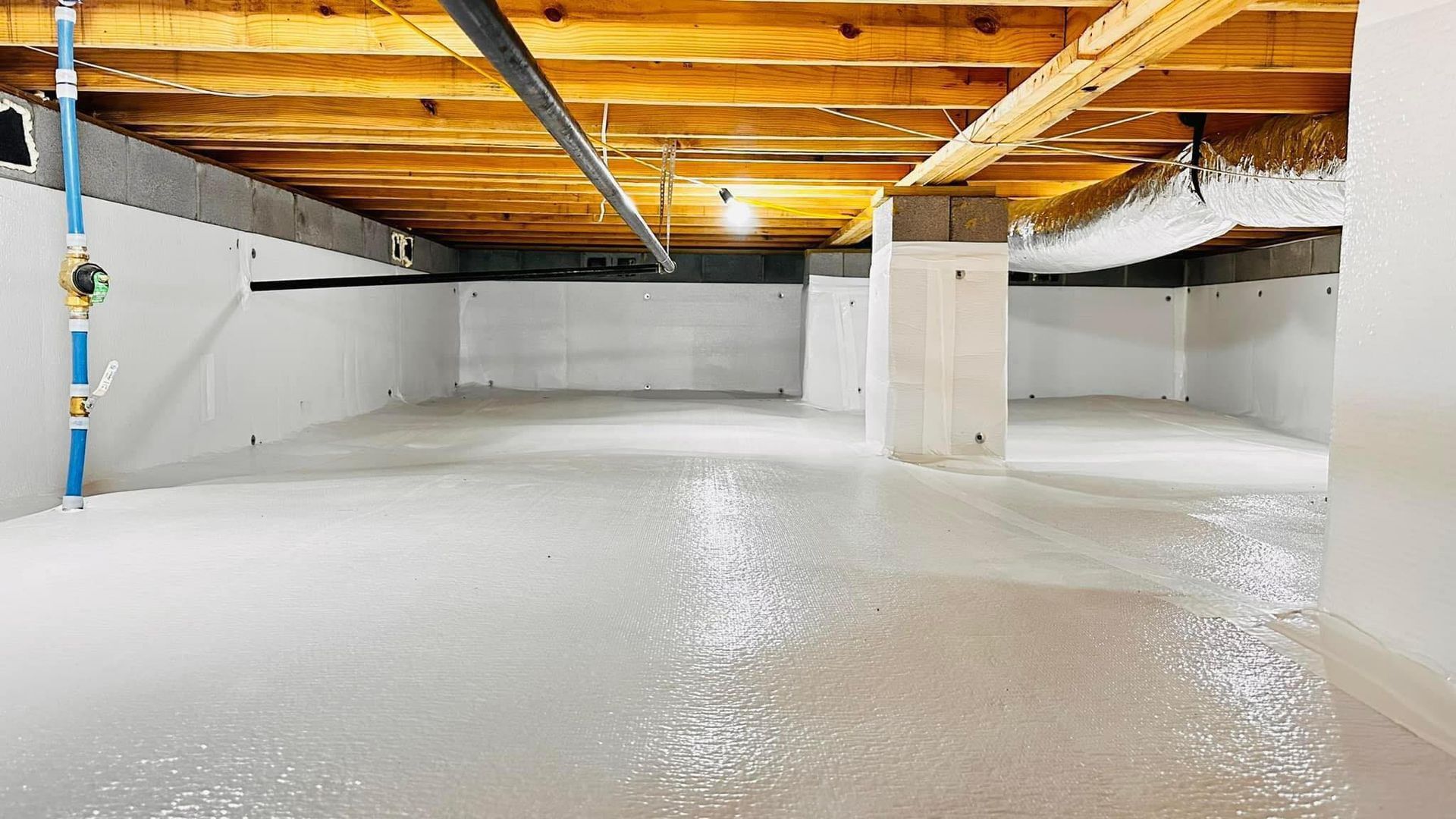
I'm standing in a crawl space in Hendersonville, Tennessee. It's already been encapsulated.
The homeowner didn't have this work done - it came with the house when they bought it.
And now they're dealing with problems that never should have happened.
A pest control company did the original work. Sump pump in the wrong spot.
Dehumidifier set at the wrong humidity level and sitting 10 feet from the door.
Float switch that doesn't work right. Unsealed vents. The whole encapsulation is basically a waterbed.
This is what happens when the wrong company does crawl space work.
The homeowner is about to pay for the same job twice.
Not because they cut corners. Not because they chose the cheapest bid.
Because someone who doesn't specialize in crawl spaces tried to do crawl space work.
The Specialization Problem
Here's the thing about pest control companies doing encapsulation - most of them shouldn't.
There's one pest control company in Nashville that does crawl space work the right way. They subcontract it out to me. The rest? This is what you get.
I'm not saying this to trash anybody. I'm saying it because homeowners need to understand. A company can be great at pest control and terrible at crawl spaces. Those are two completely different skill sets.
Encapsulation isn't just laying down plastic and throwing in a dehumidifier. You need to understand drainage. You need to know where to put the sump pump and why. You need to know how humidity works, how air moves, what settings actually make sense for this climate.
When a company tries to expand into crawl space work without really understanding it, you end up with jobs like this one. It looks done. But it doesn't work right. And the homeowner is the one who pays for it.
The Mistakes We Found
Let me walk you through what's wrong here.
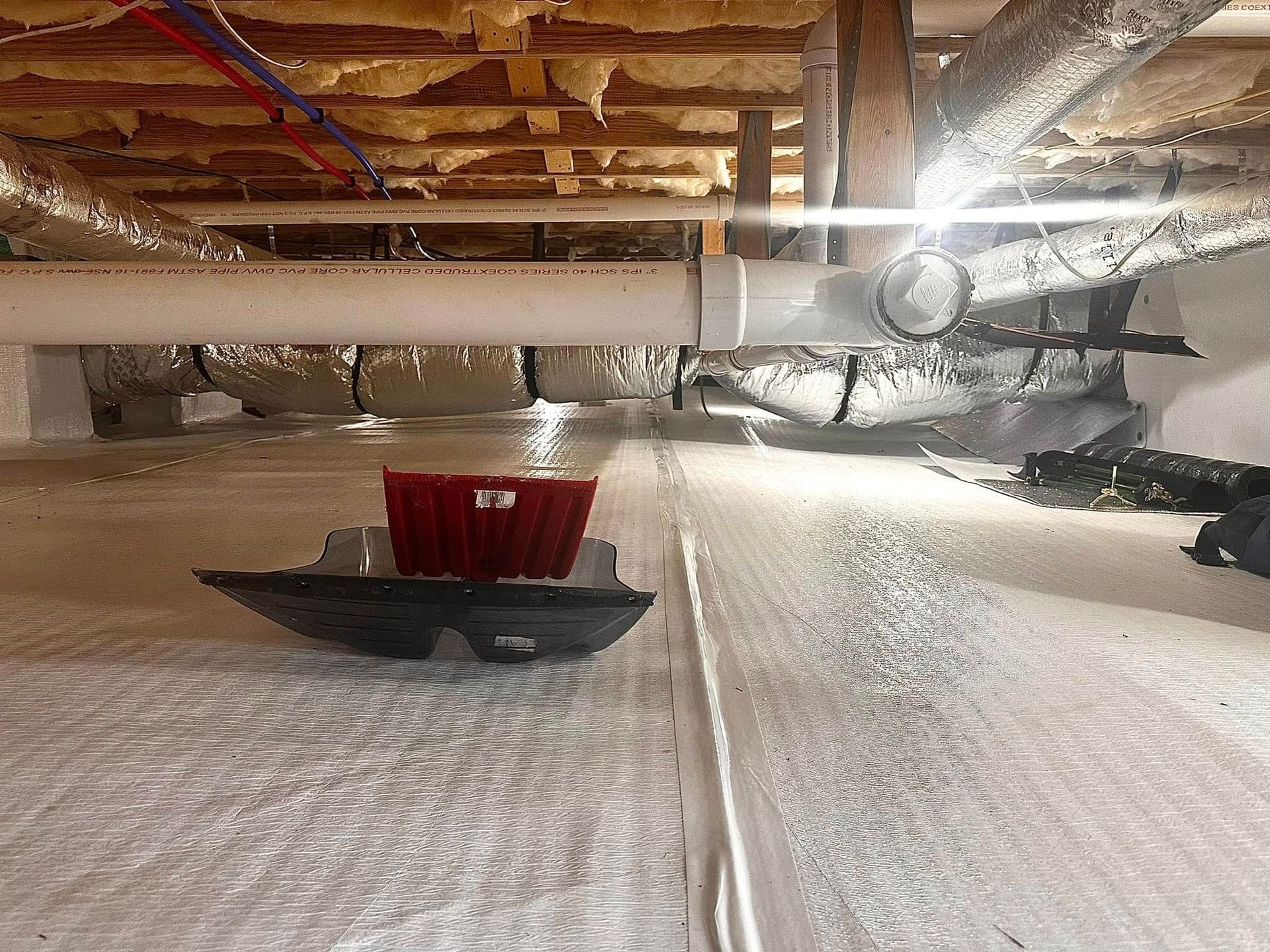
First, there's a Hydraway drainage system installed. Sounds good, but the whole thing is like a waterbed. It's not draining properly.
The sump pump isn't in the lowest spot of the crawl space. They put it where it was convenient, not where it needed to be. And the float switch - it has to flip completely upside down to turn the pump on. That's not how it should work. You want a stationary float switch that kicks on when the water hits a certain level. Simple. Reliable.
The dehumidifier is set at 40% humidity. Way too low. It's going to run constantly, drive up the electric bill, and burn itself out years before it should. I set mine in the 50s. It keeps the humidity where it needs to be without overworking the unit.
And the dehumidifier placement - 10 feet from the door. You want it in the middle of the crawl space so it's actually doing its job evenly. Sitting by the door doesn't make sense.
The vents are unsealed. The whole system isn't working together the way it should.
None of this is one big dramatic failure. It's a bunch of small mistakes that add up. And now the homeowner has to deal with all of it.
Sump Pump Issues Explained
Your sump pump needs to be in the lowest spot of the crawl space. That's where water is going to collect. If you put it somewhere else because it's easier to access or closer to the door, you're just asking for problems.
Water doesn't care about convenience. It goes to the low spot. If your pump isn't there, you're going to have standing water.
The float switch matters too. A stationary float switch is reliable. It sits there, the water rises, it kicks on. Done. The kind of float switch in this crawl space has to completely flip upside down to turn on. That's not consistent. It's not reliable. And it's going to cause issues.
In this case, we're moving the sump pump to where it should be. And we're adding a second pump in the other low spot. That's what it takes to do it right.
Dehumidifier Problems
Setting a dehumidifier at 40% sounds good if you don't know what you're doing. Lower humidity is better, right?
Not really. Not in a crawl space in Tennessee.
When you set it that low, the unit runs all the time. It's working constantly to hit a number that's lower than it needs to be. Your electric bill goes up. The dehumidifier wears out faster. And you're not getting any real benefit from it.
I set mine in the 50s. That keeps the crawl space dry without overworking the equipment. The humidity sensors I give customers when the job is done show good levels. No mold. No moisture issues. And the dehumidifier isn't burning itself out trying to hit an unrealistic target.
Placement matters too. A dehumidifier 10 feet from the door isn't doing much for the rest of the crawl space. You want it in the middle so the air circulates evenly. That's how you actually control humidity.
We're moving this unit to the center and switching it out for an AprilAire. I like AprilAire because I can fix them and they have a better warranty. The unit that's in here now is fine as a temp unit - I actually keep one in my warehouse for drying out crawl spaces while we're working. But it's not what you want as a permanent solution.
What Proper Encapsulation Looks Like
A crawl space encapsulation isn't just one thing. It's a system. And every part of that system has to work together.
You need proper drainage so water doesn't collect under the vapor barrier. You need a sump pump in the right location with the right kind of float switch. You need a dehumidifier that's sized correctly, set at the right humidity level, and placed where it can actually do its job.
The vapor barrier itself needs to be installed right - not like a waterbed, but properly sealed and secured so it's controlling moisture the way it's supposed to.
And all of this has to make sense for your specific crawl space. The layout. The drainage patterns. The size. There's no one-size-fits-all approach.
When companies treat encapsulation like a checklist - throw down some plastic, drop in a dehumidifier, install a pump - you end up with jobs that look done but don't actually work. That's the difference between getting it done and getting it done right.

Ready to Get It Done Right?
If you're dealing with crawl space issues - or you just want to know if your existing encapsulation is actually working - reach out.
We offer free inspections for homeowners in the Nashville area. I do them all myself. We'll look at what's going on, talk through your options, and give you an honest assessment.
And if you're one of the homeowners dealing with someone else's bad work, we fix that too. We've seen it all. We know how to make it right.
Call or text me directly. No pressure. Just straight answers about what you're dealing with and what it takes to fix it.
That's how we do things at Crawl Logic.