What It Takes to Turn a Crawl Space Into a Usable Space
Introduction
Making Your Crawl Space Work for You
STORAGE, SHELTER, AND REAL SQUARE FOOTAGE
We just wrapped up a job in Lebanon, Tennessee. The homeowner had a tall standup crawl space and wanted to do something with it. They needed storage. They wanted a safe spot to go if a tornado warning came through. They saw potential where most people just see a dark space under the house.
So we turned it into exactly what they needed.
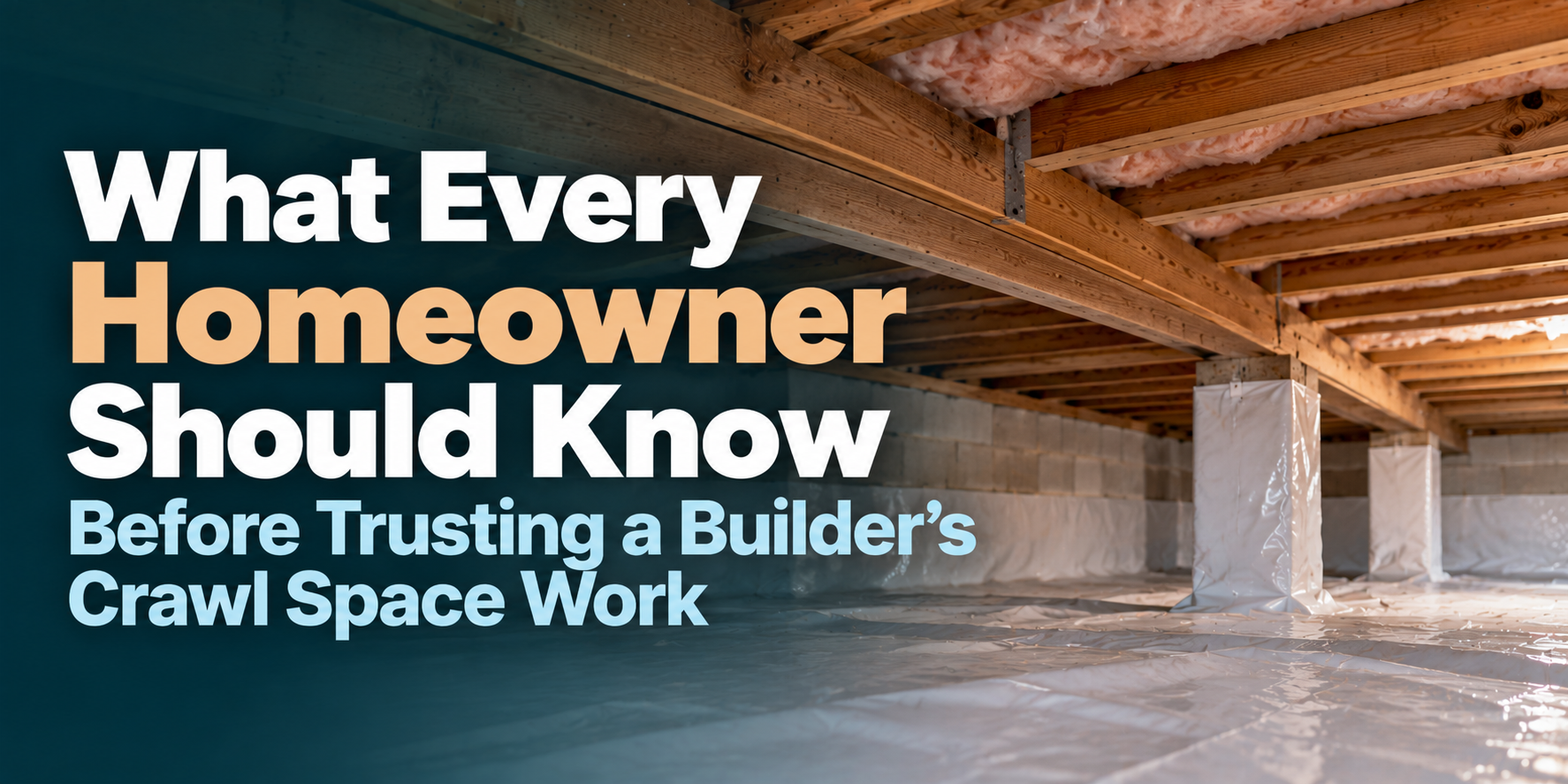
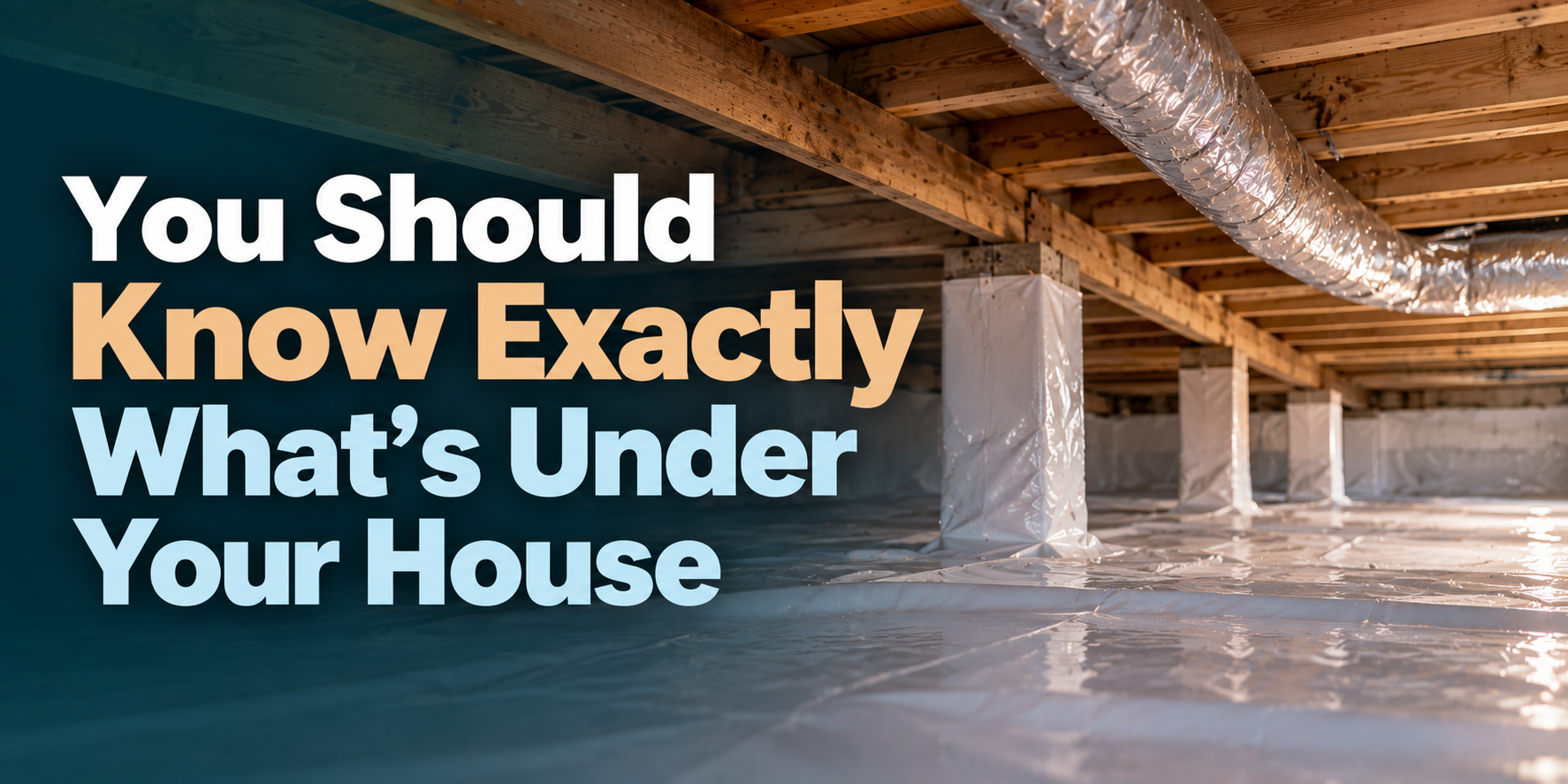
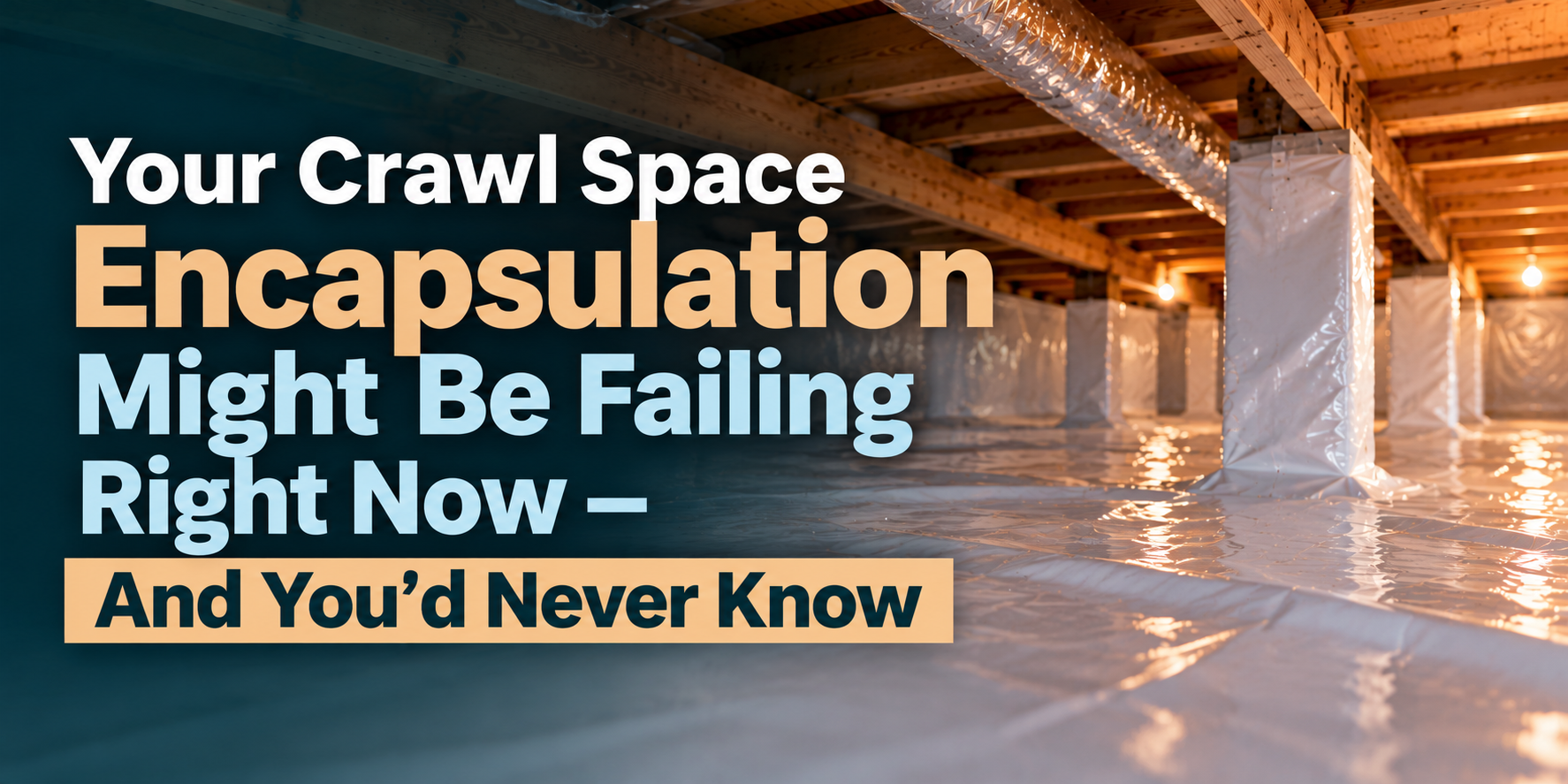
Full 125mil encapsulation with drain mat. Rodent proofing. Lights installed. Sealed tight. Now they've got clean, dry, protected space they can actually use. Not just a crawl space. Real square footage.
Most people don't think about this as an option. But if you've got the height down there, why not make it work for you?

The Reality of Wasted Space
Here's the thing - a lot of homes have crawl spaces that just sit there doing nothing. At best, they're empty. At worst, they're full of moisture, pests, and problems you don't want to deal with.
But if you've got a tall crawl space - one where you can stand up and walk around instead of crawling on your hands and knees - that's potential square footage you're not using.
Most people assume a crawl space is just what it is. A necessary gap between your house and the ground. But when you've got five, six, seven feet of clearance under there, it's a different story. That's usable space if you do the work to make it right.


What It Takes to Make a Crawl Space Usable
You can't just throw some stuff down there and call it storage. If the space isn't encapsulated properly, you're asking for problems.
First, you need a full encapsulation. For this job in Lebanon, we used 125mil liner with drain mat. That's thick, durable material that keeps moisture out and protects everything above it. It's not just a vapor barrier. It's a real foundation for turning the space into something usable.
Rodent proofing comes next. You don't want mice, rats, or anything else moving in with your belongings. We seal every entry point so nothing's getting in there.
Lighting matters more than people think. A dark crawl space is one you're not going to want to use. We installed lights so the homeowner can see what they're doing, find what they need, and feel comfortable going down there.
And everything gets sealed tight. No gaps. No weak spots. No places for humidity to creep in. If you're going to use the space, it needs to stay dry and clean long-term.
Real Uses for an Encapsulated Crawl Space
This homeowner in Lebanon wanted storage and a storm shelter. That's smart. Middle Tennessee gets its share of severe weather, and having a safe spot below ground gives you peace of mind when the sirens go off.
But storage and storm shelter aren't the only options. Some people use the space for seasonal items - holiday decorations, camping gear, things you don't need every day but want to keep protected. Others have turned it into a workshop or hobby area if there's enough room.
One customer even called it their "secret hideaway." A quiet spot away from everything else.
The point is, if you've got the height and you do the work right, the space can be whatever you need it to be. It's not wasted square footage anymore.
Why This Setup Works in Middle Tennessee
We're in tornado alley. Spring storms roll through, warnings get issued, and people need somewhere safe to go. A properly encapsulated crawl space gives you that option without building a whole separate storm shelter.
A lot of homes in this area have taller foundations too. Older homes especially. They were built with crawl spaces you can stand up in, which makes them perfect candidates for this kind of project.
And honestly, people around here are practical. They see an opportunity to use space they're already paying for, and they take it. Why let it sit empty when it could be working for you?
What to Consider Before Turning Your Crawl Space Into Storage
Not every crawl space works for this. The first question is height. If you're crawling around on your hands and knees, it's probably not worth converting into usable space. But if you can stand up comfortably, you've got something to work with.
Next, you need to look at the condition. Is it already encapsulated? If not, that's step one. Is there standing water? Structural issues? Problems with the foundation? Those need to get handled before you think about storage or anything else.
And be honest about what you're trying to accomplish. If you just need a spot to throw some boxes, that's one thing. If you want a clean, safe space you'll actually use regularly, the investment needs to match that goal.
If you're not sure, get someone down there who knows what they're looking at. It's worth getting a real assessment before you start.
How We Approach These Projects
When someone calls and says they want to use their crawl space for storage, the first thing I do is go look at it. I need to see the height, the condition, what we're working with. Not every space is going to work, and I'm not going to tell you it will if it won't.
If it makes sense, I'll walk you through what's needed. Full encapsulation. Rodent proofing. Lighting. Sealing. I'll explain what each piece does and why it matters. No upselling. Just the work that needs to happen for the space to function the way you want it to.
We treat it like any other part of your home. Because if you're going to use it, it should be just as clean and protected as the rooms upstairs.

Ready to See What's Possible?
If you've got a tall crawl space and you're wondering whether you can do something with it, reach out. I'm happy to come take a look and give you an honest answer.
We offer free inspections for homeowners in the Nashville area and surrounding counties like Lebanon. I handle the inspections myself. No pressure, no gimmicks. Just a straightforward conversation about what's possible and what it takes to get there.
You can call or text me directly. Let's figure out if that space under your house can work harder for you.
That's what we do at Crawl Logic.