How to Compare Crawl Space Quotes the Right Way
Introduction
One Job. Two Quotes. $24,000 Apart.
WHAT THAT GAP TELLS YOU - AND HOW TO PROTECT YOURSELF BEFORE YOU SIGN ANYTHING
Last week I sat across from a homeowner who had three quotes on the table. One was close to mine. The other was from a big national company. Same crawl space. Same square footage. Same scope of work. My quote was $16,000. Theirs was $40,000.
That's a $24,000 difference. For the exact same job.
This isn't a rare situation. It happens all the time in this industry. And most homeowners have no idea it's coming — because nobody teaches you how to read a crawl space quote before you need one.
That's what this is for.
Why the Gap Exists
Big national companies carry a lot of overhead. Regional managers, call centers, commission-based sales reps, branded trucks, national advertising. That cost has to go somewhere. It goes into your quote.
That doesn't mean their work is better. It means their business model is more expensive to run — and you're the one paying for it.
A local owner-operator doesn't carry that weight. So the same materials, the same labor, and the same finished product can cost a fraction of what a brand name charges.
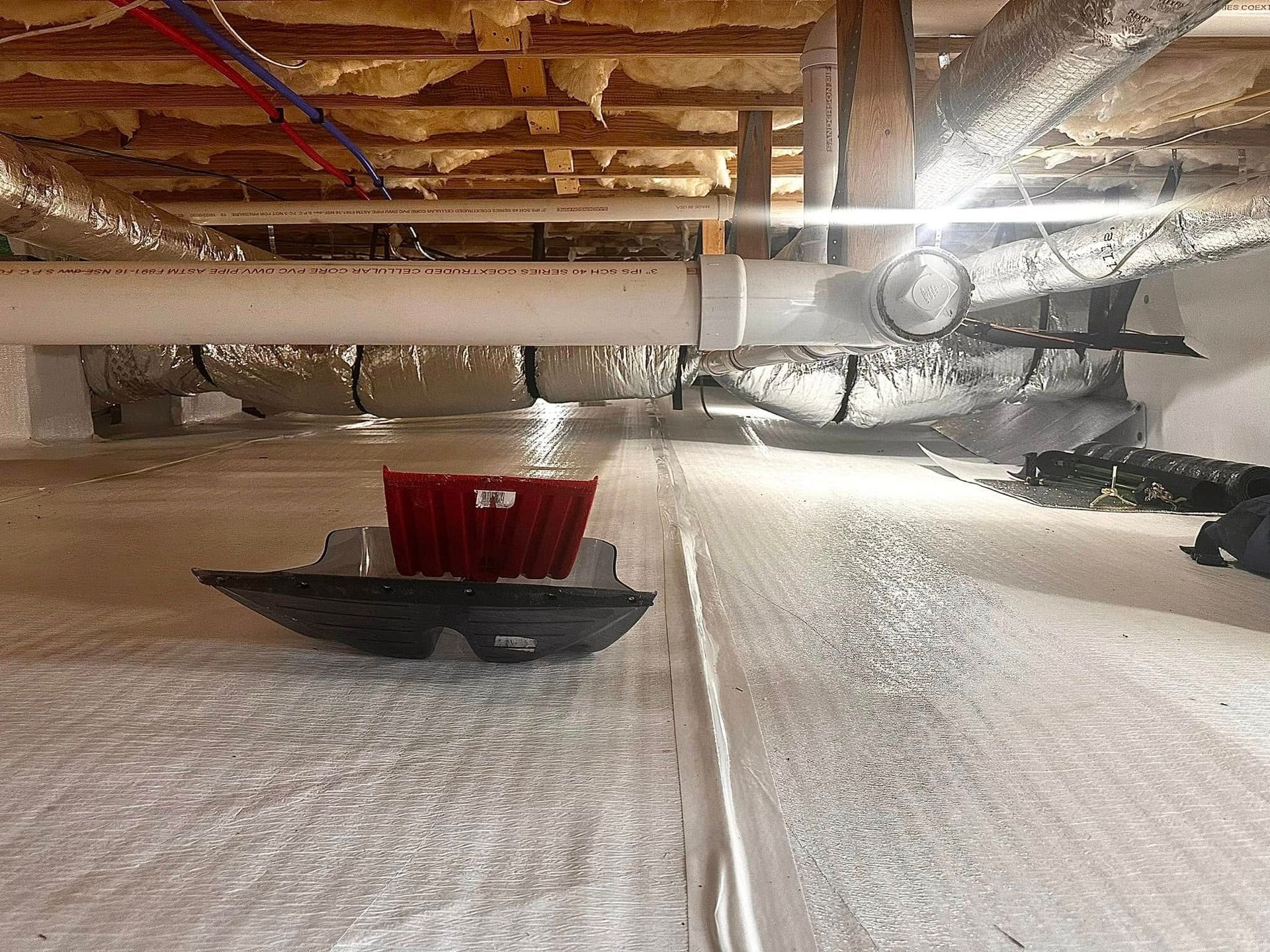
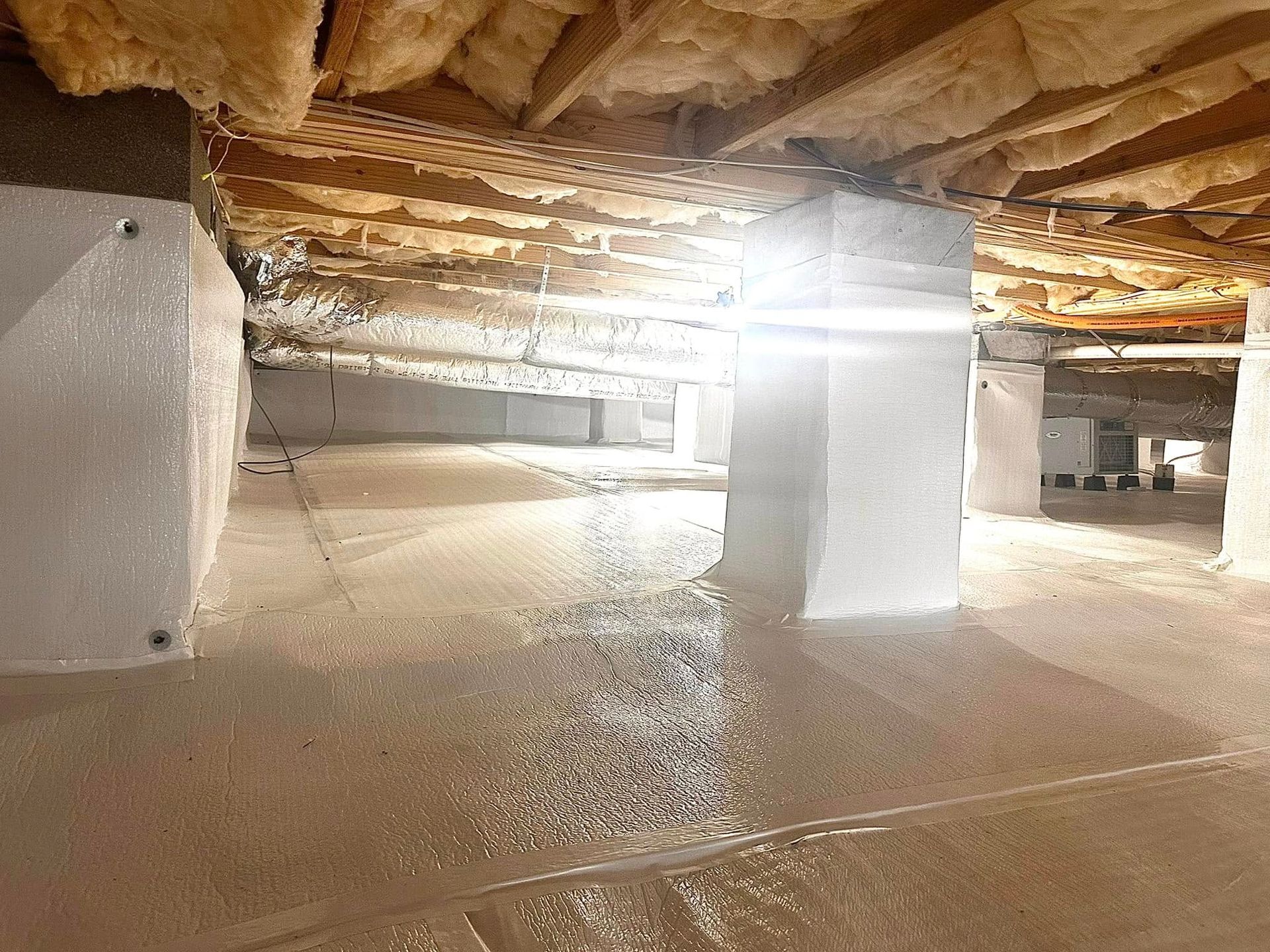
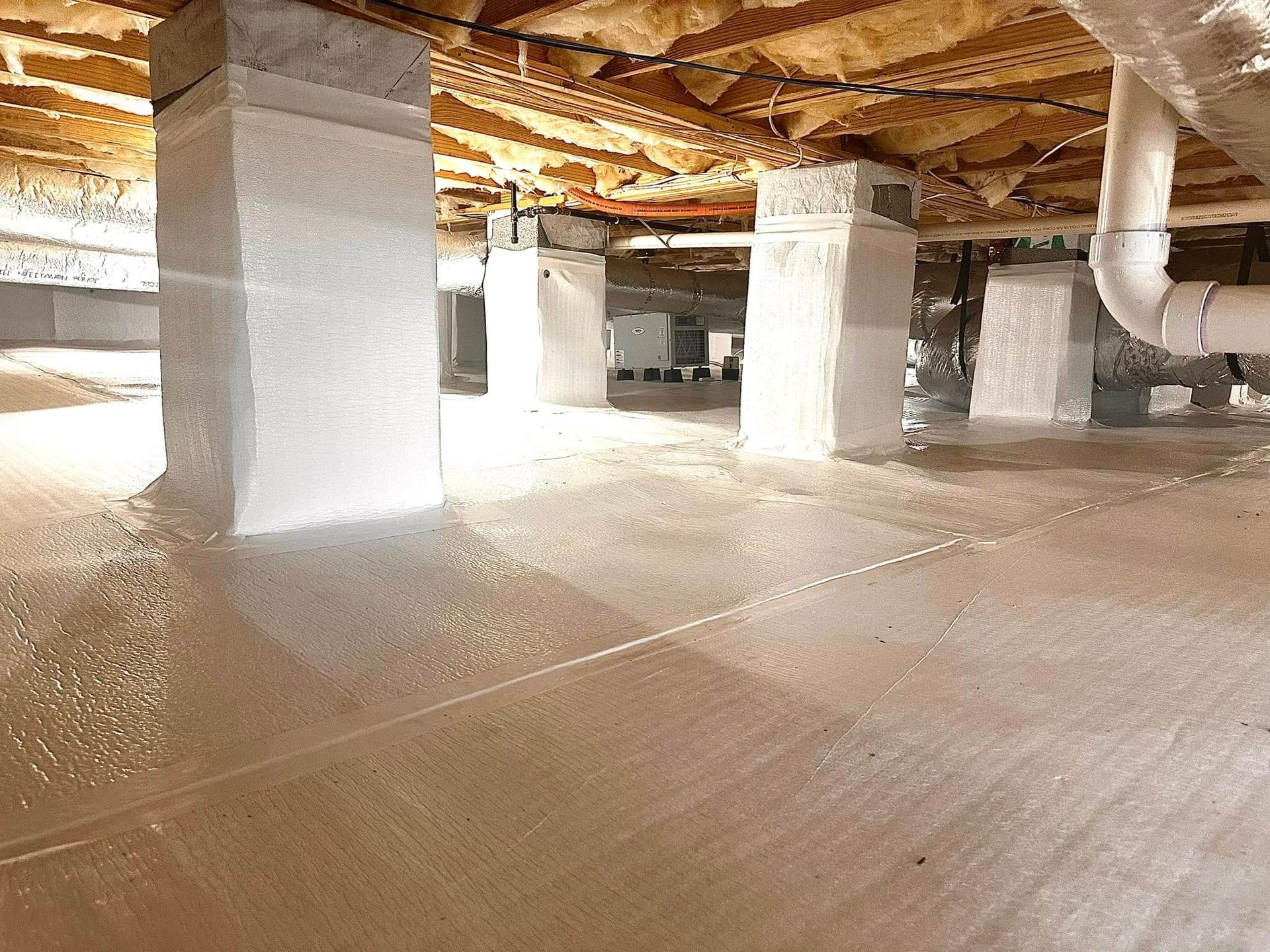
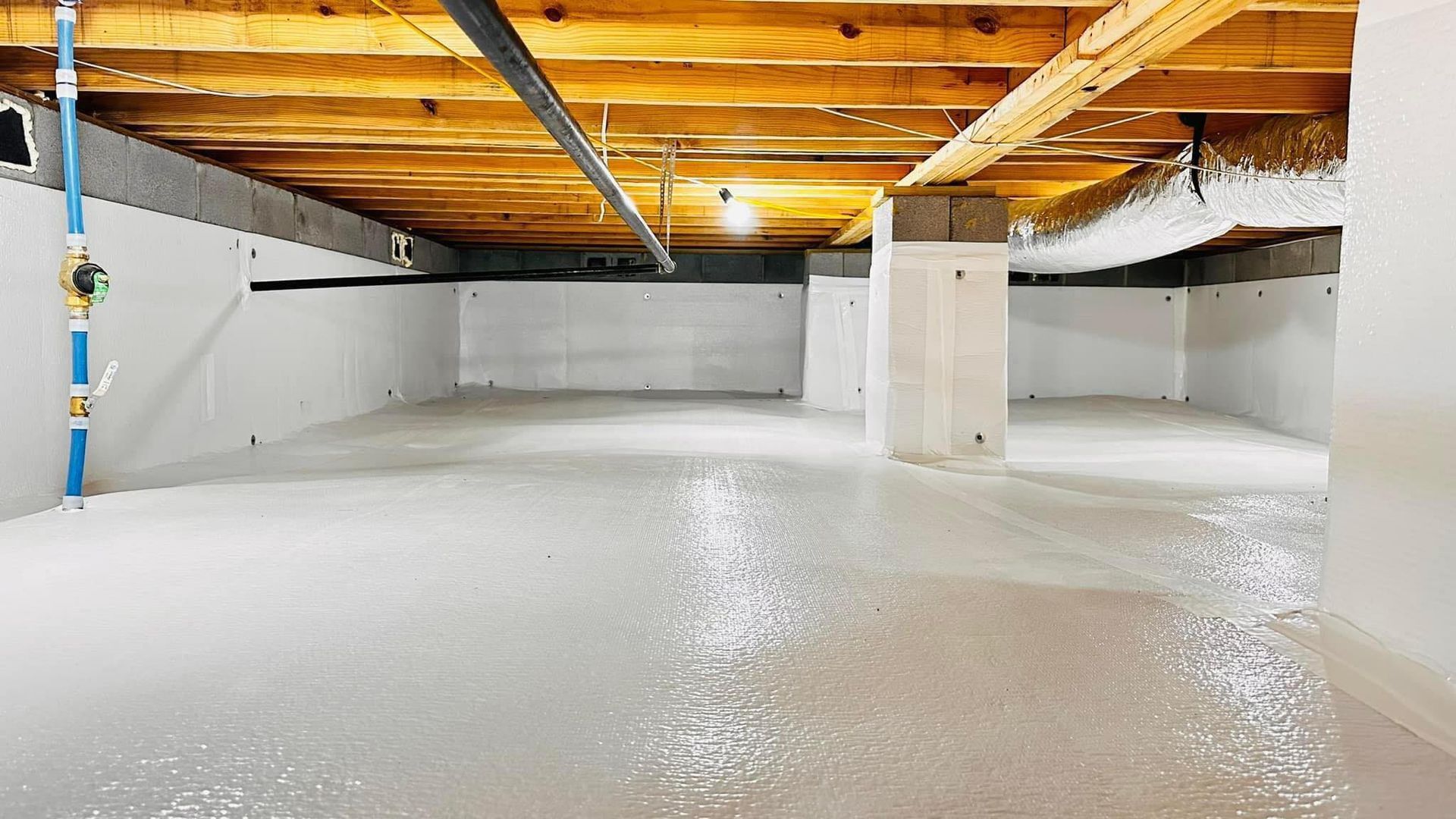
What to Actually Compare
Getting three quotes is the right move. But only if you're comparing the right things.
Price alone will mislead you. Here's what actually matters:
What's included line by line. Two quotes can look identical at a glance and be completely different underneath. Ask for a full breakdown. If a company won't give you one, that tells you something.
The warranty. How long is it? What does it cover? Who do you call if something goes wrong — a 1-800 number or the person who did the work?
What's not included. Some companies leave out things that should be standard. A moisture sensor, for example, is a simple device that tells you the condition of your crawl space year round. It costs almost nothing to include. Some companies leave it out anyway. If it's not on the quote, ask why.
Reviews — and who they're actually about. A big company might have hundreds of reviews. But are they about the company or about the specific crew that shows up at your house? Those are two different things.
Who shows up to do the work. Did the person who sold you the job ever go under a house? Will the owner ever see your crawl space? These questions matter more than most homeowners realize.
The Simple Rule
Get three quotes. Then line them up and compare them on warranties, what's included, and reviews. Don't let a brand name do the thinking for you.
A higher price doesn't mean better work. And a lower price doesn't mean cut corners. The only way to know is to look at what's actually in the quote.
Questions to Ask Before You Sign
A good contractor should be able to explain every part of their quote without making you feel pressured to sign.
Before you make a decision, ask a few simple questions:
- Why are you recommending this solution? Make sure the work addresses the actual problems in your crawl space.
- What materials will you use? Ask about vapor barrier thickness, dehumidifier brands, and drainage systems.
- Will there be any additional charges? Find out what could change the final price once work begins.
- How will I know the job was done right? Ask whether you'll receive photos or videos of the completed work.
- What happens if something goes wrong later? Understand who handles repairs, warranty claims, and follow-up service.
Pay attention to how the contractor answers. Someone who knows their work should be able to explain it in plain English.
You're not just paying for a finished crawl space. You're paying for the quality of the work and the confidence that it was done right.
And you deserve to understand both before spending thousands of dollars.

Ready to Get a Quote You Can Actually Trust?
At Crawl Logic, every quote includes a full breakdown of exactly what we're doing and why. No pressure. And I personally inspect every job before you pay a dime.
You'll get a real quote from someone who's been under thousands of crawl spaces — and you'll know exactly what you're comparing.