On a Tight Budget? Here's What You Need to Know About Your Dehumidifier
Introduction
Keeping Your Existing Dehumidifier
WHAT ACTUALLY MATTERS WHEN MONEY IS TIGHT
I checked a crawl space in Fairview yesterday morning. The homeowner already had a dehumidifier installed under the house by another company. Less than a year old. Working, but not working well.
This comes up more than you'd think. Someone already has a unit down there, money's tight, and they're wondering if they really need to replace it or if there's a way to make what they have work.
The answer isn't always "buy a new one." Sometimes it's about fixing what's already there. Let me walk you through what I found and how I think about these situations.

What We Found in Fairview
The unit itself was an AlorAir, installed less than a year ago. Not a bad brand. The problem wasn't the dehumidifier. It was everything around it.
Whoever installed it never sealed the vents. That meant outside air was constantly getting into the crawl space, forcing the dehumidifier to run nonstop just to keep up. It wasn't broken. It was just working twice as hard as it needed to.
This happens a lot. People assume if the dehumidifier is running all the time, it means the unit is bad or undersized. Sometimes that's true. But a lot of times, the real issue is what's happening around it. Vents left open. Gaps that weren't sealed. Basic steps that got skipped during the install.



When It's Okay to Keep Your Existing Unit
I get it. Not everyone has room in the budget to replace a dehumidifier that's still running, even if it's not running the way it should. And here's the truth. You don't always have to.
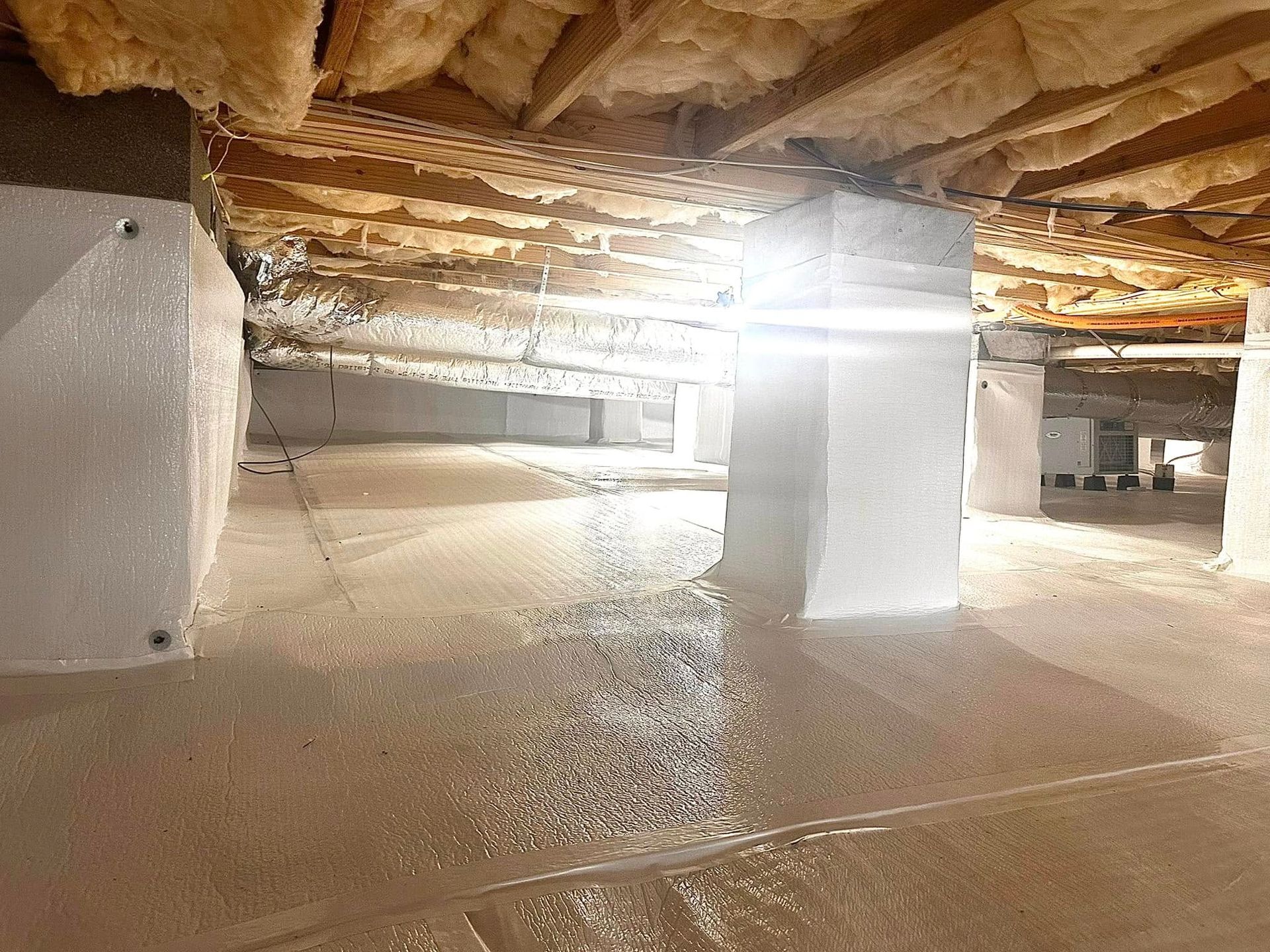
If the unit is still functional and it's not too far gone, sometimes the smarter move is to fix what's wrong around it instead of ripping it out. In the Fairview case, the vents just needed to be sealed properly. That alone would take a lot of the strain off that unit and let it do its job the way it was designed to.
Replacing a dehumidifier is a bigger expense than most people want to deal with, especially if the one you have isn't actually broken. If your budget is tight, it's worth finding out whether the problem is the unit itself or something simpler that's making it work harder than it should.
What the Unit Actually Needs to Be
Here's where I have to be straight with you. Not every dehumidifier is built to handle a crawl space, no matter how good of a deal you got on it.
A unit from Home Depot that's meant for a bedroom or a basement living space is not going to hold up under your house. Crawl spaces deal with higher humidity, tighter spaces, and tougher conditions. You need a unit that's actually built for that environment. Brands like AprilAire make units specifically for this, like the E70 or E100, depending on the size of your space.
It also has to be sized correctly. A dehumidifier that's too small for your square footage is going to run constantly and still struggle to keep up, even with everything else done right. Part of what I do during an inspection is check that sizing and make sure whatever is down there, new or existing, can actually handle the space it's working in.
How We Handle This With Clients
When I'm inspecting a crawl space with an existing dehumidifier, I don't automatically push for a replacement. I look at the whole picture first.
If the unit is in decent shape and worth keeping, I'll recommend maintenance instead of replacement. That usually means buying a good filter and having the unit serviced regularly. I'll repair it as needed instead of telling you to spend money you don't need to spend.
If someone does decide to replace their unit, I also offer a small discount to take the old one off their hands. I like tinkering with dehumidifiers, so it works out for both of us. But that's never the push. My priority is making sure you have what you actually need, not what pads the invoice.
Why Vents and Setup Matter More Than Brand
You can have the best dehumidifier on the market, and it still won't perform right if the setup around it is wrong. That's really the lesson from the Fairview job. The AlorAir unit wasn't the problem. The unsealed vents were.
When vents aren't sealed properly, outside air keeps finding its way in. Humid air, hot air, whatever's happening outside that day. The dehumidifier has to work against that constantly, which means it runs more, wears down faster, and still might not keep your crawl space as dry as it should be.
This is why I always look at the whole system, not just the equipment. A great dehumidifier with a bad setup is going to underperform. A decent dehumidifier with everything sealed up right can outperform expectations. The install matters just as much as the unit itself.
Questions to Ask Before Replacing Your Dehumidifier
If you're dealing with a dehumidifier that doesn't seem to be working right, here are a few things worth asking before you spend money on a replacement.
Is this unit actually made for a crawl space? Not every dehumidifier is built for that environment, no matter what the box says.
Is it sized correctly for your square footage? A unit that's too small will struggle no matter how good it is.
Were the vents sealed properly when it was installed? This is the one people miss the most, and it can make a working unit look like it's failing.
Has it been maintained? A dirty filter or a unit that's never been serviced can cause problems that have nothing to do with the dehumidifier itself.
Getting honest answers to these questions can save you from replacing something that didn't need to be replaced in the first place.

Ready to Get Your Crawl Space Checked?
If you're not sure whether your current dehumidifier is doing its job, or if you're on a budget and trying to figure out your best option, I'm happy to come take a look.
I offer free inspections for homeowners in Nashville and the surrounding areas, including Fairview. I'll check your existing setup, let you know honestly whether it's worth keeping or replacing, and walk you through what makes sense for your budget and your home.
No pressure, no upselling. Just a straight answer based on what I actually see under your house.