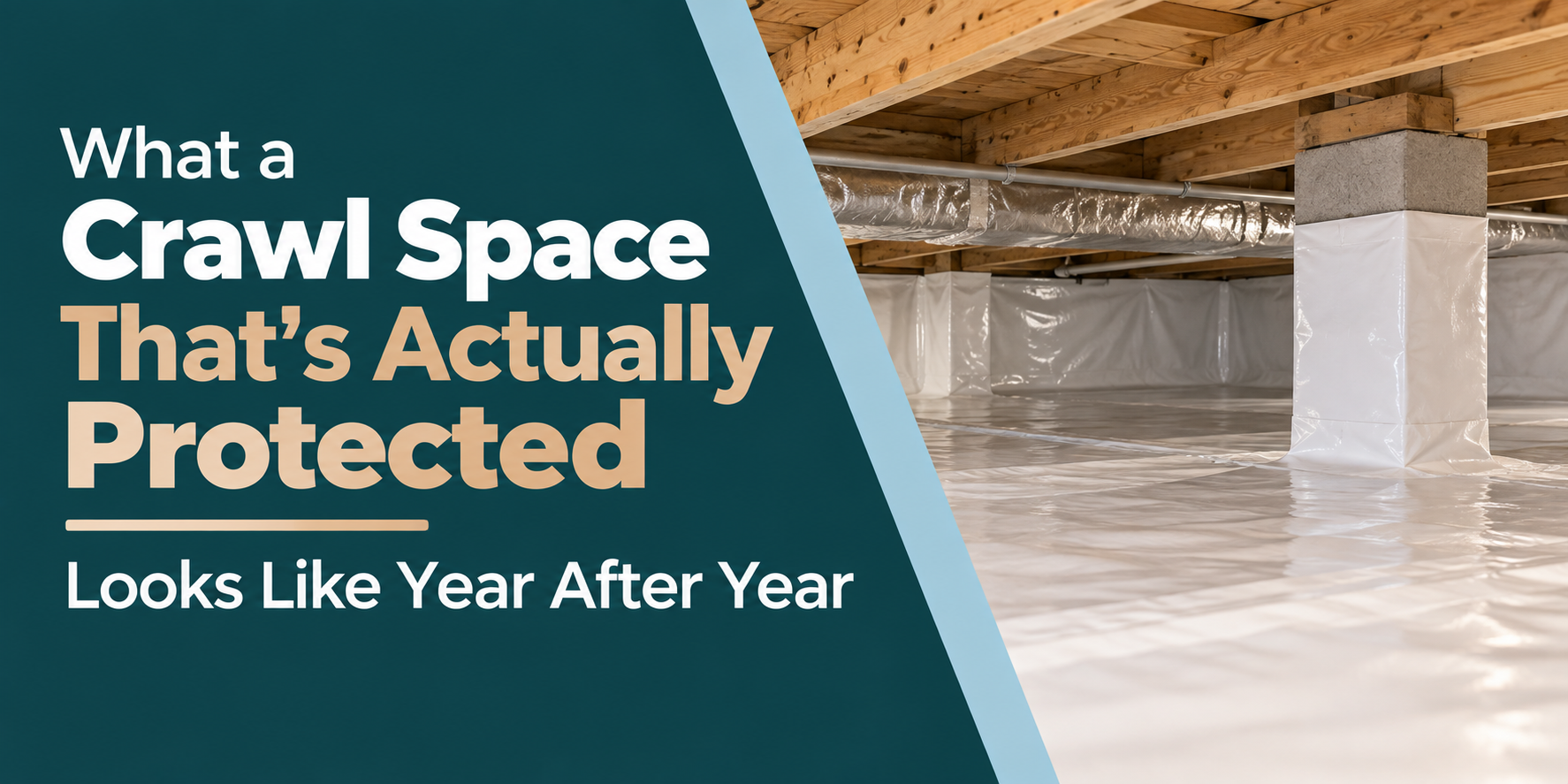
How to Tell if Your Crawl Space Jacks Were Installed Correctly
Introduction
A High Price Doesn’t Guarantee a Proper Jack Installation
WHAT HOMEOWNERS NEED TO CHECK BEFORE TRUSTING THE WORK UNDER THEIR HOME
Most homeowners never go back under their house after the job is done.
They paid the invoice. They got the paperwork. They assumed everything was handled correctly because the company seemed professional and the price was high enough to feel legitimate.
But here's the thing — the price tag doesn't follow the crew under the house. And once that crawl space is sealed up, nobody's checking.
We recently inspected a crawl space in Nashville that cost the homeowner somewhere between $15,000 and $20,000. Big corporate company. Branded trucks. Professional sales process.
And the jacks were wrong.
Not slightly off. Wrong enough that the entire structural support system was compromised — on a job that cost as much as a used car.
Here's what you need to know.
First — What Are Crawl Space Jacks?
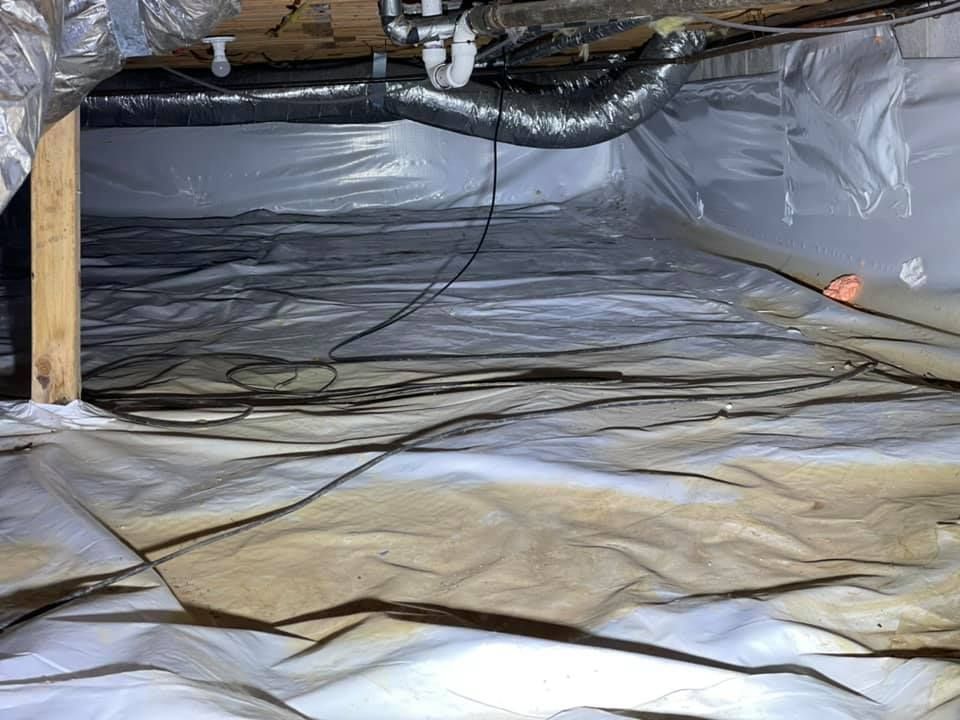
Crawl space jacks — sometimes called support posts or adjustable steel columns — are what hold your floor up from underneath. If your home has a crawl space, these jacks transfer the weight of your floor down to the ground below it.
When they're spaced correctly, your floor is properly supported. Weight is distributed evenly. The structure does what it's supposed to do.
When they're spaced too far apart, that support disappears in the gaps. Floors can sag. Joists carry more load than they were built to handle. And the problem usually gets worse slowly — which means most homeowners don't notice until it's become something much more expensive to fix.
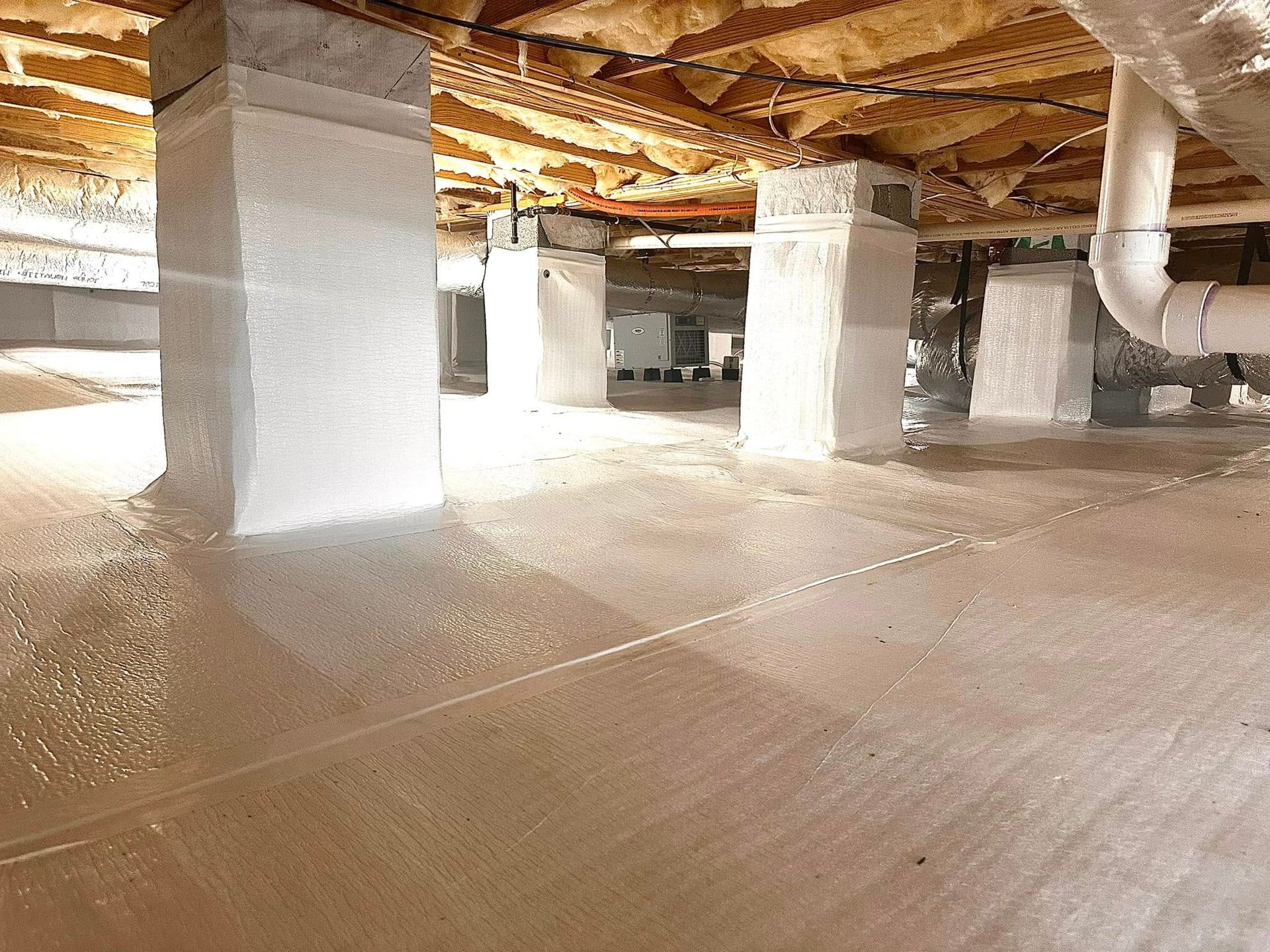
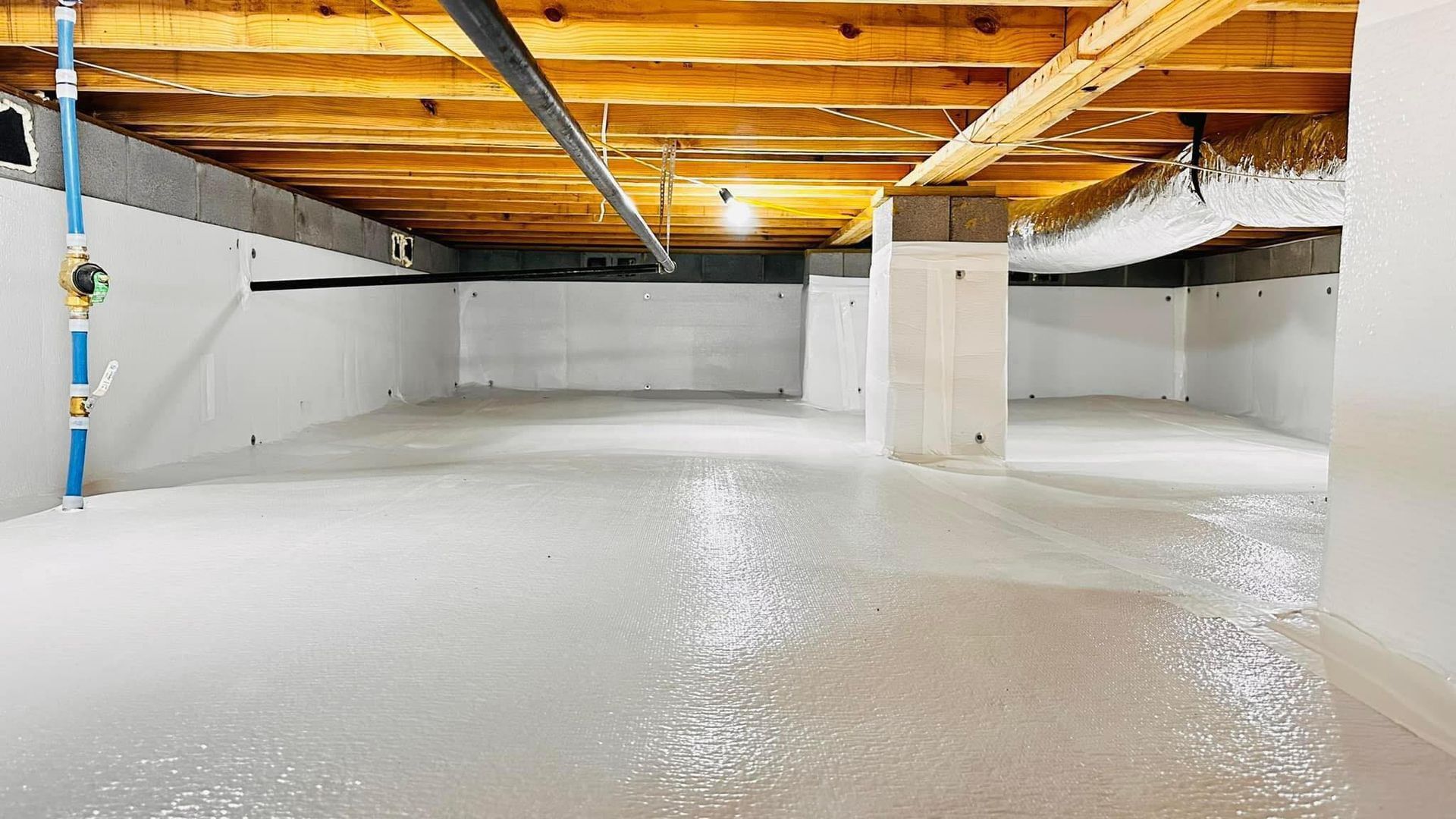
The Standard You Need to Know
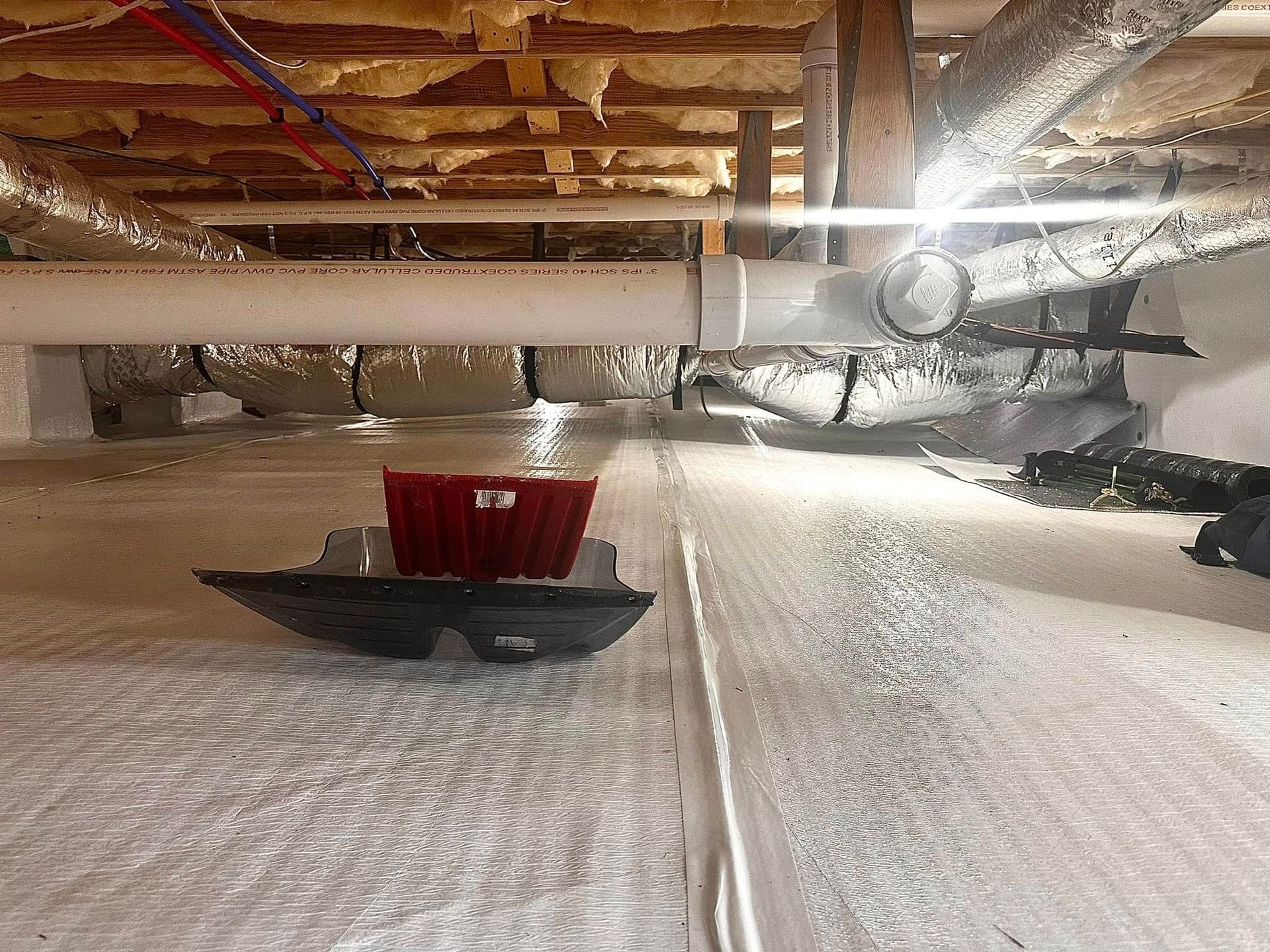
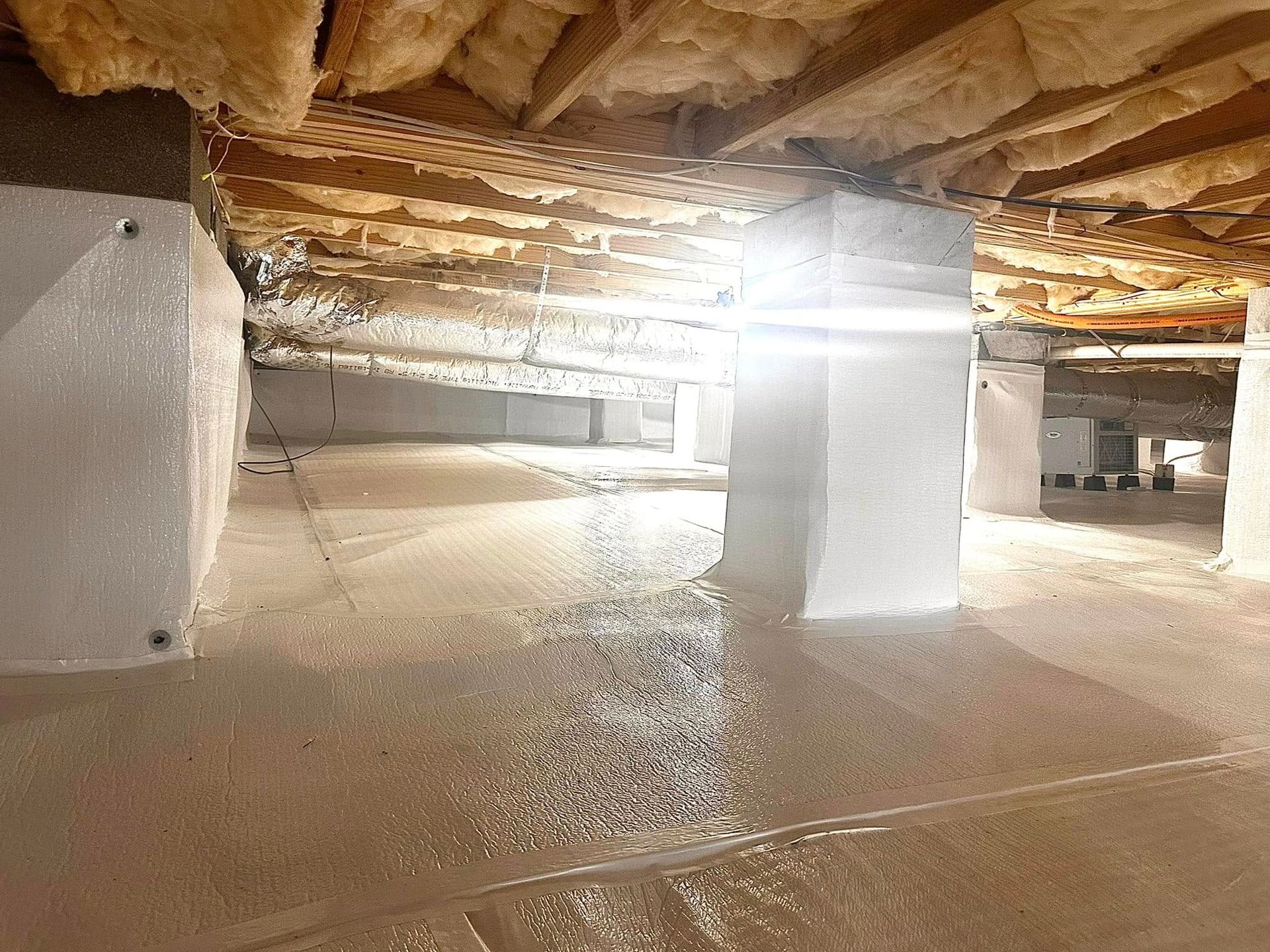
One jack every 4 to 5 feet.
That's it. That's the number. It's not complicated and it's not a secret — but most homeowners have never heard it because nobody in this industry tells them.
If you already have jacks installed, you can check this yourself. Grab a tape measure. Go under the house or have someone do it for you. Measure the distance between jacks along the same beam.
4 to 5 feet — you're in good shape.
Anything beyond that — you have a problem worth looking into
What We Actually Found
On the job we're talking about here, jacks were spaced every 7 to 8 feet.
That's nearly double the correct spacing. On a job that cost the homeowner up to $20,000.
This wasn't a cheap fly-by-night operation. This was a large regional company with a full sales team and a polished process. The homeowner had no reason to doubt them.
But the salesman who built that trust wasn't the one doing the installation. And nobody went back to check.
When jacks are spaced 7 to 8 feet apart instead of 4 to 5, the floor between them is carrying load it shouldn't have to carry alone. Over time that shows up as soft spots, squeaks, or visible sagging. By the time most homeowners notice, the correction costs more than getting it right the first time would have.
One Question That Tells You a Lot
Before you hire anyone to work on your crawl space, ask them this:
"How far apart will you space the jacks?"
A contractor who knows what they're doing answers that without hesitating. They give you a number. They might even explain why.
A contractor who doesn't know — or who's planning to cut corners — will change the subject, give you a vague answer, or tell you it depends on factors they never quite explain.
The question itself isn't a test of knowledge. It's a test of honesty. And it costs you nothing to ask it.
If the Job Is Already Done
If you've already had crawl space work done and you're not sure if it was installed correctly, you have a few options.
You can go under the house yourself and measure. You're looking for consistent jack spacing of 4 to 5 feet along each beam.
You can also look for early warning signs from inside the house — soft or bouncy spots in the floor, doors that have started sticking, or visible unevenness in hardwood or tile.
If something feels off, get a second opinion from someone who will actually go under the house and look — not just take your word for it that the last company did it right.

Not Sure Your Crawl Space Jacks Are Right? Let Us Check.
You shouldn't need to know everything about crawl space installation to protect yourself. But knowing one number — 4 to 5 feet — puts you in a completely different position than the homeowner who just trusted the invoice.
That number is the difference between a job that holds up and a job that looks finished from the outside while something quietly goes wrong underneath.
At Crawl Logic, we inspect every job personally before we collect a single dollar. Before and after photos. A full walkthrough. And jack spacing you could measure yourself.
If you want a second set of eyes on your crawl space — whether it's new work or something done years ago — give us a call. We'll tell you exactly what we find.