
Nobody tells you this before you let them under your house
Introduction
The Sales Process Was Designed to Earn Your Trust
CONFIDENCE ISN'T THE SAME AS EXPERTISE
You opened the door and saw exactly what you expected to see.
A professional. Clean shirt. Official title on the business card. Tablet in hand. Confident about what was wrong with your home and exactly how much it was going to cost to fix it.
So you listened. You trusted the process. You signed.
That's not a character flaw. That's a completely normal human response to a situation that was designed - from the ground up - to produce exactly that response.
But here's what nobody told you before he showed up.
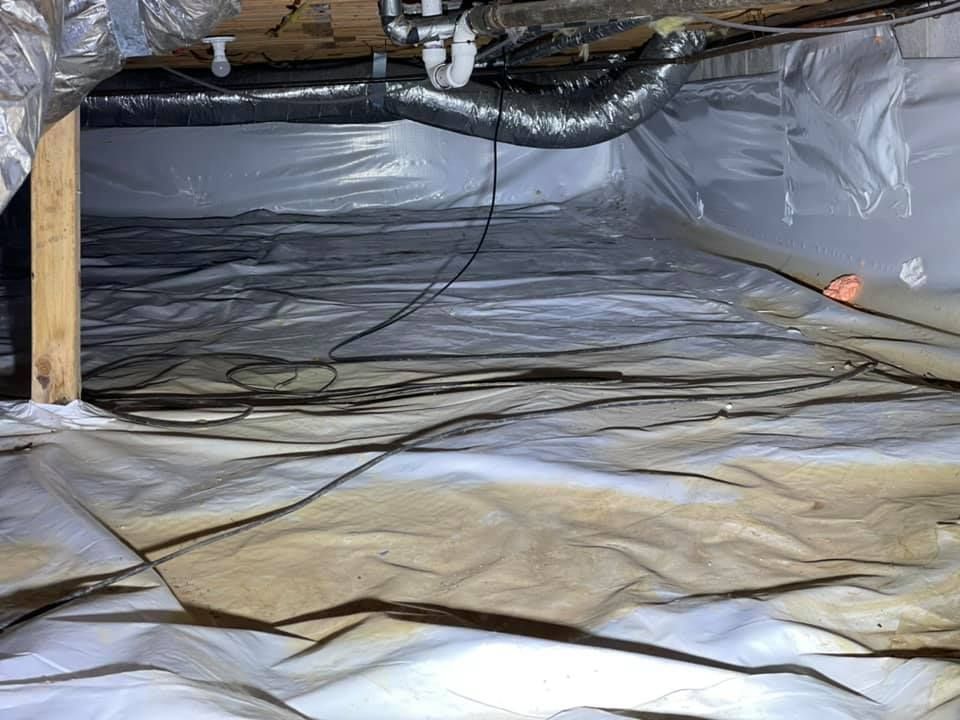
The Title Was the Product
When a big crawl space company sends someone to your door, they don't call him a salesman. They never call him a salesman.
He's a Territory Manager. A Foundation Specialist. A Waterproofing Expert. A Home Performance Advisor.
These titles exist for one reason. They make you feel like you're talking to someone who knows things you don't. Someone qualified to diagnose a problem in a part of your home you can't easily see yourself. Someone whose recommendation you can trust.
And here's the thing — that feeling is completely reasonable. In most industries, a title like "specialist" means something. It means years of training. Certifications. Real experience doing the actual work.
In the crawl space industry, it often means something very different.
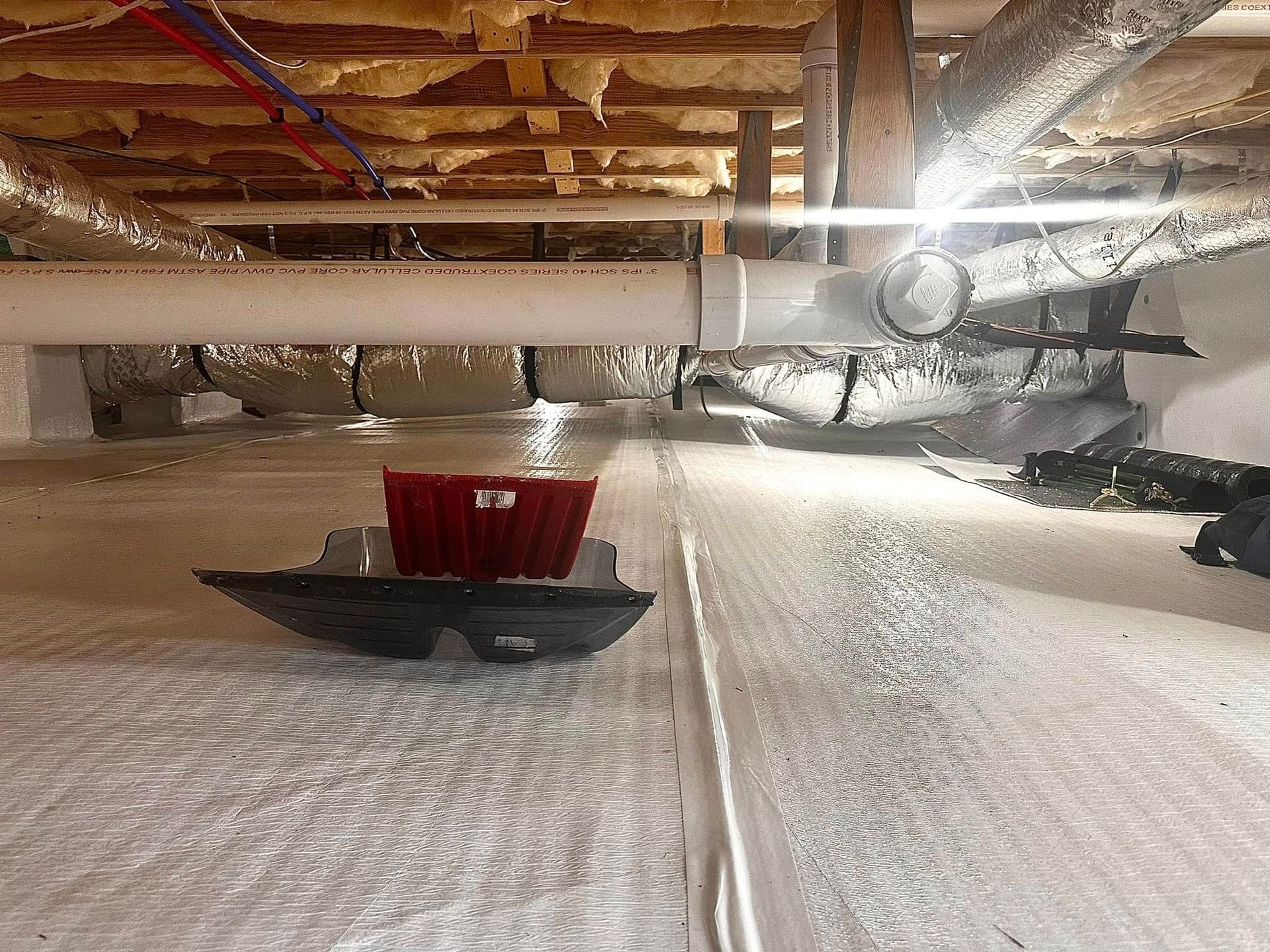
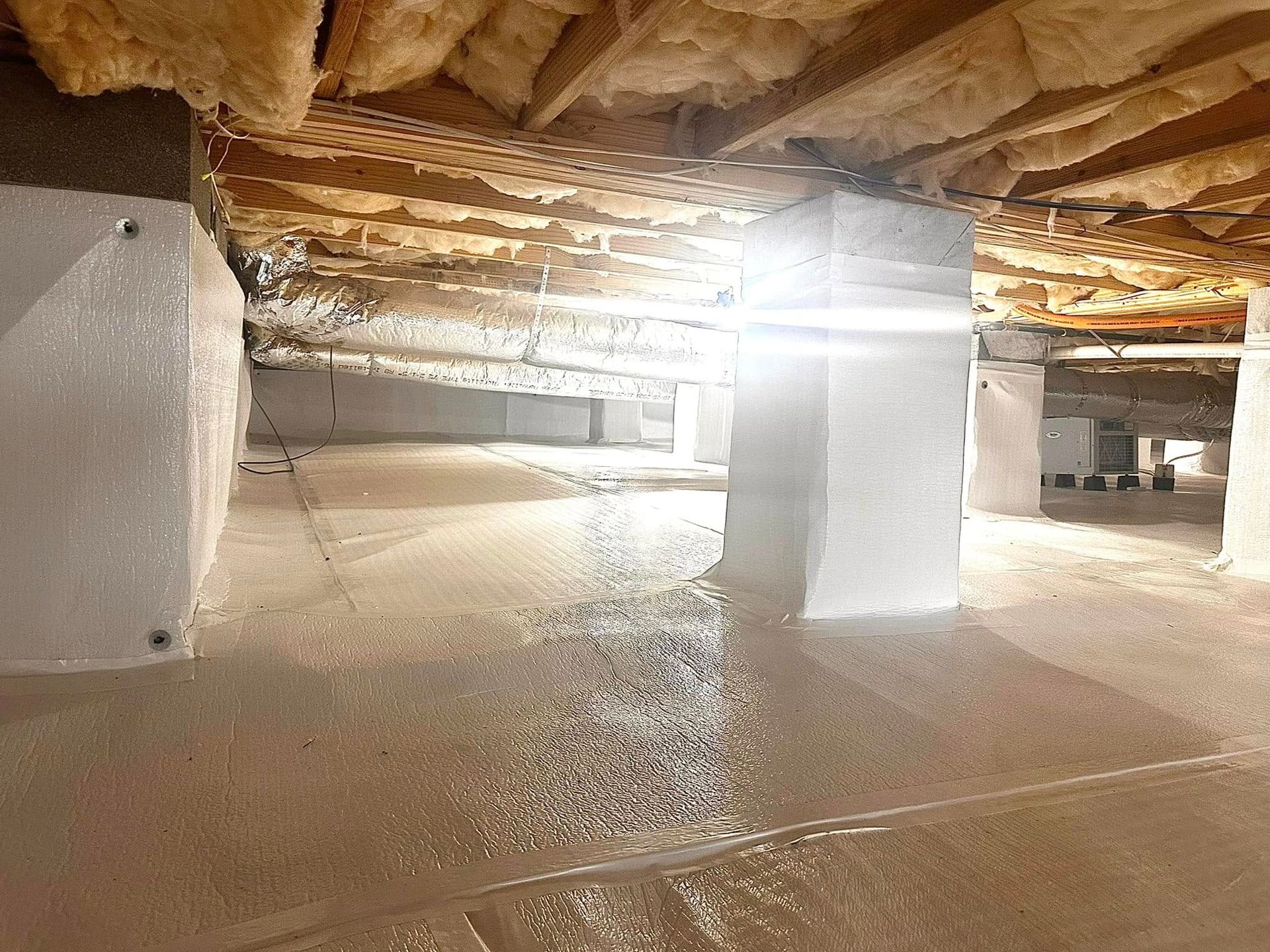
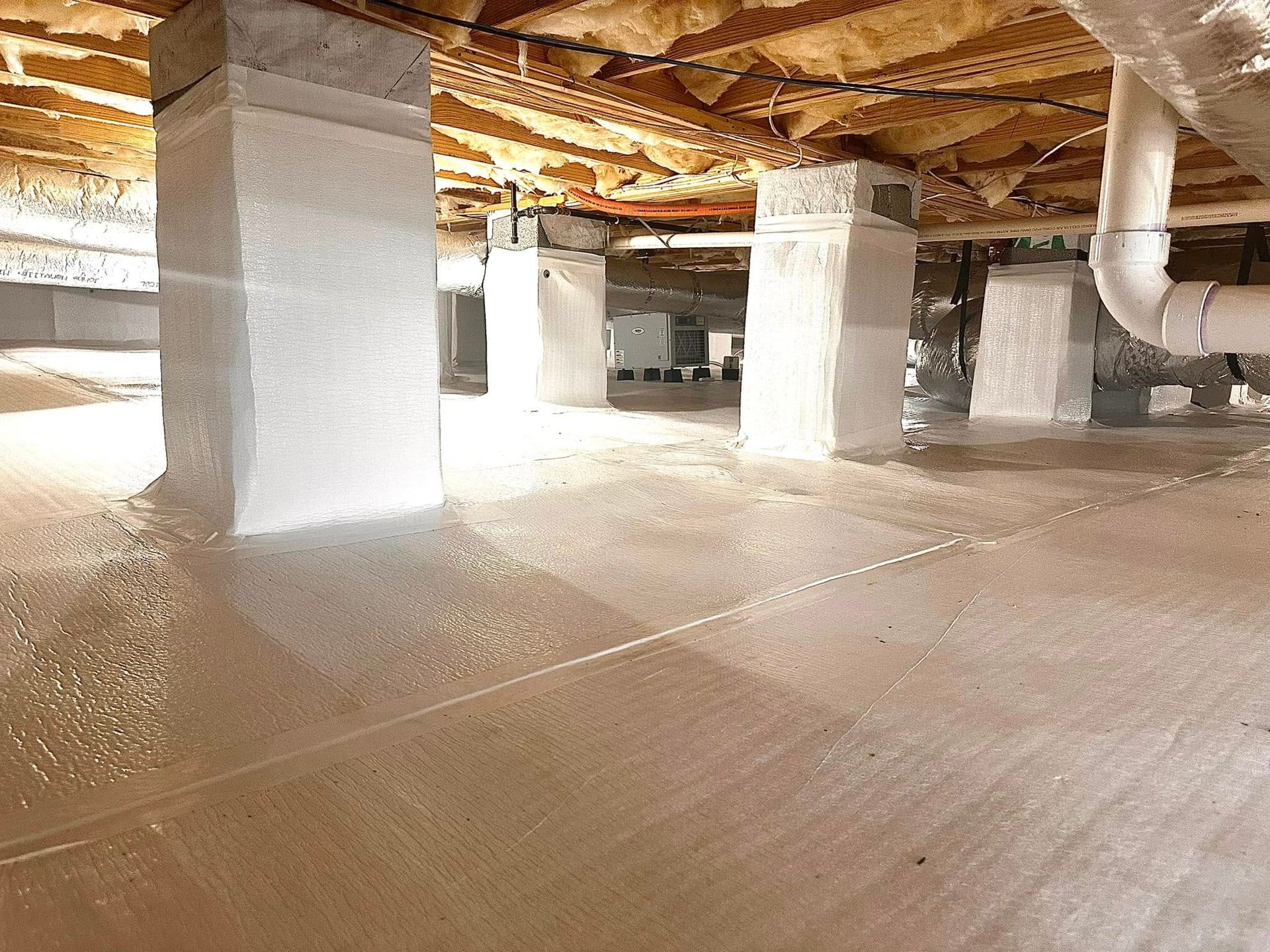
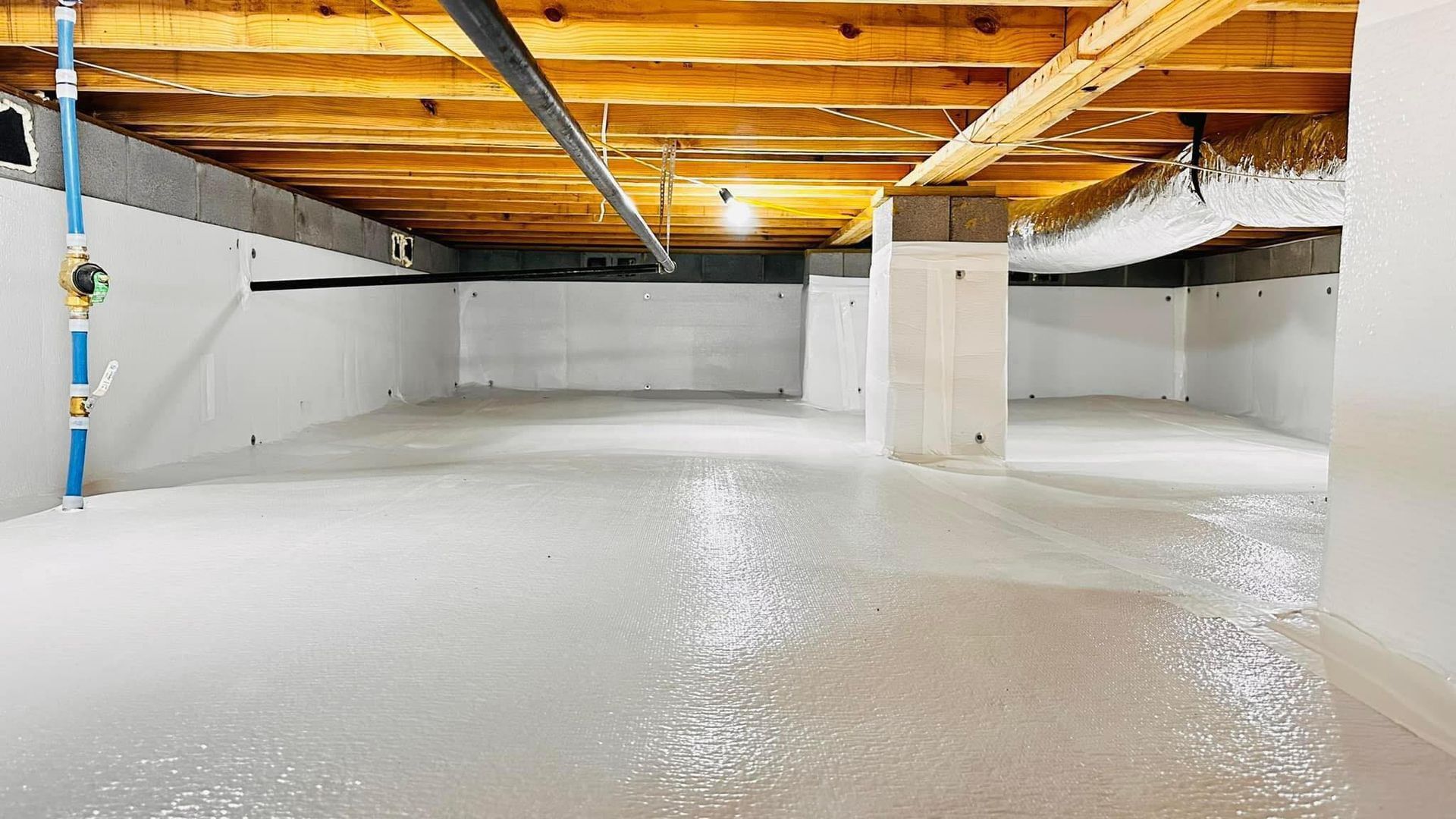
What the Training Actually Looks Like
Here's how most big crawl space companies train the person they're about to send to your home.
One week in the field. Digging trenches. Pulling old insulation. Getting a feel for what a crawl space looks like.
Two weeks in a classroom. Learning the product line. Learning the pitch. Learning how to present options and close a sale.
Three weeks total. Then he's got his title, his tablet, and your address on his schedule.
That's not an accusation. That's just how the pipeline works at a lot of these companies. They're not hiding it. They're just not advertising it either.
And to be fair — some of these guys are sharp. Some of them genuinely care about doing right by the customer. Three weeks doesn't automatically make someone dishonest.
But it does mean they're learning on the job. In your crawl space. On your dime. With a commission structure that rewards selling over diagnosing.
That combination matters.
Why This Produces Bad Advice
An undertrained inspector on commission isn't necessarily trying to deceive you. But he's working with incomplete information and a financial incentive that points in one direction.
He doesn't have ten years of crawl spaces to draw from. He can't always tell the difference between moisture damage that needs immediate attention and moisture readings that are normal for a Nashville summer. He may not recognize early structural issues. He may not know what questions to ask about your specific house, your specific soil, your specific drainage situation.
What he does know is the product he's been trained to sell and the number he needs to hit this month.
That's not a recipe for accurate advice. It's a recipe for the exact situation Josh at Crawl Logic keeps seeing — homeowners who were told they needed a full encapsulation when they needed something smaller, or homeowners who were told everything looked fine when something was actually wrong.
Inaccurate information, delivered confidently, by someone with an impressive title.
The Mechanism Nobody Talks About
Here's the part that's worth sitting with.
You were never going to catch this on your own. Not because you're not smart. Because the whole system was built around the assumption that you wouldn't.
Think about it from the company's perspective. They need to scale. They need bodies in the field running appointments every day. They can't wait two years for every inspector to become genuinely experienced. So they build a training program that produces someone who looks and sounds credible in three weeks. They give him a title that signals authority. They send him to your door.
And it works. Because homeowners — reasonable, intelligent homeowners — have been conditioned their entire lives to trust credentials. Titles exist in every industry as a shorthand for expertise. Doctors, lawyers, accountants — the title tells you something real.
Nobody told you that in this particular industry, in this particular market, the title might just be a sales tool.
Now you know.
What You Can Do About It
Before you let anyone under your house — before you sit down and look at any estimate — ask a few simple questions.
How long have you personally been working in crawl spaces? Not selling them. Working in them.
Have you personally installed a job? Start to finish?
Are you paid on commission?
Who inspects the job after it's done?
These aren't aggressive questions. They're reasonable questions for a decision that could cost you ten to fifteen thousand dollars. Any inspector worth trusting will answer them without flinching.
The ones who get defensive? That's information too.

What a Different Experience Feels Like
When you talk to someone who has actually spent years under houses, the conversation feels different.
They're not working from a script. They're reading your specific situation - your soil, your foundation, your moisture levels - and telling you what they actually see. They can explain why they're recommending what they're recommending. They can tell you what's urgent and what can wait. They can tell you when you don't need the most expensive option.
That's not a sales call. That's a diagnosis.
Nashville homeowners deserve that. Most of them just don't know yet that there's a difference — or that they have every right to demand it.