What Should Be Done Before Crawl Space Encapsulation Starts?
Introduction
Protect Your Investment Before It Starts
STOP RODENTS BEFORE THEY GET IN
Crawl space encapsulation is one of the biggest investments a homeowner can make. Depending on the size of your home and what needs to be done, you could be looking at anywhere from $10,000 to $50,000 or more.
That's serious money. And most homeowners who spend it feel good about their decision — at first.
But here's what a lot of people don't find out until it's too late: what happens before the encapsulation starts matters just as much as the encapsulation itself.
Skip the right steps at the beginning and you don't just have a problem. You have an expensive problem inside an even more expensive investment.
One of the most common — and most damaging — things that gets skipped is rodent exclusion.
What Is Rodent Exclusion and Why Does It Matter?
Rodent exclusion just means blocking the ways mice and other rodents can get into your crawl space.
Crawl spaces have vents. Those vents are there to allow airflow. But they're also open doors for anything small enough to fit through — and mice don't need much space.
When a contractor encapsulates your crawl space without addressing those vents first, they're essentially wrapping up a space that rodents can still get into whenever they want.
And once they're in, they have everything they need. It's dark. It's protected. And if a dehumidifier is running, it's climate controlled. For a mouse, that's a perfect home.
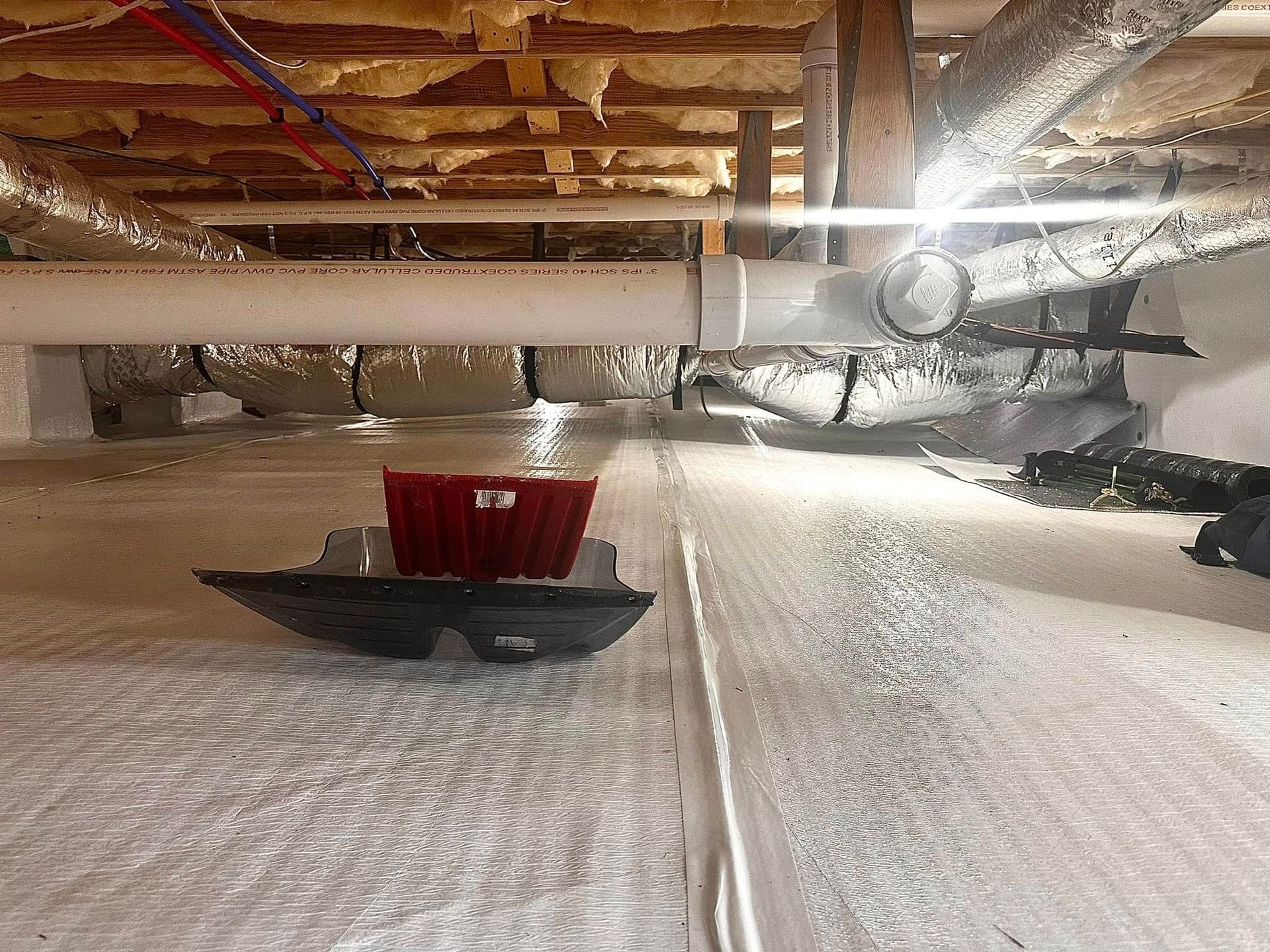
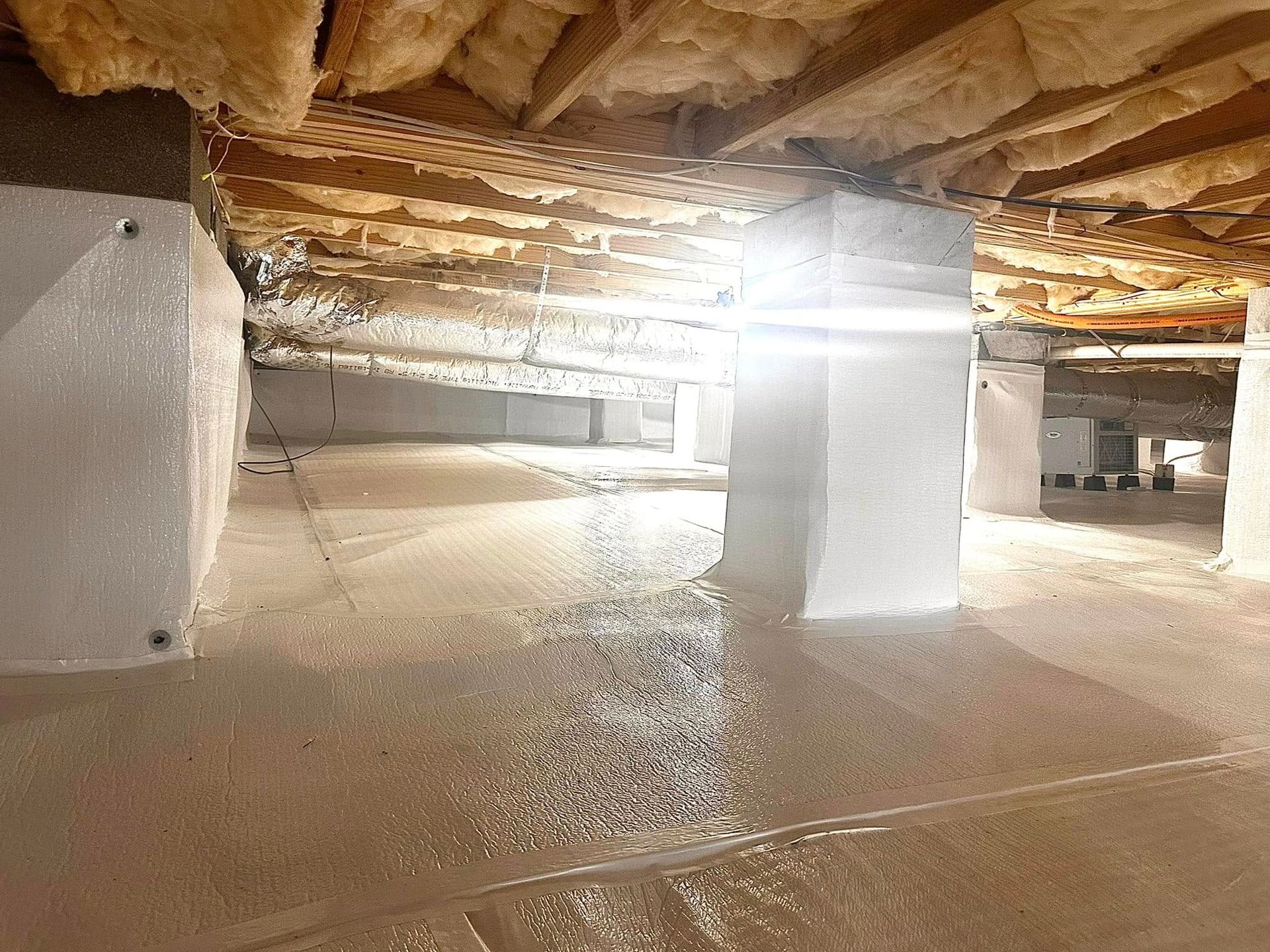
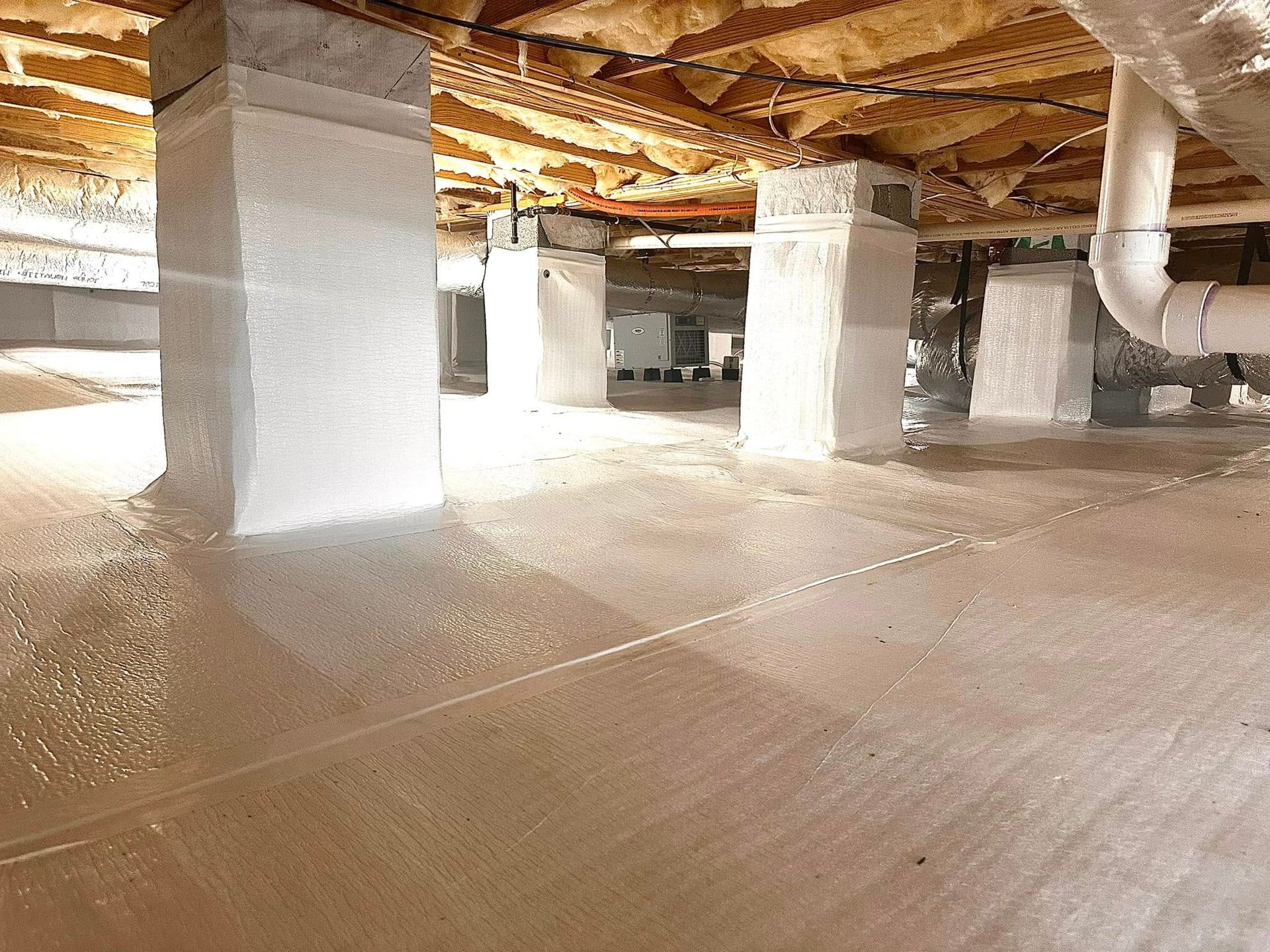
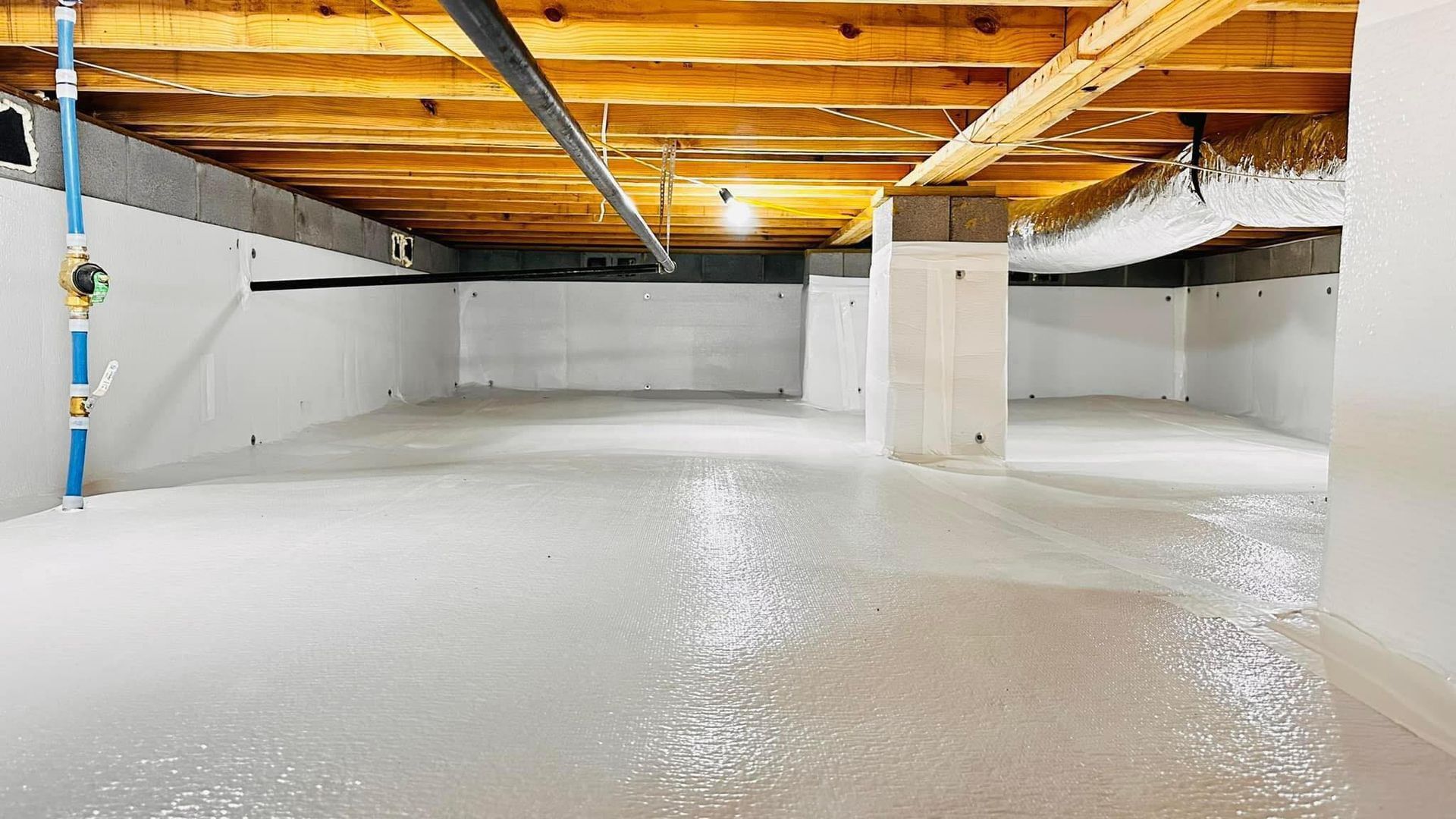
What Rodents Actually Do to an Encapsulated Crawl Space
This is where the real cost shows up — and it usually shows up quietly, long after the contractor has been paid and moved on.
Here's what mice do once they're inside a finished crawl space:
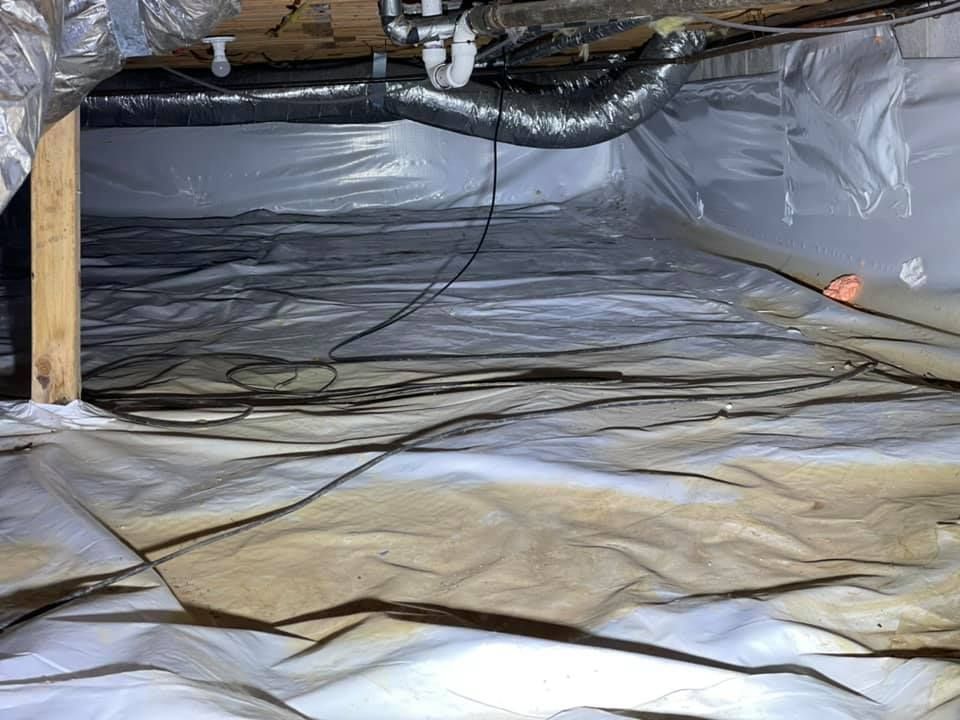
They chew through the vapor barrier. The poly liner that covers your crawl space floor isn't indestructible. Mice chew through it to nest underneath it. Every hole they make is a spot where moisture can get back in — which is exactly what you paid to prevent.
They destroy the tape and seams. A vapor barrier is only as good as its seams. Mice pull at tape, loosen edges, and compromise the seal. Water and humidity find those gaps fast.
They chew through wires. Electrical wiring runs through crawl spaces. Rodents chew wiring. That's not just a repair cost — it's a fire risk.
They damage or destroy the dehumidifier. The dehumidifier is often the most expensive single component in an encapsulated crawl space. Mice can chew the power cord. They nest on top of or inside equipment. A chewed dehumidifier plug is a serious hazard.
They leave droppings everywhere. Mouse droppings in an encapsulated crawl space aren't just unpleasant. They create air quality problems in your home. The air in your crawl space moves into your living space. What's down there ends up up here.
By the time most homeowners find out any of this is happening, the damage is already done. And fixing it means paying for remediation, repairs, and potentially re-encapsulation — on top of what they already spent.
The Fix Is Simple. The Problem Is That Most Contractors Skip It
Here's what proper rodent exclusion at a crawl space vent actually looks like:
Foam board behind the vent. A layer of rigid foam board is placed behind the vent opening. This adds a barrier that blocks gaps and helps seal the vent cavity.
Wire mesh in front of the vent. A wire screen is installed in front of the vent. This keeps rodents from pushing through or chewing their way in while still allowing the vent to function.
That's it. Two materials. Minimal cost. Done before the liner ever goes in.
The reason most contractors skip this step isn't complicated. Encapsulation companies do encapsulation. Pest control is someone else's problem. Most contractors aren't thinking about what happens after they leave — and they're not trained to spot the ways rodents get in.
The problem is that once the liner is down and the job is done, rodent exclusion becomes a much bigger and more disruptive fix. You're working around finished materials instead of doing it right the first time.
Why Your Contractor's Background Matters More Than You Think
Not every crawl space contractor thinks about rodent exclusion because not every crawl space contractor has a reason to.
Josh Corn, owner of Crawl Logic in Nashville, spent years in pest control before starting Crawl Logic. That background changes how he looks at a crawl space. He's not just thinking about moisture. He's thinking about every way the finished job can be compromised — and rodents are one of the first things he looks for.
Before any liner goes down on a Crawl Logic job, the vents are addressed. Foam board. Wire mesh. Done right, done first.
He also comes back every year for maintenance. That annual visit is where the consequences of skipped steps show up on other companies' jobs. He's seen what a crawl space looks like when rodent exclusion was never done. It's not something a homeowner wants to discover.
Questions to Ask Before You Hire Anyone
You don't need to be an expert to protect yourself. You just need to ask the right questions before you sign anything.
Here's a short list to bring into any crawl space conversation:
Does your process include rodent exclusion before the liner goes in?
How do you handle the vents — foam board, wire mesh, or both?
Do you inspect for existing rodent activity before you start?
What happens if we find evidence of mice or other pests during the inspection?
Do you offer any kind of annual maintenance or follow-up visit?
If a contractor looks at you blankly when you ask these questions, that tells you something important. A contractor who has thought through the full job — not just the liner and the dehumidifier — will have clear answers.

The Bottom Line
Crawl space encapsulation done right is a smart investment. It protects your home's structure, improves your air quality, and keeps moisture out for years.
But done without the right prep work, it's an expensive liner sitting in a space that rodents can still get into whenever they want.
Rodent exclusion isn't an add-on. It isn't optional. It's part of a complete job — and it has to happen before anything else goes in.
If you're in the Nashville area and you want to know exactly what a complete crawl space job looks like, Crawl Logic is happy to walk you through it. No pressure. Just straight answers.