The Number That Tells You If Fungus Is Growing Under Your House
Introduction
Start With What You Can See
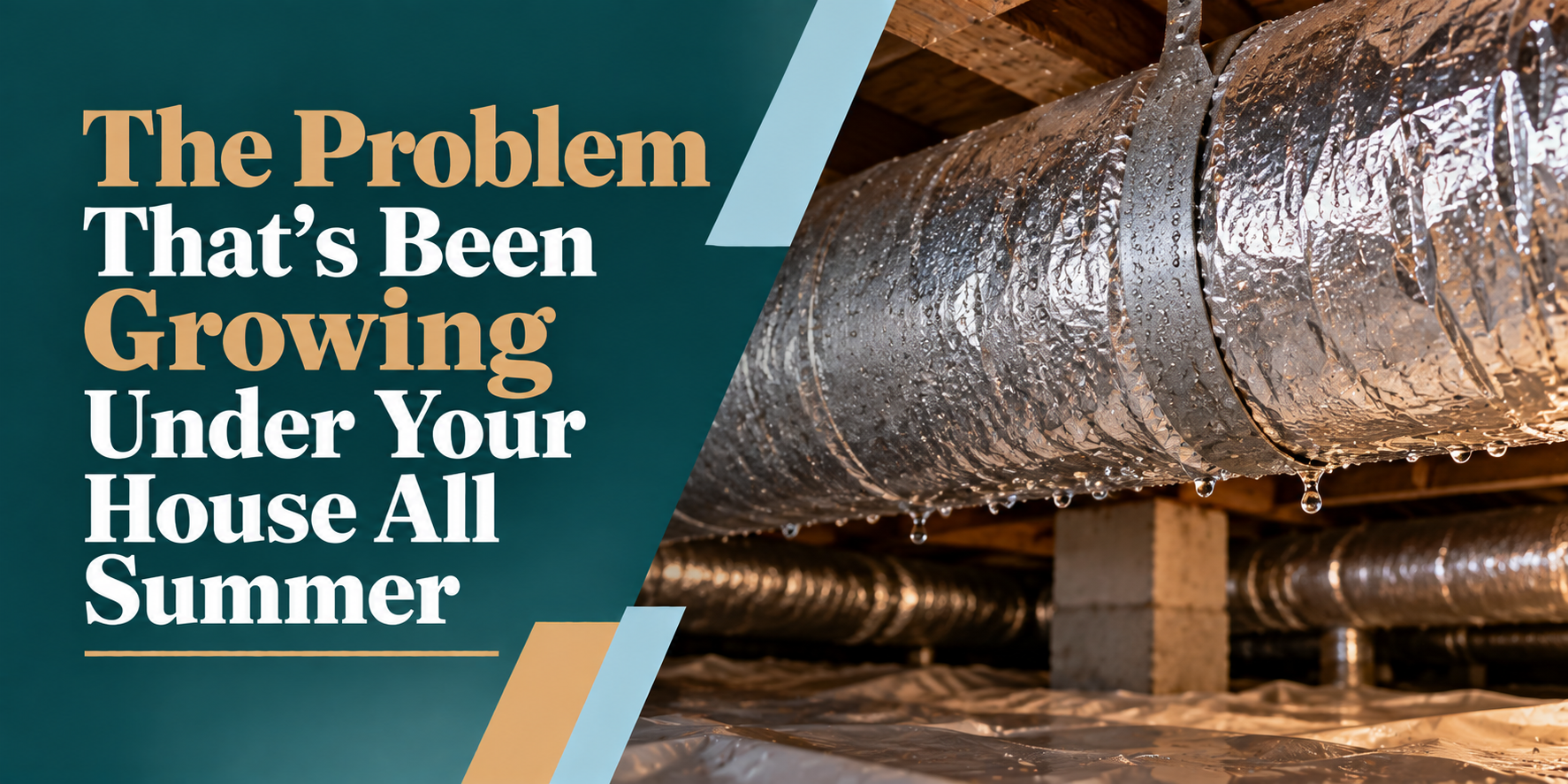
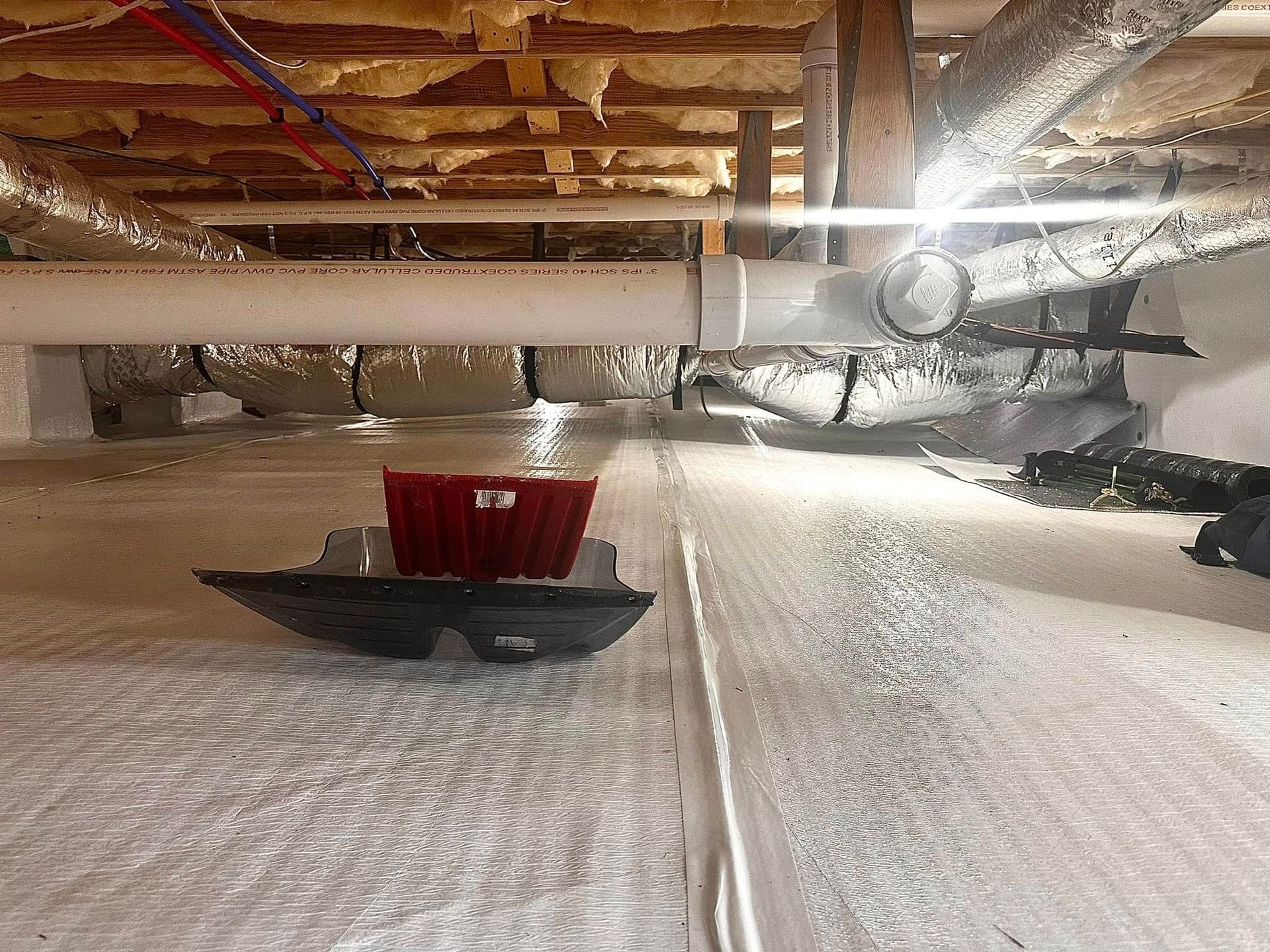
SWEATING DUCTWORK CAN BE A WARNING SIGN OF HIGH CRAWL SPACE HUMIDITY
Most homeowners have never checked their crawl space humidity. Most never will — until something goes wrong.
But here's the thing. Your crawl space is already giving you signals. You just have to know what to look for.
Have you ever noticed moisture on your ductwork? Condensation on the pipes or metal surfaces under your house?
Most people write it off. They figure it's just a summer thing. Hot air, cold surface, no big deal.
It is a big deal.
Sweating ductwork is one of the first visible signs that your crawl space humidity has crossed a line. And that line has a number attached to it.
The Number That Matters
Ductwork starts to sweat at 60 to 70% relative humidity.
Relative humidity is just a measure of how much water is in the air. When the air in your crawl space holds enough moisture — somewhere in that 60 to 70% range — it hits cold surfaces like your ducts and turns into visible water.
But here's what most people don't know.
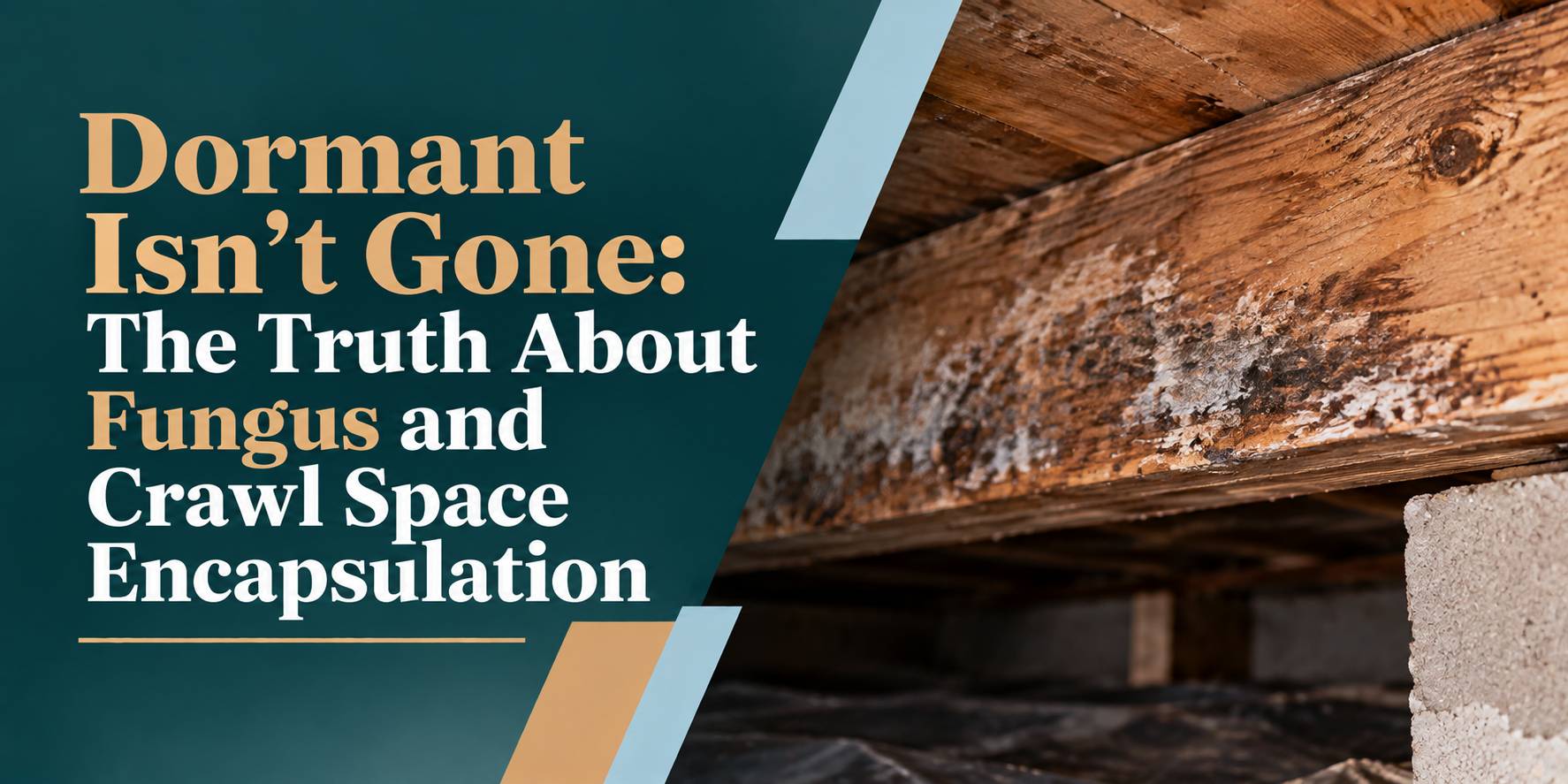
Fungus starts to grow at 60 to 65% relative humidity.
Those two thresholds are almost identical. Which means if your ductwork is sweating, your crawl space humidity is already sitting right in the range where fungus grows.
That's not a coincidence. That's a warning.
What Humidity Does to Your Wood
The air in your crawl space doesn't just affect your ductwork. It affects everything — including the wood that holds your house up.
There's a direct relationship between the humidity in the air and the moisture content inside your wood. For every shift in relative humidity, your wood absorbs or releases moisture to match.
The ratio is roughly one to four. For every percentage point of relative humidity, your wood moisture content moves about four points in the same direction.
Here's what that looks like in practice:
At 65% relative humidity, your wood moisture content is sitting at around 16%.
16% is the threshold where fungus begins to grow inside the wood itself.
So when you see ductwork sweating, the math tells you this: your wood is already at or near the point where biological damage begins. Not where it might begin someday. Where it begins.
Why Most Homeowners Miss It
Crawl spaces are out of sight. That's the whole problem.
Nobody goes under their house on a Tuesday afternoon to check on things. And because the crawl space is invisible, the damage it accumulates is invisible too — until it shows up as a soft spot in the floor, a smell that won't go away, or an HVAC system working twice as hard as it should.
By the time most people call someone, the humidity has been sitting at that level for months. Sometimes years.
The sweating ductwork was there the whole time. It just didn't have a number attached to it.
Now it does.
What You Can Do About It
The first step is knowing your number. If you don't know what your crawl space humidity level is right now, you're operating blind.
A basic moisture reader costs about $20 and tells you exactly where you stand. It's a small thing, but it turns a hidden problem into a known one — and that's a completely different situation.
If your humidity is sitting at 60% or above, that's the conversation worth having. Because at that level, the question isn't whether conditions are right for fungus to grow. They are. The question is how long it's been that way and what it's doing to your wood.
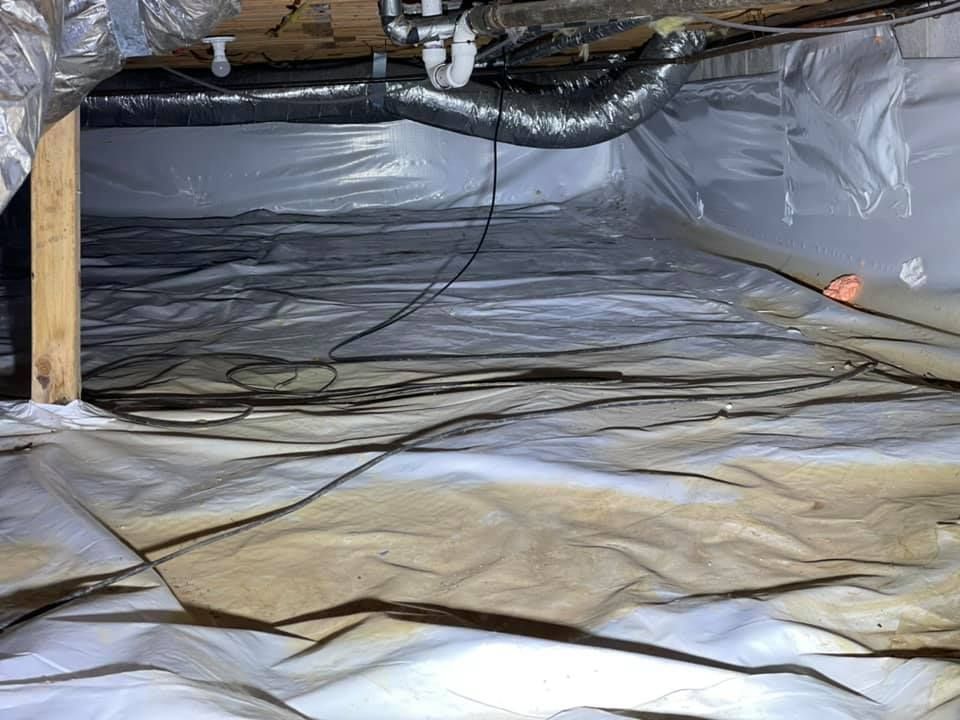
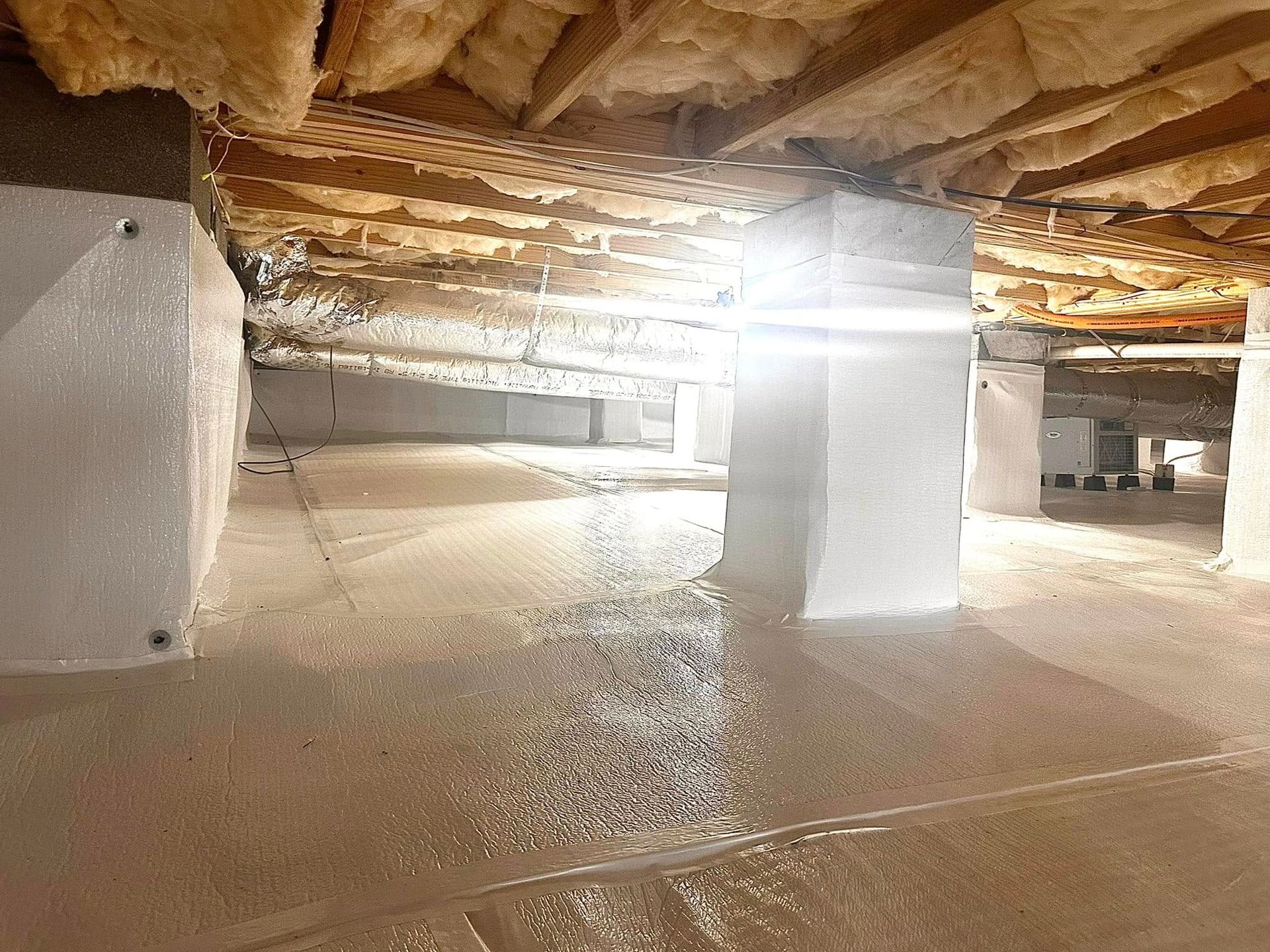
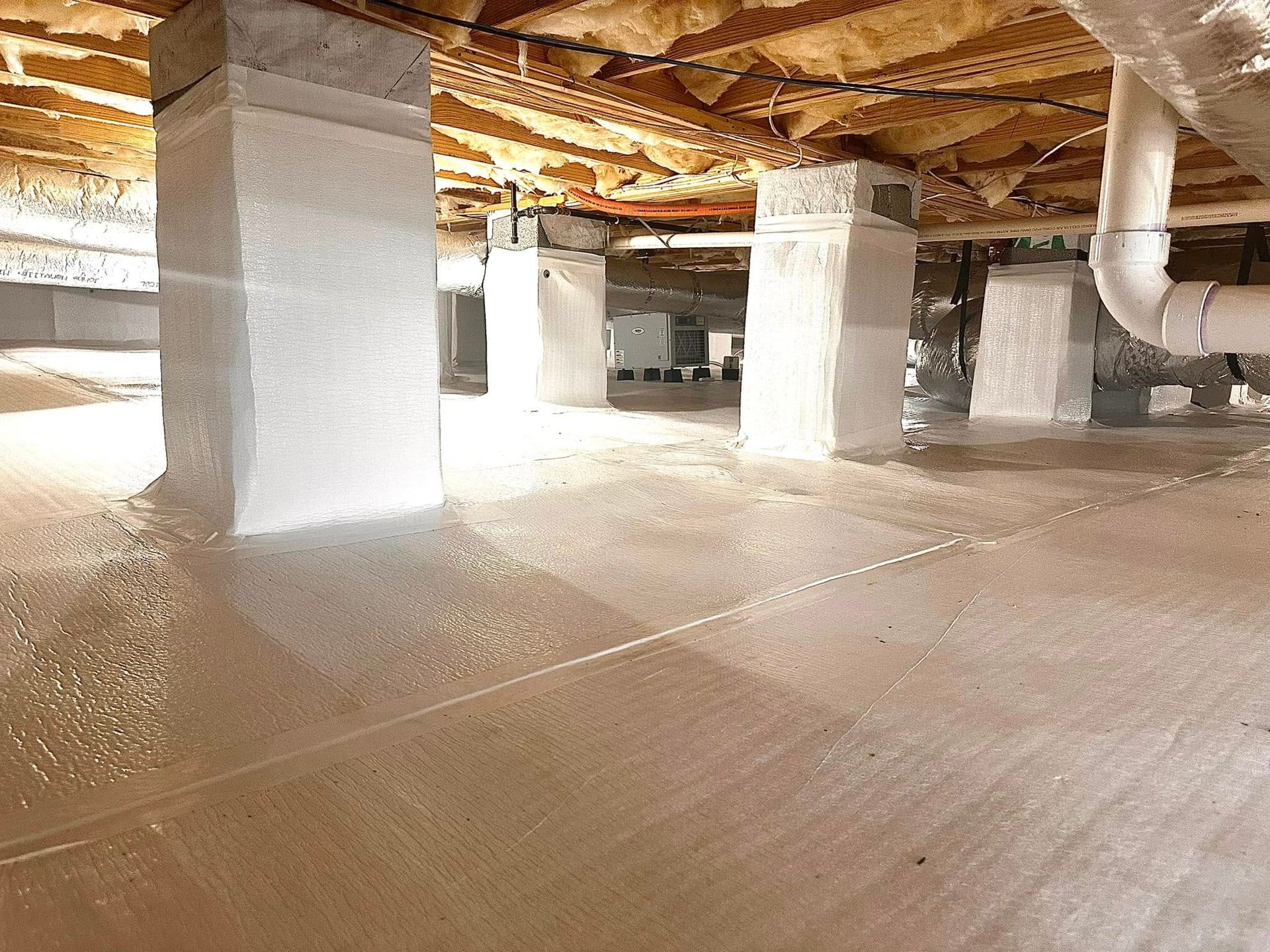
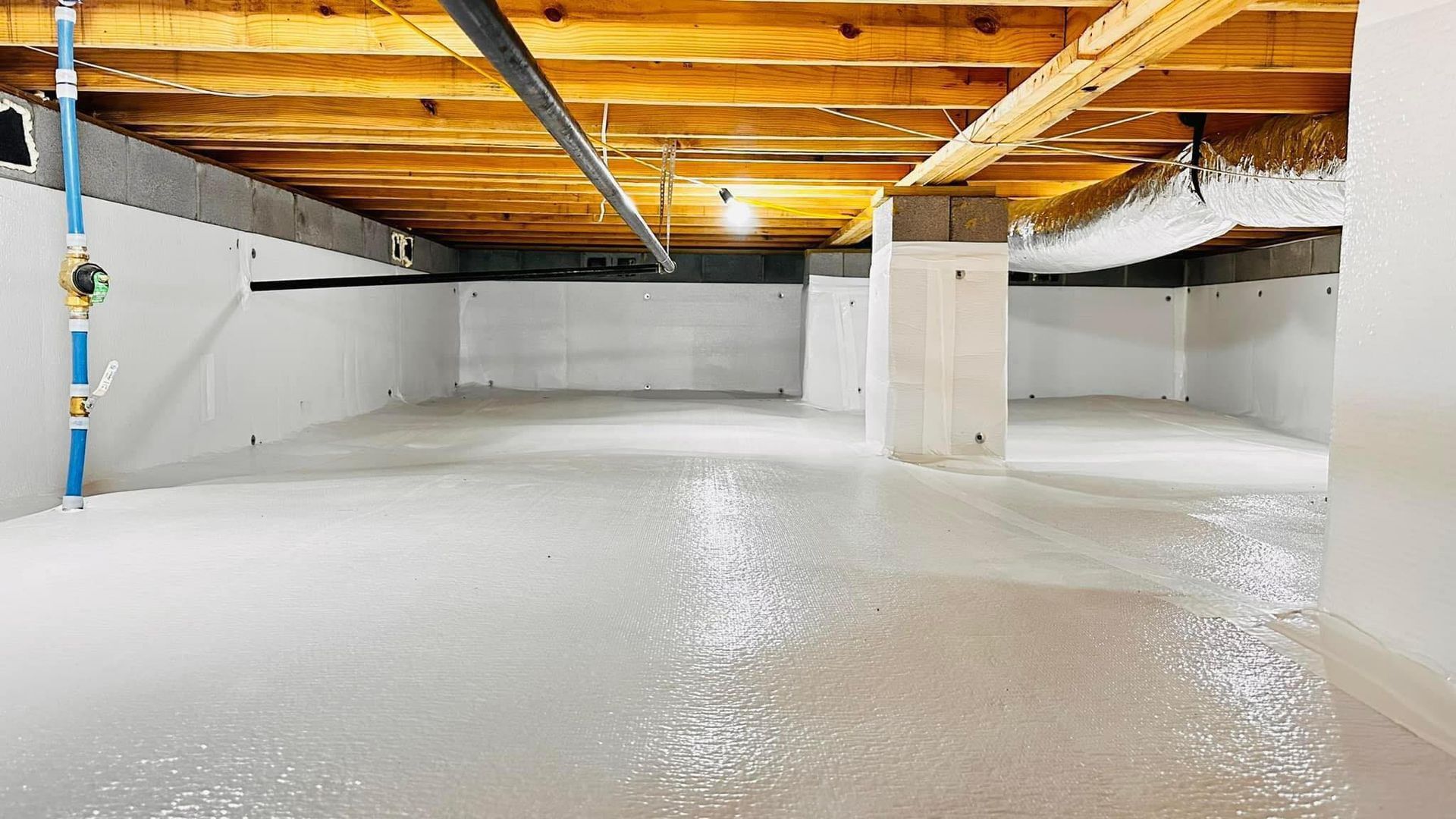
Encapsulation is how you fix it. A properly installed crawl space encapsulation system controls the humidity, brings your wood moisture content down out of the danger zone, and keeps it there — year round, not just when you think about it.

You Deserve to Know What's Happening Under Your House
Most crawl space companies will sell you a job. What they won't do is explain the numbers behind it.
At Crawl Logic, every customer gets a moisture monitoring device after the job is done. Not because it's a nice gesture — because you should be able to check your crawl space humidity any time you want and know exactly what it means.
That's what an informed homeowner looks like.
If you've seen moisture on your ductwork — or if you've never checked and you're not sure what's going on under your house — we're happy to take a look. No pressure, no deposit, no runaround. Just a straight answer from someone who's been under thousands of crawl spaces and knows what the numbers mean.