Saving Money on Crawl Space Encapsulation Can Cost You More Than You Saved
Introduction
Saving $1,200 Upfront Can Cost You More Later
A CHEAPER QUOTE CAN BECOME AN EXPENSIVE FIX
A few weeks ago I got a call from a homeowner I had quoted earlier this year.
She had gone with another company. They were cheaper. She saved $1,200 and I understood why she made that call — $1,200 is real money.
But she wasn't calling to tell me everything went great.
She was calling because the job wasn't done right. She wanted to know if I could fix it.
I went back and looked at the work. Here's what I found.
Six Things They Got Wrong
1. The Liner Wasn't Sealed to the Walls
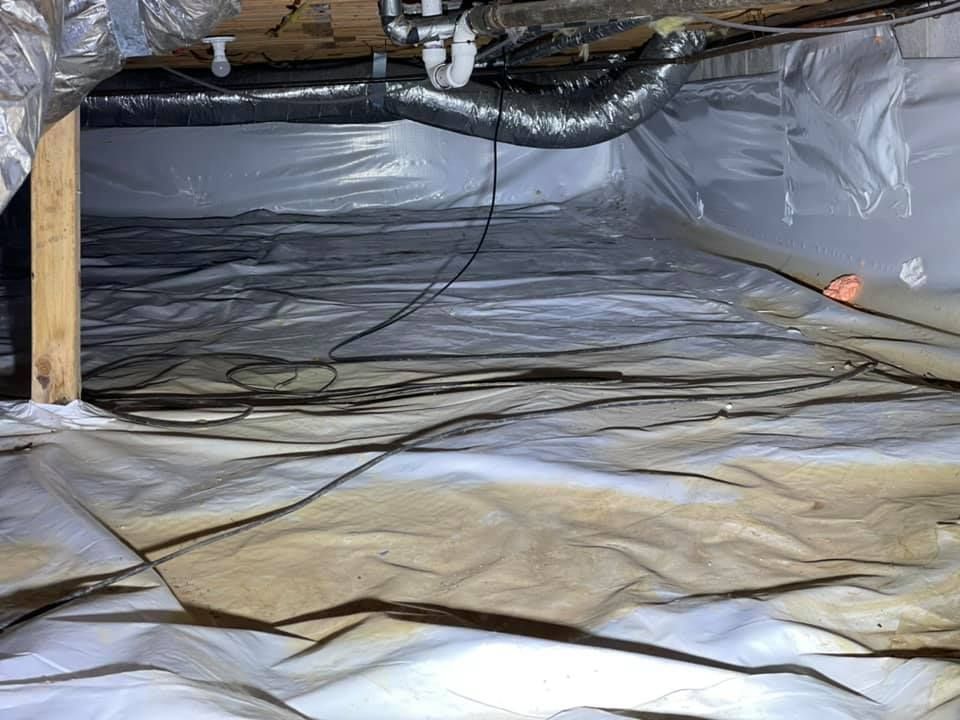
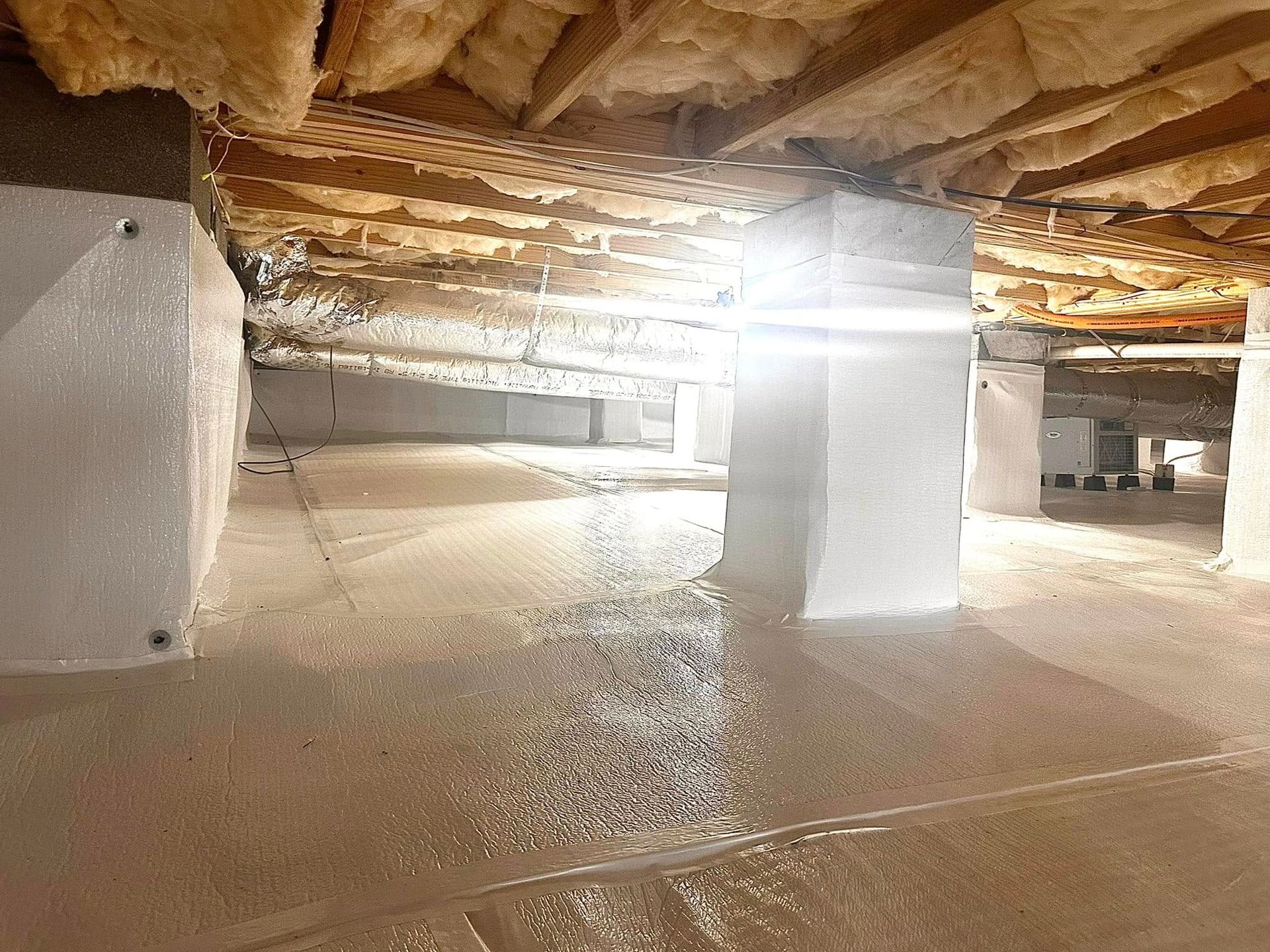
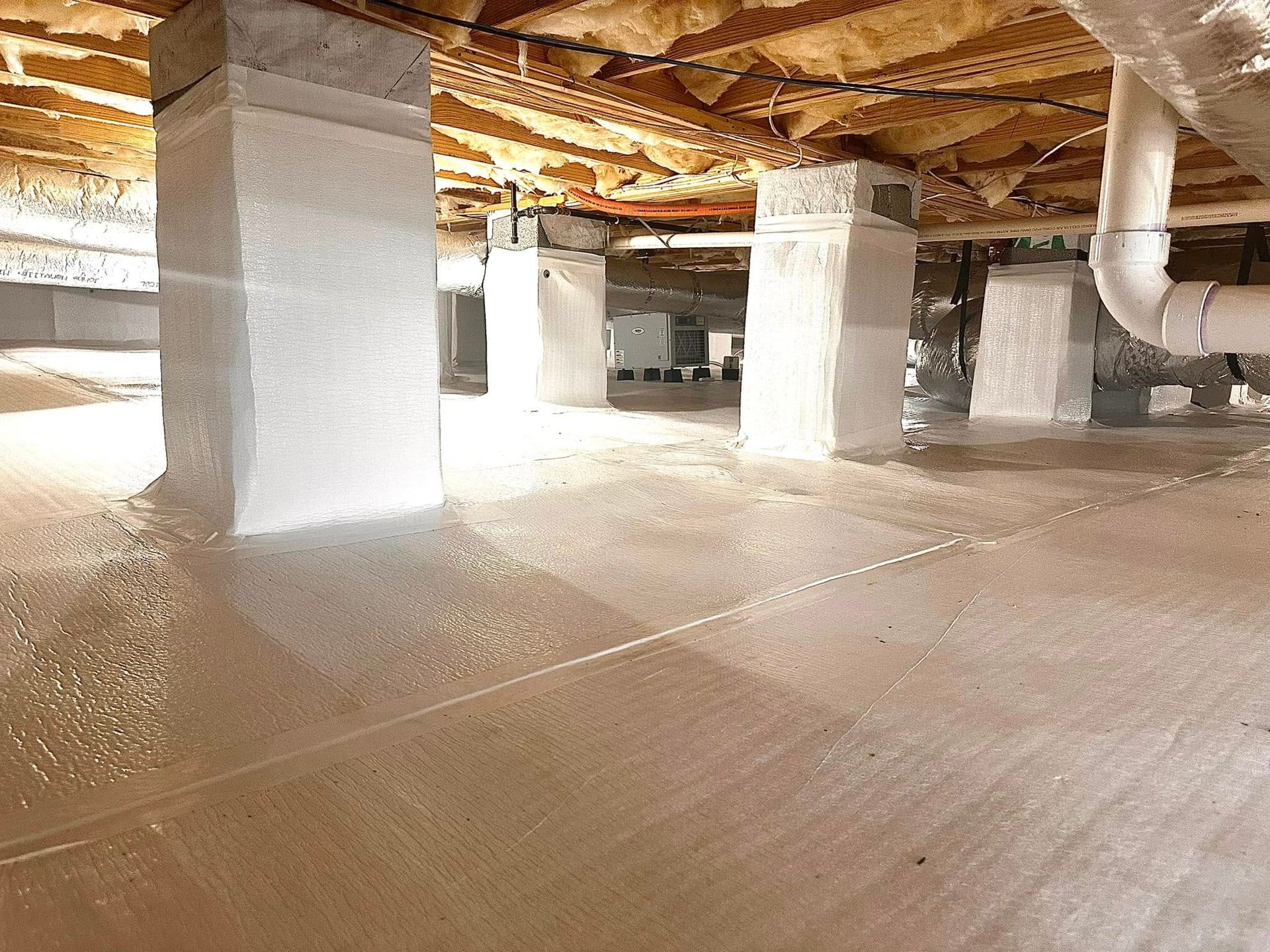
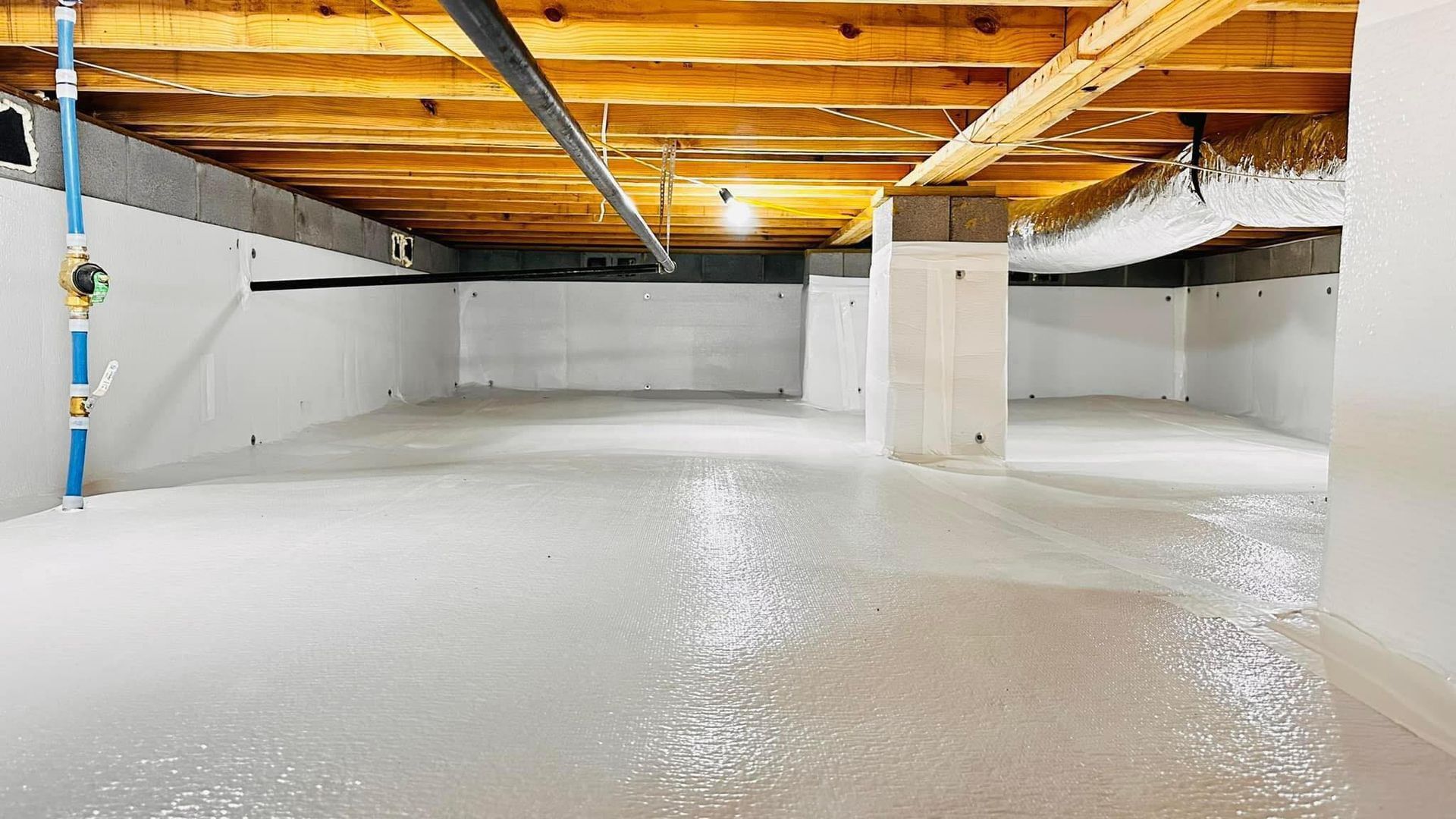
The liner is the heavy plastic sheeting that covers the floor and walls of your crawl space. It's the foundation of the whole job. If it isn't sealed tight to the walls, outside air and moisture keep getting in underneath it.
It doesn't matter how good the rest of the job is. If the liner isn't sealed, the system doesn't work.
2. The Vents Weren't Sealed
Crawl space vents were standard practice for a long time. We now know they do more harm than good in most climates. They let in humid outside air — exactly what you're trying to keep out.
Sealing those vents is one of the most basic steps in any encapsulation job. They were missed entirely.
3. The AC Line Wasn't Sealed
Anywhere something passes through the wall of your crawl space — a pipe, a wire, an AC line — that's a gap. And gaps let air in.
Sealing every penetration is detail work. It takes time. Some crews skip it because nobody's going to check. In this case nobody did.
4. The Door Wasn't Sealed
The crawl space door is one of the biggest potential air leaks in the whole space. If it isn't properly sealed it undermines everything else you've done.
This one was missed too.
5. The Dehumidifier Was the Wrong Size
A dehumidifier that's too small for the space it's supposed to cover will run constantly and never get the humidity where it needs to be. It burns out faster. It costs more to run. And it never actually solves the problem.
The unit they installed wasn't sized right for her crawl space.
6. The Dehumidifier Was in the Wrong Spot
Even if the unit had been the right size, placement matters. A dehumidifier sitting right next to the door isn't pulling air from the whole space — it's just working the area closest to the exit.
This one was both undersized and in the wrong place.
Now Let's Talk About the Math
She saved $1,200 going with the cheaper company.
Six things were wrong with the job.
To fix all of it — seal the liner properly, seal the vents, seal the AC line, seal the door, replace the dehumidifier with the right unit and put it in the right place — is going to cost her more than $1,200.
That means she paid for a bad job and now she has to pay to have it done right on top of that.
The cheaper quote ended up being the more expensive decision.
And that's just the money she can see right now. An undersized dehumidifier running nonstop costs more in electricity every month. Moisture that keeps getting in causes wood rot and mold over time. A crawl space that isn't truly encapsulated can flag on a home inspection and affect your ability to sell the house down the road.
The $1,200 is just where the number starts.
How to Protect Yourself Before You Pay Anyone
You don't have to be an expert to ask the right questions. Here's what every homeowner should know before signing off on a crawl space job.
Ask who is coming back to inspect the finished work. If the answer is nobody — or if the person inspecting it is the same crew that did it — that's a problem. Someone with authority and knowledge needs to check the job before you pay.
Ask to see photos before you hand over any money. A contractor who did the job right will have documentation. You should be able to see every penetration sealed, the liner tight to the walls, the dehumidifier in the right location.
Ask how the dehumidifier was sized. There's a real answer to this question based on the square footage of your crawl space. If they can't explain it, that's a red flag.
Don't pay until you've seen proof the job is done right. A contractor who stands behind their work won't have a problem with that.
What We Do Differently at Crawl Logic
Every job I do gets a personal inspection before I collect a dollar.
I come back after the crew is done. I go through the space myself. I take 10 to 15 photos with a 4K camera and shoot a full walkthrough video from one end to the other. You get to see everything before you decide to pay.
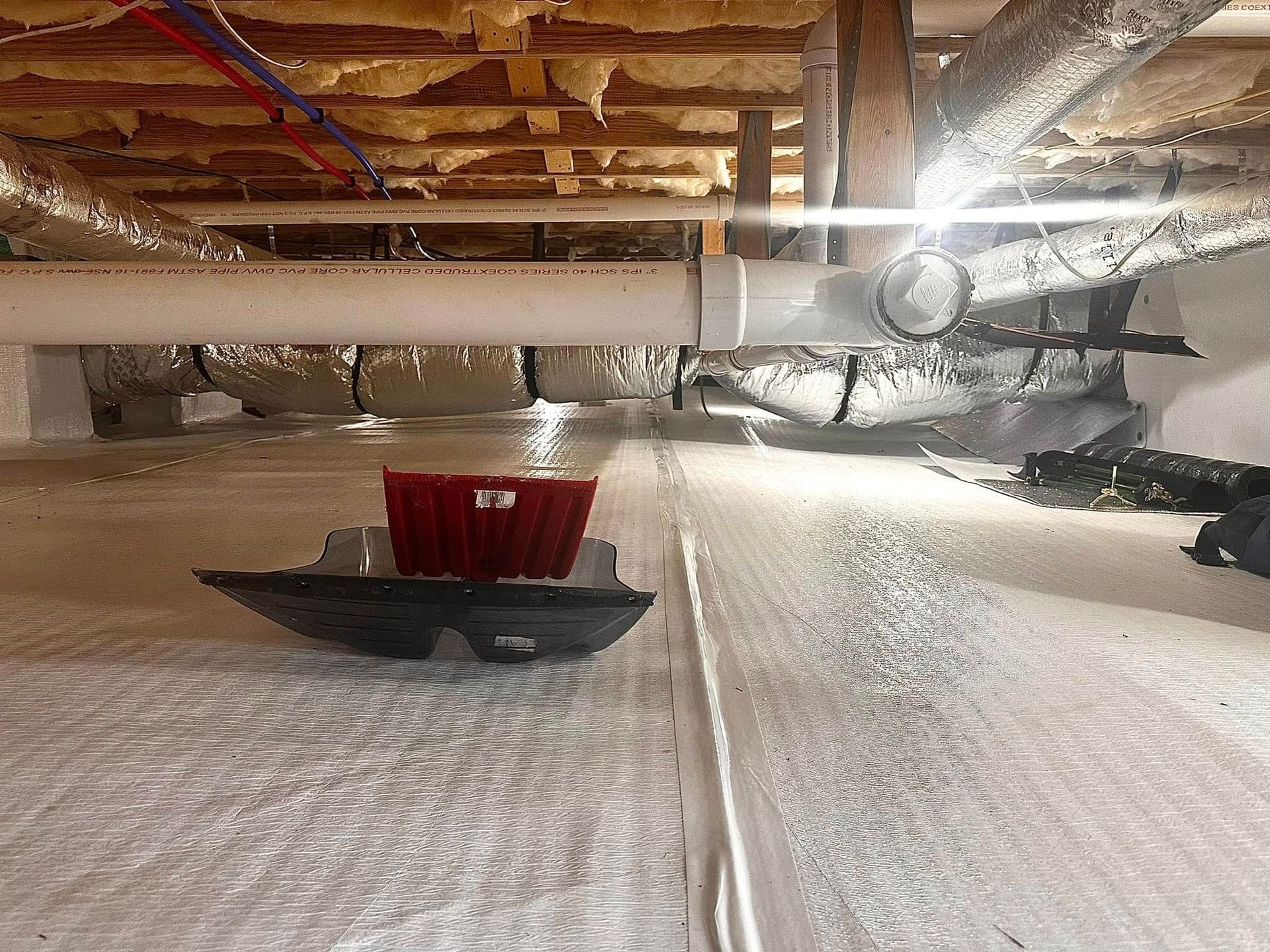
I also size the dehumidifier correctly for your specific space and place it where it can actually do its job. Every penetration gets sealed. The liner gets sealed to the walls. The door gets sealed. The vents get sealed.
And we include a moisture monitoring device on every job so you can check the condition of your crawl space from inside your home any time you want.
I don't require a deposit. You don't pay until the job is done and you've seen it with your own eyes.
That's not a guarantee I just made up. It's how I've run every single job since I started this company.

Do It Right or Do It Twice
That's not just a saying. It's what happens in real life to real homeowners who go with the cheaper option and find out later what that decision actually cost them.
If you're getting quotes for crawl space encapsulation in Nashville, I'd like to be one of them. Not because I'm always the cheapest - I'm usually not. But because when I'm done you'll know exactly what was done, why it was done that way, and you'll have the documentation to prove it.