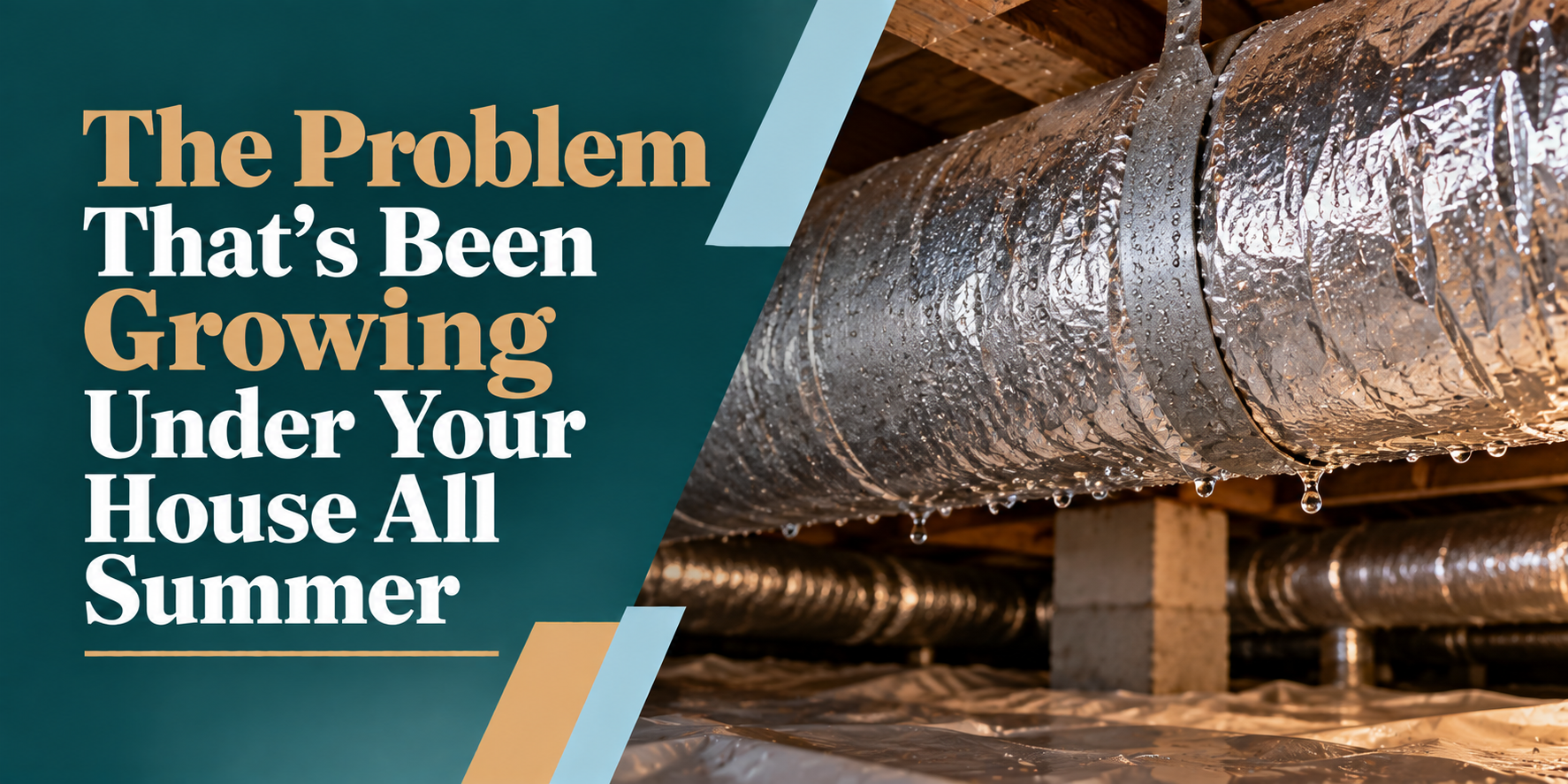
Why This $10,000 Sump Pump System Never Had a Chance
Introduction
A Costly Mistake in Lebanon
WHAT HAPPENS WHEN WATER HAS NOWHERE TO GO
We're back at a job in Lebanon, taking a closer look at work done by a corporate crawl space company. This homeowner paid over $10,000 for a sump pump system and a dehumidifier. On paper, that sounds like a solid investment. In reality, the system was never going to work.
The problem isn't the equipment. It's where it was placed.
This is one of those jobs that reminds me why I do things the way I do. You can spend a lot of money and still end up with a system that doesn't do its job, simply because whoever installed it didn't take the time to understand the space.
Understanding Water Flow in a Crawl Space
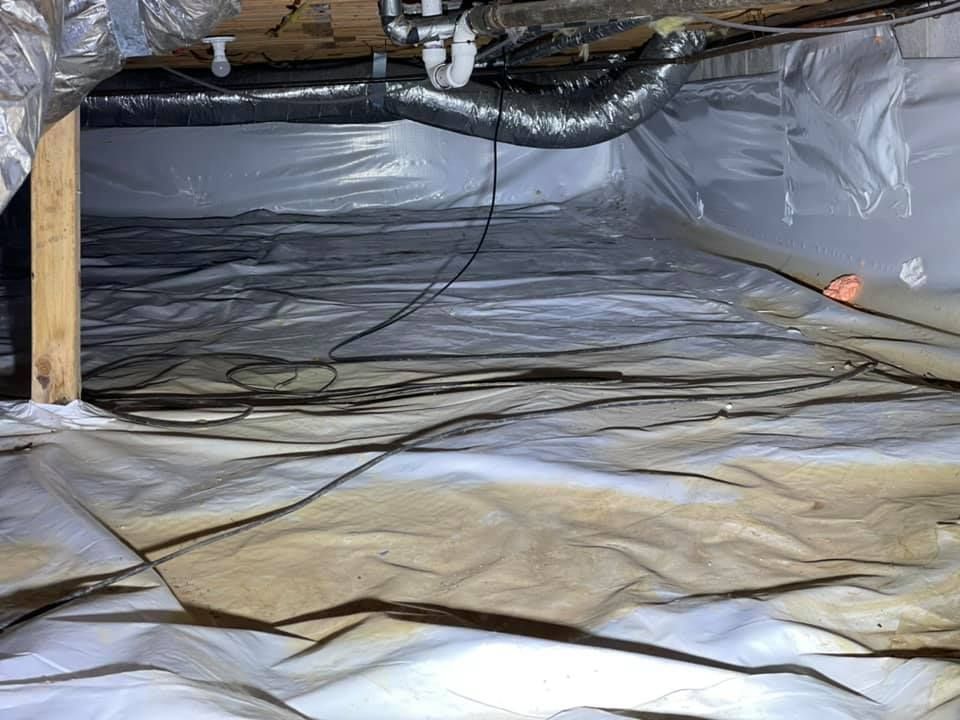
Every crawl space has a shape to it. Some are flat, but a lot of them slope - starting higher on one side and dropping lower on the other. This matters more than most people realize.
Water moves downhill. It always has, and it always will. That's just how water works. So when you're setting up a system to manage water in a crawl space, the first question has to be: where does the water actually go?
If you don't answer that question first, nothing else about the system matters. You can have the best pump on the market, but if it's not positioned where the water actually collects, it's not going to help.
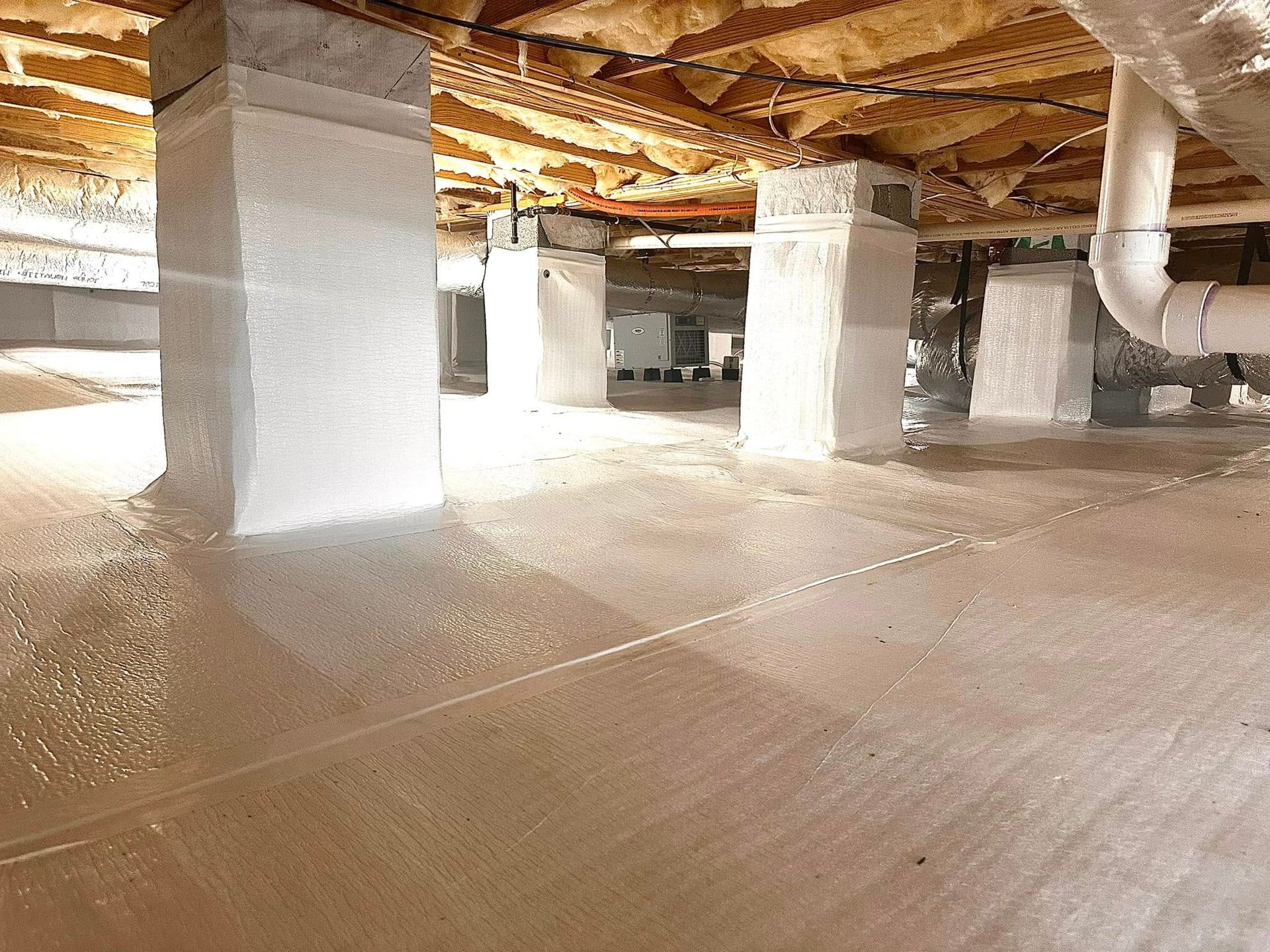
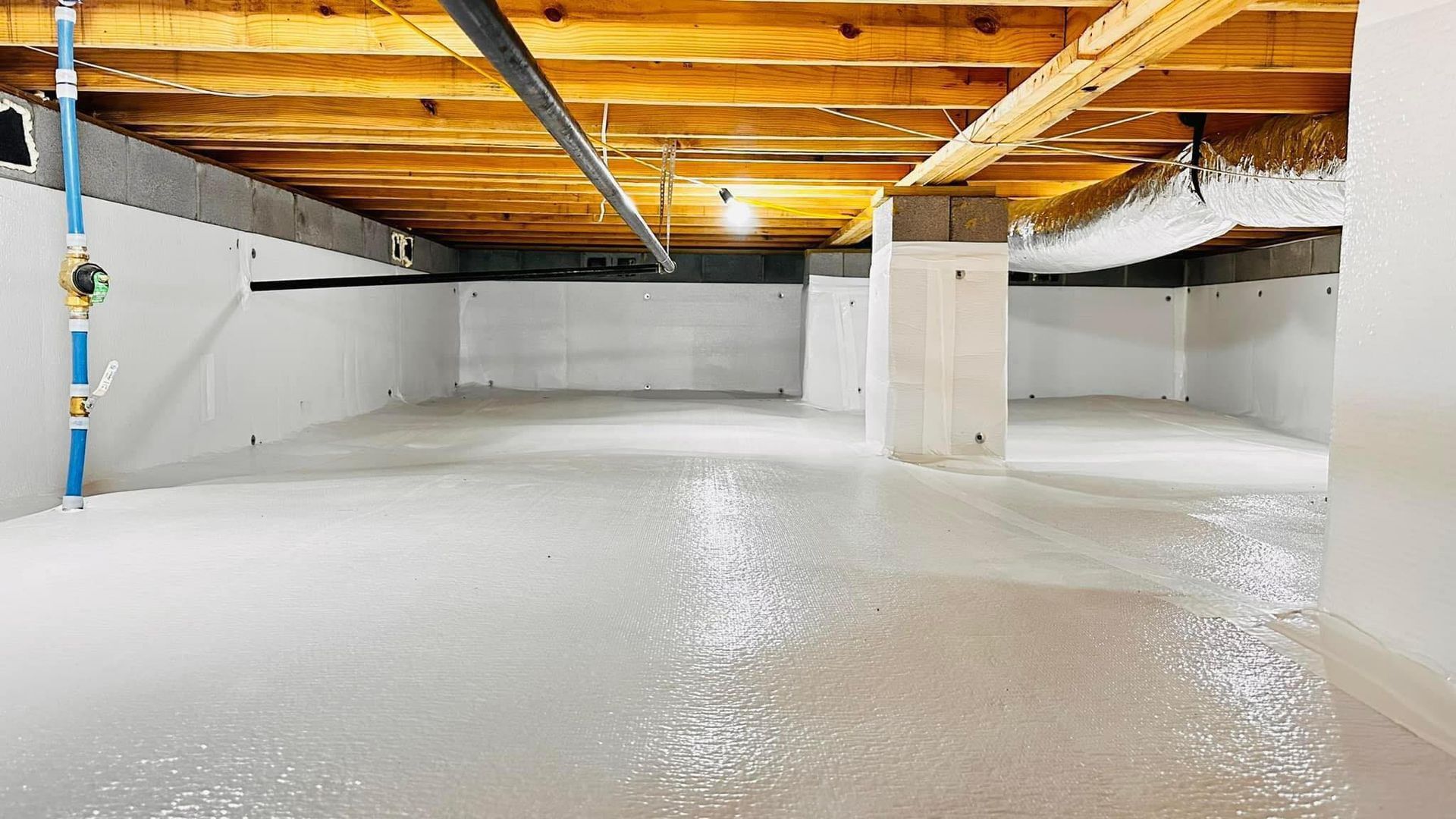
What Went Wrong With This Installation
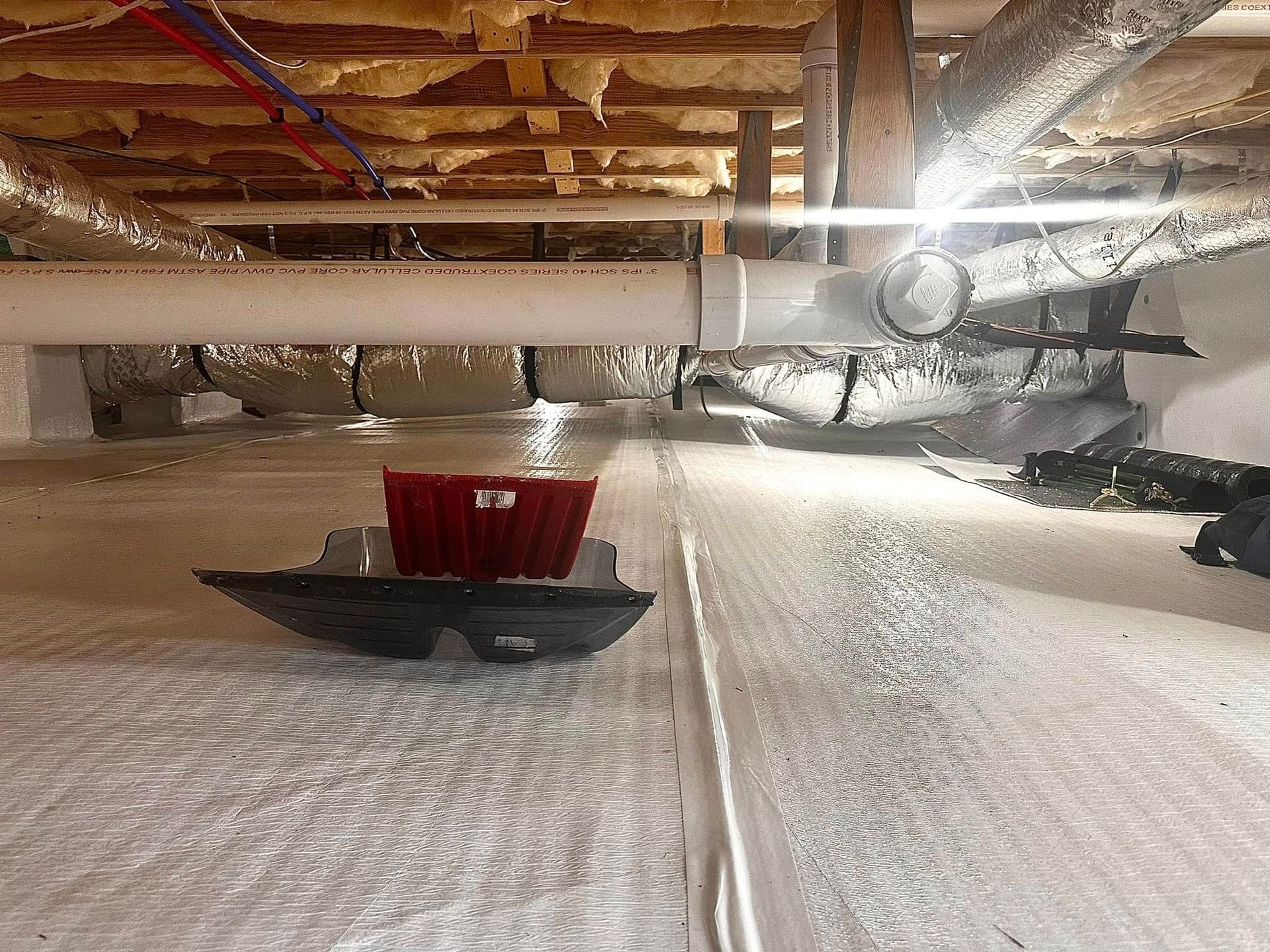
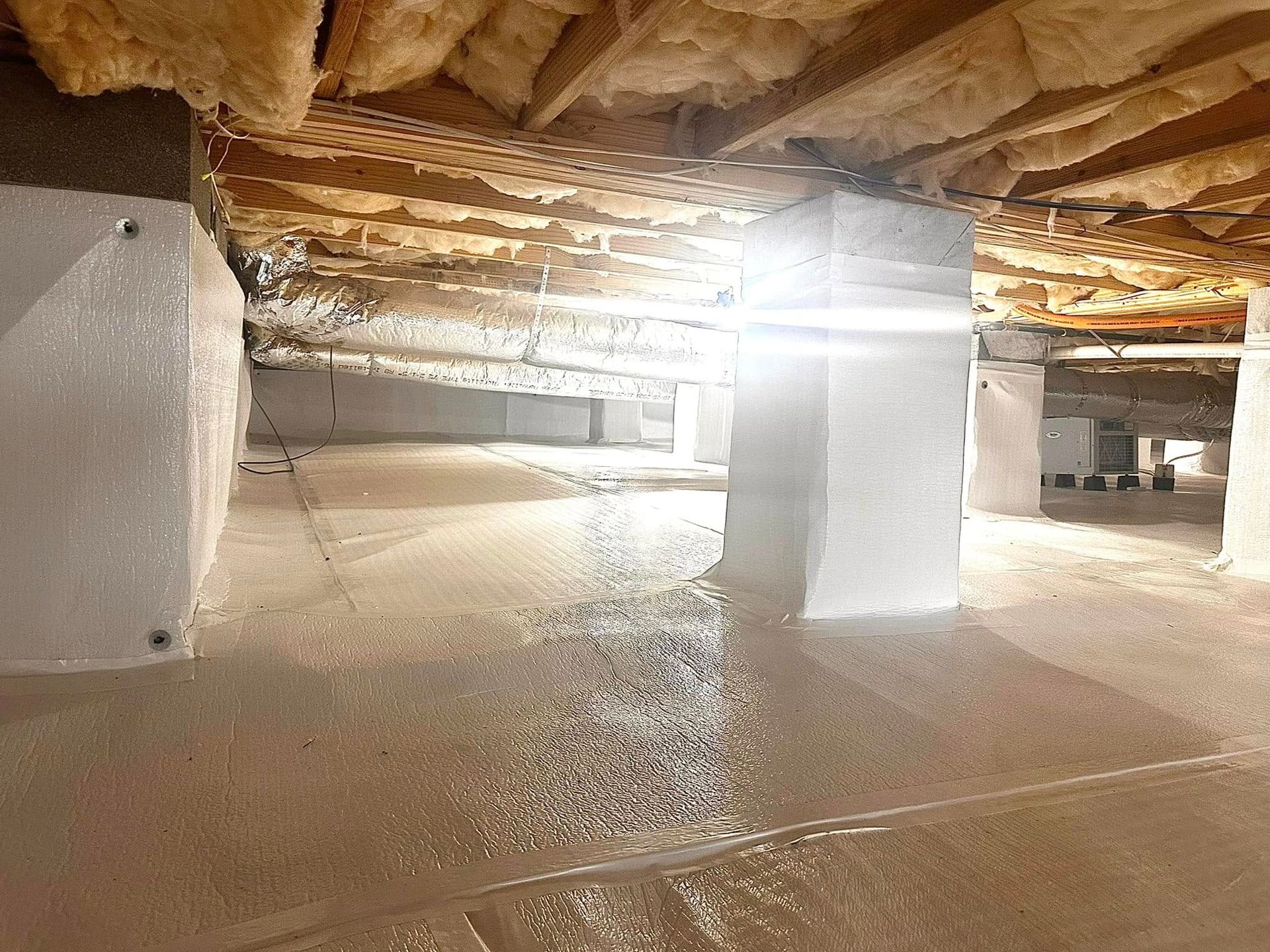
In this crawl space, the layout is pretty clear. One side sits high, and the back of the house drops down lower. That's where the water was going to end up.
The sump pump was placed on the high side.
That means any water collecting on the low end had no way to reach it. It was just going to sit there. A sump pump can only manage water that actually makes it to the pump. If the water can't get there, the pump might as well not exist.
This crawl space needed two sump pumps, one in each low corner. That's how you make sure water actually has a path to follow, no matter which direction it's moving. Instead, this homeowner got one pump in the wrong spot and a big bill.
The Bigger Picture: Equipment vs. Installation
I want to be clear about something. The dehumidifier used here was an AprilAire unit. That's a good brand. It's actually what I use on my own jobs. There's nothing wrong with the equipment itself.
The problem is everything around it.
You can install the best dehumidifier and the best sump pump on the market, and it won't matter if the setup doesn't account for how water actually moves through the space. Good equipment can't make up for a bad plan. It's like putting a great engine in a car with no wheels. It's not going anywhere.
This is something I see a lot. Homeowners hear a brand name and assume that means the job was done right. But the equipment is only one piece of it. The installation is where the real work happens.
Signs of a Job Done Wrong
A few things stood out to me right away on this inspection.
There was fungus growing under the home. That's usually a sign that moisture has been sitting somewhere it shouldn't for a while. The encapsulation wasn't finished either, which means the crawl space wasn't fully sealed off the way it should have been.
Even the basin itself had issues. It was hard to access, which makes it difficult to do any kind of maintenance down the road.
None of these things happen in isolation. When you see one issue like this, it's usually a sign that the whole job wasn't done with the level of care it needed. That's exactly what we found here.
Why This Keeps Happening With Corporate Companies
I used to work for a corporate company myself, so I understand how this happens.
A lot of these companies send out technicians who are following a checklist. Install the pump. Install the dehumidifier. Move on to the next job. There's pressure to get through a certain number of jobs each day, and that doesn't leave much room to actually study the space and figure out where water is going to collect.
Selling a system is one thing. Understanding a crawl space well enough to install it correctly is another. When a company is focused on volume, that second part is usually the first thing to get skipped.
This isn't about one bad technician having a bad day. It's a pattern I've seen over and over with these bigger companies. And the homeowner is the one who pays for it, literally and figuratively.
What Homeowners Should Look For
If you're getting a sump pump system installed, there are a few things worth asking about.
Ask the company to explain the slope of your crawl space and where they plan to place the pump. If they can't answer that clearly, that's a red flag. A good contractor should be able to walk you through why the pump is going where it's going, not just tell you it's included in the package.
Ask if you might need more than one pump. Not every crawl space does, but plenty of them do, especially if the space isn't flat.
And pay attention to how much time they actually spend looking at your crawl space before giving you a plan. If it feels rushed, it probably was.

Getting This Fixed the Right Way
I'll be taking over the service plan on this one. That means if anything else goes wrong with this system, I'm the one this homeowner is going to call. And when it's time to fix what should have been done right the first time, we'll make sure the water actually has somewhere to go.
If you're dealing with a crawl space that doesn't feel right, or you just want a second opinion on work that's already been done, reach out. We offer free inspections throughout Nashville and the surrounding areas.
I do the inspections myself. No sales pitch, no pressure. Just an honest look at what's actually happening under your home and a clear explanation of what it would take to fix it.
That's how we do things at Crawl Logic.