Wood Decay Fungus: Why Encapsulation Alone Isn't Enough
Introduction
The Fungus Problem
WHAT HAPPENS WHEN YOU SKIP THE TREATMENT
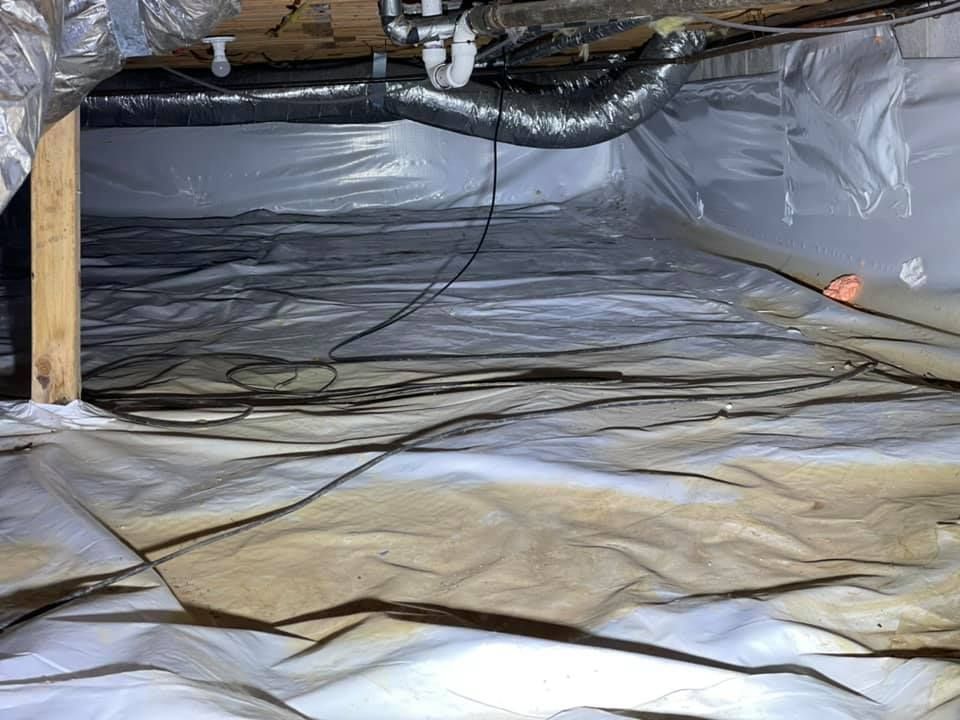
I'm in Clarksville, Tennessee today looking at a crawl space that needs work. And right away, I can see we've got wood decay fungus all over the floor joists.
This stuff is a problem. Not just because it's growing on your wood, but because of what it does when you walk across your floor above it. It releases spores as a defense mechanism. And since about 50% of the air you breathe in your home comes up from your crawl space, you're breathing that in.
I'm hearing this more and more from homeowners - other companies telling them they don't need to treat the fungus. Just encapsulate and it goes dormant. Lower price, problem solved.
Except that's not the whole story. And it's worth understanding why.
What Wood Decay Fungus Actually Is
Wood decay fungus grows when two things happen. Your wood moisture content goes over 16%, and your relative humidity hits 65% or higher. When those conditions are met, fungus takes hold.
You'll see it on your floor joists - white, fuzzy growth that spreads across the wood. It's a clear sign that moisture levels are too high and your crawl space needs to be encapsulated.
But here's the part that matters for your health. When fungus is disturbed - like when someone walks on the floor above it - it releases spores into the air. That's its defense mechanism. And those spores don't stay down there. They come up into your living space.
The "It Goes Dormant" Myth
Here's what I keep hearing from homeowners. They got a quote from another company, and that company told them the fungus doesn't need to be removed. Just encapsulate the crawl space, lower the moisture, and the fungus goes dormant. It stops growing. Problem handled.
And technically, that part is true. Once you encapsulate and bring the moisture levels down, the fungus won't keep spreading. It will go dormant.
But dormant doesn't mean it's harmless. It doesn't mean it's gone. And it definitely doesn't mean it stops releasing spores.
Even when the moisture content is low, that fungus is still sitting on your wood. And every time it gets disturbed, it's still releasing spores and dead matter into the air. You didn't solve the problem. You just sealed it in and hoped it wouldn't matter.
Why You're Still Breathing It In
Most people don't realize how much of their indoor air comes from the crawl space. It's about 50%. That air is rising up through your floors, into your living space, and that's what you and your family are breathing.
When you leave fungus on the wood and don't treat it, those spores are coming up with that air. Every time someone walks across the floor. Every time the house settles. Every time there's any kind of disturbance down there.
It's not just about what it looks like. It's about what you're breathing in every single day.
That's why we don't skip the treatment. It's not about upselling you on something extra. It's about doing the job in a way that actually protects your health.
How We Actually Treat Fungus
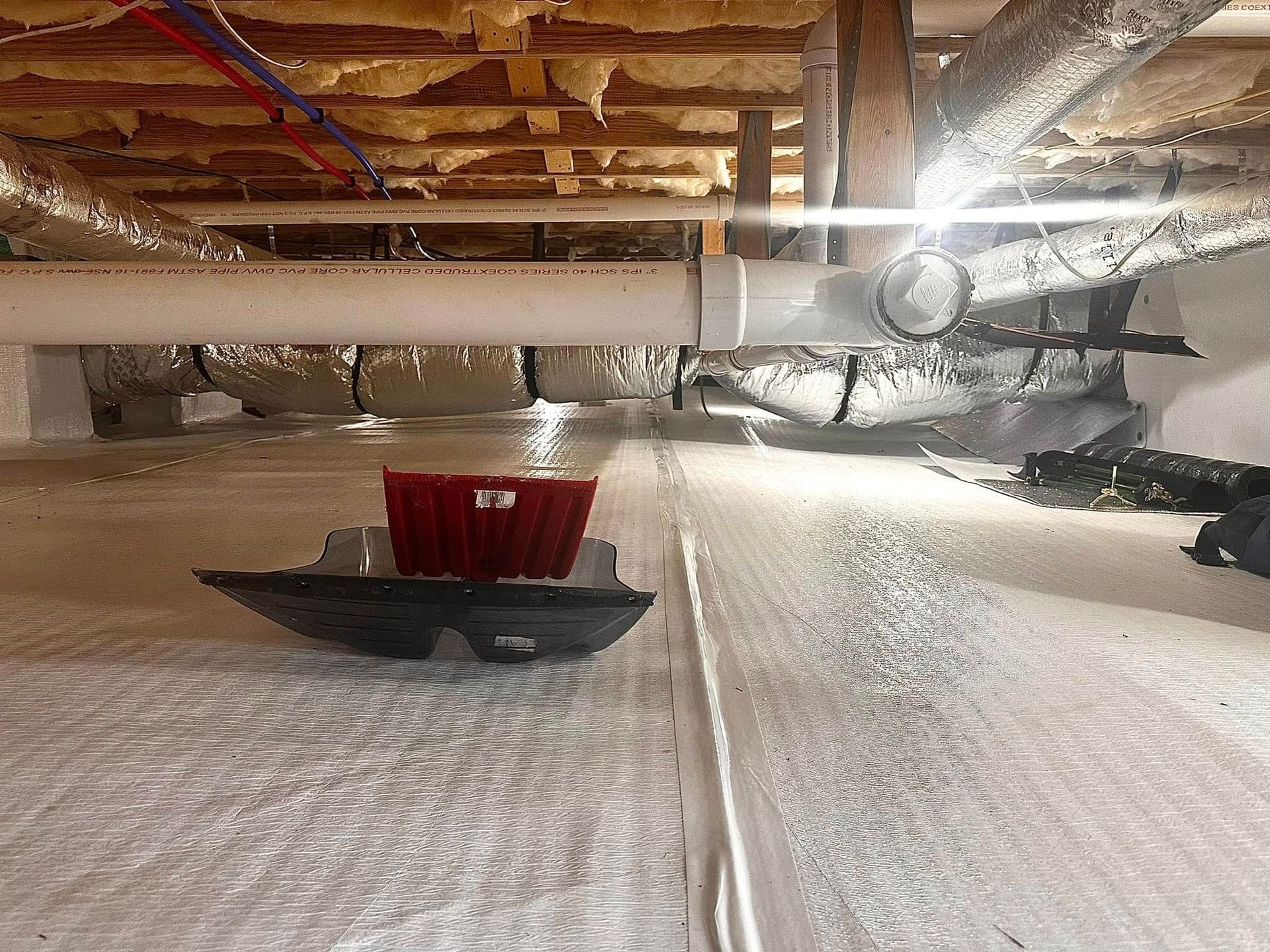
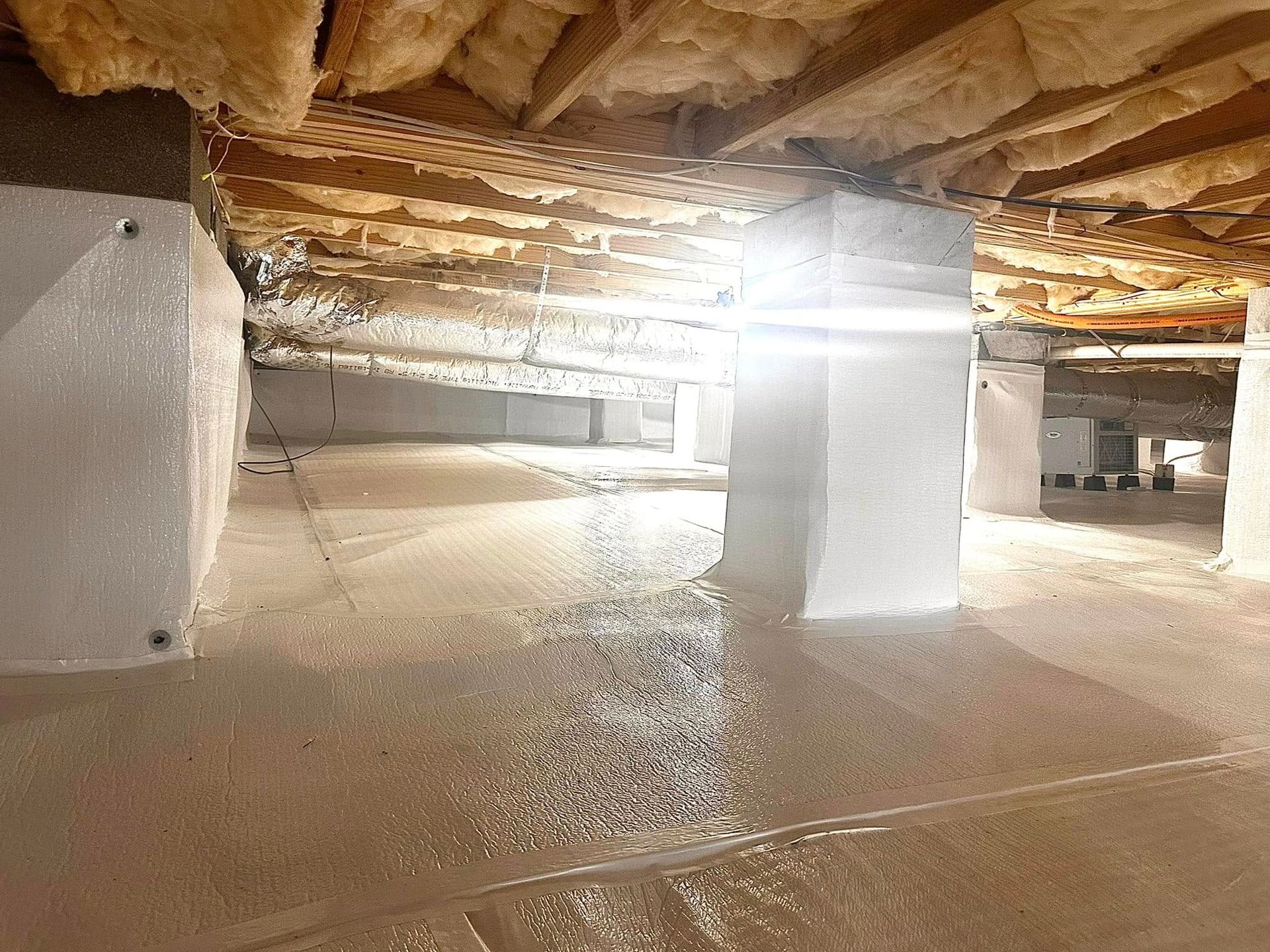
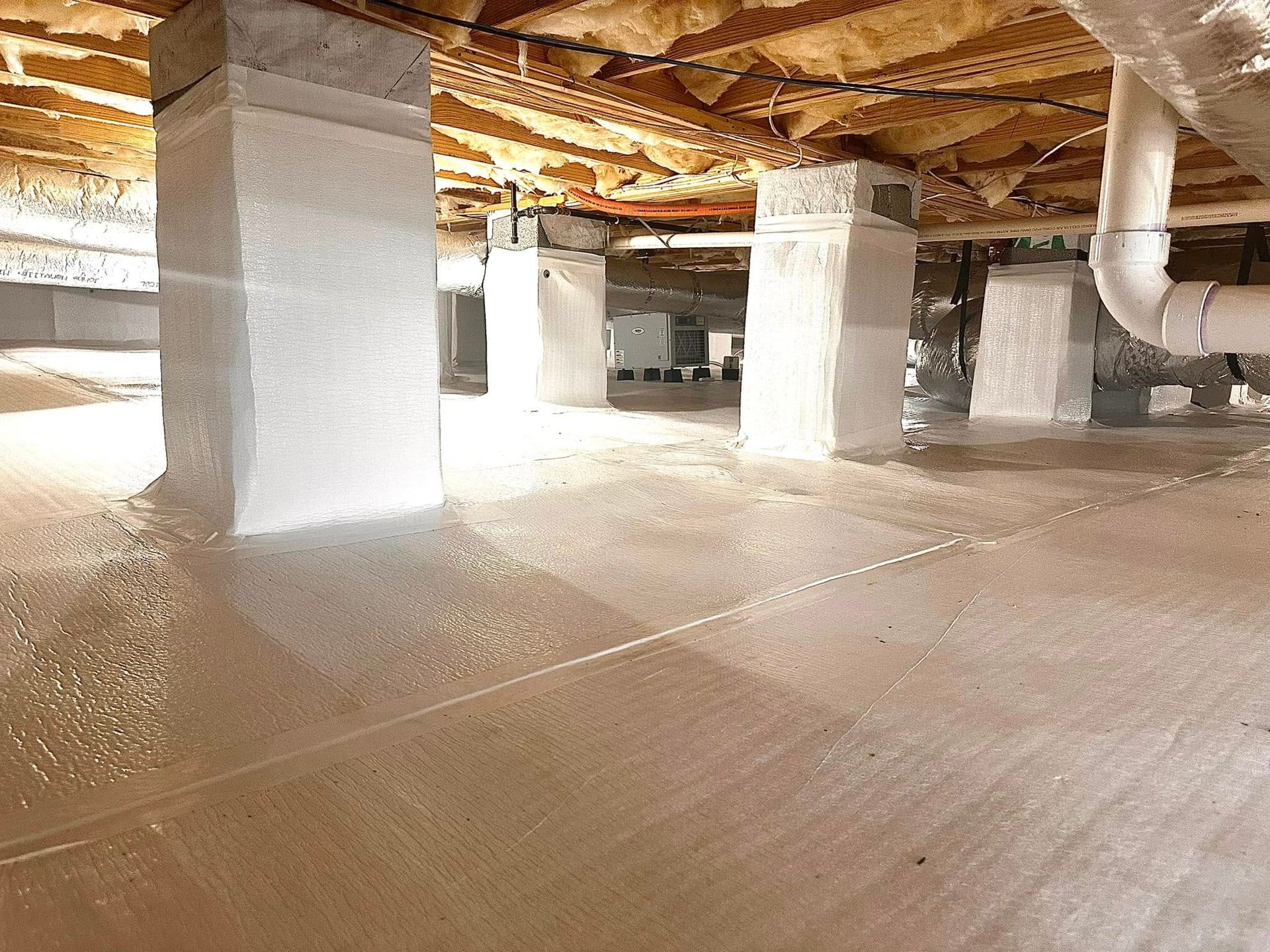
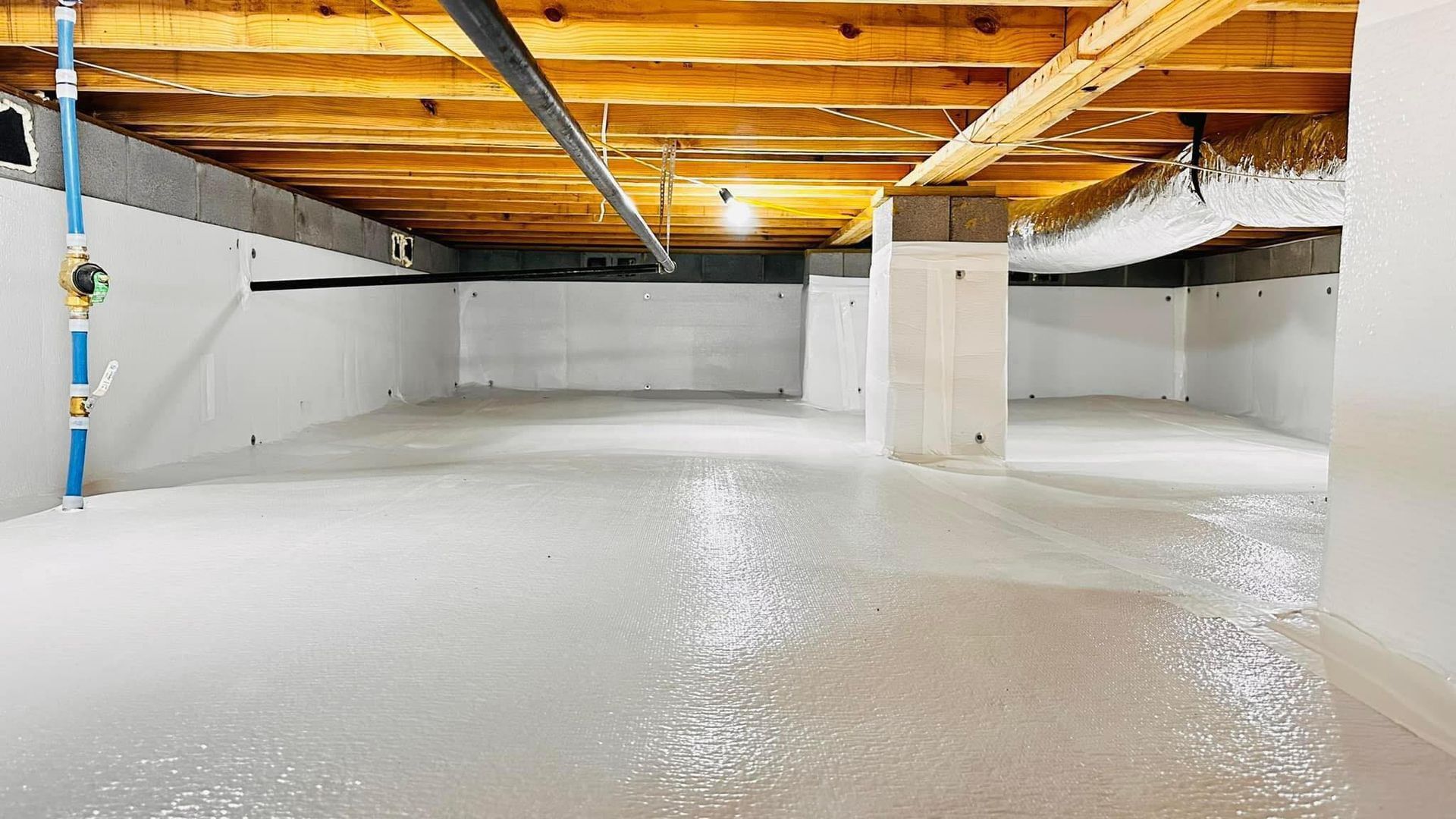
When we find fungus like this, we don't just encapsulate over it and call it good. We treat it the right way.
First, we scrub it off the wood. We're not leaving it there to sit dormant. We're physically removing as much of it as we can.
Then we treat the wood with a fungicide. That kills any remaining spores and prevents it from coming back once the conditions are right.
After that, we HEPA vac the entire crawl space. We're pulling out all the loose spores and debris so they're not sitting there waiting to get stirred up.
And finally, we run an air scrubber while we're working. That captures any airborne spores so they don't make it up into your house during the process.
It takes more time. It costs a little more than just rolling out some plastic and calling it a day. But it's the difference between actually solving the problem and just covering it up.
The Real Cost of Skipping Treatment
Here's what happens when you skip the fungus treatment to save a few hundred dollars now.
You go to sell your house a few years down the road. The home inspector crawls under there and sees fungus all over the wood. That's going to show up on the report. And now you're either negotiating a lower sale price, or you're paying to have it treated anyway before the deal goes through.
Either way, you're dealing with it. The only difference is you've been breathing it in for years while you waited.
And even if you're not selling, you're still living with a problem that didn't get fixed. You paid for encapsulation. You thought the issue was handled. But the fungus is still there, still releasing spores, still affecting your indoor air quality.
That's not a solution. That's just kicking the problem down the road.
What Clarksville Homeowners Should Know
If you're getting quotes for crawl space work, ask about fungus treatment. Don't just assume it's included.
Ask what they do when they find fungus. Do they scrub it? Treat it with fungicide? HEPA vac the space? Run an air scrubber? Or do they just tell you it goes dormant and move on?
If a company's bid is significantly lower than everyone else's, there's usually a reason. A lot of times, it's because they're skipping steps like this. They're doing the bare minimum to get the job done fast and move to the next one.
You deserve to know what you're actually paying for. And what you're not.

Ready to Do It Right?
If you've got questions about fungus, moisture problems, or anything else going on in your crawl space, reach out. I'm happy to walk you through it.
We offer free inspections for homeowners in Clarksville, Nashville, and the surrounding areas. I handle every inspection myself. No salespeople. No pressure. Just an honest look at what's happening under your house and a straight answer about what needs to be done.
You can call or text me directly. I'll answer your questions and help you understand your options.
That's how we do business at Crawl Logic.