What Ductwork Sweat Tells You About Your Crawl Space Humidity
Introduction
Ductwork Sweat Is a Warning Sign
WHAT YOUR DUCTS ARE TRYING TO TELL YOU
I'm on my way to Clarksville this morning for an inspection. It's been a busy stretch lately, and I've been seeing the same thing over and over - sweating ductwork in crawl spaces.
A lot of homeowners notice it and figure it's just condensation.
Maybe the AC is running hard because it's hot outside. Maybe it's normal.
But it's not normal. And it's not just condensation.
Sweating ducts are telling you something specific about what's happening in your crawl space. And if you ignore it, the problem gets worse.
When and Why Ductwork Sweats
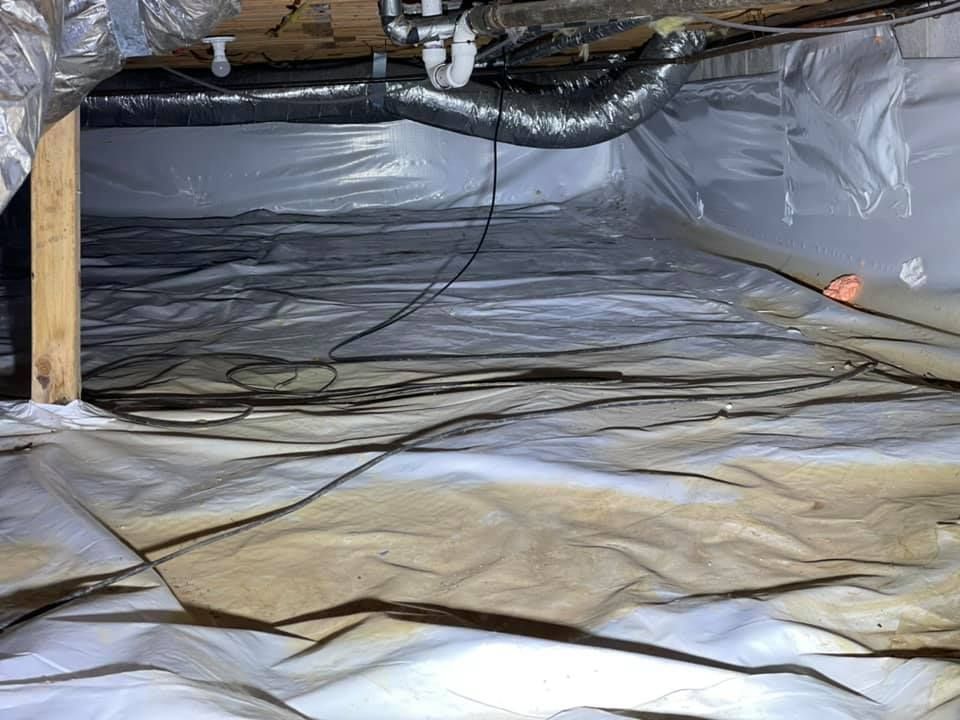
Ductwork sweats when the relative humidity in your crawl space hits 60 to 70 percent. That's the threshold. Below that, your ducts stay dry. Above that, you start seeing moisture on the surface.
Relative humidity is just a measure of how much water is in the air. When there's too much moisture and your ducts are cool from the AC running through them, that moisture condenses on the metal. That's the sweat you're seeing.
But here's the thing - this isn't an air conditioning problem. Your AC is doing its job. The problem is the humidity level in your crawl space. And that level of humidity doesn't just make your ducts sweat. It does a lot worse.
The Humidity and Fungus Connection
Fungus grows at 60 to 65 percent relative humidity.
Look at those numbers again. Ductwork sweats at 60 to 70 percent. Fungus grows at 60 to 65 percent. They overlap.
So if you're seeing sweat on your ducts, you're also looking at humidity levels where fungus can start growing on your floor joists, your subfloor, your wood structure. The visible sign on your ductwork is pointing to an invisible problem happening in the wood above it.
That's why this matters. It's not just about damp ducts. It's about what that humidity is doing to the rest of your crawl space.
Understanding Wood Moisture Content
Relative humidity and wood moisture content are directly connected. There's a one-to-four correlation between them.
If your crawl space is sitting at 65 percent relative humidity, your wood moisture content is going to be around 16 percent. And 16 percent is the number where fungus starts to grow on wood.
So when I see sweating ductwork, I already know your wood is probably holding enough moisture for fungus to take hold. I don't even have to measure it yet. The ducts are telling me what's happening.
That's the science. It's not guesswork. It's how humidity and wood moisture work together.
What This Means for Your Home
If your ducts are sweating, you've got high humidity. If you've got high humidity, you've likely got fungus starting to grow. And if you've got fungus growing, the problem is going to get worse over time.
Fungus breaks down wood. It weakens your floor joists. It spreads. It creates that musty smell that works its way into your house. And the longer it sits, the more damage it does.
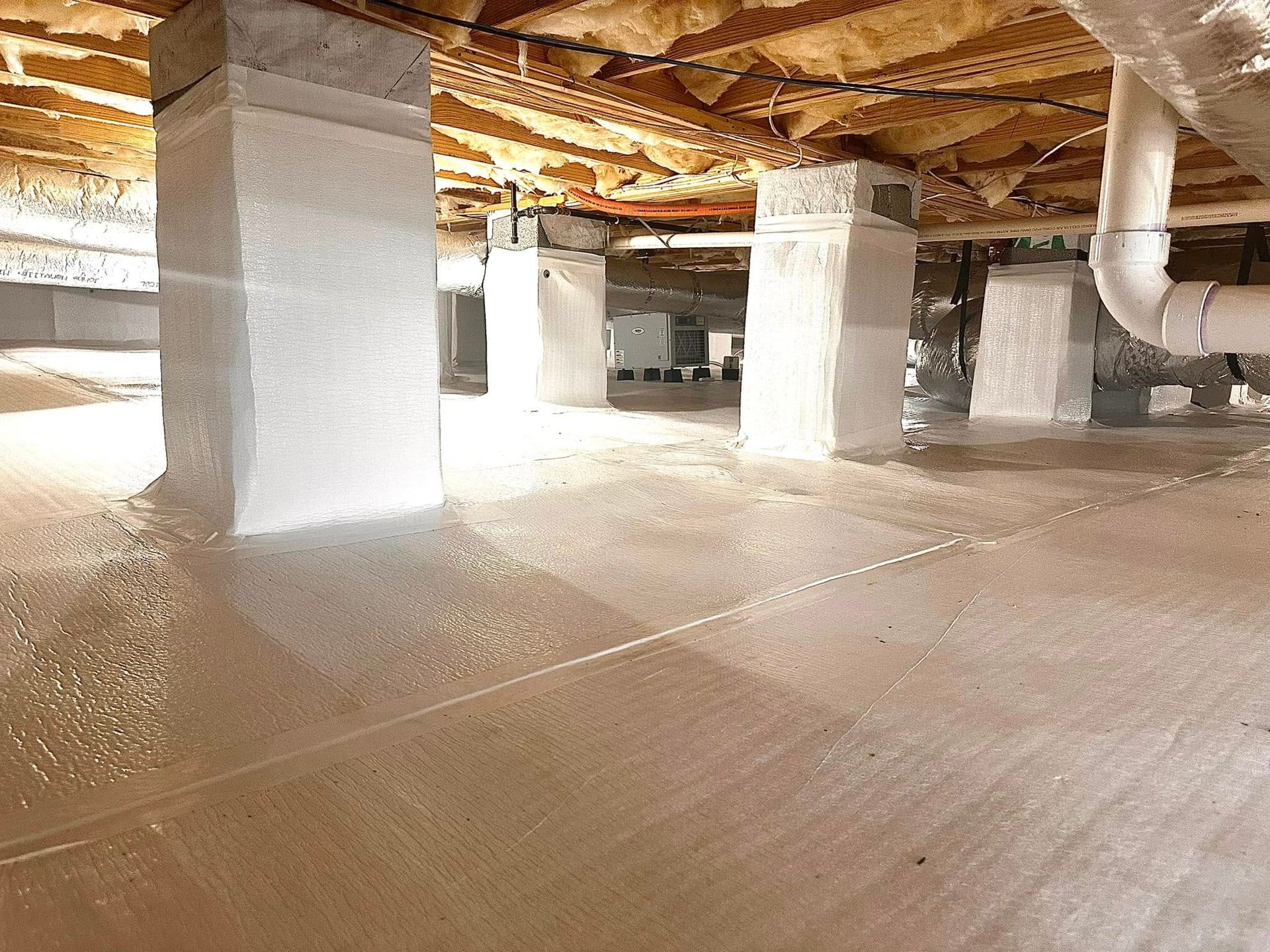
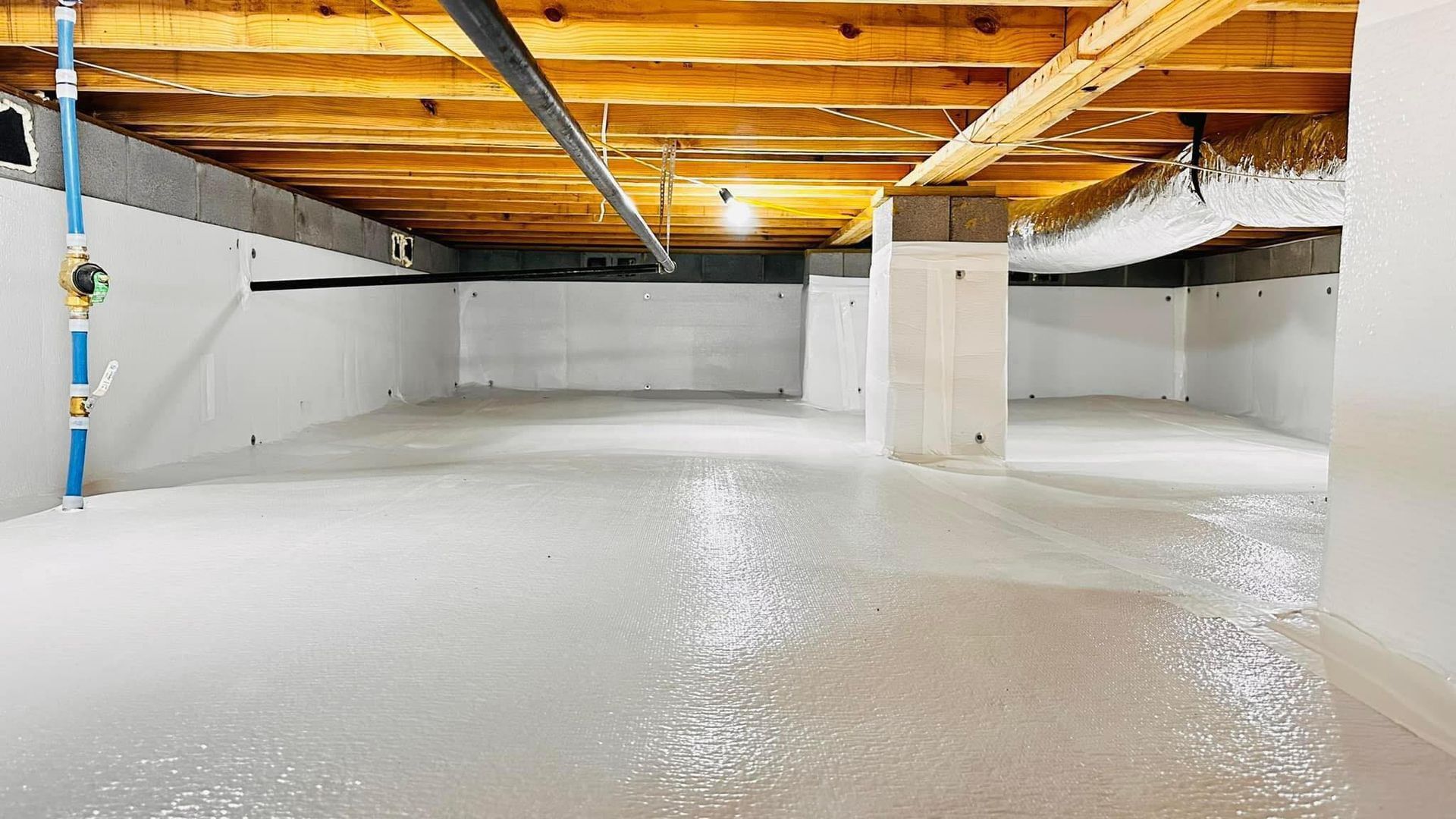
That's when we start talking about encapsulation. Not because it's the only thing I know how to sell, but because it's what actually fixes the problem. You can't just wipe the ducts down and call it good. You have to deal with the humidity.
The Educational Approach
I don't do sales pitches. That's not how I work.
I teach classes on crawl space science. I've written a book about it. I'm genuinely interested in how all this stuff works - the humidity, the wood moisture, the airflow, the chemistry of it all. And I think homeowners deserve to understand it too.
Most companies send someone out with a laptop and a prepared pitch. They show you some pictures, give you a price, and try to close the deal. I'd rather sit down and explain what's actually happening under your house. Show you the science. Let you ask questions. Help you understand why the problem exists and what it takes to fix it.
If you've already gotten quotes and you're still not sure what's going on, I'm happy to come out and walk you through it. No pressure. Just information.
What Homeowners Should Look For
If you're concerned about your crawl space, here are a few things worth checking:
Look for moisture on your ductwork. If it's there, you've got a humidity problem.
Pay attention to musty smells in your home. That's often a sign of high moisture and fungus growth below.
Notice if your floors feel soft or uneven. That can mean your floor joists are taking on water damage.
And if you're getting quotes, ask questions. Ask the contractor to explain the science. Ask them how they measure humidity and wood moisture content. Ask them why they're recommending what they're recommending.
A good contractor will take the time to educate you. If they can't or won't, that tells you something.

Ready to Learn More About Your Crawl Space?
If you're seeing sweating ductwork or dealing with humidity issues in your crawl space, reach out. I'm happy to answer your questions.
We offer free inspections for homeowners in the Nashville area, Clarksville, and surrounding counties. I handle every inspection myself. No salespeople. No scripts. Just a straightforward look at what's going on and an honest conversation about your options.
You can call or text me directly. I'll walk you through what we're seeing, explain the science behind it, and help you figure out the best way forward.
That's how we do things at Crawl Logic.