Your Sump Pump Will Fail Eventually. The Question Is Whether You'll Know When It Does.
Introduction
When the Job Is Done, the Risk Isn't
THE PART OF CRAWL SPACE PROTECTION MOST COMPANIES NEVER TALK ABOUT
Most homeowners feel relief when the crawl space job is finished. The crew's gone. The liner's in. The dehumidifier's humming. You wrote the check. You're done.
That feeling makes complete sense. You hired someone, you paid for it, and now it's handled. That's how it's supposed to work.
But there's one part of your crawl space that nobody talks about after the job is finished — and it's the part that can quietly undo everything you just paid for.
Your Sump Pump Is a Machine. Machines Fail.
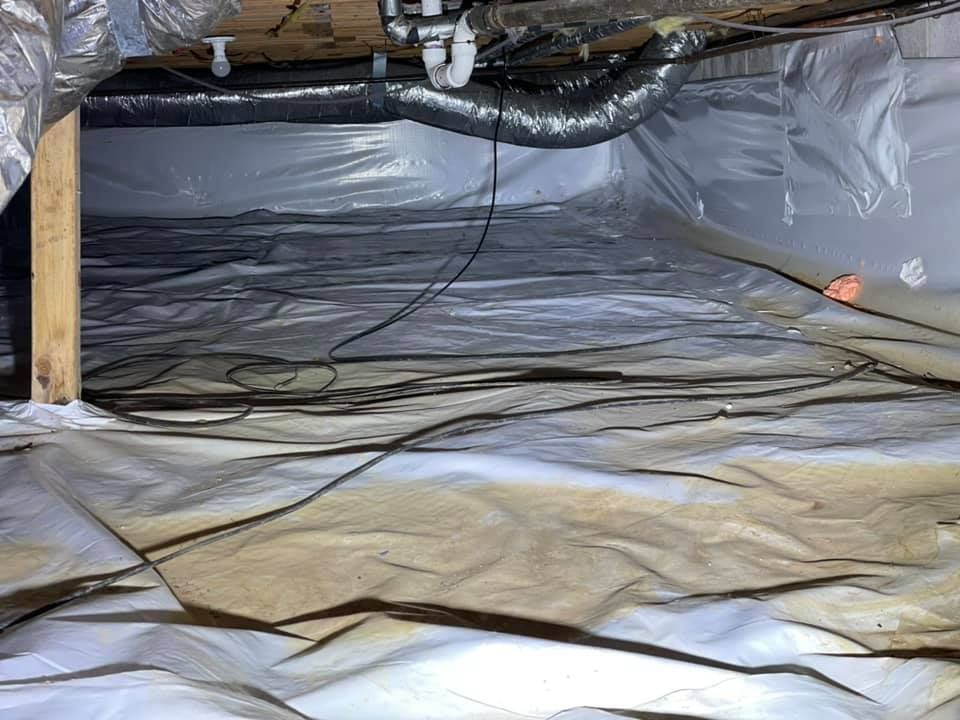
Your sump pump is doing one job: moving water out of your crawl space before it becomes a problem. It runs in the dark, under your house, where you never see it. And it will work great — until one day it doesn't.
That's not a scare tactic. That's just how mechanical things work. Every pump has a lifespan. Every motor eventually gives out. The question isn't whether it'll fail. The question is what happens when it does.
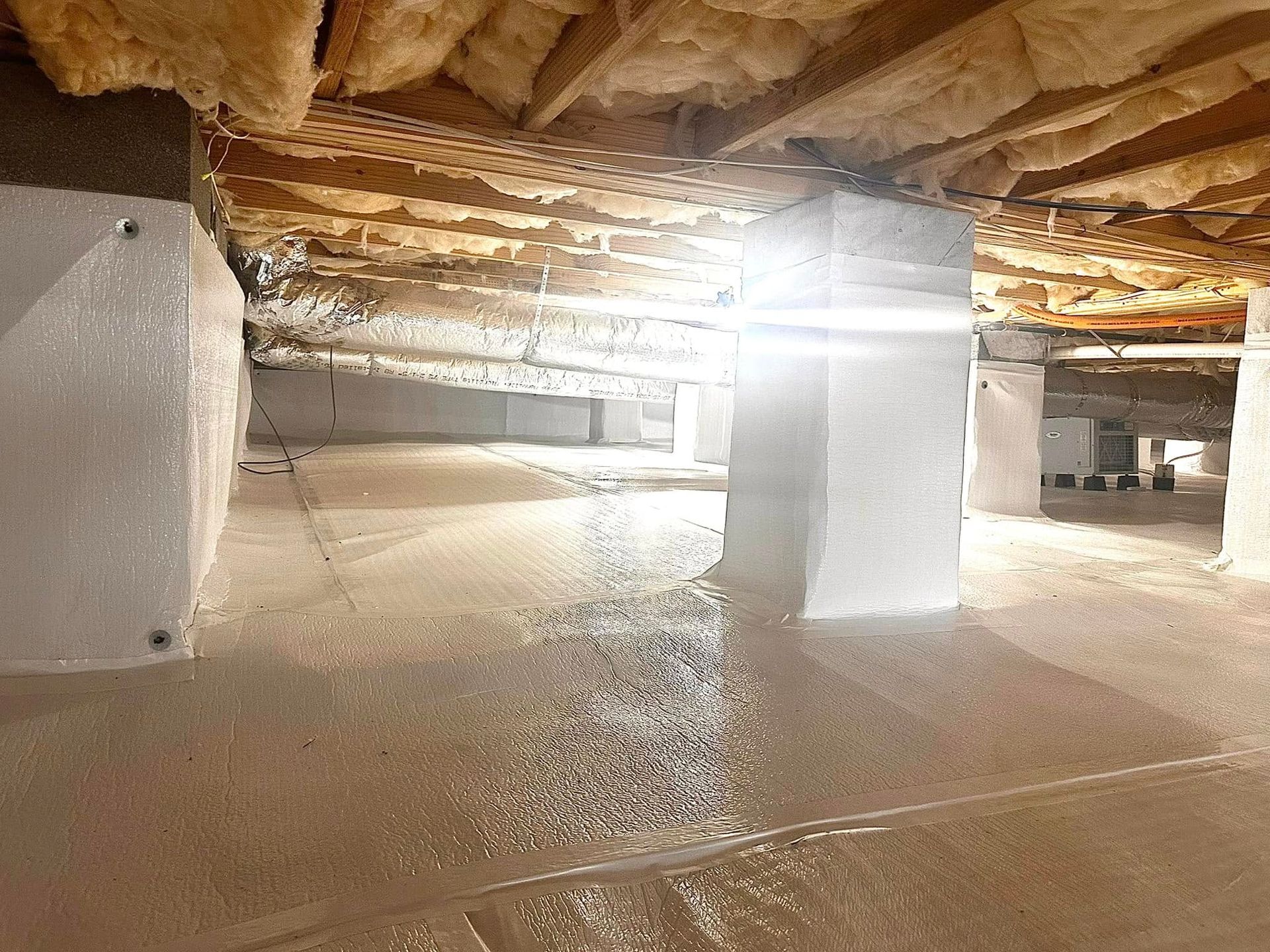
In an open crawl space, a failed pump usually shows itself. You might notice moisture. You might smell something. There are signs.
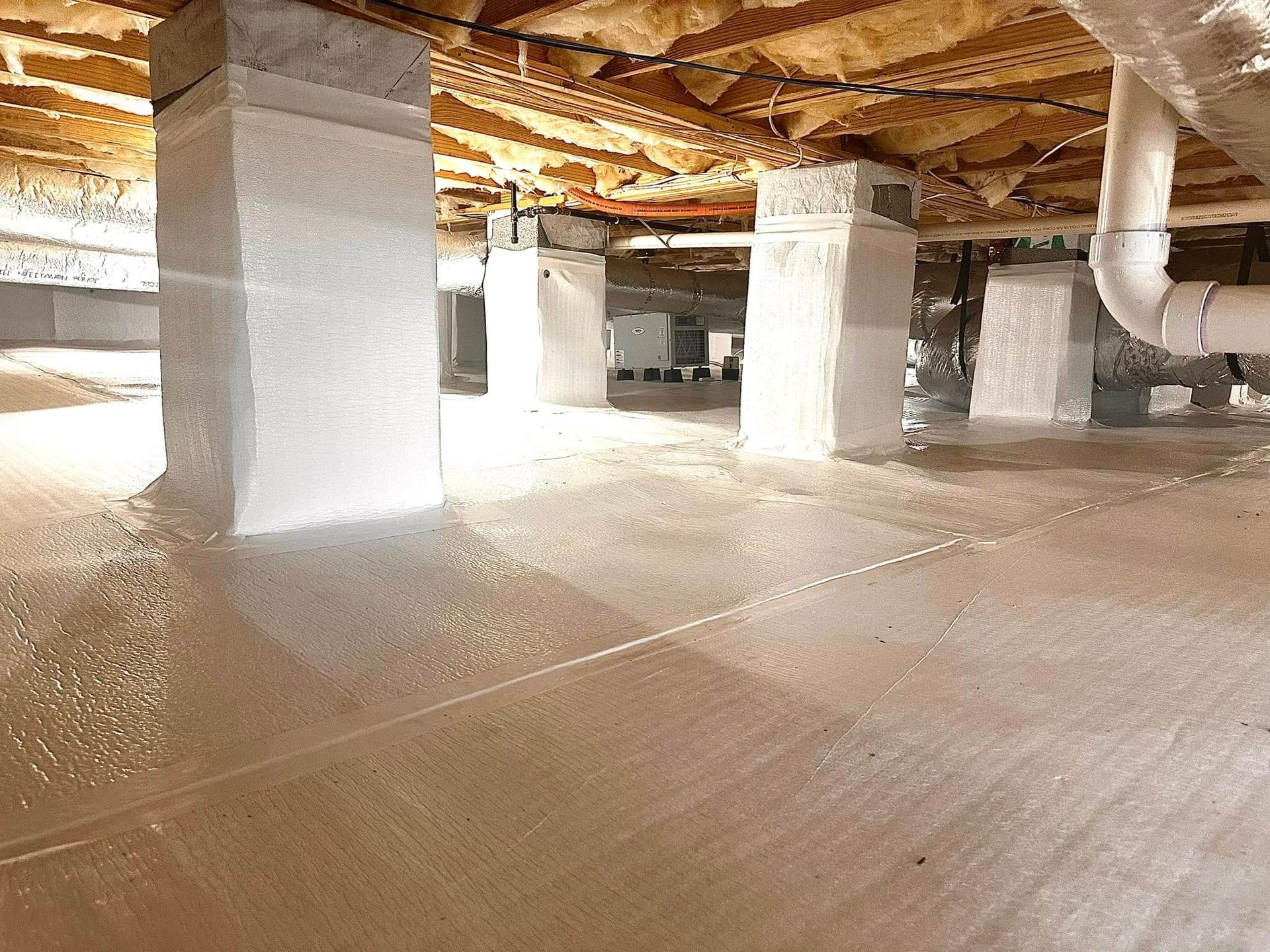
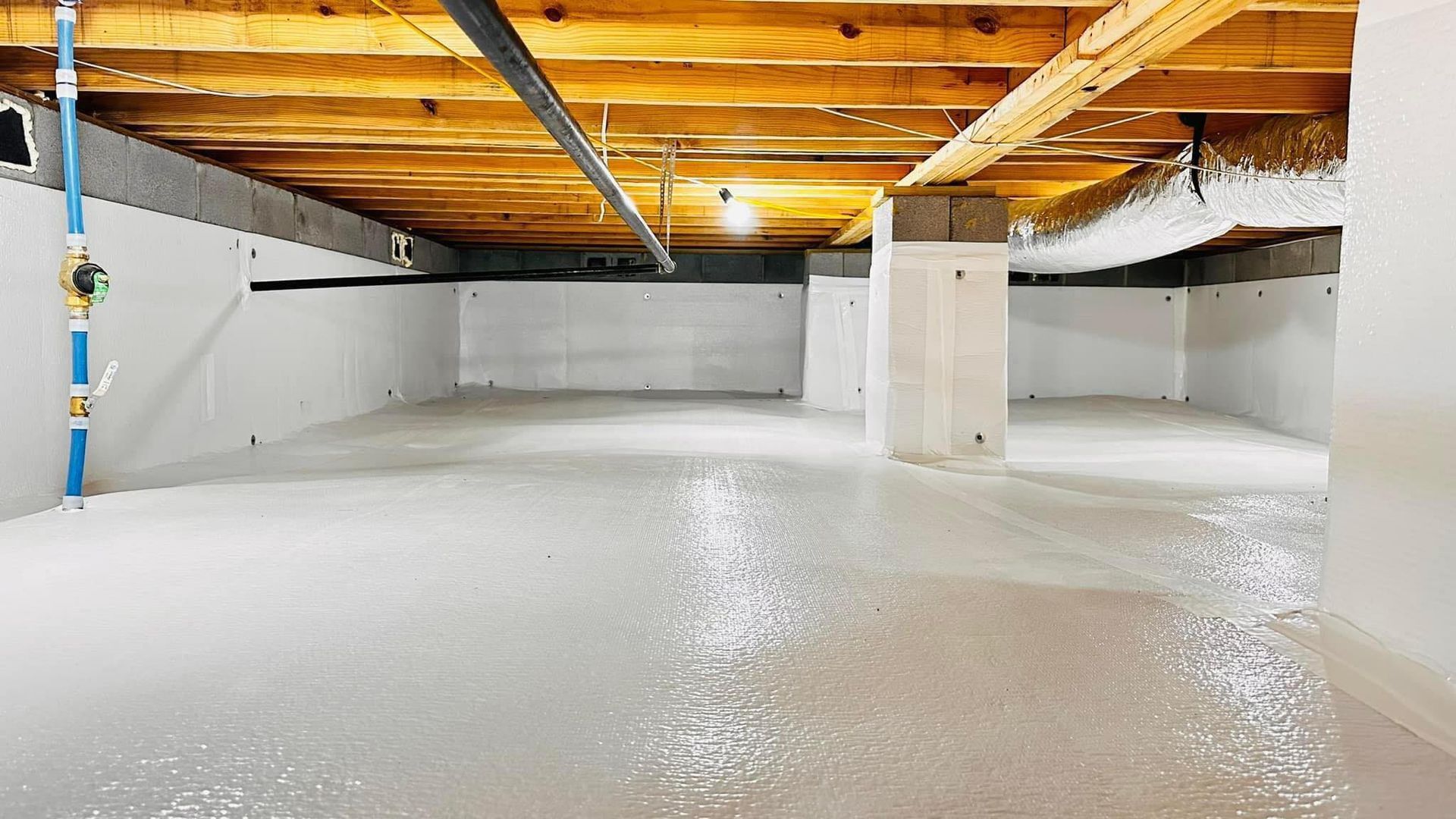
In a sealed, encapsulated crawl space? There are no signs. The liner holds everything in. The space looks exactly the same whether the pump is working or not. You could go weeks — sometimes longer — without knowing anything is wrong.
By the time you find out, the damage is already done.
Why Nobody Tells You This
Here's the honest answer: most companies aren't thinking about your crawl space after they leave.
The big corporate outfits hand you off to a 1-800 number and move on to the next job. The small guys are already on to the next house. Nobody has a reason to come back and check — unless you're paying them to.
It's not always malicious. It's just the way the industry works. The job ends when the crew pulls out of the driveway. What happens after that is your problem.
That's the gap. And most homeowners don't even know the gap exists until something goes wrong.
What Monitoring Actually Looks Like
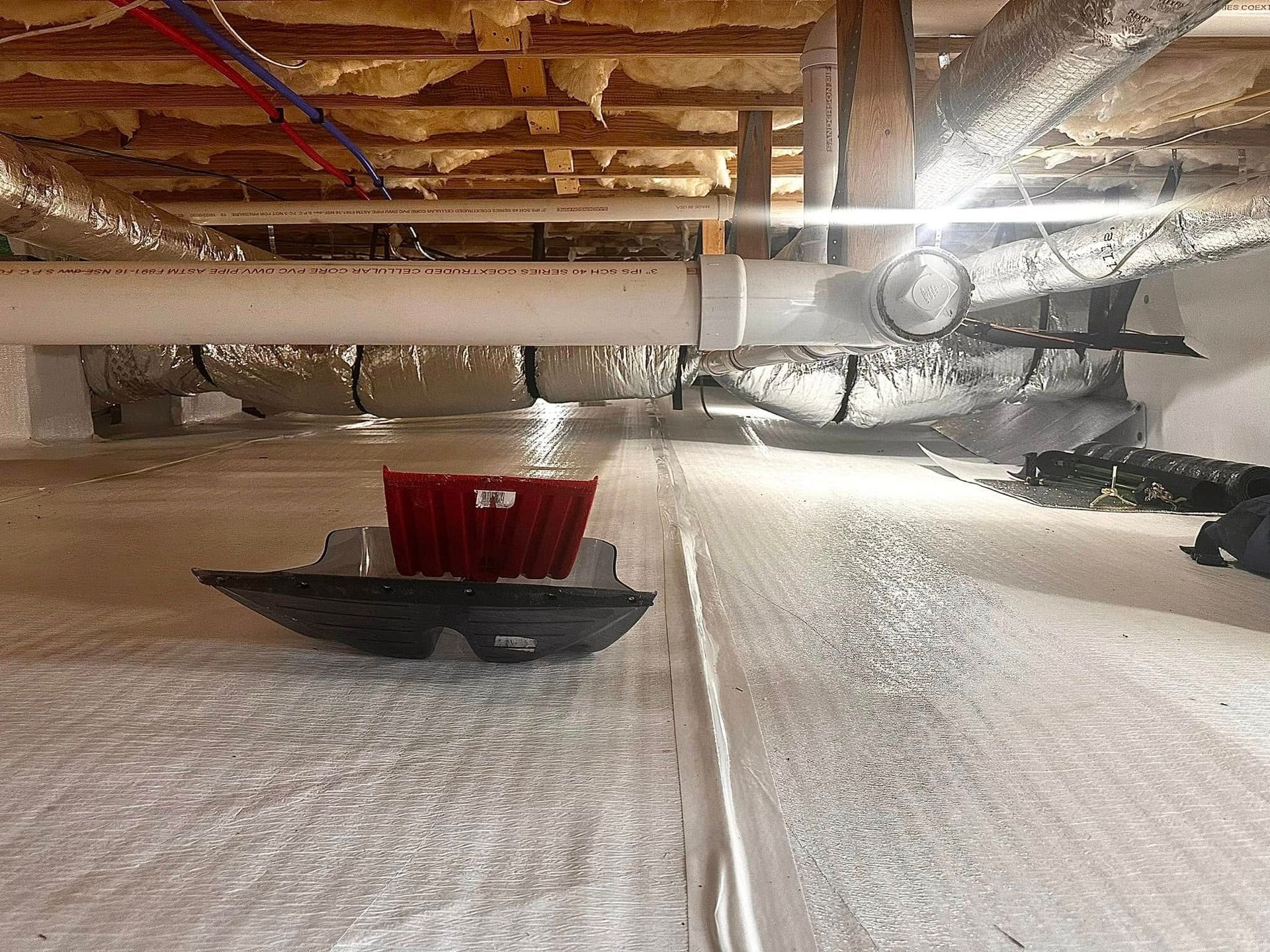
After every encapsulation job we finish, I add a MySpool smart sump sensor to the system. It's a small device — a micro flow switch — that sits in the top of the sump pump basin and monitors whether the pump is working.
If the pump fails, it sends you a text and an email right away. Not days later. Right away.
Then you reach out to me. And we take care of it.
I set it up through an app so you don't have to manage any of it. Once it's in, it just runs. You go about your life. And if something goes wrong under your house, your phone tells you before it becomes a real problem.
That's it. That's the whole thing.
The Difference Between Done and Protected
There's a difference between a job that's finished and a crawl space that's actually protected. Finished means the crew did the work and left. Protected means someone is still paying attention.
I go back after every job. I inspect it myself. I take before and after photos. I add the sensor. I put you on an annual maintenance plan. And I give you my personal number — not a call center, not a service line — me.
Because the job being done doesn't mean my job is done.

Ready to Talk About Your Crawl Space?
If you've already had encapsulation done and nobody mentioned monitoring, it's worth a conversation. And if you're still in the process of figuring out who to hire, now you know what to ask.
Either way, I'm easy to reach. Call or text me directly and we'll figure out where you stand.