7 Degrees Outside, 54 Degrees in My Crawl Space: How Encapsulation Actually Works
Introduction
Real-World Proof From My Own Home
TESTING CRAWL SPACE ENCAPSULATION WHEN TEMPERATURES DROP
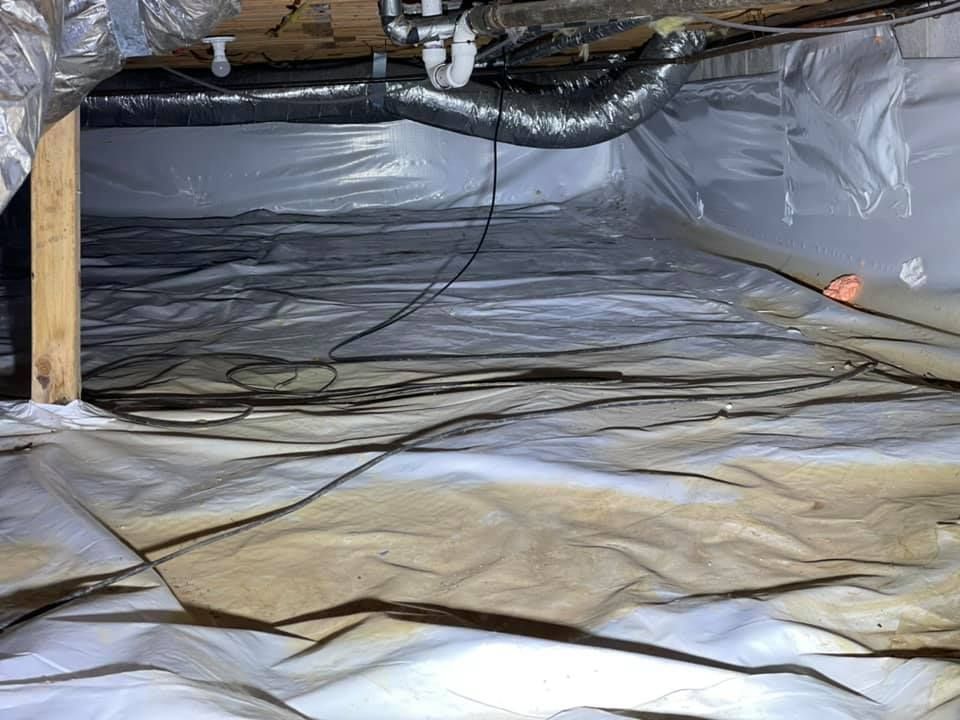
When temperatures dropped to 7 degrees last night, I did something that might seem odd - I grabbed my phone and headed down into my crawl space.
Not because I was worried about frozen pipes or any problems.
I went down there to show you exactly what a properly encapsulated crawl space does when it gets this cold.
Here's what I found: 7 degrees outside, 54 degrees in my crawl space.
That's a 47-degree difference. And you know what?
The house above felt warm and comfortable.
No cold floors. No drafts.
No concerns about pipes freezing while we slept.
The same encapsulation system I install for customers every day is in my own house.
Because when I recommend something to you, I need to know it works.
Not just in theory - in real life, during actual cold snaps like this one.
The Temperature Reality
Let me break down what that temperature difference actually means for your home.
When it's 7 degrees outside and your crawl space is sitting at 54 degrees, you're not just keeping things from freezing. You're creating a buffer zone under your entire house. That warmer air down there means the floors above stay warmer. Your heating system doesn't have to work as hard. And you're not constantly worried every time the temperature drops.
Most crawl spaces in Nashville? They're basically the same temperature as outside. Maybe a few degrees warmer. So when it hits 7 degrees, those crawl spaces are sitting in the teens or twenties. Cold air rises up through your floors. Your heating bill goes up. And you're hoping your pipes make it through the night.
That 47-degree difference isn't just a number - it's the difference between comfort and concern.
What Makes My Crawl Space Different
So what's actually down there keeping things at 54 degrees when it's freezing outside?
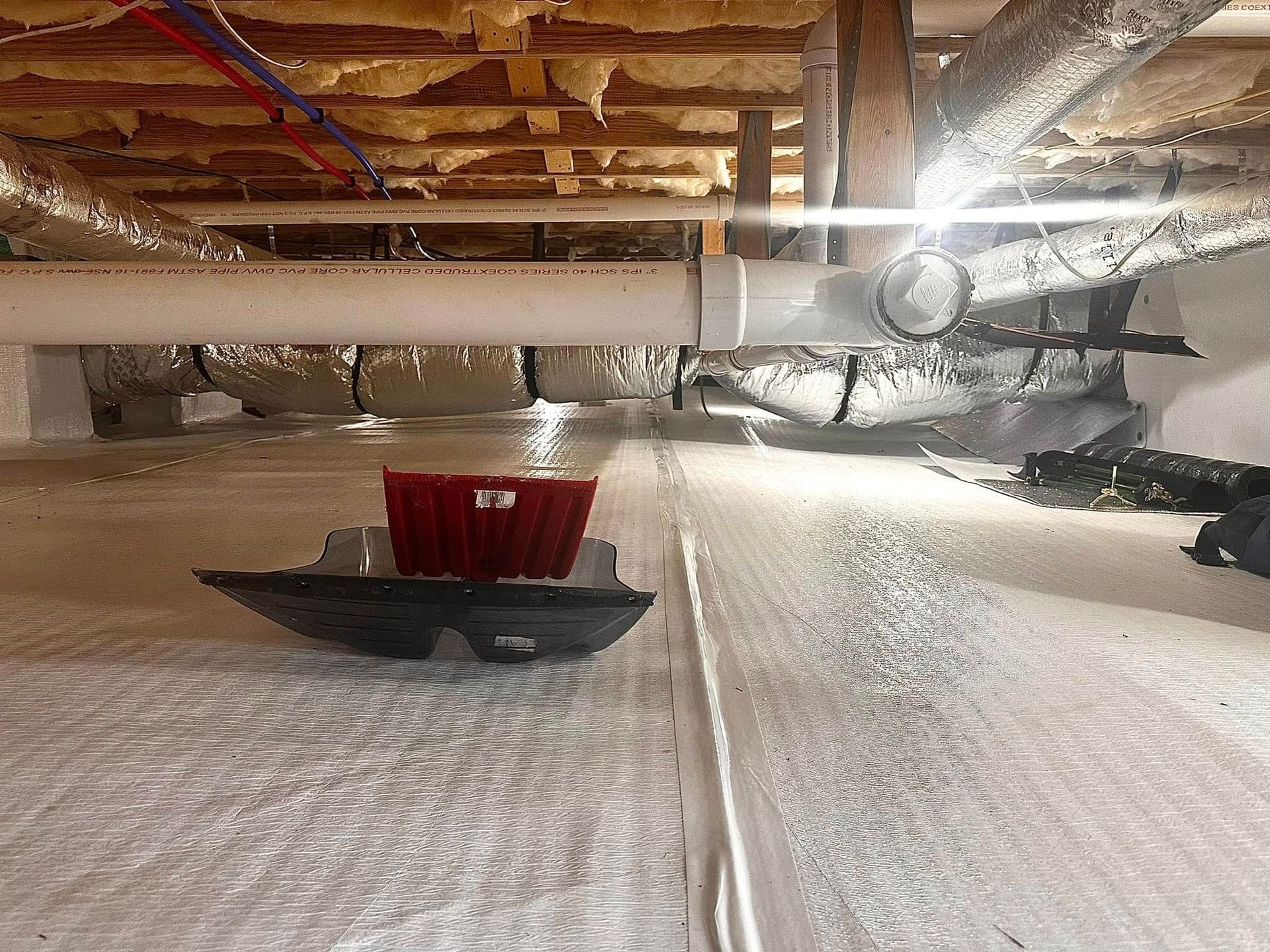
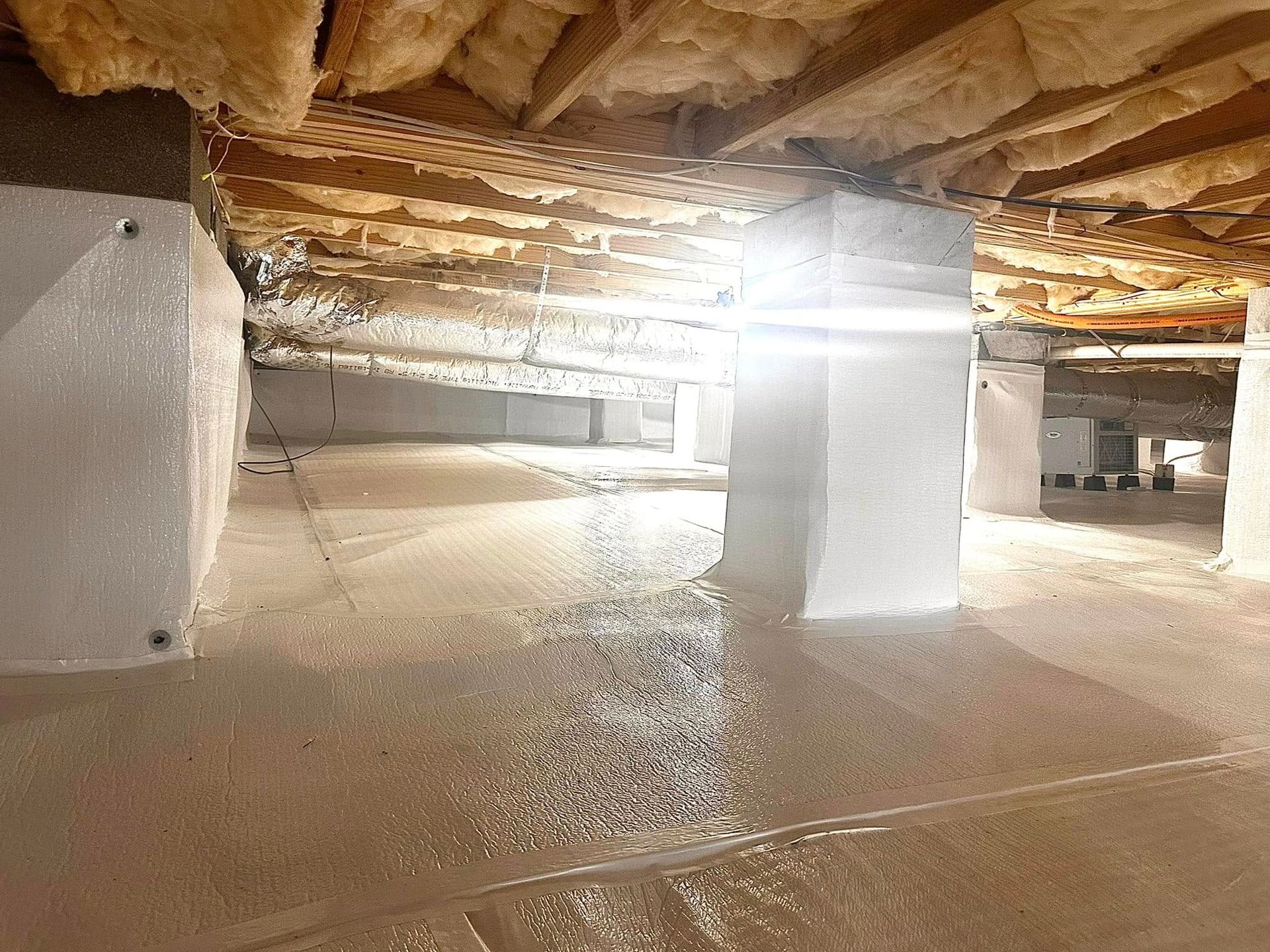
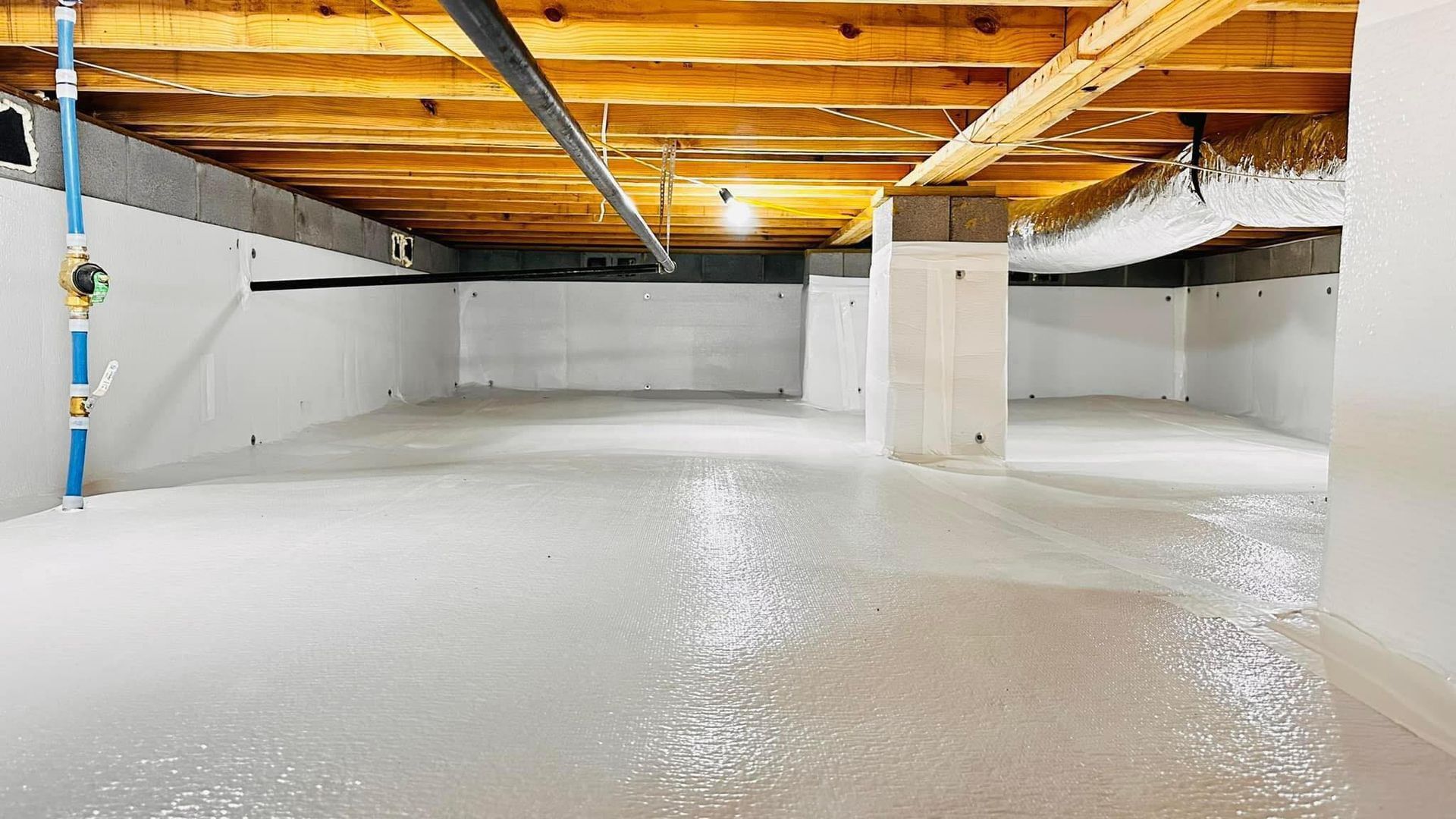
First, sealed vents. No cold air pouring in from outside. Most crawl spaces have those foundation vents that were supposed to help with moisture - but all they really do is let whatever's happening outside come right into your crawl space. Mine are sealed tight.
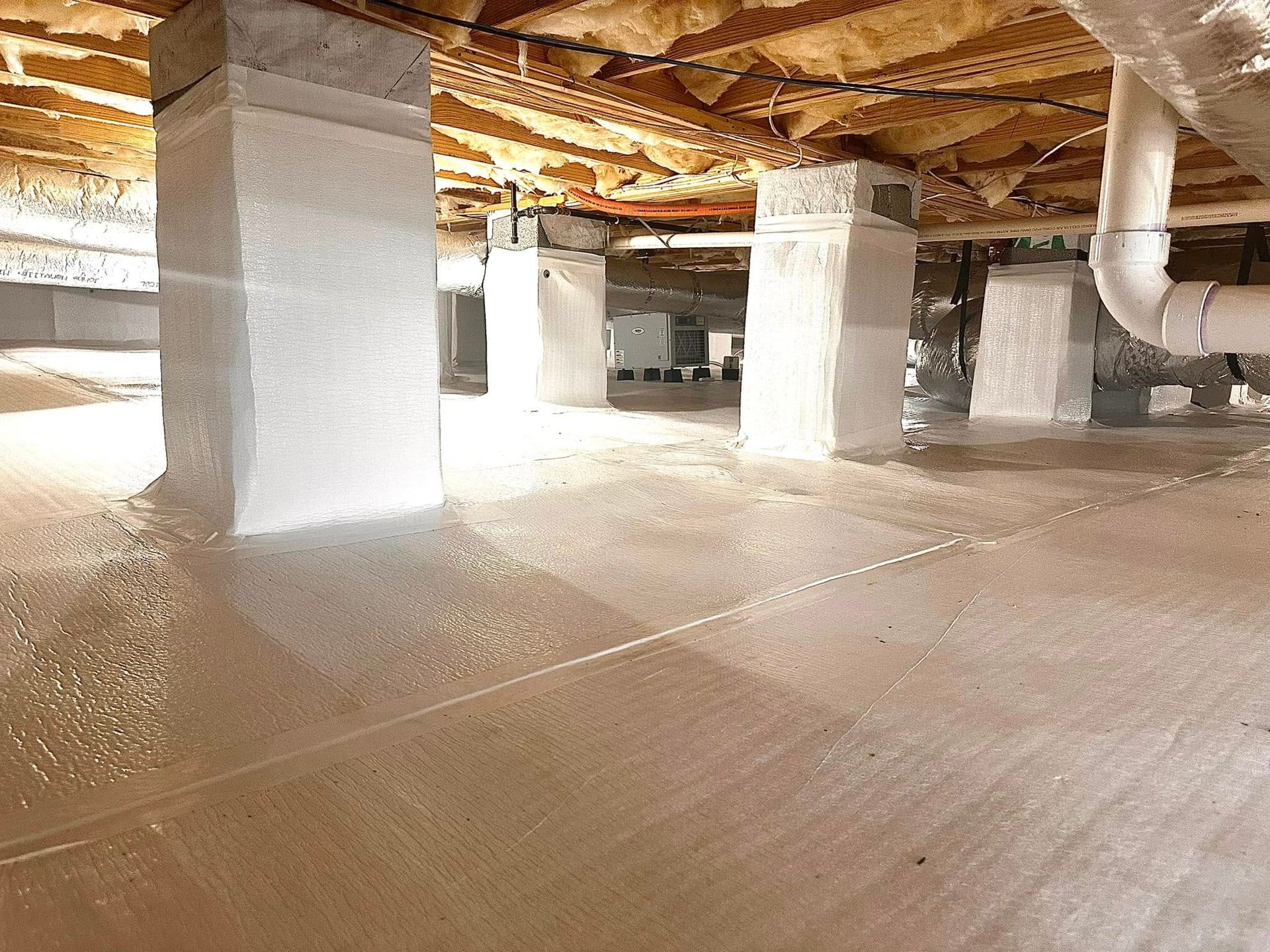
Second, sealed HVAC system. My heating and cooling equipment is down there, and it's not leaking conditioned air into the crawl space or pulling in unconditioned air from outside. Everything stays contained where it should be.
Third, a dehumidifier that runs year-round. People think dehumidifiers are just for summer, but they're working in winter too - keeping moisture levels right and helping maintain that stable temperature.
And finally, complete encapsulation. Every surface is sealed with heavy-duty vapor barrier. It's the same system I recommend to customers every single day. Nothing fancy or special for my house - just the proven setup that works.
The Problems I Don't Have
Want to know what I wasn't doing when it hit 7 degrees? Worrying.
No late-night checks on exposed pipes. No space heaters running in the crawl space. No dripping faucets hoping to prevent freezing. None of that.
My floors weren't cold to walk on. We didn't have to crank the heat up to stay comfortable. And I wasn't getting any of those emergency calls that other homeowners were making about frozen pipes.
The house just felt naturally warmer. That's what happens when you don't have freezing air sitting right below your living space. Your heating system does its job without fighting against cold air seeping up from below.
Why I Use the Same System in My Home
Here's the thing - I could have done something different in my own house. Maybe gone cheaper. Maybe skipped some components. But I didn't.
My family lives with the exact same encapsulation system I install for customers. Same materials. Same process. Same setup. Because if I'm going to recommend something to you, I need to know it works in real life, not just on paper.
This isn't a test house or a demonstration property. This is where my kids play. Where my family sleeps. Where we're building our life together. And I sleep better at night knowing the system protecting our home is the same one I'm offering to protect yours.
When temperatures drop to 7 degrees and I can walk into my crawl space in just a light jacket, that's the kind of confidence I want you to have too.
How Encapsulation Keeps Crawl Spaces Warm
Let me explain how this actually works without getting too technical.
Think about your crawl space like a cooler. When you seal a cooler, the temperature inside stays different from outside. That's basically what encapsulation does - it creates a sealed environment under your house.
In a traditional vented crawl space, cold air flows in through those foundation vents. It sits under your floors all winter. That cold naturally moves up into your house because heat rises and cold follows. Your heating system fights this all season long.
With encapsulation, we stop that cold air from ever getting in. Sealed vents mean no direct outside air. The vapor barrier on all surfaces prevents moisture and helps maintain stable temperatures. And because your crawl space becomes part of your home's conditioned space, it naturally stays closer to your living area temperature.
It's not magic - it's just basic building science done right.
Beyond Temperature: Other Winter Benefits
That 54-degree crawl space during a 7-degree night isn't just about comfort. It's saving money and preventing problems.
Your heating bill drops because your system isn't trying to warm up floors sitting over freezing air. Most customers see the difference in their first winter after encapsulation. Some tell me their bills dropped 15-20% just from not losing heat through the floor.
No frozen pipes means no emergency plumber calls. No water damage. No insurance claims. I've seen frozen pipes cause thousands of dollars in damage - way more than encapsulation costs.
Your HVAC system lasts longer too. When it's not in a freezing crawl space, it doesn't have to work as hard. Less strain means fewer repairs and longer equipment life.
And honestly? The peace of mind during cold snaps like this one is worth a lot.
What This Means for Your Home
If your crawl space isn't encapsulated, every cold snap is costing you money and risking damage.
Cold floors that never seem to warm up? That's your crawl space. High heating bills in winter? Probably your crawl space. Worried about pipes when the temperature drops? Definitely your crawl space.
The good news is this isn't something you just have to live with. Encapsulation is an investment, sure. But compare it to what you're paying in higher energy bills every month. Add in the risk of frozen pipe damage. Factor in the comfort of actually wanting to walk barefoot in your own house during winter.
Most customers tell me they wish they'd done it sooner.

Ready to See What's Happening Under Your House?
I went into my crawl space at 7 degrees to show you real proof that this works. Now let me come look at yours.
I'll do a complete inspection with full video documentation. You'll see exactly what's happening under your house right now - the temperature, the moisture, everything. Then we'll talk about what it would take to get your crawl space performing like mine.
No pressure, no sales games. Just honest assessment from someone who uses this system in his own home.
Give me a call or text for a free inspection. You'll get my real cell number and you'll be working directly with me - the owner who just showed you his own crawl space.
Let's make sure your home is ready for the next cold snap.