The Benefits of Proper Crawl Space Encapsulation: More Than Just Moisture Control
Introduction
More Than Just Keeping Water Out
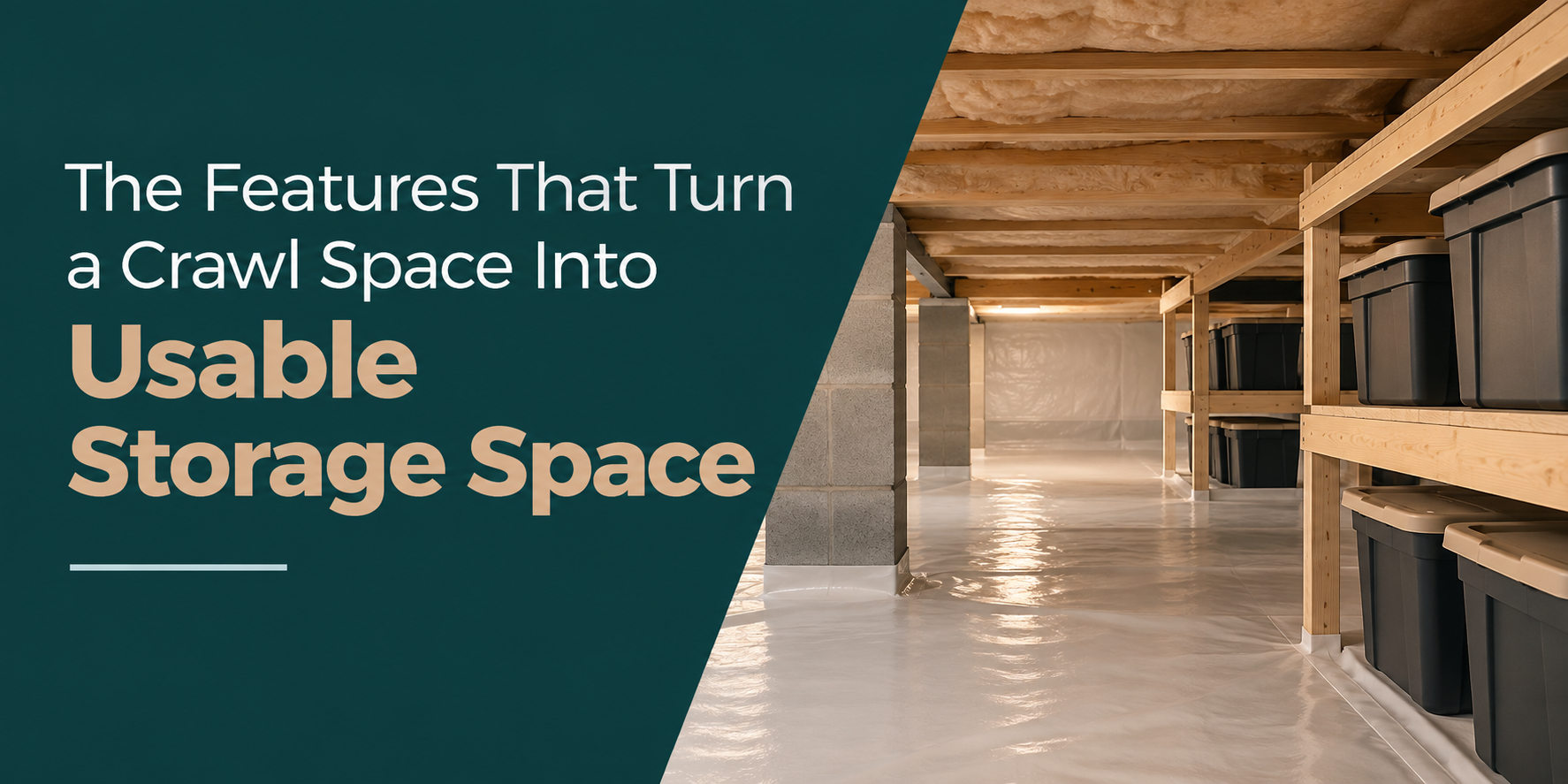
WHY YOUR CRAWL SPACE SHOULD BE USABLE SPACE
We're getting snow this weekend in Nashville, so I've been prepping like everyone else.
Generator's ready, water stored, emergency supplies packed.
But here's the thing - I'm storing all of it in my crawl space.
Clean, dry, and ready to use when I need it.
Most people think crawl space encapsulation is just about keeping moisture out.
And yeah, that's important.
But when it's done right, you get something most homeowners never think about - actual usable storage space under your home.
The kind of space where you can safely store emergency supplies, seasonal items, or anything else you need to keep dry and protected.
That's what proper encapsulation should give you.
Not just a fix for a problem, but real value you can use every day.
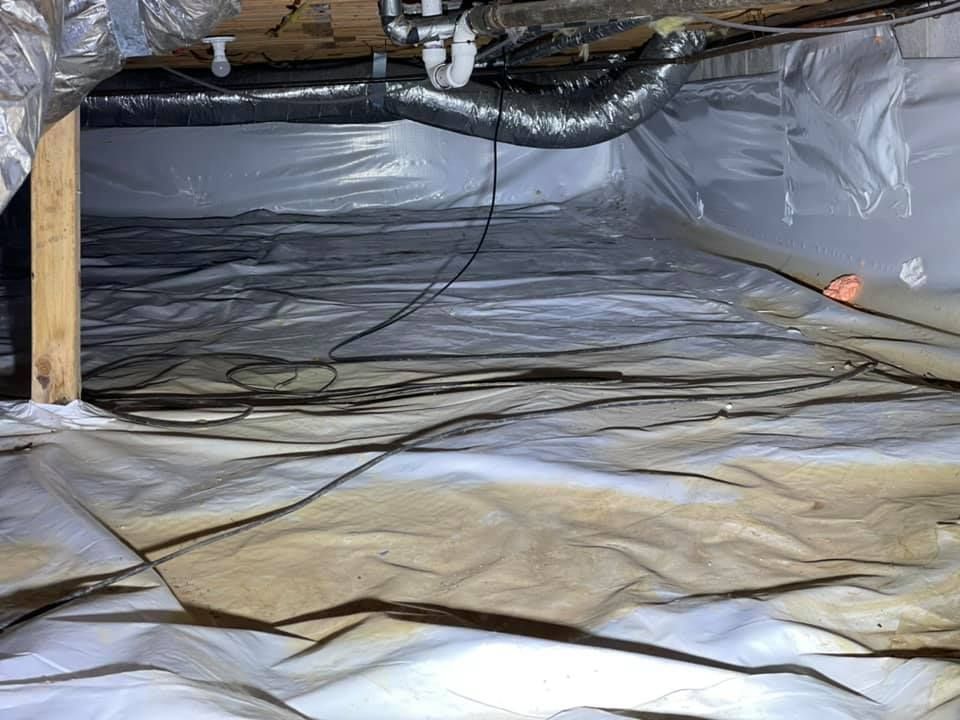
Beyond Moisture Control: Real Storage Space
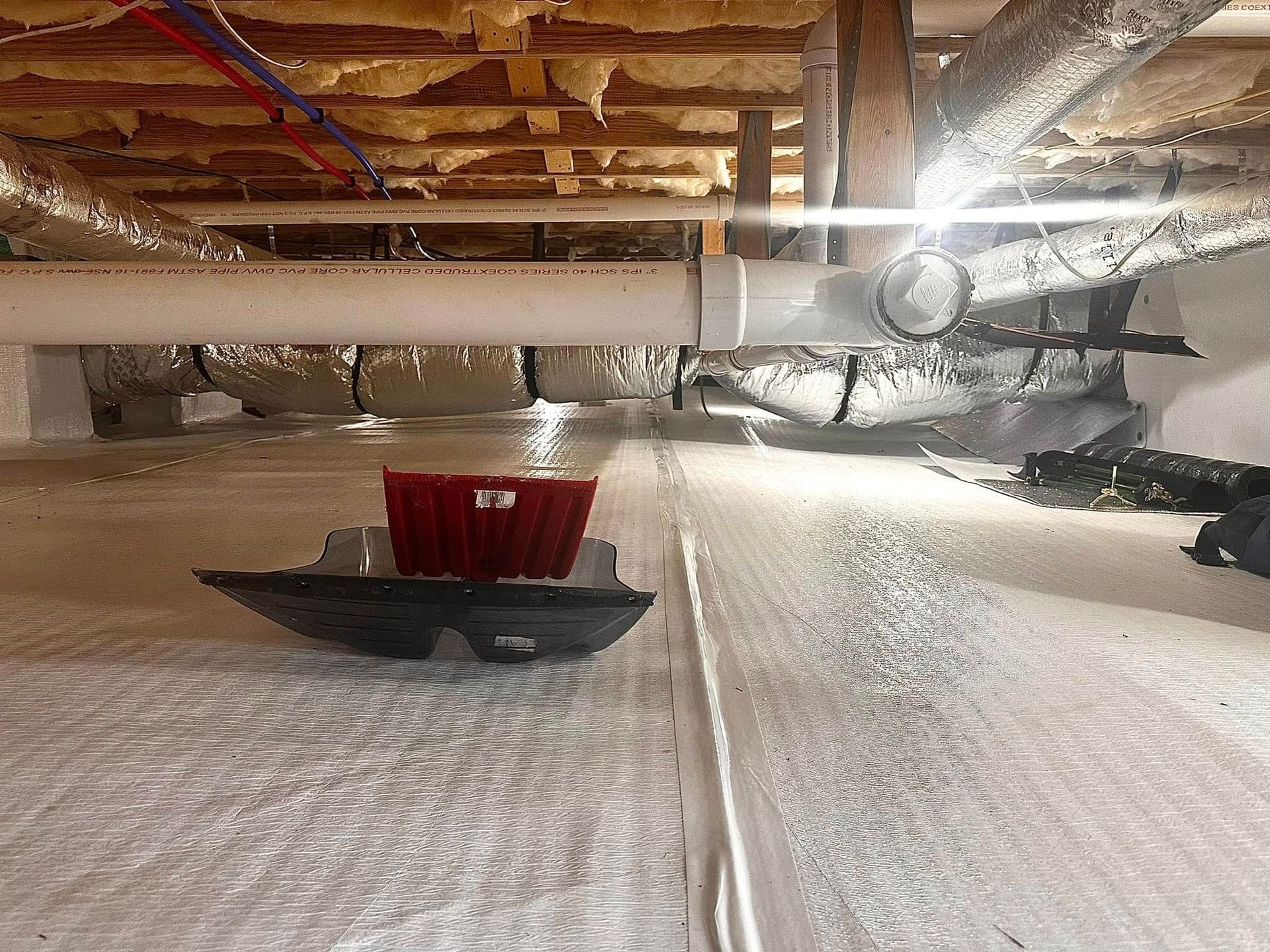
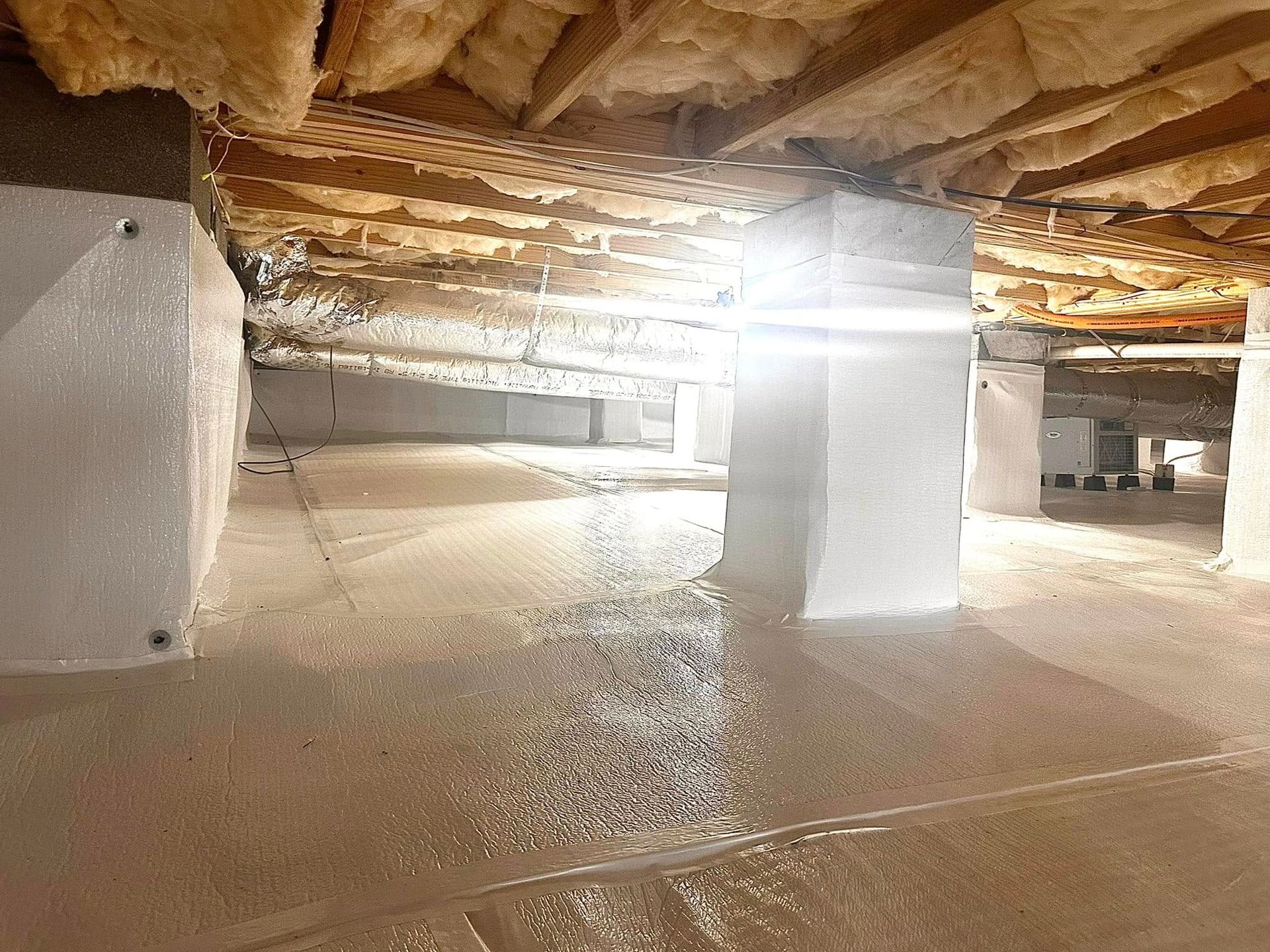
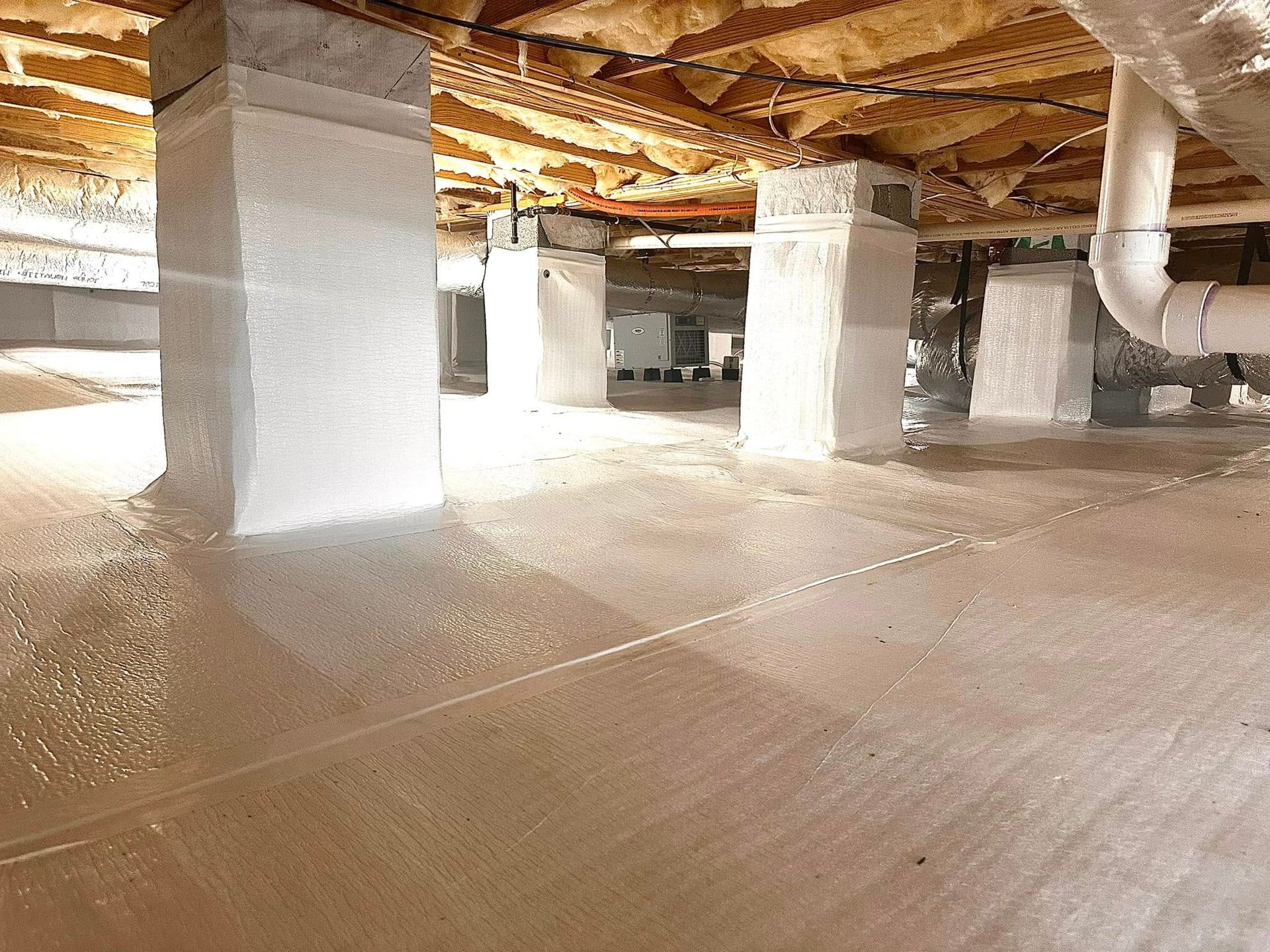
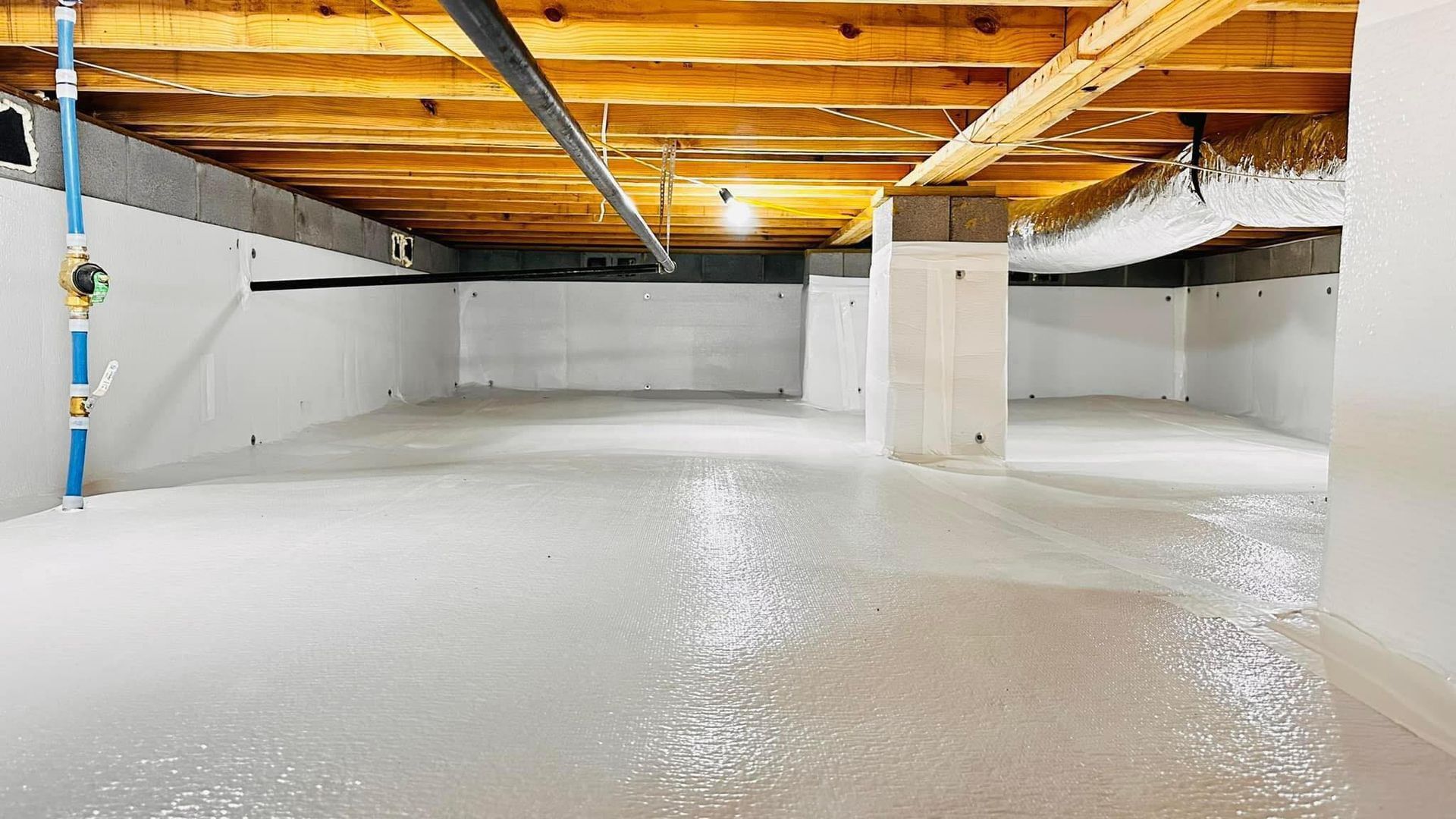
Here's what nobody tells you about crawl space encapsulation - when it's done right, you're basically adding functional square footage to your home. Not living space, but clean, dry storage that actually works.
Right now, my generator sits in my crawl space. Cases of water.
Emergency food supplies. All of it stays dry, accessible, and ready when I need it. No basement required, no shed taking up yard space. Just well-used space that's already part of my home.
But here's the catch - this only works if your encapsulation is done properly. A half-done job or one that skips important steps won't give you this benefit. Worse, it might look fine at first but fall apart when you actually try to use the space. That's where most companies miss the mark. They seal up the moisture, collect their check, and move on. What they don't address is what comes next.
The Rodent Problem Nobody Mentions
Want to know the real reason most encapsulated crawl spaces can't be used for storage? Rodents. I've seen it hundreds of times - a homeowner spends thousands on encapsulation, then six months later they've got rats nesting under their house, chewing through vapor barriers and making a mess of everything.
Here's what happens: standard encapsulation seals up moisture but leaves plenty of entry points for rodents. Small gaps around pipes, vents that aren't properly screened, foundation cracks that get overlooked. Rodents only need a hole the size of a quarter to get in, and once they're in, they'll destroy that nice clean space you just paid for.
Most crawl space companies either don't know how to rodent-proof properly, or they treat it as an expensive add-on. Either way, homeowners end up with a space they can't actually use. And dealing with rodent damage after the fact? That's way more expensive than doing it right the first time.
My Pest Control Background
Before I started Crawl Logic, I spent five years doing pest control. That wasn't the original plan, but looking back, it was the best training I could've gotten for this business. I learned exactly how rodents think, where they enter, and most importantly, how to keep them out permanently.
When you've spent years crawling under houses looking for entry points and dealing with infestations, you see things differently. You notice the small gaps that other people miss. You understand that rodents are smart, persistent, and will find any weakness in your defenses.
That's knowledge most crawl space companies simply don't have. They're experts at moisture control, sure. But rodent behavior? That's a completely different skill set. And it's exactly why every Crawl Logic encapsulation includes full rodent-proofing as standard - not as an upgrade, not as an add-on, just part of doing the job right.
What Real Rodent-Proofing Looks Like
Real rodent-proofing isn't just stuffing some steel wool in a few holes and hoping for the best. It's a systematic approach to identifying every possible entry point and sealing it permanently with materials that rodents can't chew through.
We start by inspecting every pipe penetration, every vent, every crack in the foundation. Rodents are looking for the path of least resistance, so we eliminate those paths. That means using the right materials - not spray foam that rats can chew through in minutes, but proper metal screening and concrete patch work that actually lasts.
This is where my pest control background makes the biggest difference. I know what works and what's just for show. I've seen every shortcut companies take, and I've seen the damage that follows. That's why rodent-proofing is built into every encapsulation we do, not treated as optional. Because what's the point of creating a clean, dry space if it's just going to become a rodent hotel?
Other Benefits of Proper Encapsulation
Beyond storage space and rodent protection, proper encapsulation affects your whole home. Your heating and cooling bills drop because you're not losing air through an unsealed crawl space. The air quality in your home improves since you're not pulling moisture and musty smells up through your floors.
Your floor joists and structural wood stay protected from moisture damage. That alone can save you thousands down the road in structural repairs. And if you ever sell your home, a properly encapsulated crawl space with documentation is a real selling point. Buyers know they won't have to deal with moisture or pest issues.
These benefits only happen when the job is done right from the start. Cut corners on rodent-proofing or use cheap materials, and you lose most of these advantages.
Why Most Companies Skip This Step
Here's the honest truth - most crawl space companies don't have pest control experience. They know moisture barriers and dehumidifiers, but rodent behavior? That's outside their expertise. So they either skip it entirely or offer it as an expensive add-on that most customers decline.
Some companies take the "hope for the best" approach. They'll seal up the obvious spots and hope rodents don't find their way in. But hope isn't a strategy, especially when you're asking customers to invest thousands of dollars.
The real issue is that proper rodent-proofing takes time, knowledge, and attention to detail. It's easier to skip it, finish faster, and move on to the next job. But that's not how we work.
Our Approach
Every Crawl Logic encapsulation includes complete rodent-proofing. Not because we charge extra for it, but because it's the right way to do the job. My pest control background means I know exactly what to look for and how to seal it permanently.
When we finish your crawl space, you get something you can actually use. Store your emergency supplies, keep seasonal items dry, or just have peace of mind knowing the space under your home is clean and protected.
That's what proper encapsulation should be - a long-term solution that adds real value to your home, not just a temporary fix that falls apart when rodents show up.

Ready to Get It Done Right?
If you're thinking about crawl space encapsulation, let's talk about doing it properly from the start. I'll show you exactly what we'll do to keep your space dry and rodent-free for the long haul.
No sales pressure, no hidden costs for "upgrades" that should be standard. Just honest assessment and quality work that combines 12 years of crawl space experience with real pest control knowledge.
Give me a call for a free inspection. I'll check for both moisture issues and potential rodent entry points, so you know exactly what you're dealing with.