How We Seal Crawl Space Vents to Keep Mice and Rats Out
Introduction
A Warm Crawl Space Can Become a Rodent Home
WHY RODENT PROOFING SHOULD BE STANDARD, NOT AN ADD-ON
It's December in Chattanooga. Cold weather is here.
And you know what that means - mice and rats are looking for somewhere warm to spend the winter.
If you've had your crawl space encapsulated, you might think you're all set.
Nice sealed space, moisture controlled, everything protected.
But here's something most homeowners don't realize until it's too late: you might have just built the perfect home for rodents.
I'm not saying encapsulation is bad. It's not.
It's one of the best things you can do for your house.
But if it's not done with rodent proofing built in from the start, you've created a warm, dry, protected space that mice and rats absolutely love.
And then six months later, you're dealing with droppings, chewed materials, and contamination under your house.
Now you're calling someone back out to fix a problem that should have been prevented in the first place.
This is one of those things that drives me crazy about our industry.
Rodent proofing should be standard. It should be included.
But most companies either skip it completely or charge you extra for it later.
What Crawl Space Encapsulation Actually Does
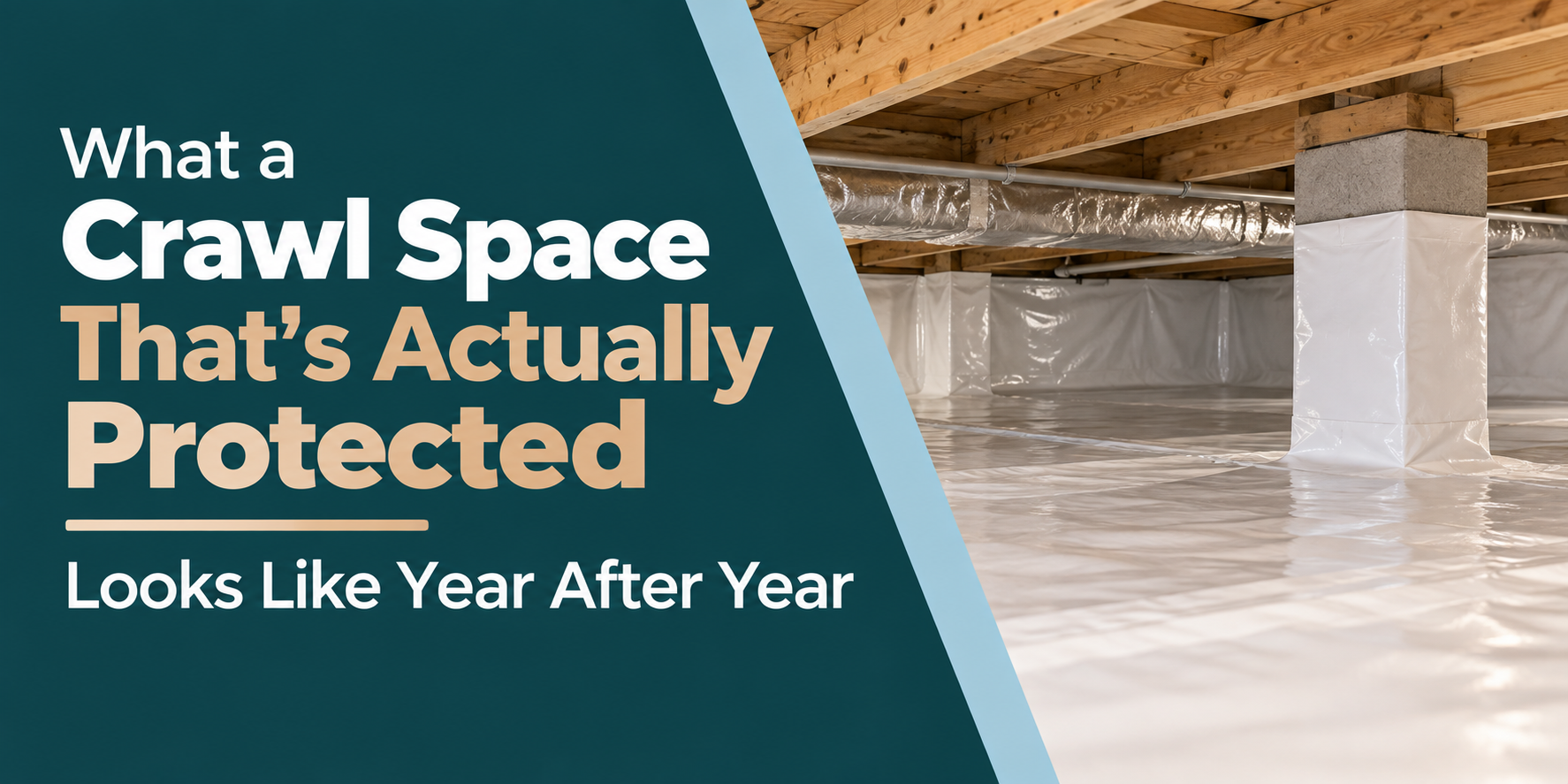
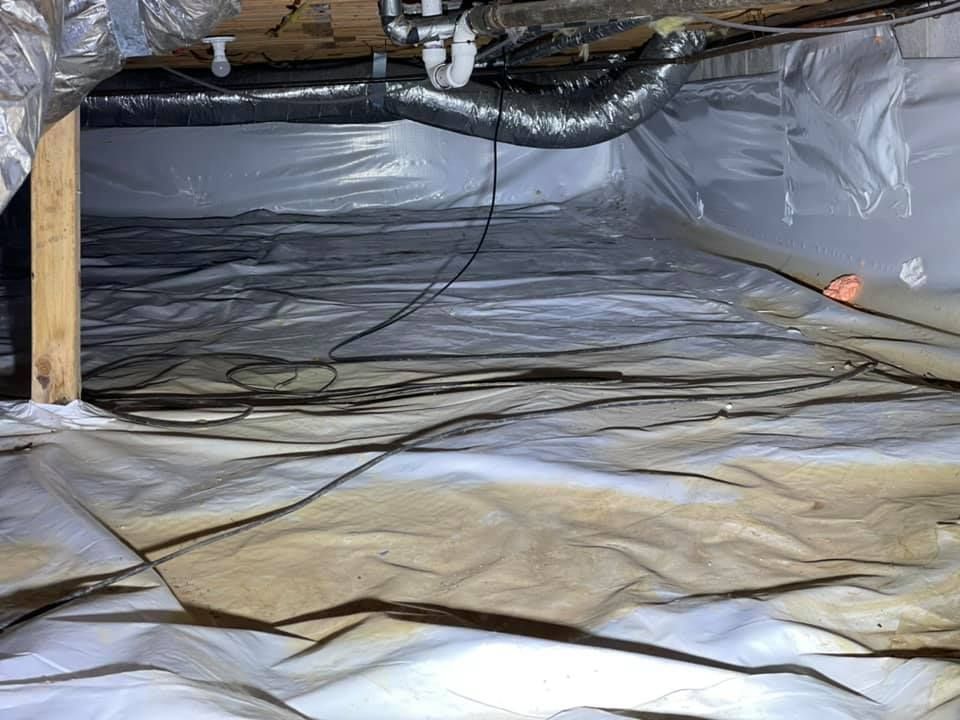
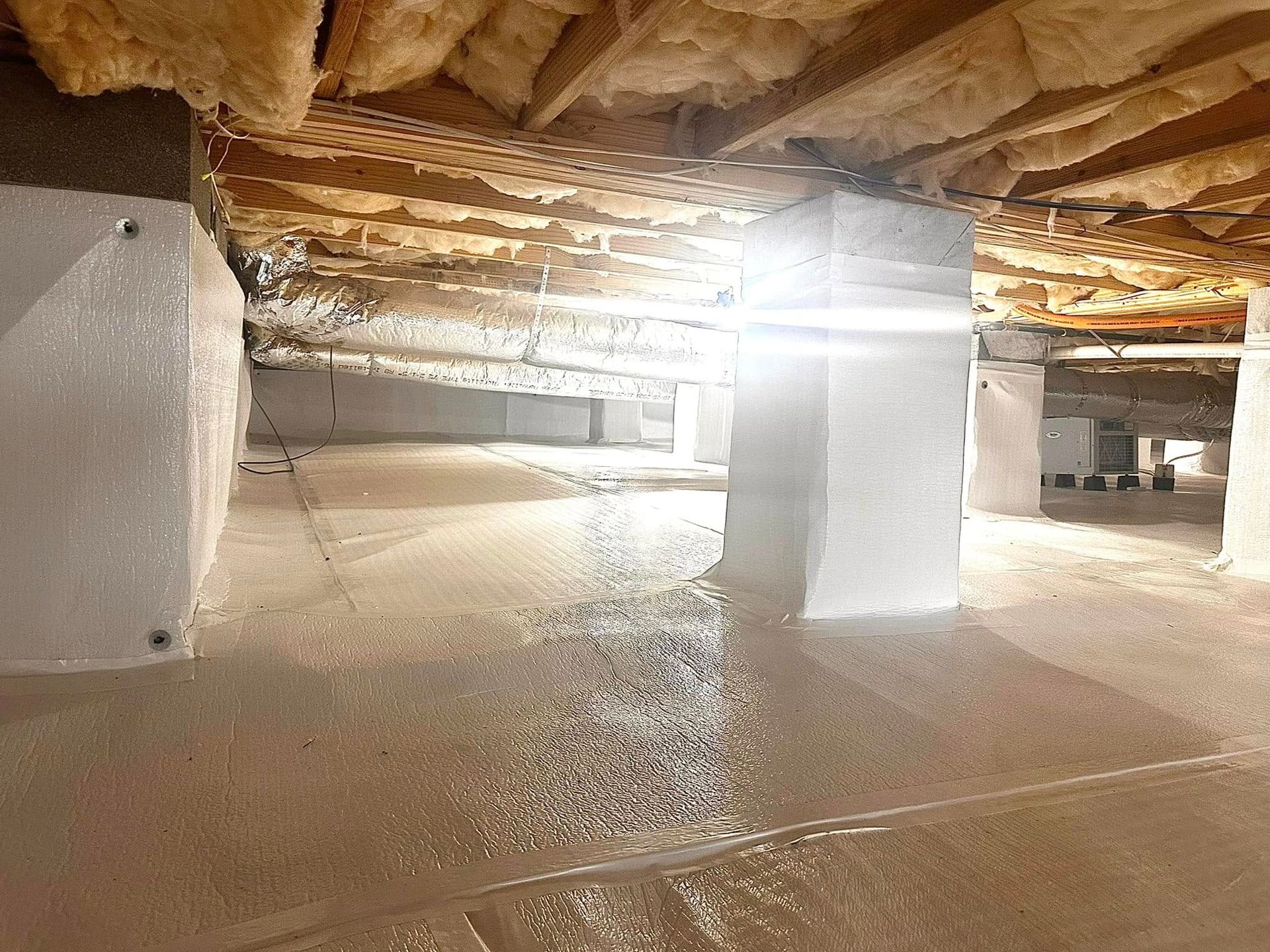
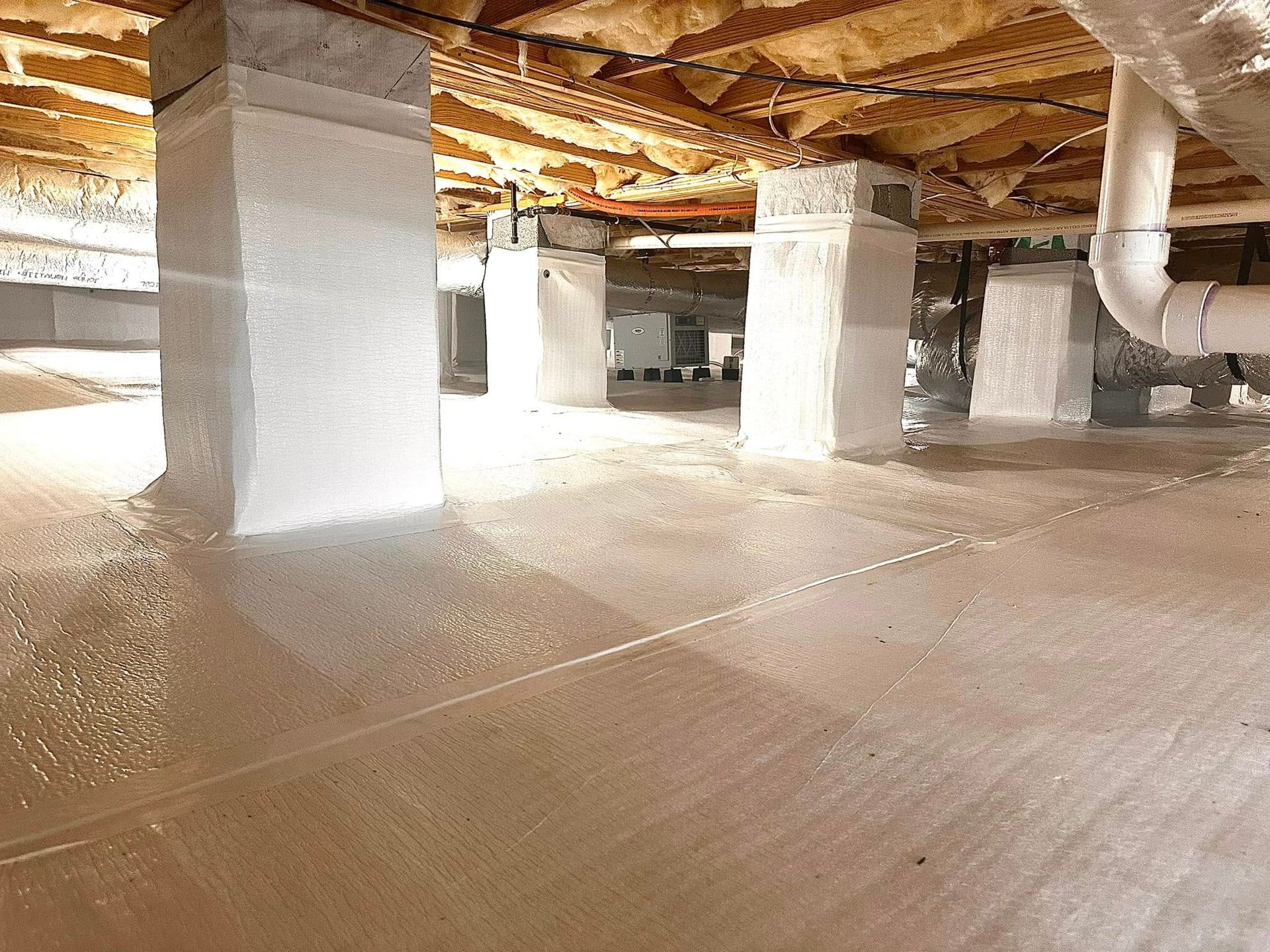
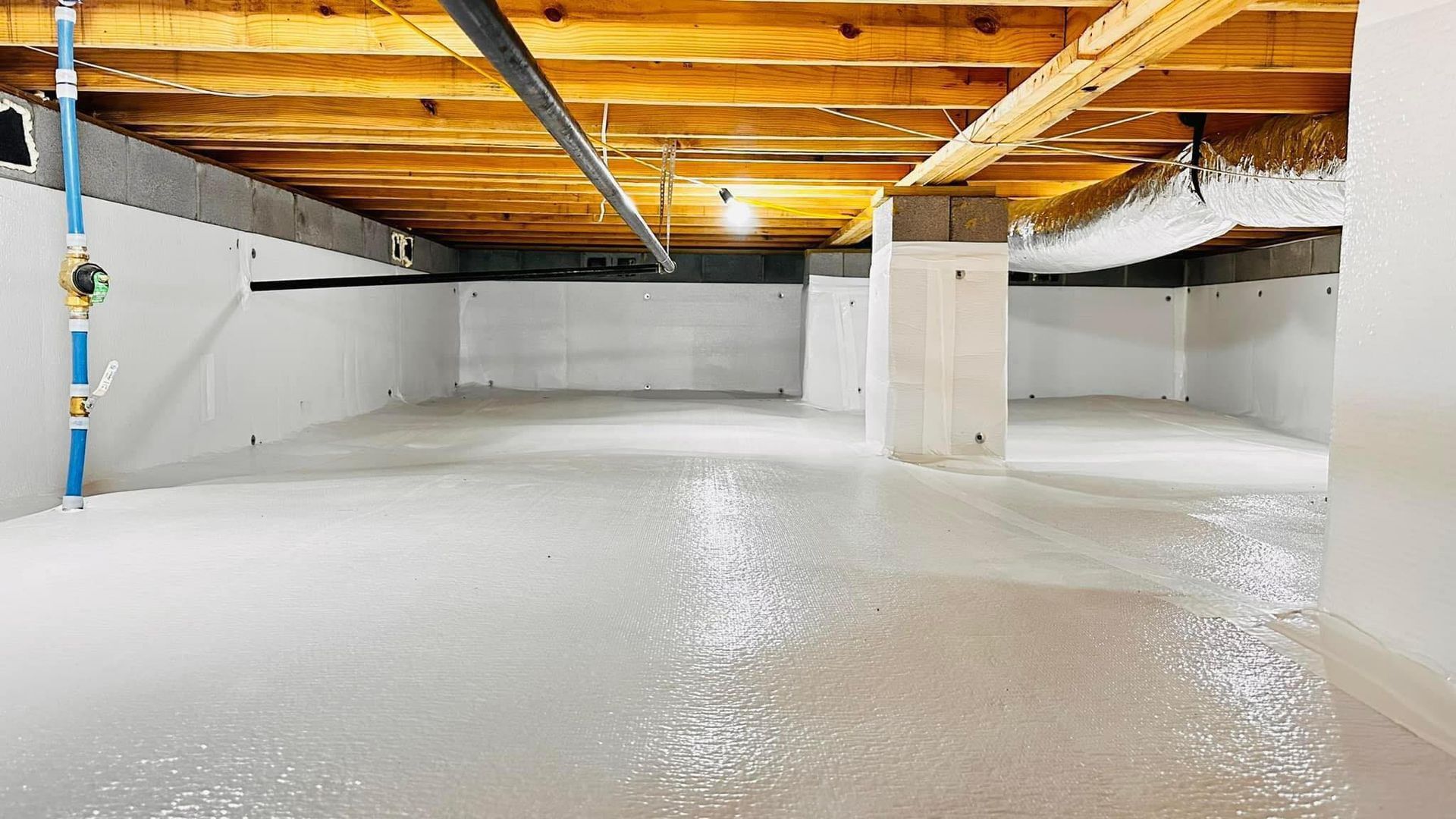
When we encapsulate a crawl space, we're creating what's called a conditioned environment under your house. That means we're controlling the temperature and moisture down there instead of just letting it do whatever it wants.
Part of that process is sealing off all your foundation vents. Those vents were designed for older building codes that wanted air flow under the house. But modern building science has shown us that sealing the crawl space and conditioning it actually works better for moisture control and energy efficiency.
So we close off those vents. We use foam blocks to fill the openings and seal them up tight with spray foam. No air moving in and out. The crawl space becomes part of your home's conditioned envelope instead of being exposed to outside air and humidity.
And that's great for your house. Your floors stay warmer in winter. You don't get that cold air creeping up through the floor. Your HVAC system doesn't have to work as hard. Moisture stays controlled. It solves a lot of problems.
Why That's Perfect for Mice and Rats
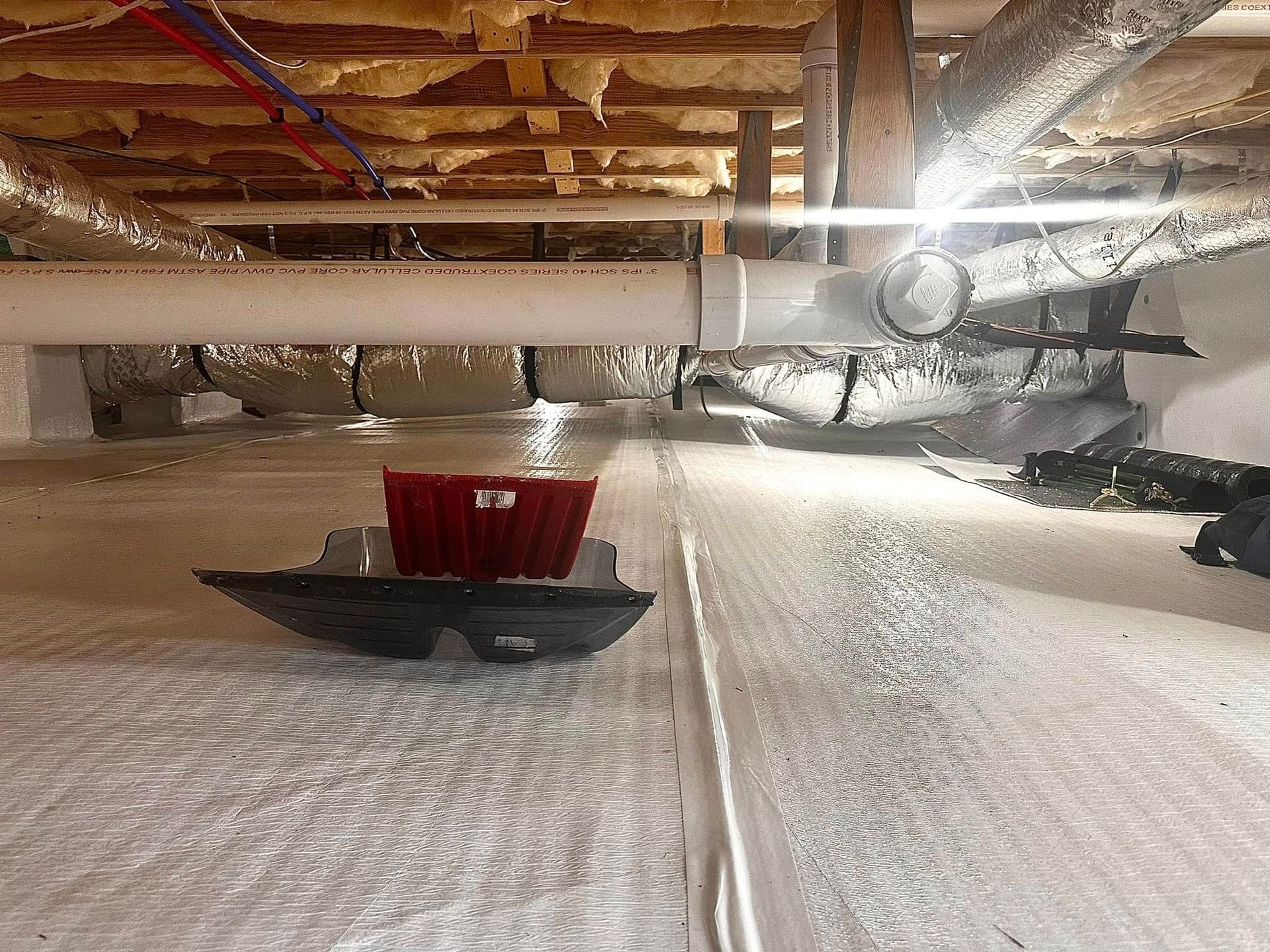
Think about what a mouse or rat is looking for when the temperature drops. They want somewhere warm. Somewhere dry. Somewhere protected from the weather and from predators like hawks and cats.
Your newly encapsulated crawl space checks every single one of those boxes.
It's warm because it's now part of your home's conditioned space. It's dry because you've controlled the moisture. It's protected because it's sealed off from the outside. And if they can get in, there's insulation and materials they can use for nesting.
You've basically created a luxury apartment for rodents under your house.
And here's the thing - they will find a way in if you give them the opportunity. A mouse can squeeze through a hole the size of a dime. Rats can get through openings about the size of a quarter. They're persistent. They're looking for exactly what you just created.
So if your crawl space encapsulation doesn't include proper rodent proofing, you're going to have problems. It's not a matter of if. It's a matter of when.
The Problem with Foam-Only Vent Sealing
Most crawl space companies seal those foundation vents with just foam. Black foam blocks in the opening, spray foam to seal around the edges, and they call it done.
And look, that works great for keeping air out. It does its job for the encapsulation itself. But it does absolutely nothing to stop rodents.
Mice and rats chew through foam like it's nothing. That's just what they do. Their teeth never stop growing, so they're constantly gnawing on things. Foam is soft. It's easy for them to chew. It's not a barrier at all.
So what happens is this: you get your crawl space encapsulated. Everything looks great. A few months go by. Then you start noticing droppings. Or you hear scratching sounds. Or you smell something under the house.
Now you've got rodents living in your encapsulated crawl space. And the company that did the work will probably be happy to come back out and handle that for you - for an additional fee, of course.
They'll sell you rodent control as a separate service. Set some traps. Maybe add some screening after the fact. Charge you a few thousand more dollars.
But here's my question: why wasn't that included in the first place?
How We Handle Vents Differently
When we seal foundation vents, we do it in two layers.
First, we use those black foam blocks to fill the opening. That's the same thing most companies do. The foam creates the air seal and insulation barrier that you need for the encapsulation to work properly.
But then we add metal grating behind that foam. We fasten it directly to the block foundation with concrete fasteners. It's a physical barrier that rodents cannot chew through or push past.
So even if a mouse or rat gets into the outside part of the vent and chews through that foam block - which they will try to do - they hit metal and can't go any further. They cannot get into your actual crawl space.
The foam does its job for air sealing. The metal does its job for rodent proofing. Both layers working together to protect your investment.
And this isn't complicated. It's not expensive materials. It's just doing the work right from the beginning instead of cutting corners and hoping the homeowner doesn't notice until later.
What Happens If Rodents Try to Get In
Here's the worst case scenario with our system: a mouse or rat finds one of those sealed vents and starts chewing on the foam block from the outside. They make a mess of the foam. Maybe they chew all the way through it.
And then they hit the metal grating. And they stop. Because they can't get past it.
So what do you have to do? Replace the foam block. That's it. Maybe fifty bucks in materials and thirty minutes of work. Not a big deal at all.
Compare that to what happens without the metal grating. Rodents get into your crawl space. They nest in your insulation. They leave droppings everywhere. They chew on materials and potentially even electrical wiring. The smell gets into your house through your HVAC system.
Now you're looking at cleanup costs, contamination issues, potential health concerns for your family, and repairs to whatever they damaged. That's easily a few thousand dollars and a whole lot of headache.
Or you spend a little bit extra up front to install metal grating and never deal with any of that.
It's not even a question in my mind. You do it right the first time.
Why This Should Be Standard (But Isn't)
This drives me crazy about the crawl space industry. Rodent proofing should be standard practice when you're doing encapsulation work. It should be included in every single job. No exceptions.
But most companies don't do it that way. They'll come in, seal everything up with just foam, and then act surprised when you call six months later with a rodent problem.
And then they're happy to sell you rodent control as an add-on service. Come back out, set some traps, maybe retrofit some screening. Charge you another two or three thousand dollars for something they could have prevented from the beginning.
I'm not saying every company does this on purpose. Some of them probably just don't know any better. They learned to do encapsulation one way and never thought about the rodent issue.
But the result is the same either way. Homeowners in Chattanooga are paying for crawl space work that's incomplete. They think they're getting a finished product, but they're really just getting the first half of the job.
We include rodent proofing as standard. It's part of our encapsulation process. You don't pay extra for it. We don't upsell it. It's just how we do the work.
Because we know what happens if we don't. And we're not interested in charging you twice to solve the same problem.
The Real Cost of Skipping Rodent Proofing
Let's talk about what actually happens when rodents get into your encapsulated crawl space.
First, they're going to nest. That means they're tearing up insulation, bringing in materials from outside, and making themselves at home. Your insulation stops working properly because it's been shredded and contaminated.
Second, droppings. Mice and rats leave droppings everywhere they go. In an encapsulated crawl space, those droppings sit there in that sealed environment. And if your HVAC ductwork is down there, that contaminated air can get pulled into your home.
Third, they chew. Mice and rats gnaw constantly. They'll chew on wood. They'll chew on plastic. They'll chew on electrical wiring, which is a legitimate fire hazard. I've seen crawl spaces where rodents did thousands of dollars in damage just by chewing.
Fourth, the smell. Dead rodents, droppings, urine - it all creates an odor that gets worse over time. And in an encapsulated space, that smell has nowhere to go except up into your house.
Now you're looking at professional cleanup, which isn't cheap. Replacing damaged materials. Potentially replacing contaminated insulation. Dealing with the health concerns that come with rodent droppings in your living environment.
All of that could be prevented by spending a little bit more up front to do it right.

Ready to Protect Your Crawl Space?
If you're thinking about getting your crawl space encapsulated, or if you've already had it done and you're worried about rodents, give us a call.
We do free inspections all over Chattanooga and the surrounding areas. We'll come take a look, show you what's going on under your house, and explain exactly how we'd handle it.
And when we give you a quote, rodent proofing is included. You won't see it as a separate line item or an optional add-on. It's just part of the work.
Ask us about the metal grating. Ask us how we seal the vents. Ask us what happens if rodents try to get in. We'll walk you through the whole process and make sure you understand exactly what you're getting.
This is your home. You deserve to have it protected the right way from the start.
Reach out if you've got questions or you want us to come take a look. We're here to help.