Mice in Your Nashville Crawl Space? Here's What Most Encapsulation Companies Miss
Introduction
Why Rodent-Proofing is So Important
WE WANT TO PROTECT YOUR HOME FROM INTRUSION
I see it all the time when I inspect crawl spaces around Nashville - beautiful encapsulation jobs ruined by mice.
These aren't just any mice either.
We're talking about determined little creatures that can squeeze through the tiniest gaps and cause thousands in damage once they get in.
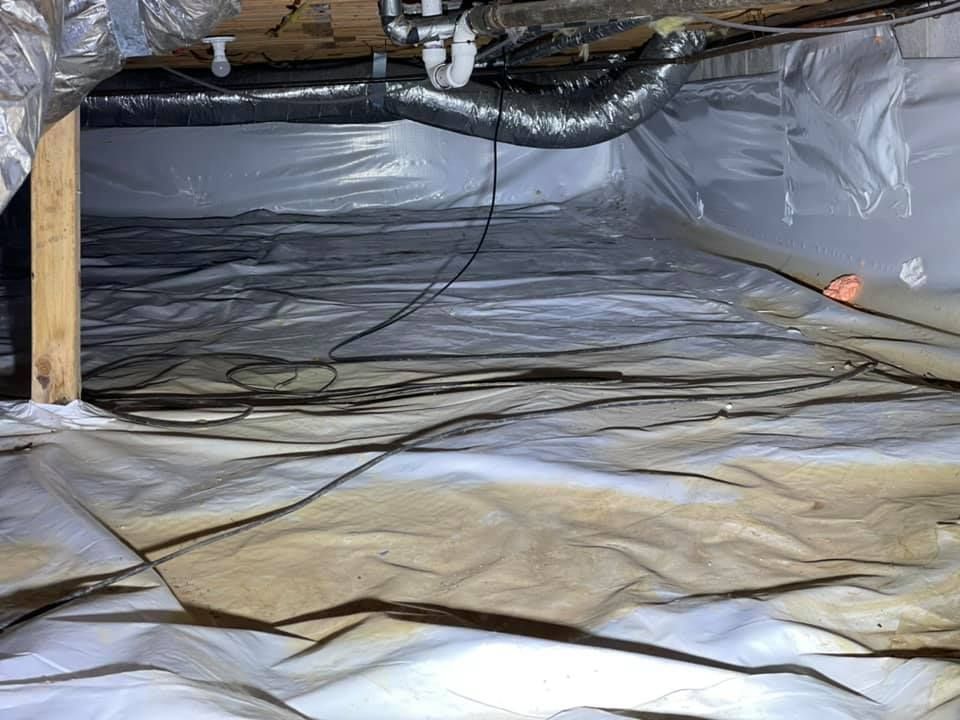
Just last week in Murfreesboro, I looked at a crawl space where mice had chewed through dehumidifier wires, torn up vapor barriers, and left a mess everywhere.
The homeowner had paid good money for encapsulation, but nobody thought about keeping the rodents out.
Now they're facing expensive repairs that could have been prevented.
The Real Cost of Rodent Damage
Let me tell you exactly what mice do once they get into your crawl space. First, they chew - on everything. Their teeth never stop growing, so they have to chew to wear them down.
That means:
- Damaged electrical wiring (major fire hazard)
- Torn vapor barriers
- Chewed dehumidifier cables
- Ruined insulation
But that's not all. Mice leave droppings and urine everywhere. In an encapsulated crawl space, this creates a nasty mess that's hard to clean up.
Plus, all that waste can lead to:
- Bad smells coming up into your house
- Health concerns from contamination
- Damage to your vapor barrier system
- The need for complete replacement in some cases
And here's the kicker - most people don't even know they have a problem until it's too late.
By then, you're looking at repairs that can cost more than the original encapsulation.
What Other Companies Miss
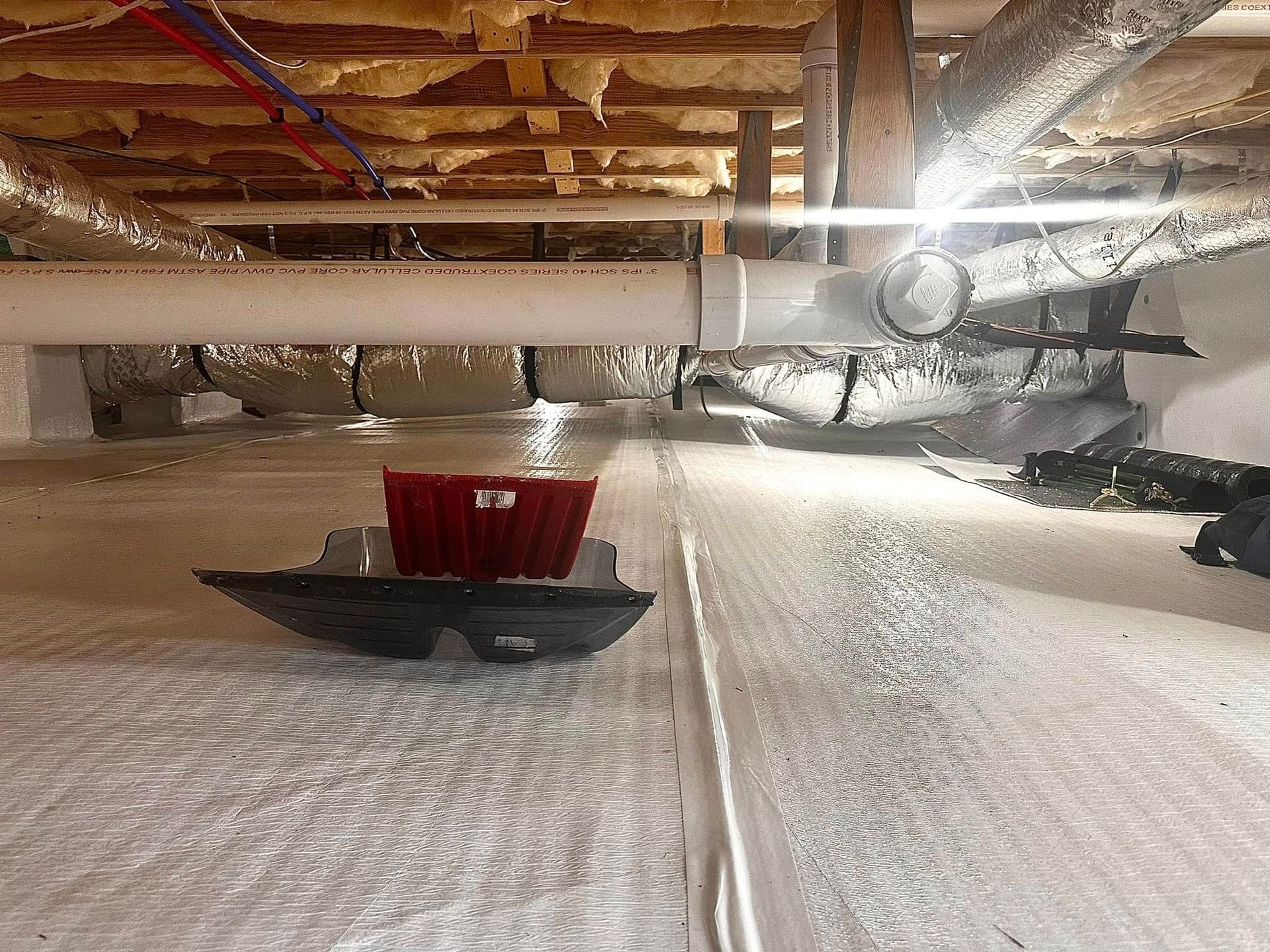
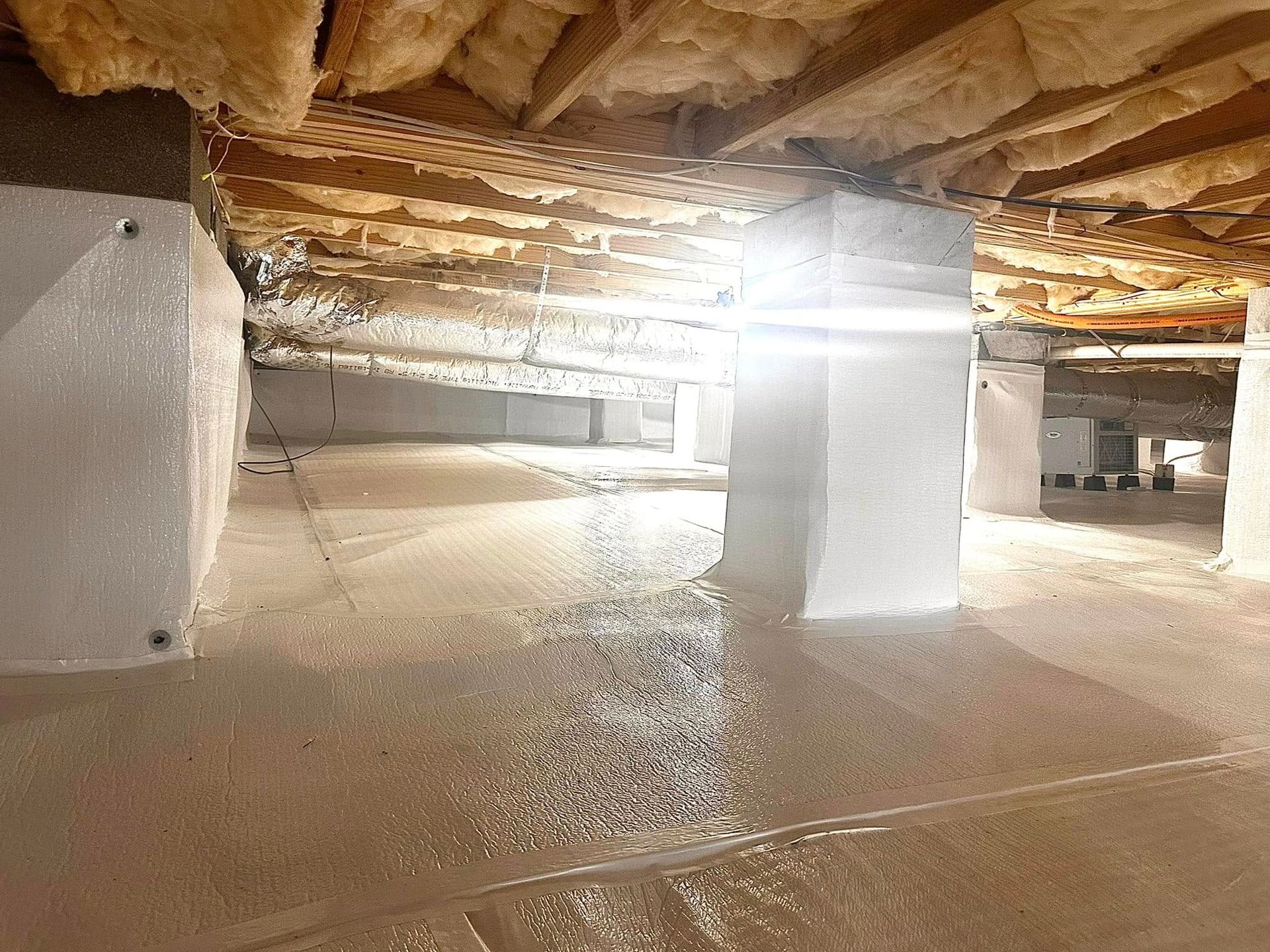
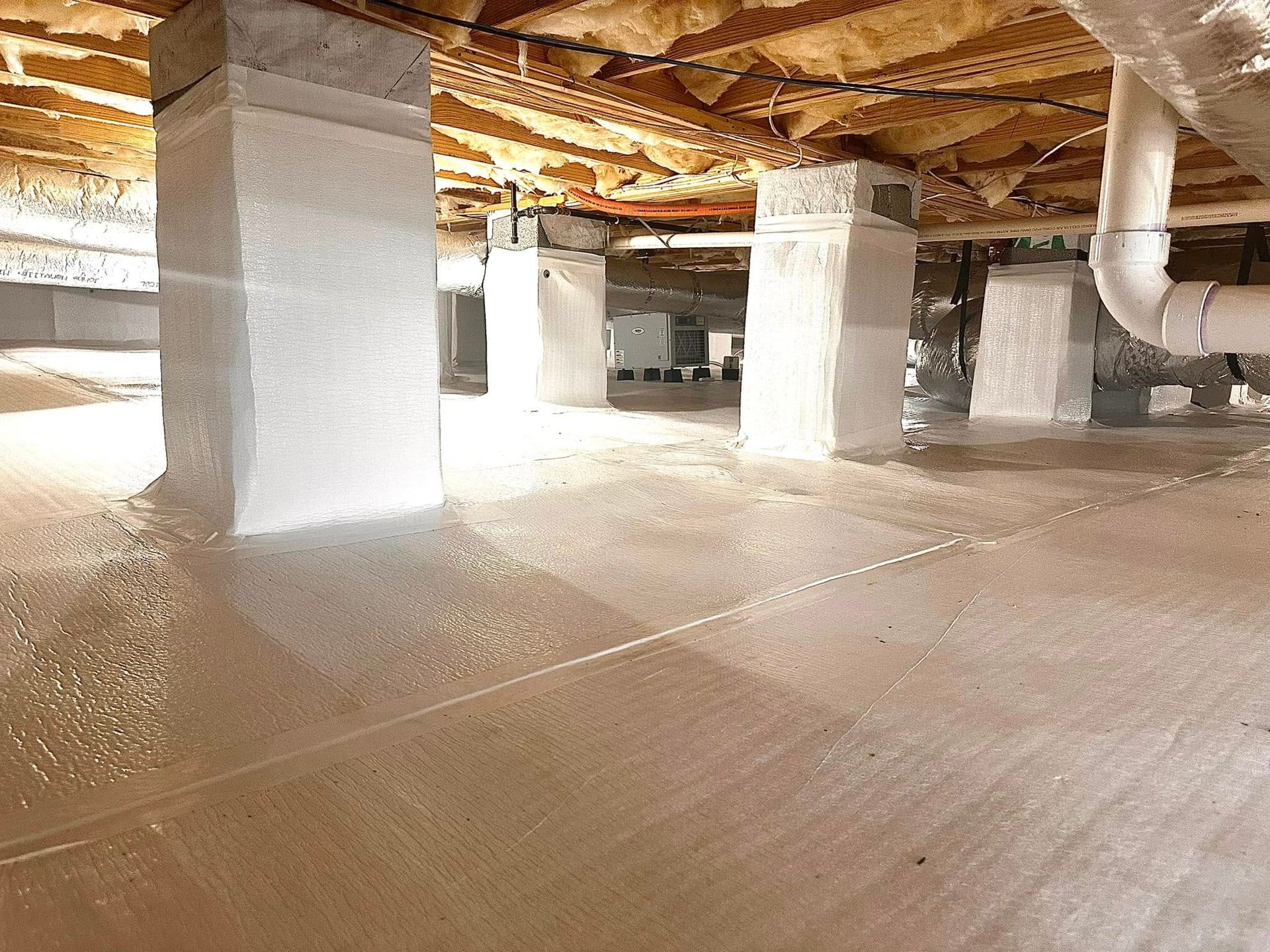
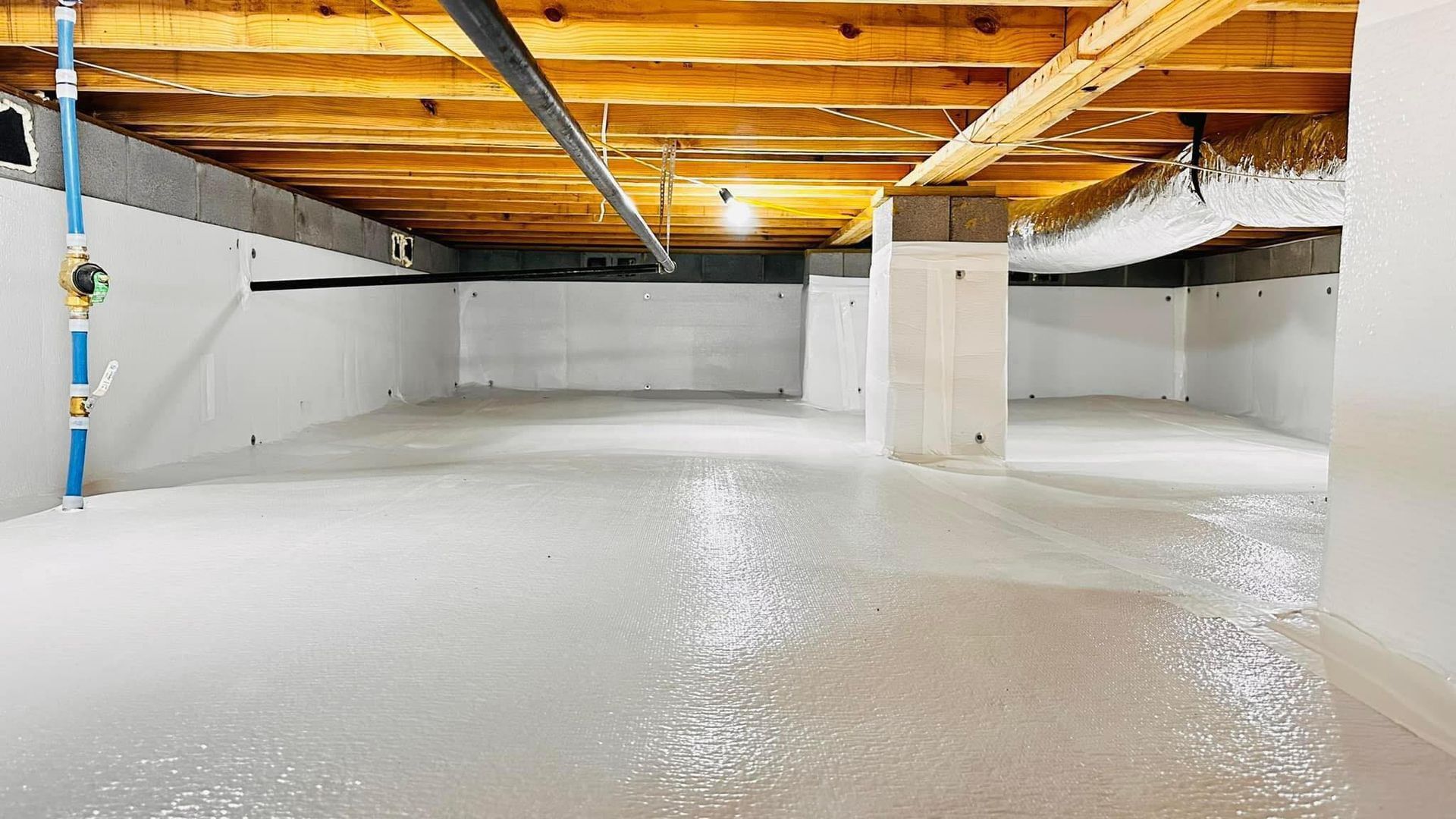
Here's something most companies won't tell you - standard encapsulation isn't enough to keep mice out. They'll seal up your crawl space, sure, but they leave gaps around vents and other areas that might as well be an open invitation to rodents.
Then what happens? They tell you to call pest control. That's another $1,000 to $1,500 just to deal with the mice. And by then, you're already dealing with damage that could have been prevented in the first place.
Our Complete Solution
We do things differently. Every encapsulation job we do includes full rodent proofing - no extra charge. We seal every vent tight against the wall and add extra protection to stop animals from getting in. It's not just about blocking the obvious entry points - it's about thinking through every possible way a mouse might try to get in.
I started including this with every job because I was tired of seeing good work ruined by rodents. Why spend thousands on encapsulation if we're not going to protect it properly? That's just common sense.
Signs You Might Have a Problem
Not sure if you have mice in your crawl space?
Here's what to watch for:
- Strange smells coming up through your floors
- Scratching sounds, especially at night
- Higher energy bills (from damaged insulation)
- Problems with your dehumidifier
- Musty odors that won't go away
If you spot any of these signs, don't wait. The longer mice have to do damage down there, the more expensive it gets to fix.
And if you already have encapsulation but weren't told about rodent protection, it's worth having me take a look.
The Crawl Logic Difference
Look, I could charge extra for rodent proofing like everyone else does. But I've been doing this long enough to know - it's just part of doing the job right.
When we encapsulate your crawl space, you get:
- Complete vent sealing and rodent proofing
- No surprise fees or add-ons
- Protection that actually lasts
- Peace of mind knowing mice can't get in
I've seen too many Nashville homeowners pay twice for what should have been done right the first time.
That's not how we work.
We think through every detail so you don't have to worry about it later.

Ready for Quick, Professional Help?
If you're worried about mice in your crawl space, or you just want to make sure your encapsulation is done right the first time, let's talk. I'll come out and take a look personally - no charge, no pressure.
Here's what I'll do:
- Check for any existing rodent problems
- Inspect your current encapsulation (if you have it)
- Look for potential entry points
- Give you straight answers about what needs to be done
Give me a call or text. Unless it's a major holiday, I'll get back to you quickly - usually the same day.
Let's make sure your crawl space is protected the right way, from moisture AND mice.