Rotten Floors and Tight Crawl Spaces: What This Flip House Really Needed
Introduction
What You Don’t See Is What Fails First
STRUCTURE MATTERS MORE THAN FINISHES
I'm standing in a crawl space right now that's about four inches from the floor joists above my head.
Devon and Oswaldo are working in conditions that most people wouldn't want to deal with.
And we're doing it because this flip house needs serious work before anyone can even think about putting in new floors.
This is the kind of job where what you see upstairs doesn't tell the whole story.
The floors looked bad, sure. But once we got underneath, we found out just how bad things really were.
If you're flipping houses around Chattanooga, or if you're thinking about buying a flipped house, pay attention.
Because this is the work that separates a quality flip from one that's going to cause you problems down the road.
The cosmetic stuff is easy.
New paint, new floors, updated kitchen - that's the fun part that everyone sees.
But if the foundation is compromised, if the crawl space is a mess, if the structural support is failing, none of that other stuff matters.
You're just putting lipstick on a problem.
What We Found When We Got Under This House
The floors were mostly rotten. Not just a little soft in spots - actually rotten from old leaks that had been happening for who knows how long.
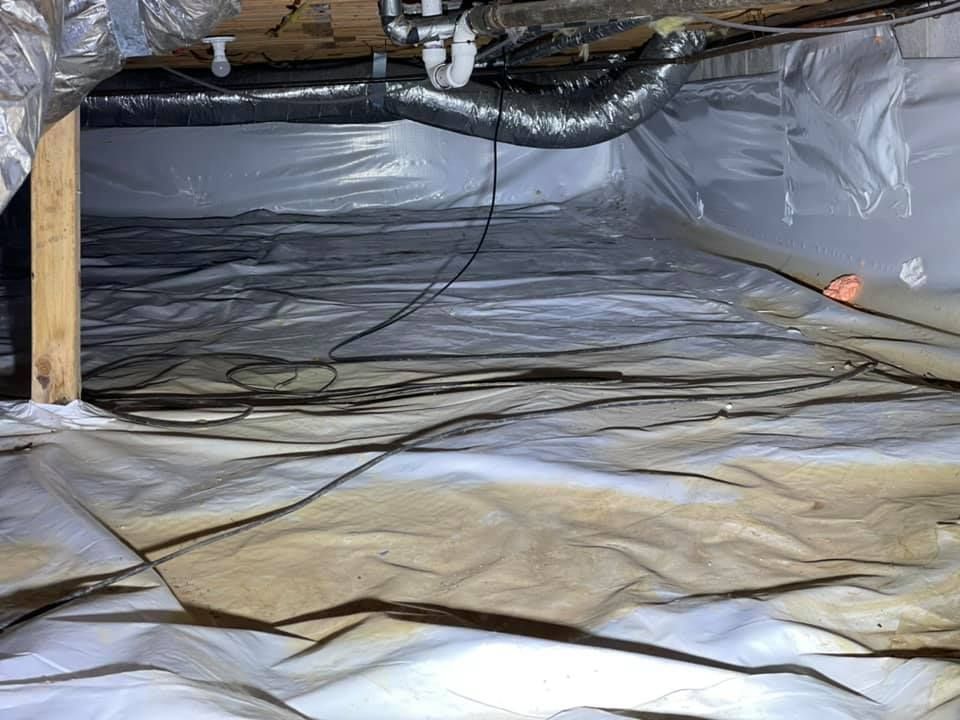
When we got down in the crawl space to assess everything, we found support beams sitting about two inches off the dirt. That's not how it's supposed to be. Those beams are meant to be properly supported with adequate clearance, not practically laying on the ground.
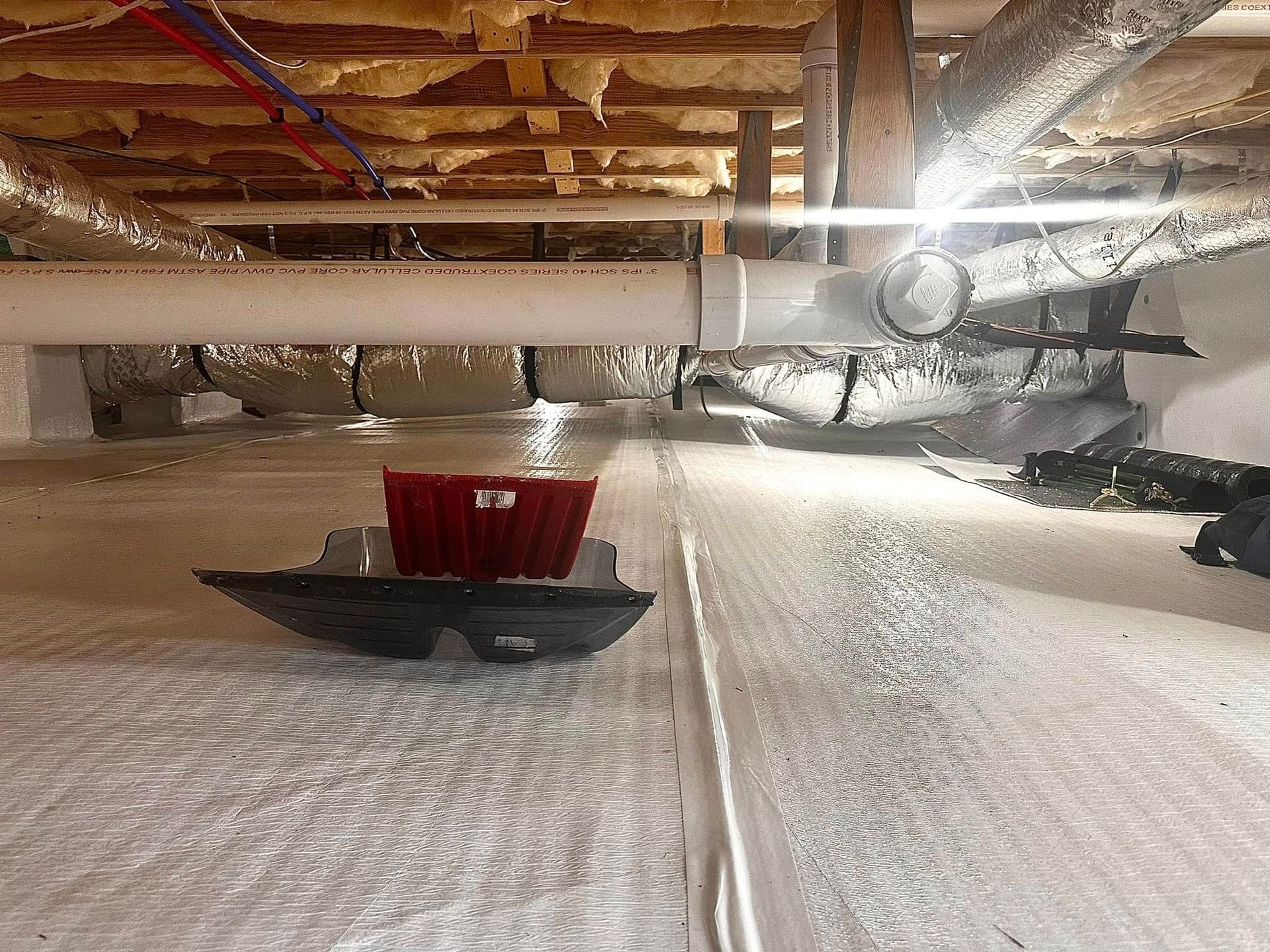
And the crawl space itself? In some areas it's only about four inches under the framing. We literally had to cut out sections of the subfloor just to get access to work down there. You can't just crawl in and start working - you have to create access points because the space is so tight.
This is what happens when houses aren't maintained properly over the years. Small leaks turn into big problems. Moisture sits in the crawl space. Wood rots. Support systems fail. And by the time someone decides to flip it, you're looking at major structural work just to make it safe to live in again.
The person flipping this house is doing it right. They called us in to handle the foundation and crawl space work before they do anything else. That's smart. That's how you create a flip that's actually worth buying.
Why This Had to Be Fixed Before Anything Else
You can't put new flooring over rotten floor joists. It doesn't matter how nice that flooring is - luxury vinyl, hardwood, tile, whatever. If the structure underneath is compromised, you're wasting your money.
Those new floors are going to sag. They're going to creak. They're going to feel wrong when you walk on them. And eventually, they're going to fail completely because the support system underneath isn't doing its job.
This isn't optional work. This is the foundation of everything else that happens in this flip. You fix the structure first, then you make it look good.
And here's the other thing - if you skip this work and just cover it up, the next owner is going to find out. Maybe not right away. Maybe not for six months or a year. But moisture doesn't stop. Rot doesn't fix itself. And when they discover what's really going on under their house, your reputation as a flipper is done in this town.
Word spreads fast in Chattanooga. Do it right or don't do it at all.
The Work We're Doing to Make This Right
First, we're tearing up all the rotten flooring where those old leaks happened. It's got to go. There's no saving it, and there's no point in working around it.
Then we're running new floor joists to replace the ones that are damaged. These are the horizontal beams that support your subfloor and everything above it. If they're rotted or compromised, they get replaced. Period.
Next, we're installing support beams and jacks running down both sides of the house. This is going to shore up the entire structure and level out the floors so they're solid and even. When we're done, you'll be able to walk across these floors and they'll feel like new construction.
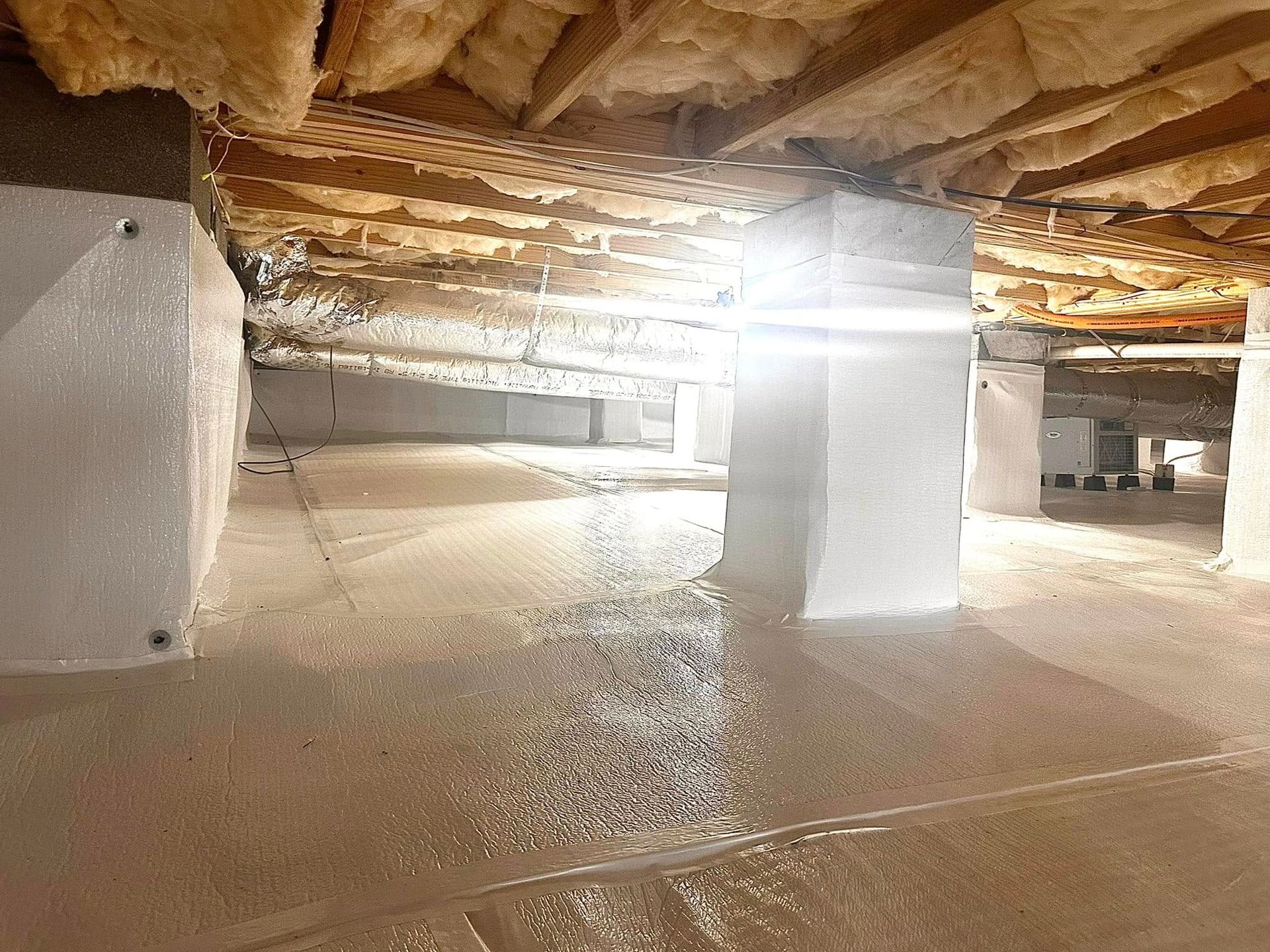
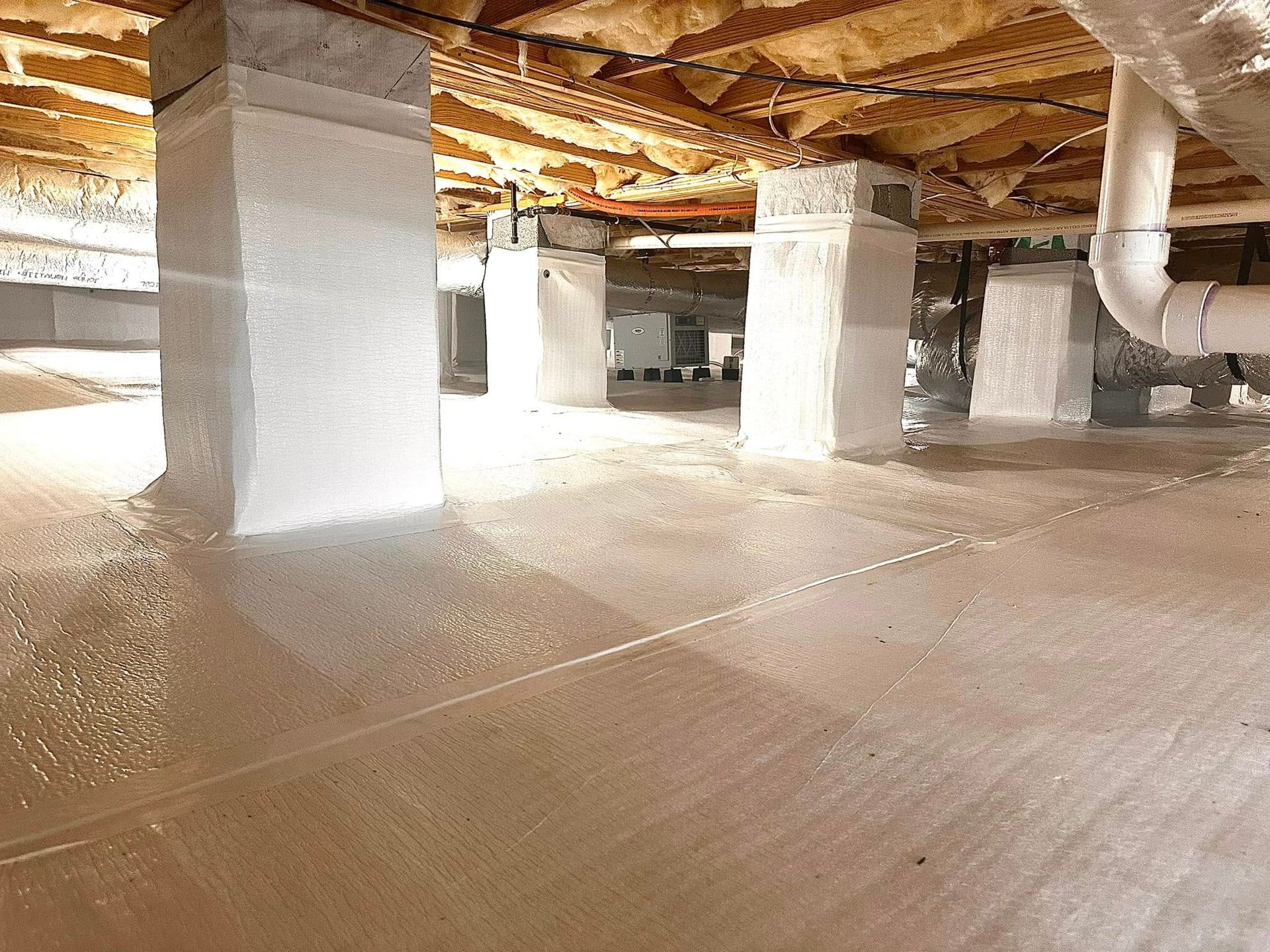
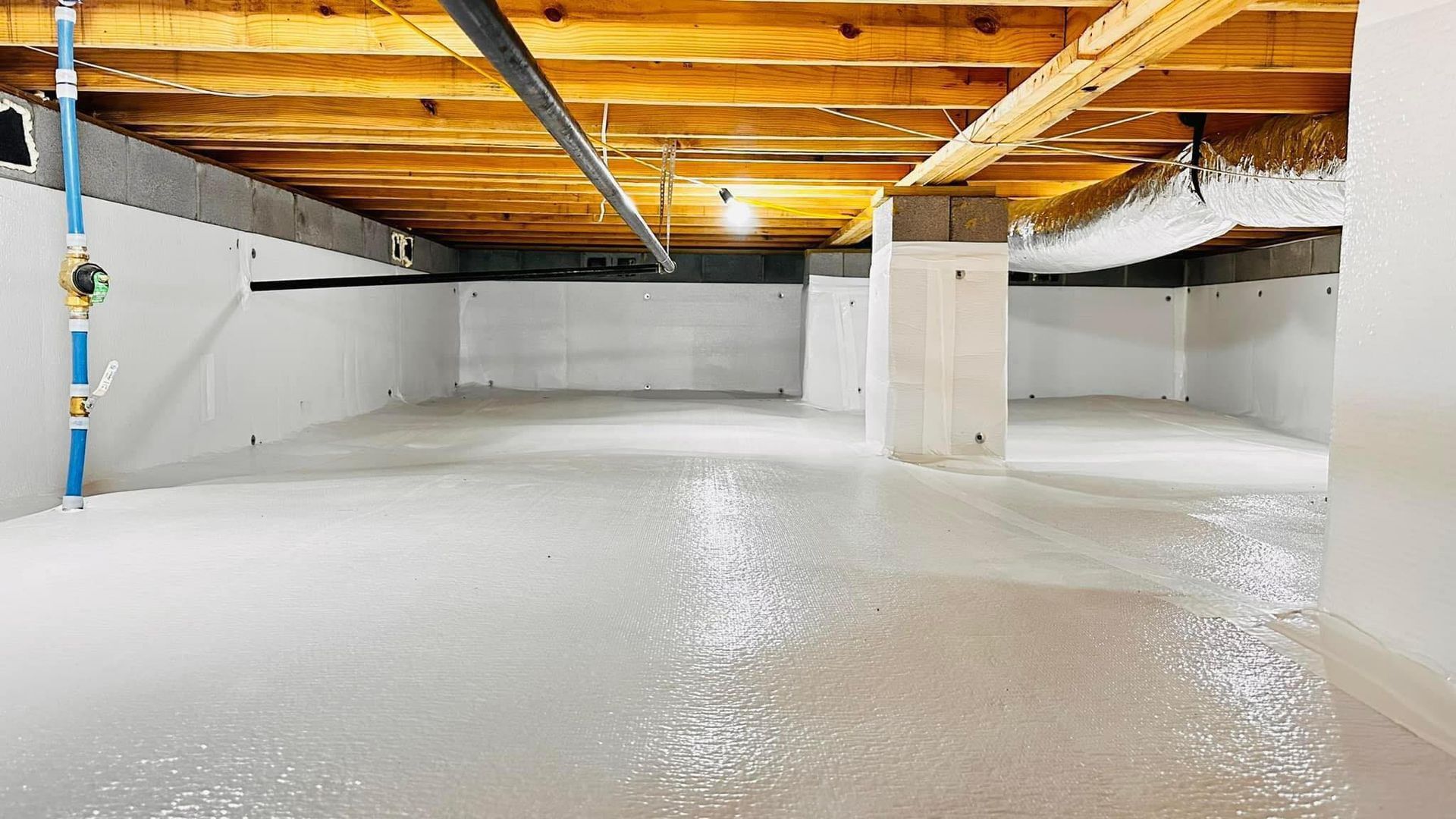
And finally, we're putting down a vapor barrier. That's going to keep moisture from coming up through the dirt and causing the same problems all over again. This house has had enough moisture issues - we're stopping that cycle right now.
Devon and Oswaldo are handling all of this in conditions that aren't easy. But they know what they're doing, and they're going to make sure this flip has a foundation that lasts
The Challenge of Working in Tight Spaces
Let me tell you something about this particular crawl space - it's brutal.
We've got spots where there's only four inches between the dirt and the floor joists above. That means you can't just crawl around down there. You're practically army-crawling through tight spaces, dragging tools and materials with you.
We had to cut out sections of the subfloor just to create access points where we could actually get down there and work. Otherwise, there's no way to get materials in or get the old stuff out.
And those support beams that are sitting two inches off the dirt? We're having to dig down to install the jacks properly. You can't just set a jack on loose dirt and call it good. You need a solid base, which means digging, leveling, and making sure everything is stable before you start lifting and supporting thousands of pounds.
This is the kind of work that takes skill and patience. It's not glamorous. It's not something you're going to show off in your before-and-after photos. But it's the work that matters most.
Devon and Oswaldo are getting it done. That's what counts.
What Smart House Flippers Know
If you're serious about flipping houses, here's what you need to understand: the crawl space tells you everything
.
Before you even make an offer on a property, get under that house and look around. Or better yet, bring someone who knows what they're looking at. Because what's underneath is going to determine your real budget for the flip.
You can estimate kitchen costs pretty easily. You can figure out what new flooring is going to run you. But if you don't know about the rotten floor joists, the failing support beams, the moisture problems - you're going to be in for a surprise that blows your whole budget.
Smart flippers budget for foundation work first. They know that structural integrity isn't optional. They fix the problems the right way, not the cheap way.
And they understand something else too: their reputation is everything. You can flip one house the wrong way and make a quick profit. But if that house starts having problems six months later, you're done in this market. Nobody's going to trust you. Nobody's going to buy from you.
Do it right. Fix the foundation. Build something that lasts. That's how you stay in this business.
Why This Matters for Chattanooga Home Buyers
If you're looking at buying a flipped house around here, you need to be careful.
There are a lot of flips that look great on the surface. Fresh paint, new fixtures, modern finishes. But what's underneath? That's the question you need to ask.
Did they actually fix the crawl space issues, or did they just cover them up? Did they replace rotten floor joists, or did they just put new flooring over the top? Did they install proper support and vapor barriers, or did they skip that to save money?
Here's what you should do: ask for documentation of any crawl space or foundation work. If they say they fixed it, they should be able to show you receipts, photos, permits if required. If they can't show you proof, that's a red flag.
Better yet, get your own inspection before you buy. We do free crawl space inspections. We'll go under there and tell you exactly what you're dealing with. If the flip was done right, great - you can buy with confidence. If it wasn't, you just saved yourself from a expensive mistake.

Get Your Crawl Space Inspected Before You Flip
If you're thinking about flipping houses in Chattanooga, or if you've already bought one and you're getting ready to start work, call us first.
We'll come out and do a free crawl space inspection. We'll tell you exactly what you're dealing with down there. What needs to be fixed, what can wait, and what's going to cost you if you ignore it.
No pressure. No games. Just an honest assessment from someone who's been doing this work for years.
You'll know your real budget before you start. You'll know if the flip is worth doing. And you'll know how to do it right so the next owner gets a house they can trust.
We work with a lot of flippers and investors around here. The ones who are serious about quality, the ones who want to build a reputation, the ones who understand that doing it right pays off in the long run - those are the people we want to work with.
Reach out. Let's take a look at what you've got. And let's make sure your flip is one of the good ones.