Spotted a Camel Cricket? Here's What It's Actually Telling You About Your Home
Introduction
That Bug Isn't Random
IT SHOWED UP FOR A REASON - AND YOUR HOUSE IS TRYING TO TELL YOU SOMETHING
Most people see a camel cricket and think one of two things. Either they freak out and grab a shoe, or they figure it wandered in from outside and forget about it.
Neither response gets to the real issue.
Camel crickets don't show up by accident. They show up because your home is giving them exactly what they need to survive. And once you understand what that is, the bug stops being a nuisance and starts being useful information.
That's what this is really about. Not the cricket. What the cricket means.
What Camel Crickets Actually Need to Live
Camel crickets have three requirements: damp air, dark spaces, and something to eat.
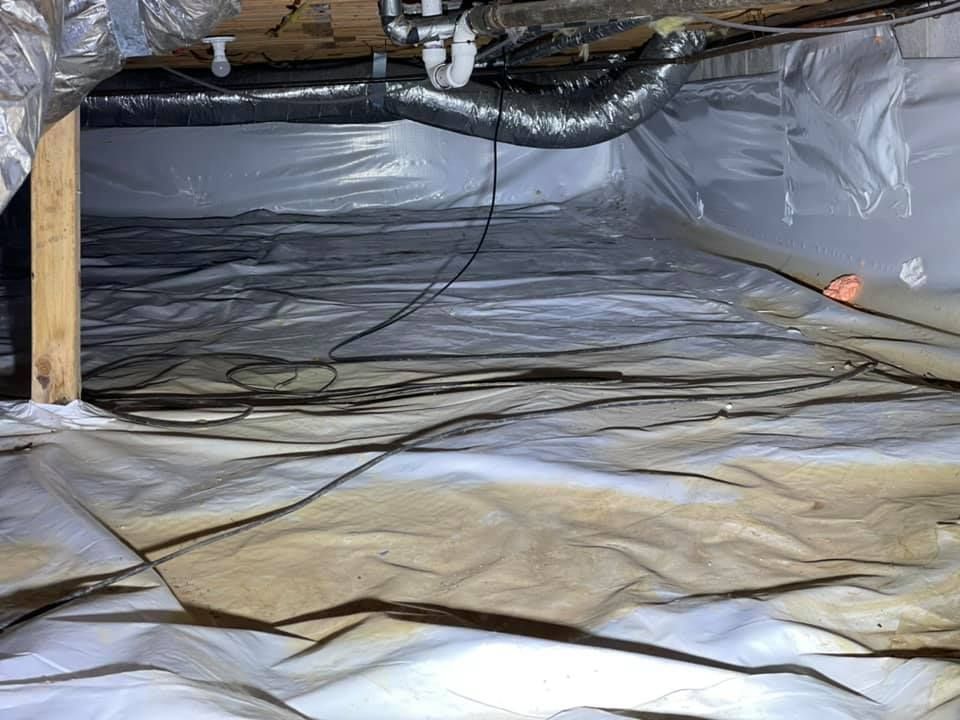
Your crawl space checks all three boxes when it has a moisture problem.
They thrive in humid environments. The more moisture in the air, the more comfortable they are. And they don't just hang around — they feed. Specifically, they feed on microbial growth. The kind that shows up on wood when moisture levels stay high for too long.
That's the connection most homeowners miss. The cricket isn't the problem. The damp, humid environment producing the microbial growth that feeds the cricket — that's the problem.
If you've got camel crickets, you've got that environment somewhere in your home. And in most cases, it's underneath your feet.
The Black Spots Nobody Talks About
Here's something worth knowing if you're ever willing to take a look in your crawl space.
Camel crickets leave marks. Little black spots on wood and on foundation walls. Most homeowners have no idea what those spots are or where they came from.
Now you do.
Those spots are evidence that the crickets have been feeding — which means microbial growth was already there for them to eat. It's a simple chain. Moisture creates the growth. The growth feeds the crickets. The crickets leave the spots.
If you see those black marks in your crawl space, you're not looking at a cosmetic issue. You're looking at proof that moisture has been sitting down there long enough to create a food source.
That's important information. Don't ignore it.
What Happens If You Just Treat the Bug
This is where a lot of homeowners go wrong.
They call a pest control company. The exterminator comes out, treats the space, and the crickets go away for a while. Problem solved. Or so it seems.
But the moisture is still there.
Nothing about pest treatment changes the humidity level in your crawl space. Nothing about it stops microbial growth. All it does is remove the visible symptom while the actual condition keeps doing what it does — sitting in the dark, getting worse, working on your wood.
Moisture doesn't stay still. It moves up into your floor system. It softens joists. It creates the conditions for rot and structural damage over time. Treating the cricket without treating the crawl space is like taking cough medicine for pneumonia. You might feel better for a minute. The thing making you sick is still there.
What a Moisture Problem in Your Crawl Space Actually Looks Like
You don't have to be an expert to know what to look for. Here's what matters.
High humidity. A healthy crawl space should have controlled moisture levels. If it feels damp and heavy when you open the access door, that's a sign.
Microbial growth on wood. Dark staining, fuzzy growth, or discoloration on your floor joists or subfloor is worth paying attention to.
Black spots on wood or foundation walls. As we covered — that's camel cricket activity, which tells you the moisture and growth were already there.
A musty smell coming from your floors or vents. Moisture in the crawl space doesn't stay in the crawl space. It moves into your living area.
The crickets themselves. If you're seeing them inside your home — in a basement, laundry room, or bathroom — there's a good chance they're coming up from below.
Any one of these signs is worth taking seriously. More than one means it's time to get someone down there who knows what they're looking at.
What to Do When You Find Them
Here's the straightforward version.
Step one. Don't just call an exterminator. Or if you do, understand that it's a temporary fix for a permanent condition.
Step two. Get your crawl space inspected by someone who actually knows crawl spaces. Not a general contractor. Not a pest company. Someone who specializes in moisture control and encapsulation and can tell you what's actually going on down there.
Step three. Ask the right questions. A good inspector should be able to tell you your humidity levels, show you where the moisture is coming from, identify any visible microbial growth or wood damage, and give you options — not just one price for one solution.
Step four. Look at the photos. Any inspector worth trusting should be taking before photos and showing them to you. You should be able to see exactly what they saw before you agree to anything.
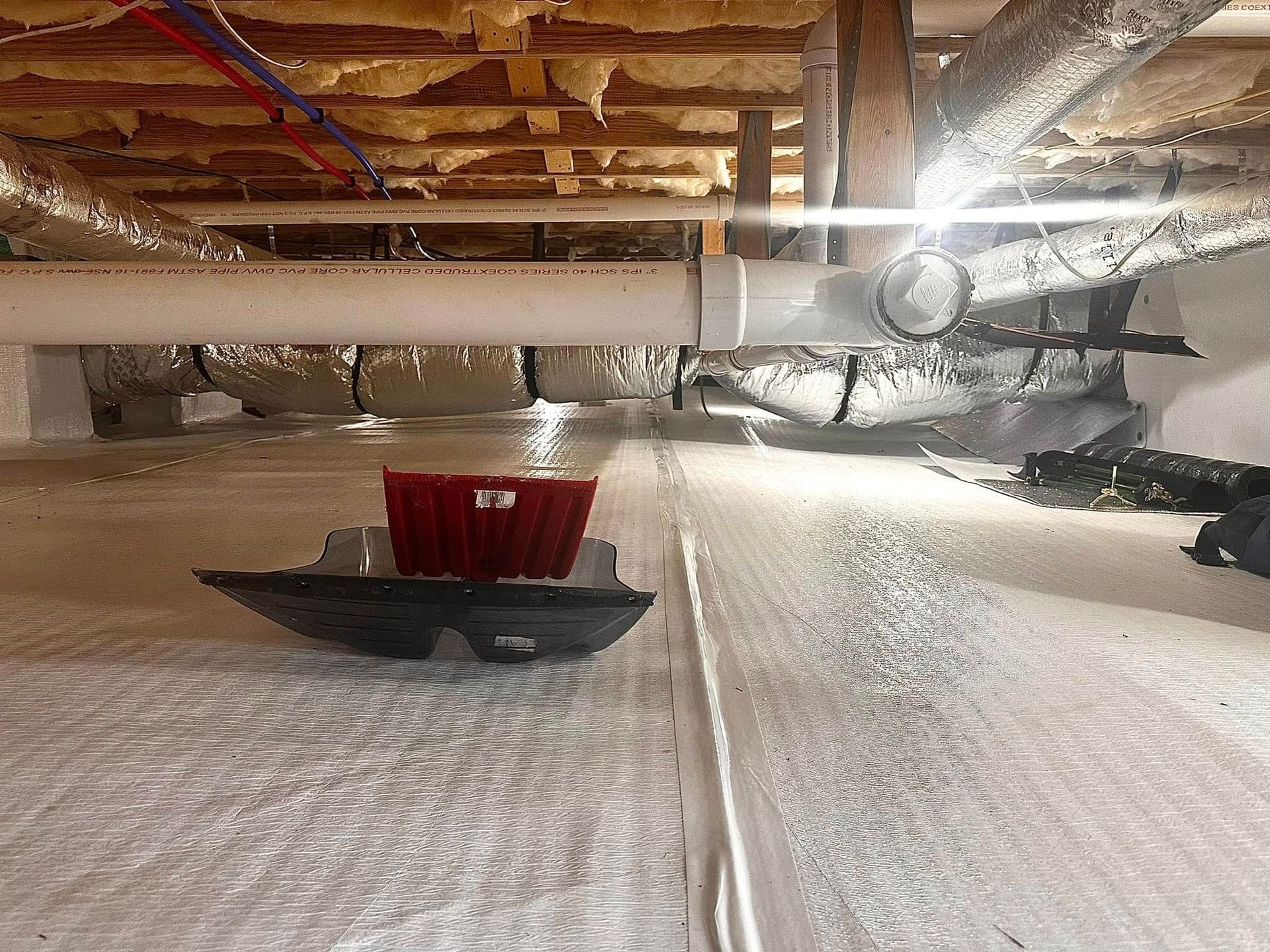
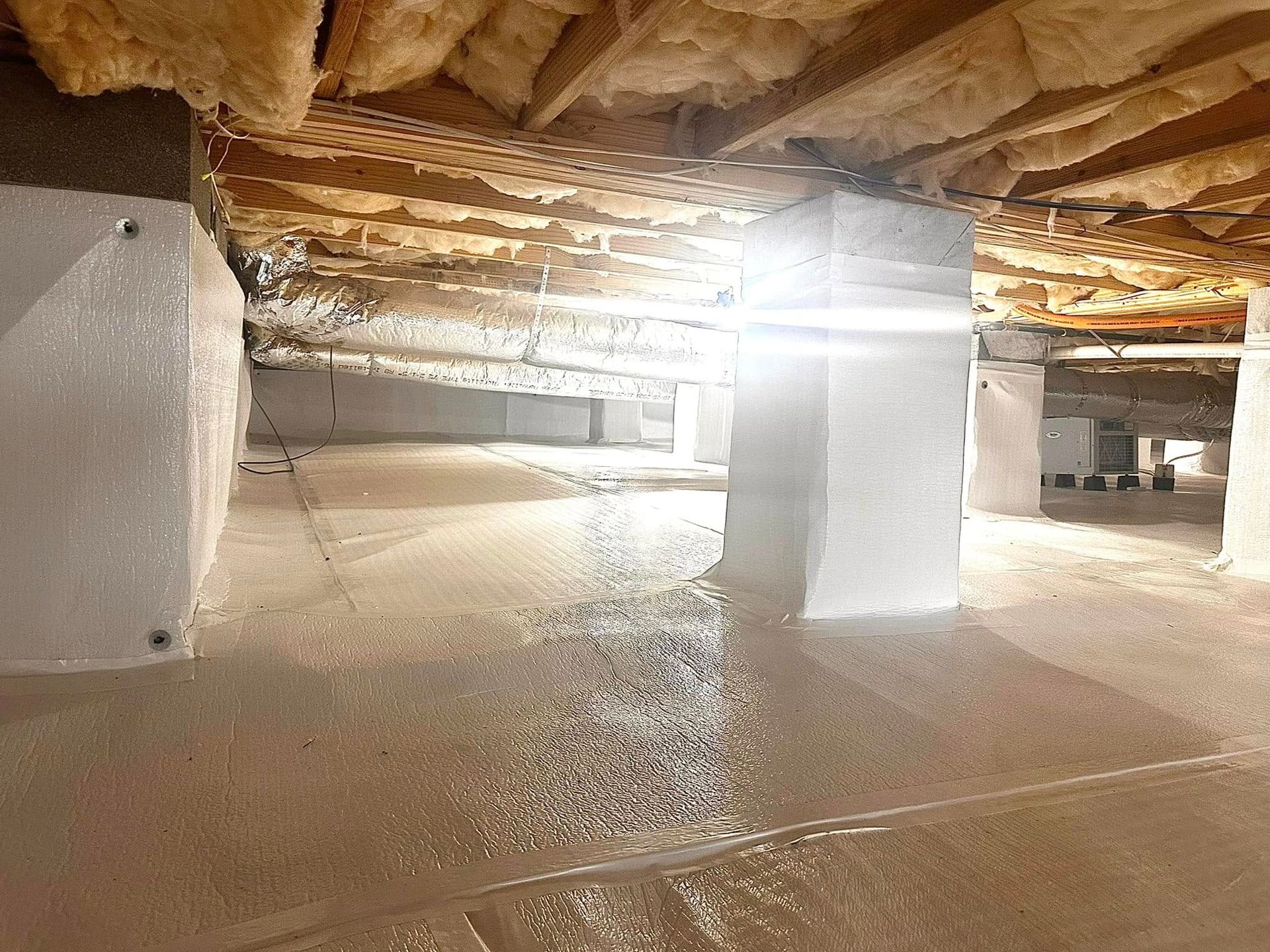
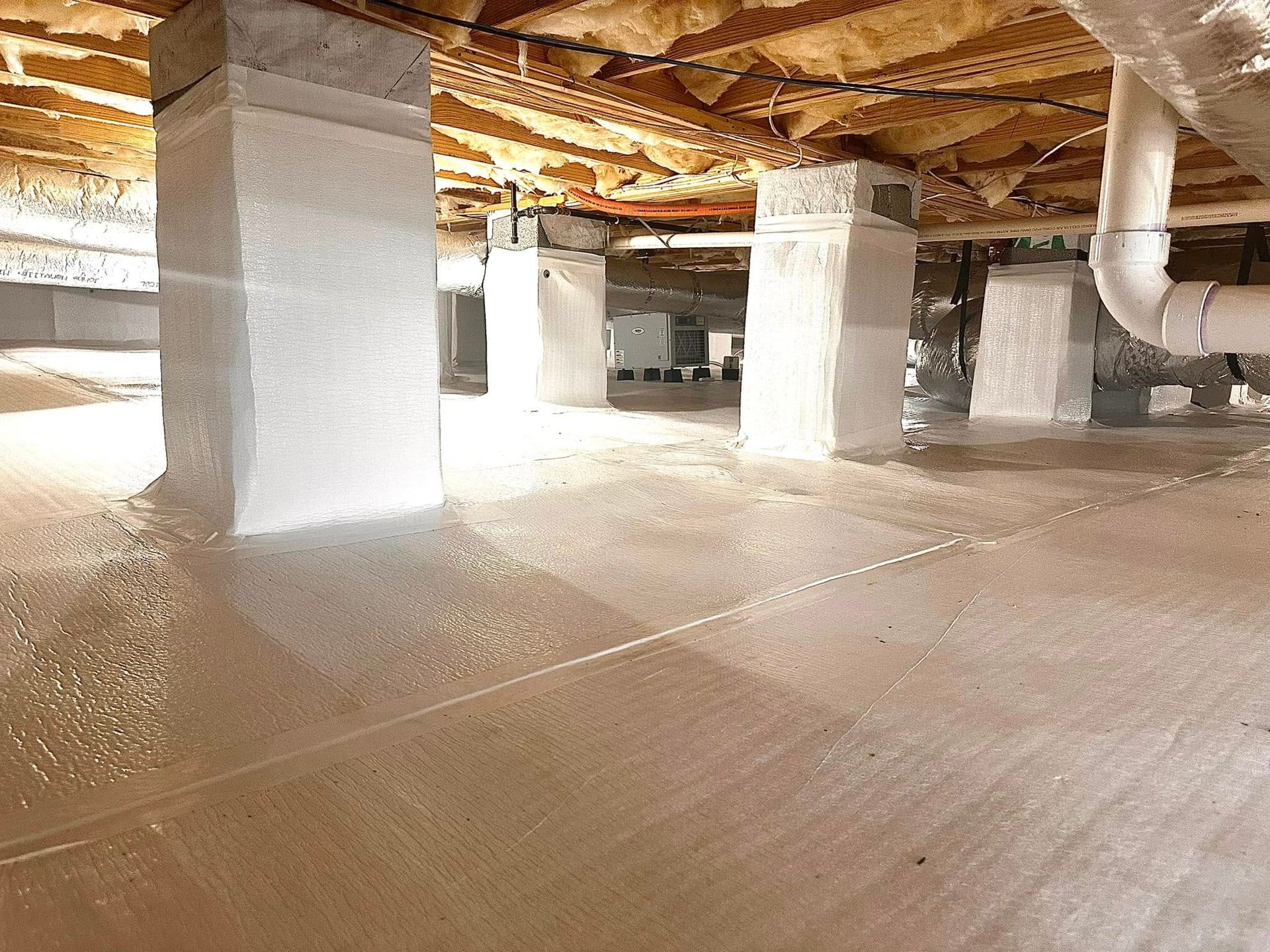
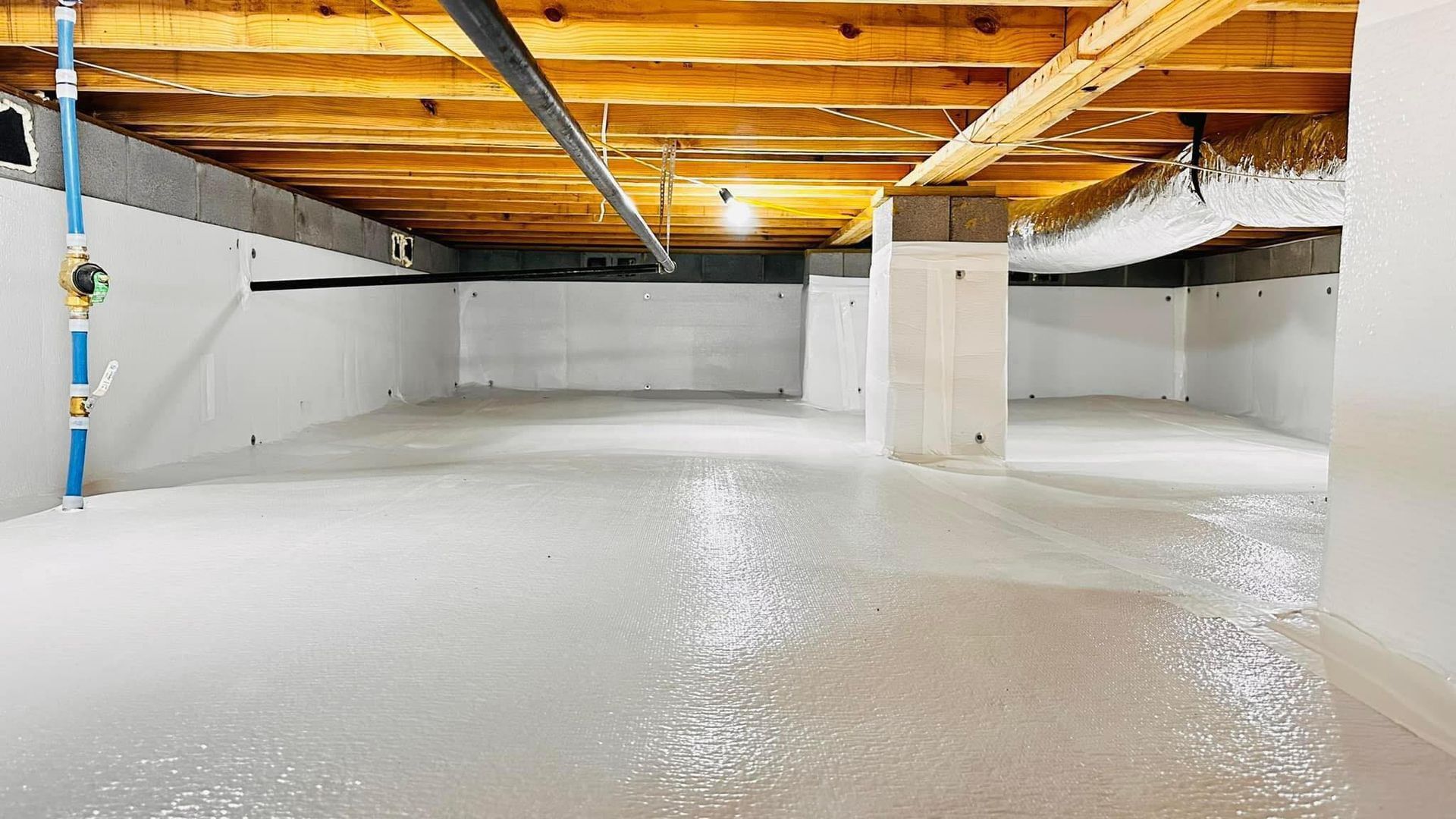
Step five. Address the root cause. Whether that's encapsulation, a dehumidifier, improved drainage, or some combination — the goal is to change the environment so it no longer supports the conditions that brought the crickets in the first place.
Do that and the crickets don't come back. Not because you treated them. Because you took away everything they needed to survive.

The Homeowner Who Acts Early Always Wins
Here's the honest truth about crawl space moisture problems.
They don't get better on their own. They get worse slowly, quietly, and out of sight — until one day they're not a moisture problem anymore. They're a structural problem. And structural problems cost a lot more to fix than moisture problems do.
The homeowner who sees a camel cricket, understands what it means, and gets the crawl space looked at — that homeowner is ahead of the curve. They're catching the warning sign before it becomes a repair bill.
That's the whole point of knowing this stuff. Not to scare you. To give you a head start.
If you've spotted camel crickets in your home and you want to know what's actually going on underneath it, we're happy to come take a look. We'll inspect the crawl space, show you exactly what we find, and give you honest options based on what's actually there.
No pressure. No deposit. Just a straight answer.