Sweating Ducts in Your Crawl Space: What You Need to Know
Introduction
Peak Crawl Space Season
WHEN HUMIDITY PROBLEMS SHOW THEMSELVES
Summer in Middle Tennessee is when crawl space problems stop hiding.
Your ductwork starts sweating. Water drips off the metal. You might see puddles forming underneath. It looks like condensation, and technically it is - but it's telling you something more important.
When your ducts are dripping like that, your crawl space humidity is too high. And high humidity under your house leads to mold, fungus, and damage you don't want to deal with.
This is the time of year when those issues show up. The good news is they're fixable. You just need to know what you're looking at.

What Sweating Ductwork Actually Means
Here's what's happening. Your AC is running. Cold air is moving through metal ductwork in your crawl space. That crawl space is hot and humid because it's summer in Tennessee.
Cold metal plus hot humid air equals condensation. Water forms on the outside of the ducts and starts dripping.
But the condensation itself isn't the real problem. It's what it's telling you about the humidity level under your house.
When you see water dripping off your ductwork, that means your relative humidity is over 60 to 70 percent. That's the threshold where mold and fungus start growing. It's not just about wet ducts. It's about an environment that's feeding problems you can't see yet.


Why Summer is Peak Season for Crawl Space Problems
This is when we get the most calls. And it makes sense.
Tennessee summers are brutal. It's hot. It's humid. Your AC is running nonstop trying to keep your house comfortable. And all that cold air passing through ducts in a hot, humid crawl space creates the perfect conditions for moisture problems.
The issue isn't new. It's been building. But summer is when it becomes visible. That's when homeowners finally look under the house and realize something's wrong.
Most people don't go down there unless they have a reason. They wait until they smell something musty. Or their floors start feeling soft. By then, the humidity problem has been doing damage for months.
Summer just makes it obvious.
What Happens if You Ignore It
High humidity doesn't stay harmless for long.
Once you're over that 60 to 70 percent threshold, mold and fungus start growing. You might not see it right away, but it's there. On your floor joists. In your insulation. On any organic material under your house.
You'll start to smell it. That musty, damp smell that works its way into your home. Your HVAC system is pulling air from your crawl space and pushing it through your house. If the air under your house is bad, the air in your house isn't much better.
Over time, you're looking at wood rot. Structural damage. Repairs that cost a lot more than dealing with the humidity problem in the first place.
It's always cheaper to fix it early.
What to Look For
You don't need to be an expert to check your crawl space. Just grab a flashlight and take a look.
If you see water droplets hanging off your ductwork, that's a problem. If there are puddles forming under the ducts, that's a problem. If the air feels heavy and damp when you open the access door, that's a problem.
You might also notice condensation on your foundation walls. Or insulation that looks wet or saggy. These are all signs that your humidity is too high.
If you're seeing any of this, it's time to call someone. The longer you wait, the worse it gets.
When to Call for an Inspection
If you're seeing sweating ductwork or puddles under your house, don't wait. This is the kind of problem that gets worse the longer you leave it alone.
I do free inspections for homeowners in the Nashville area. I'll come out, take a look at what's going on, and give you a full report with photos and video. You'll see exactly what I'm seeing. No guessing. No sales pitch. Just the facts.
You'll get an itemized quote that breaks down your options. You can pick what makes sense for your situation and your budget. There's no pressure to do it all at once. Some people want the full encapsulation. Some people want to start smaller and work their way up. Either way is fine.
The inspection is free. The information is yours. What you do with it is up to you.
How We Fix Humidity Problems
Fixing high humidity in a crawl space isn't complicated, but it needs to be done right.
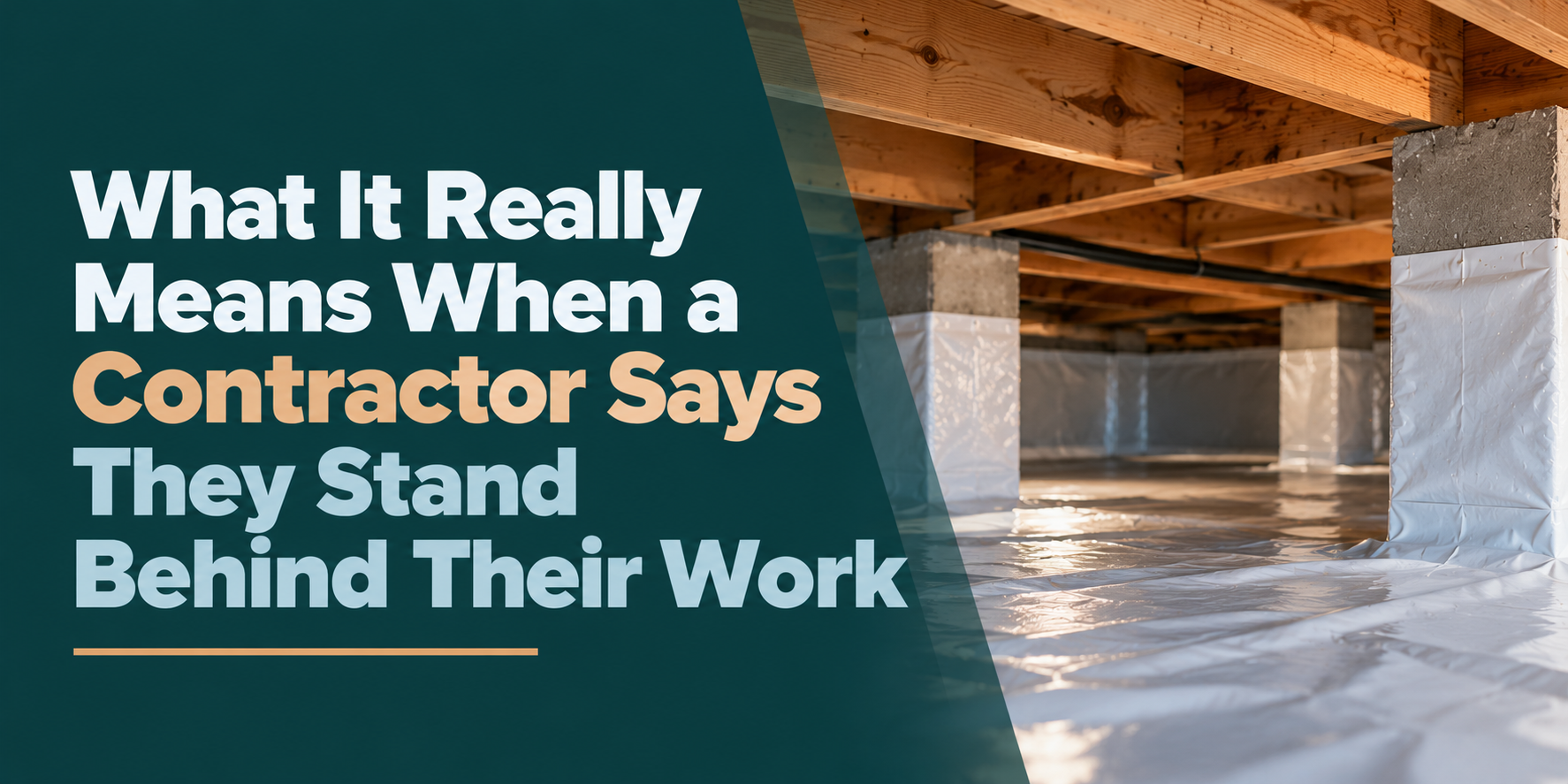
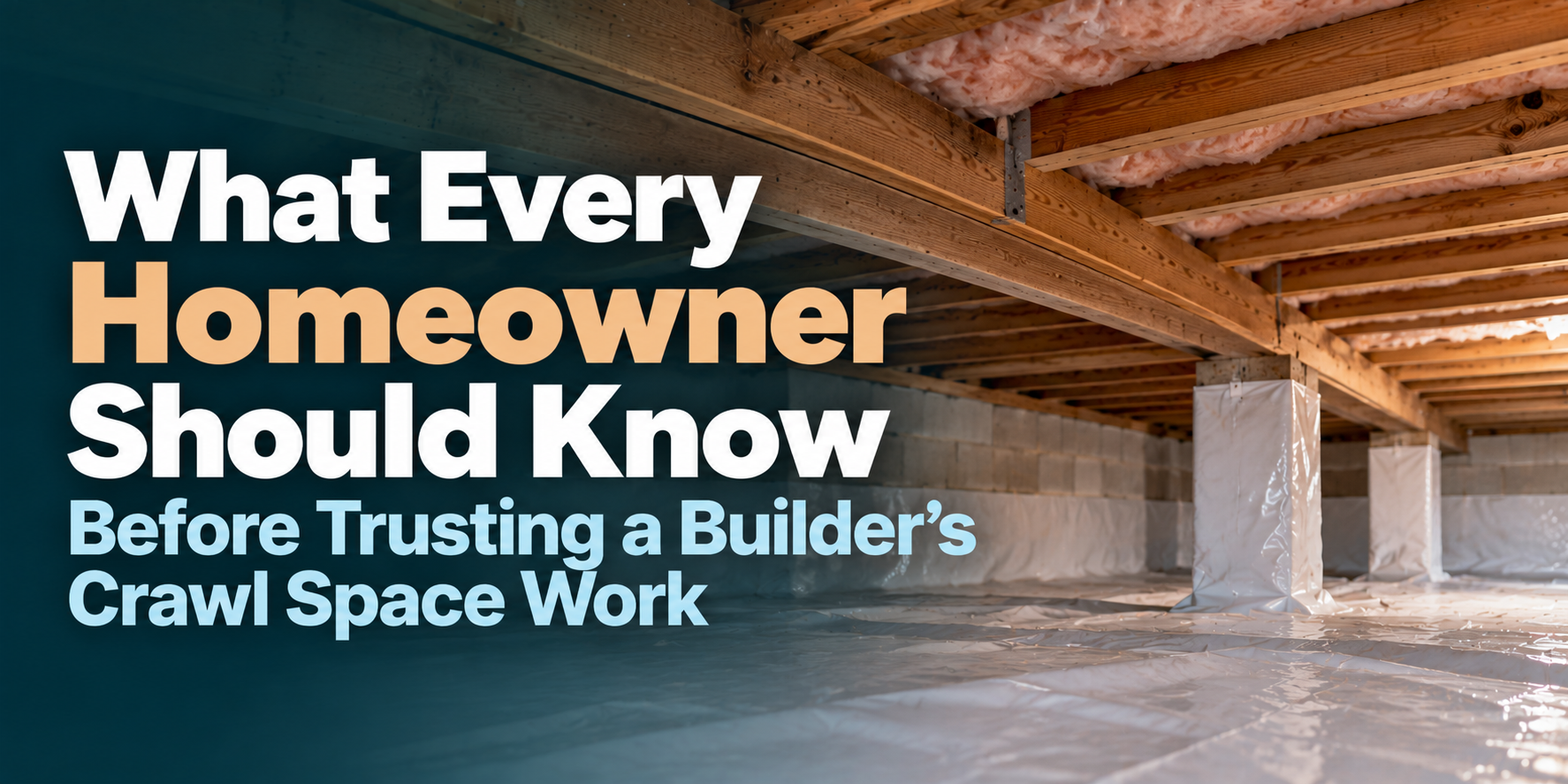
Encapsulation is the most common solution. We seal the crawl space off from outside air and moisture. We install a vapor barrier. We add a dehumidifier to control the humidity long-term. If your vents are open, we close them. If there's standing water, we deal with that first.
The goal is to create a controlled environment under your house. One that stays dry year-round, not just when the weather cooperates.
Some crawl spaces need more work than others. Maybe there's drainage issues. Maybe the grading around your house is pushing water toward the foundation. Every situation is a little different, and that's why the inspection matters. We need to see what's actually going on before we can tell you the best way to fix it.

Ready to Take a Look Under Your House?
If you've peeked under your house and you're seeing water dripping from your ducts, reach out. Let's talk about what's happening and how to fix it.
You can call or text me directly. I'll set up a time to come out, do a full inspection, and walk you through what I find. No pressure. No gimmicks. Just an honest conversation about your crawl space and what it needs.
This is peak season for crawl space problems. But it's also the best time to catch them before they turn into something bigger.
Let's make sure your crawl space is in good shape.