Why Sealing Your Crawl Space Door Matters More Than You Think
Introduction
The Details That Get Overlooked
WHAT WE FOUND ON OUR FIRST DAY IN HUNTSVILLE
We just wrapped up our first day quoting jobs in Huntsville with our new partner down there.
Ran into something worth talking about.
We looked at a crawl space that was about 14 to 16 feet high.
The homeowner had already tried to fix their moisture problem.
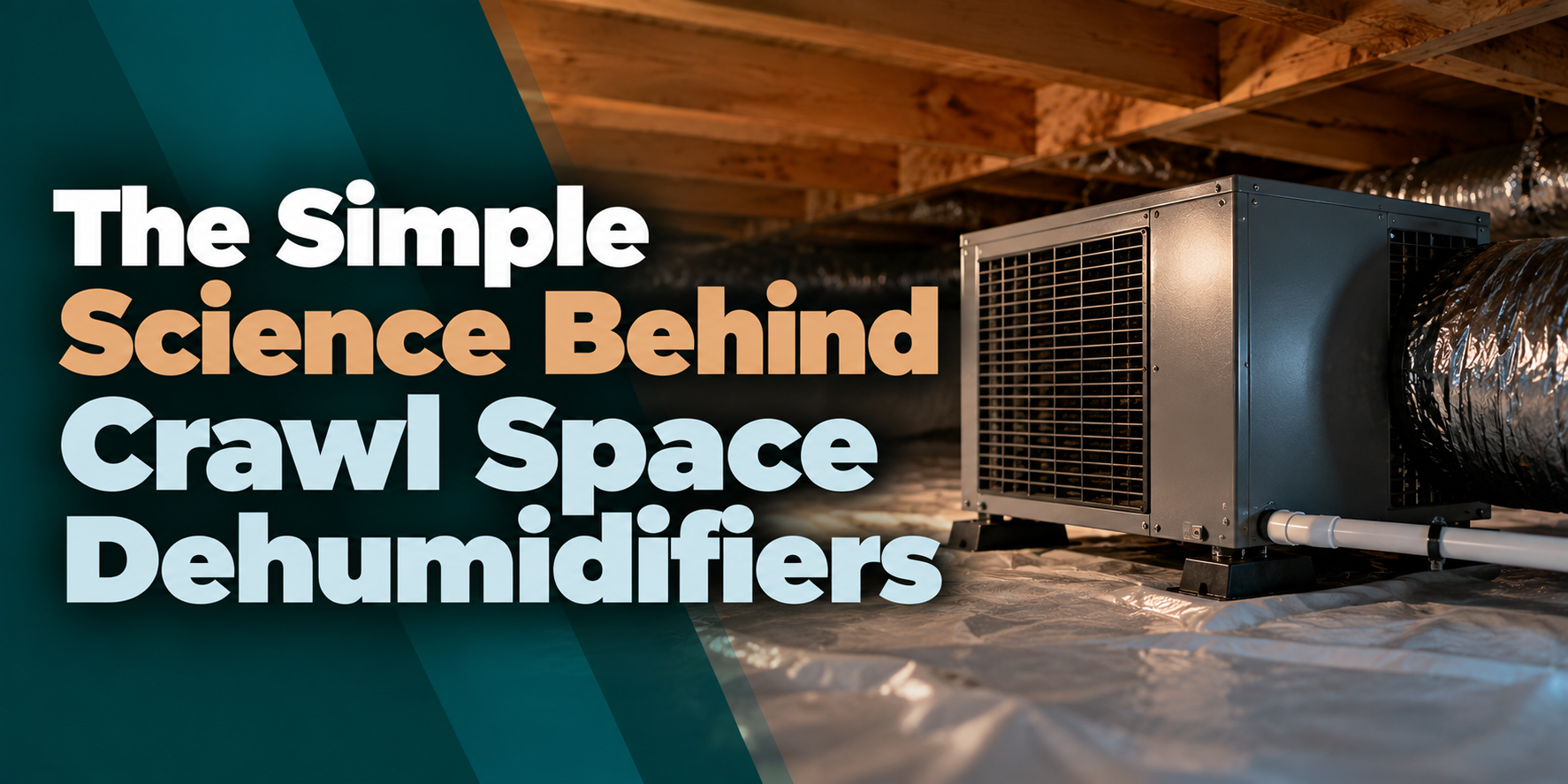
They bought two dehumidifiers from Home Depot.
They talked to several people and got several recommendations.
But when we got in there, condensation was everywhere. In February.
That's when you know something's being missed.

The Problem Nobody Mentioned
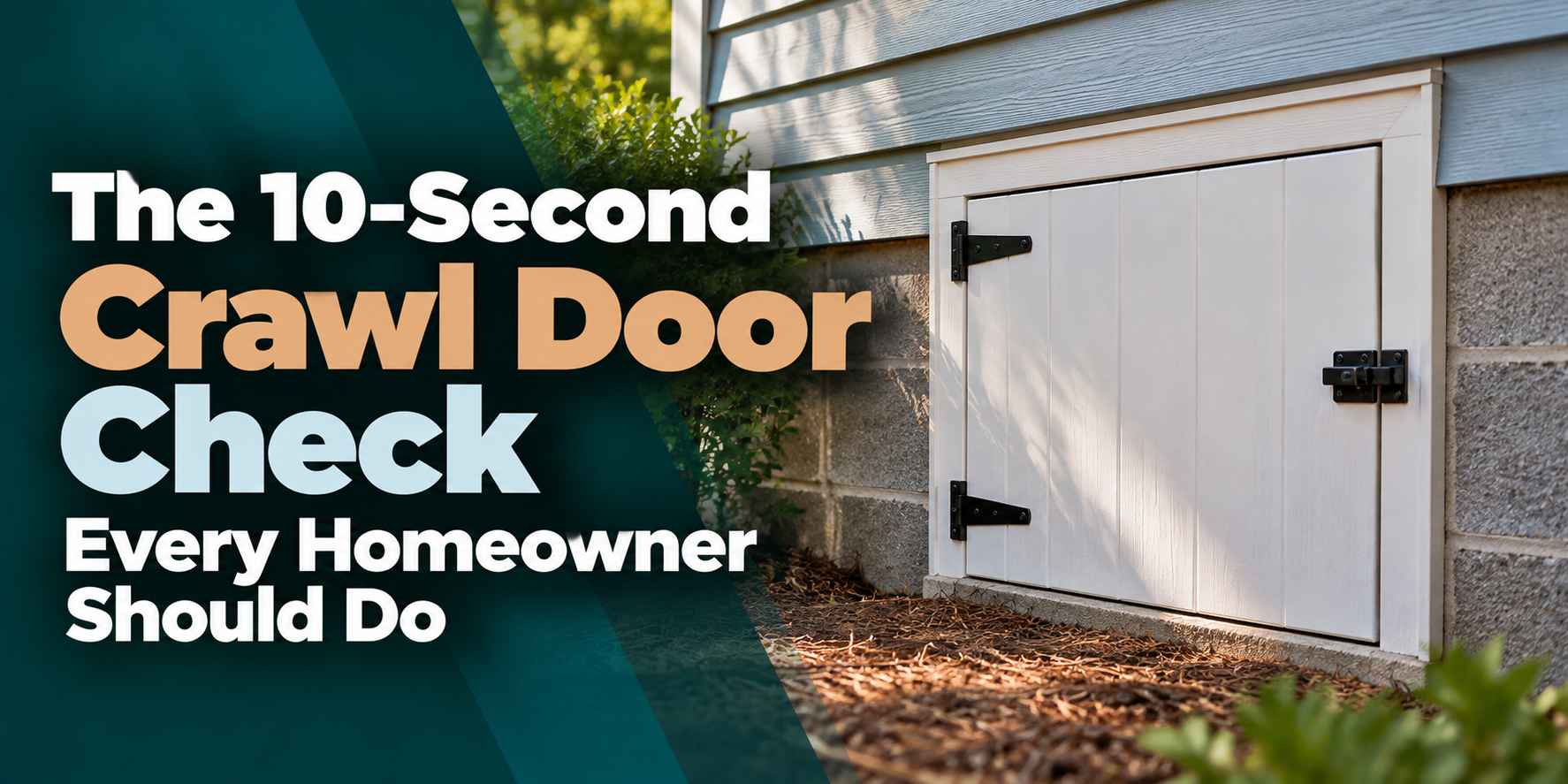
The door wasn't sealed. Two porches were wide open, letting outside air flow right into the crawl space. The dehumidifiers were running hard, but they couldn't keep up.
This homeowner did what they were told. Spent money trying to solve the problem. But nobody mentioned the door. Nobody talked about sealing up those open entry points.
You can run dehumidifiers all day long. If you've got outside air pouring in, you're fighting a losing battle. That's the kind of detail that changes everything - and it's the kind of thing that gets overlooked more often than you'd think.



Why an Unsealed Door Creates Big Problems
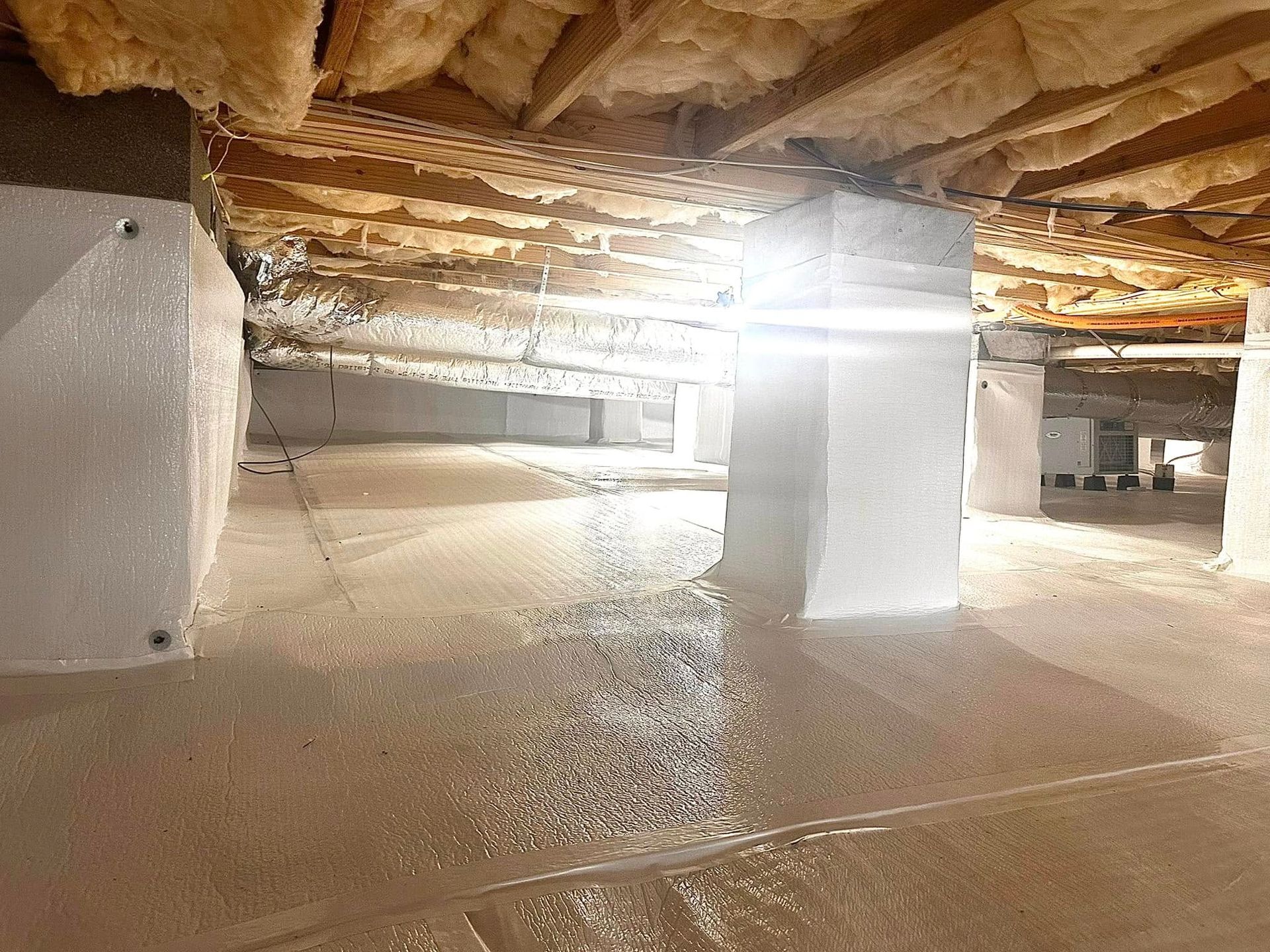
Your crawl space is supposed to be a controlled environment. When you've got an unsealed door or open porches, you're letting outside air in constantly. That means humidity, temperature swings, and moisture you can't control.
In the summer, hot humid air hits the cooler surfaces in your crawl space and creates condensation. In the winter, you're still pulling in moisture from outside. Either way, your dehumidifiers are working overtime trying to fix a problem they were never designed to handle alone.
Seal the entry points first. Then worry about the equipment. Otherwise you're just throwing money at a problem that won't go away.
Dehumidifier Placement Matters Too
Here's another thing we noticed. Both dehumidifiers were sitting on the ground. In a crawl space that's 16 feet high, that's a problem.
Heat rises. Moisture rises. If your dehumidifier is on the ground, it's not doing much for the wood and joists up top. That's where the condensation was collecting. That's where the damage happens over time.
You need platforms. Proper positioning. Someone thinking about how air moves in that specific space. These are simple fixes, but nobody had mentioned them to this homeowner.
Small Details, Big Difference
This is what separates a bad job from a great one. It's not always the big stuff. Sometimes it's just paying attention.
Seal the door. Elevate the dehumidifiers. Think about airflow. These aren't expensive fixes. But they're the details that actually make the system work.
Anyone can sell you equipment. The question is whether they're looking at the whole picture or just checking boxes. We look at the whole picture.

Ready to Get Your Crawl Space Right?
If you have questions about your crawl space, reach out. I'm happy to talk it through.
We offer free inspections for homeowners in the Nashville and Huntsville areas. I do all the inspections myself. No salespeople, no pressure. Just a straight answer about what's going on under your house.
Call or text me directly. We'll figure out what's happening and what actually makes sense for your situation.
That's how we do things at Crawl Logic.