
Before You Hire: What This Failed Encapsulation Job Teaches Homeowners
Introduction
Lessons from a Failed Job
WHAT A PENSACOLA INSPECTION TAUGHT ME ABOUT CONTRACTOR RED FLAGS
I was in Pensacola, Florida last week doing an inspection on a crawl space that had already been encapsulated.
The homeowner called because something didn't feel right.
She was absolutely correct to trust her gut.
What I found down there is exactly why I'm writing this.
This wasn't just a small mistake or a minor oversight.
This was a complete failure by one of those big three-letter companies you see on billboards.
And the worst part? The homeowner has no recourse because the warranty isn't in her name.
I'm sharing this story because every problem I found under that house is a lesson for homeowners.
These are the red flags you need to know about before you hire anyone to work on your crawl space.
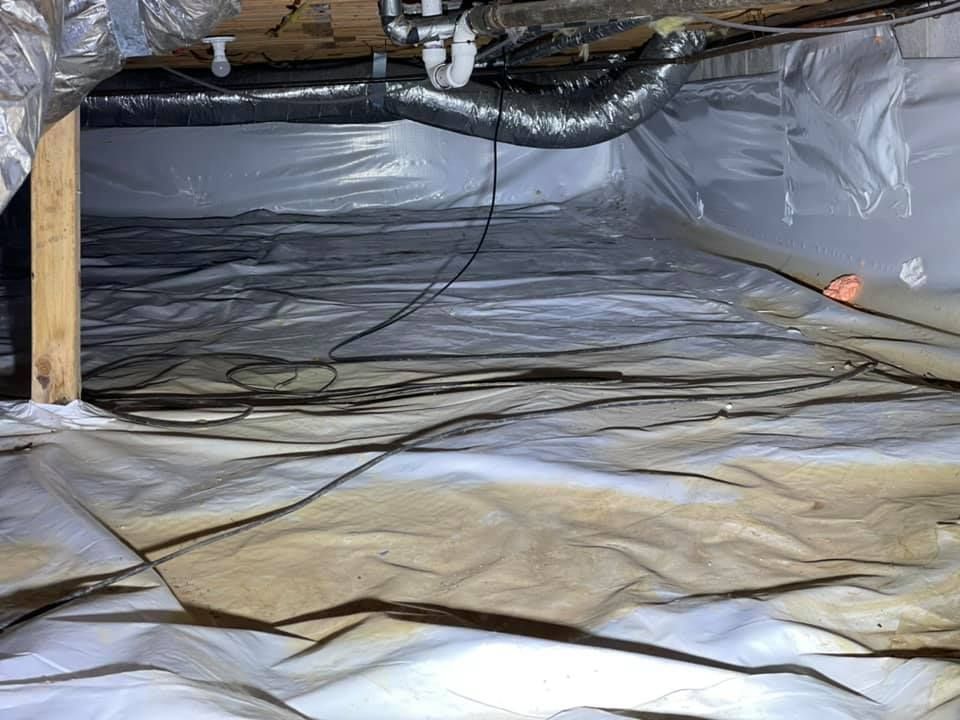
What We Found: The Problems
Let me walk you through what I saw, because each issue tells you something important about how this company operates.
First, fungus everywhere. Covering the wood joists, untreated, completely ignored. When you encapsulate a crawl space with fungus present, you have to treat it first. That's not optional - that's the whole point of doing the work. But they just rolled plastic over it and called it done.
The drainage system was installed backwards. The sump basin was bone dry because the slope was wrong. Water can't flow uphill, but apparently nobody told this crew that.
Instead of proper drainage materials, they used corrugated pipe from Home Depot. The cheapest stuff you can buy. We use proper materials designed for crawl space drainage because they actually work long-term.
The dehumidifier was draining directly under the plastic. No condensate pump, just dumping moisture right back into the space they were supposed to be drying out.
And here's the cherry on top - I found an ant hill. Right in the middle of the encapsulation. That means there's a hole in the plastic big enough for ants to build a home.
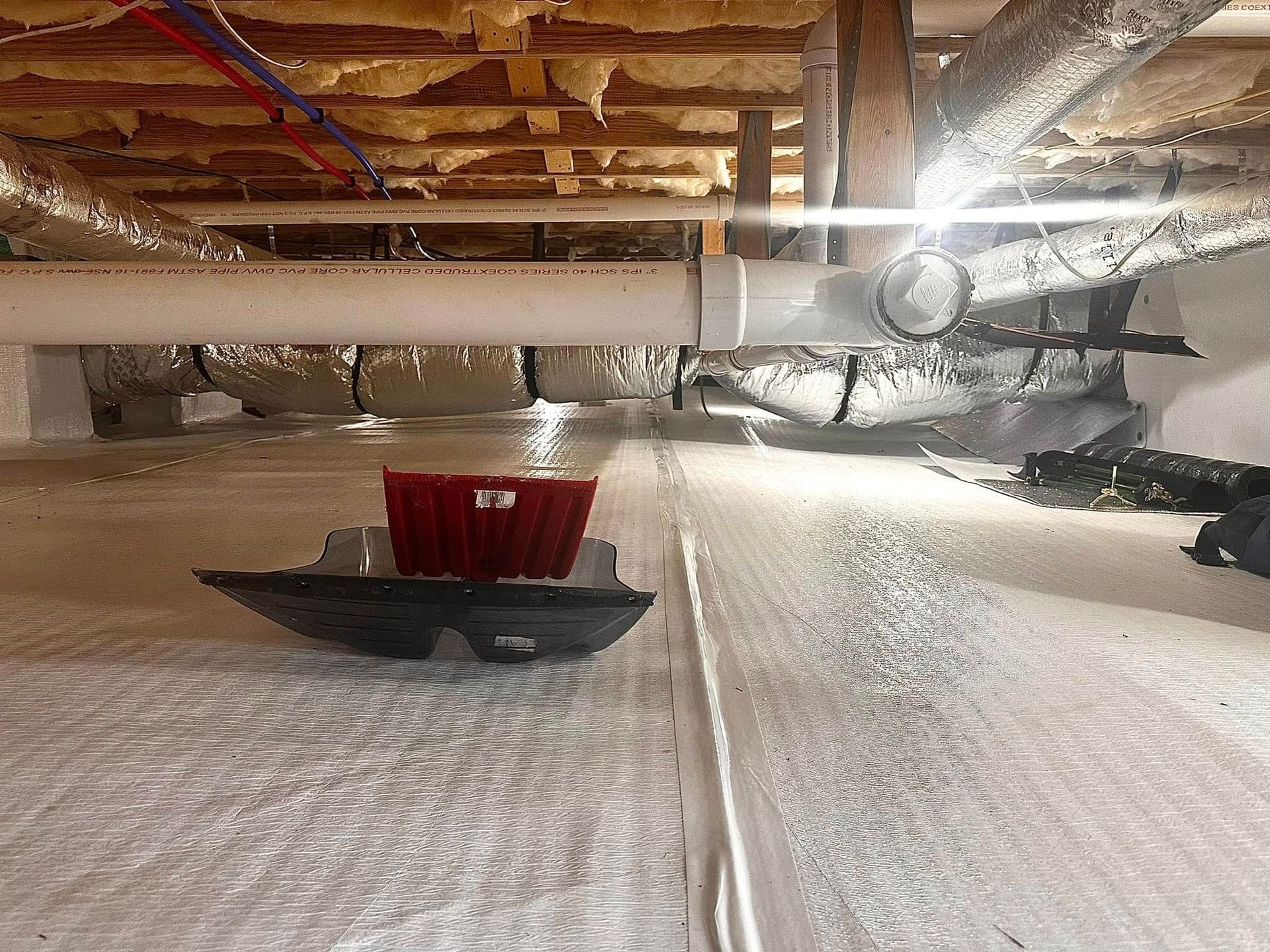
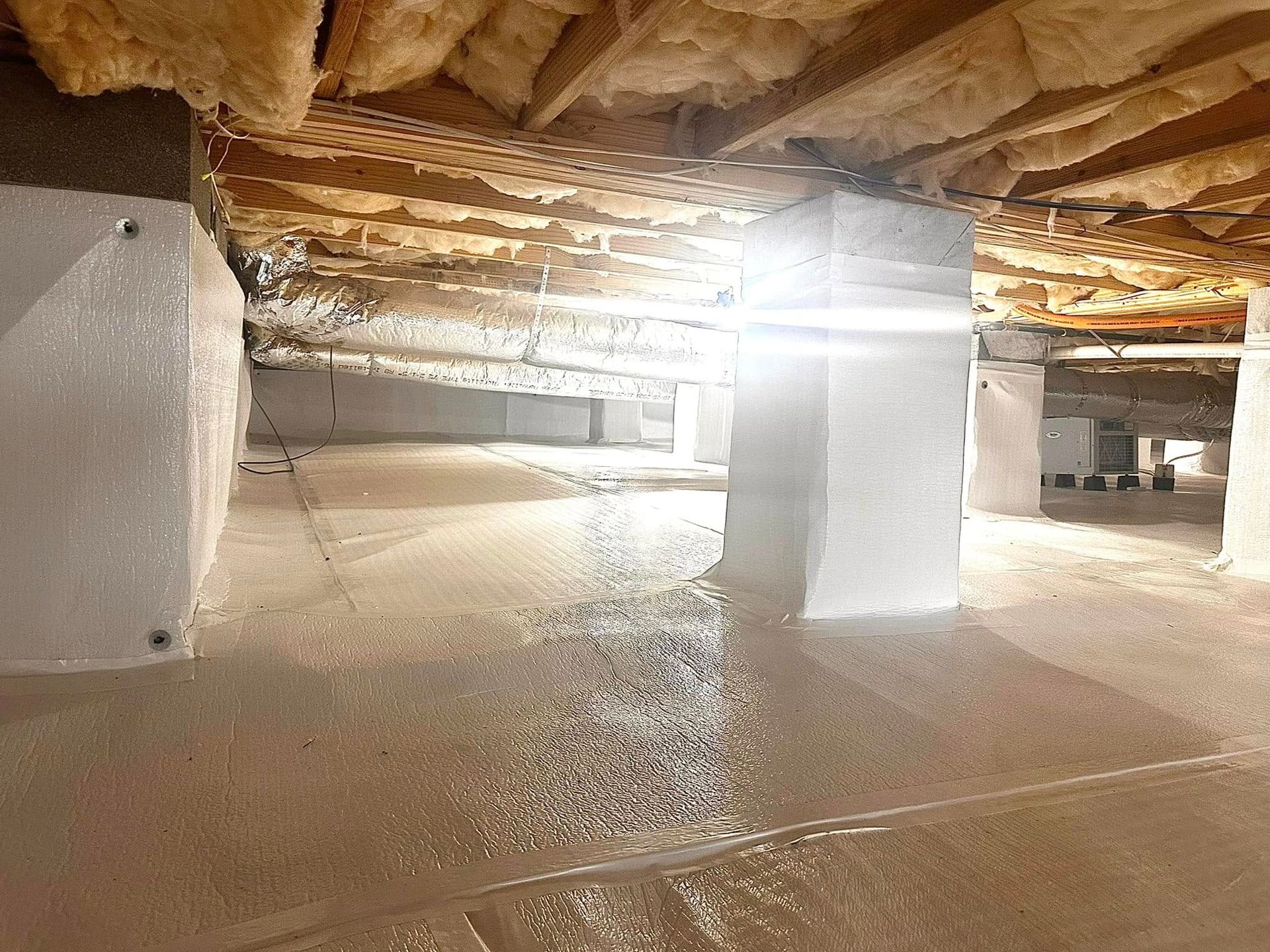
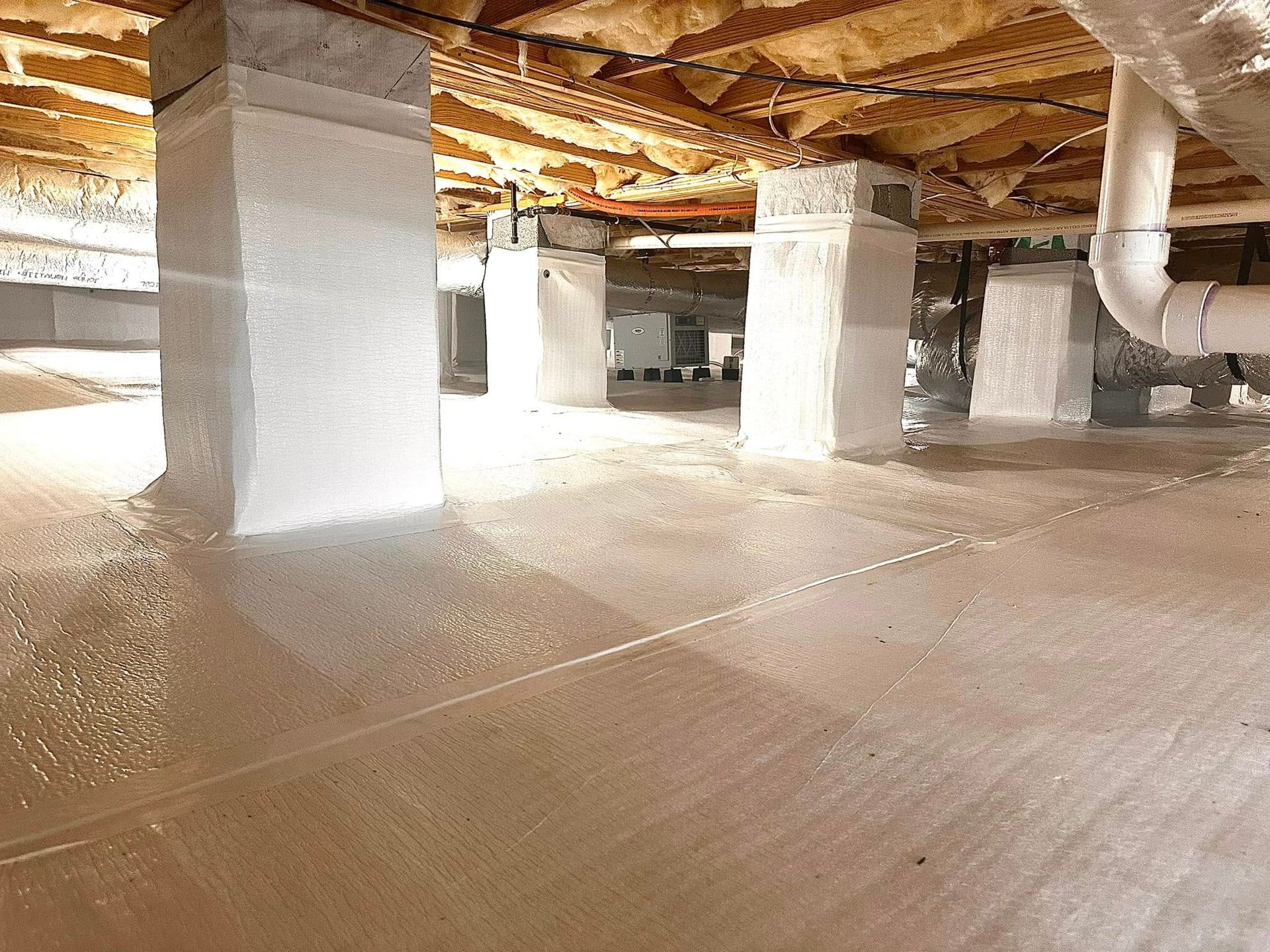
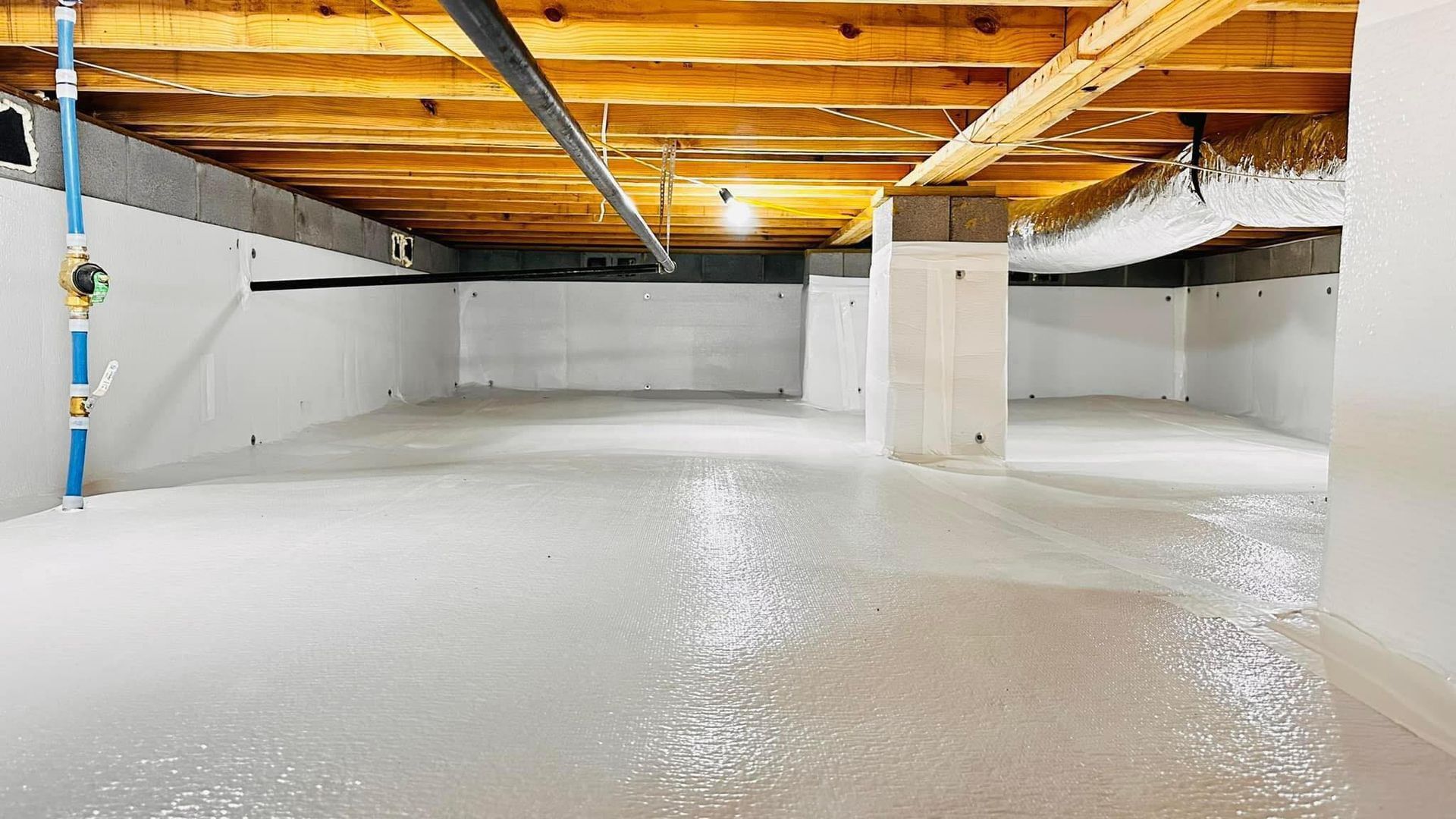
Why These Problems Matter
Let me explain why each of these issues is a big deal. Encapsulation is supposed to create a controlled environment under your house. You're sealing out moisture, preventing mold and fungus growth, and protecting your home's structure. That's the whole reason people spend thousands of dollars on this work.
When you leave fungus on the wood and just cover it with plastic, you're not fixing anything. You're hiding the problem. That fungus is still there, still eating away at your floor joists, still affecting your indoor air quality. The plastic doesn't kill fungus - it just makes it harder to see.
Drainage systems work by gravity. Water flows downhill to a collection point, then gets pumped out. When the slope is wrong, water sits there. Standing water defeats the entire purpose of encapsulation. You might as well have not done the work at all.
Cheap materials save the company money but cost you in the long run. Corrugated pipe clogs easily and breaks down over time. Proper drainage materials are designed to last decades. The few hundred dollars they saved using Home Depot supplies will cost this homeowner thousands to fix.
The Warranty Problem
Here's where this story gets really frustrating. This homeowner went through a divorce. The encapsulation work was done when she was married, and the contract was in her ex-husband's name. Now the company won't even talk to her about the problems.
The warranty isn't transferable. Even though she owns the house and lives there, the company says they can only work with the person who signed the original contract. So she's stuck with bad work and no way to hold them accountable.
Most homeowners never think to ask if a warranty transfers. But life happens - divorces, property transfers, people passing away. If the warranty dies with the original contract holder, you're on your own no matter how bad the work is.
Before you sign anything, ask directly: Is this warranty transferable to a new owner? Will it stay valid if my name changes? Can my spouse or heirs use it? Get the answers in writing.
How Big Companies Cut Corners
This job shows you exactly how big companies maximize profit. They use the cheapest materials available because most homeowners won't know the difference. They hire crews who can work fast, not necessarily work well. And they structure everything around commission-based sales, which means the salesperson gets paid and moves on - they're not accountable for the actual work.
When you're big enough, a few bad reviews don't hurt you. These companies have millions of dollars for marketing. They can absorb complaints and keep rolling. There's no personal reputation on the line because nobody knows the individual salesperson or crew members.
That's the fundamental difference between a big corporate operation and an owner-operated business. When my name is on the work, every job matters. I can't hide behind a corporate structure or pass you to a different department. It's my reputation, every single time.
Red Flags to Watch For
Based on what I found in Pensacola, here's what you need to look out for when hiring a crawl space contractor.
If they're not talking about treating existing fungus before encapsulation, that's a problem. Any legitimate contractor should address this upfront. If they mention drainage but don't explain what materials they're using, ask specifically. Corrugated pipe is cheap for a reason.
Watch out for warranties that seem great until you read the fine print. Ask if it's transferable, what it actually covers, and who you contact if there's a problem. If they pressure you to sign the same day or tell you the price is only good today, walk away.
And here's a big one: if they're not offering detailed photo and video documentation of the work, ask why. There's no good reason not to document a job properly in 2025. If they can't show you proof of what they did, that tells you something.
What Proper Encapsulation Looks Like
When we do an encapsulation job, fungus treatment comes first if it's needed. We document the before condition with photos and video, remove or treat the fungus, then move forward with the actual encapsulation.
Our drainage systems use proper materials designed for long-term performance. We slope everything correctly and test it before we cover it up. The dehumidifier gets installed with a proper condensate pump that drains to the outside - not under the plastic.
Every job gets documented start to finish. You'll see photos of the prep work, the installation process, and the completed project. That way, you know exactly what was done under your house. No surprises, no hidden shortcuts.
Protecting Yourself as a Homeowner
Get at least three quotes, and make sure they're detailed. A single-page estimate with no breakdown isn't enough information to make a decision. You need to know exactly what materials they're using and what the process includes.
Ask about warranty transferability before you sign anything. Get it in writing if they say yes. Don't assume anything about coverage or who can use the warranty later.
Require documentation. Any contractor worth hiring should be willing to provide photos and video of the completed work. If they refuse or act like it's an unusual request, that's your sign to look elsewhere.

Ready to Get It Done Right?
If you're dealing with crawl space issues, or if you're worried about work that's already been done, I'd be happy to take a look. We'll document everything we find with clear photos and video, and give you an honest assessment of what's needed.
No pressure, no sales games. Just a thorough inspection and straight talk about your options.
Give us a call for a free inspection. Whether you're in Nashville, Chattanooga, or anywhere in our service area, we'll show you exactly what's happening under your house.