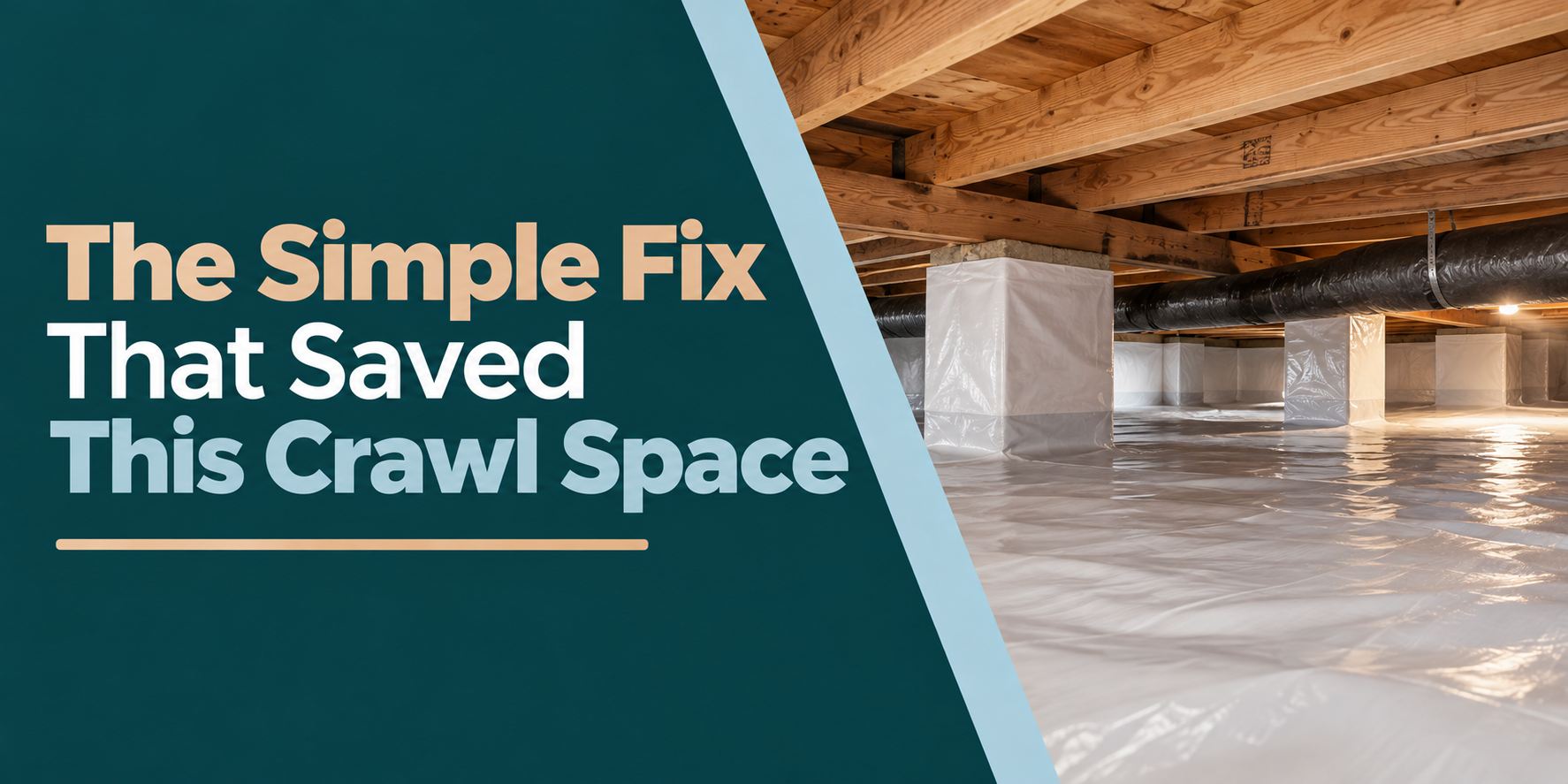
How to Know Your Crawl Space Is Actually Working After Encapsulation
Introduction
Don’t Guess If Your Crawl Space Is Fixed
SEE REAL-TIME HUMIDITY AND TEMPERATURE DATA
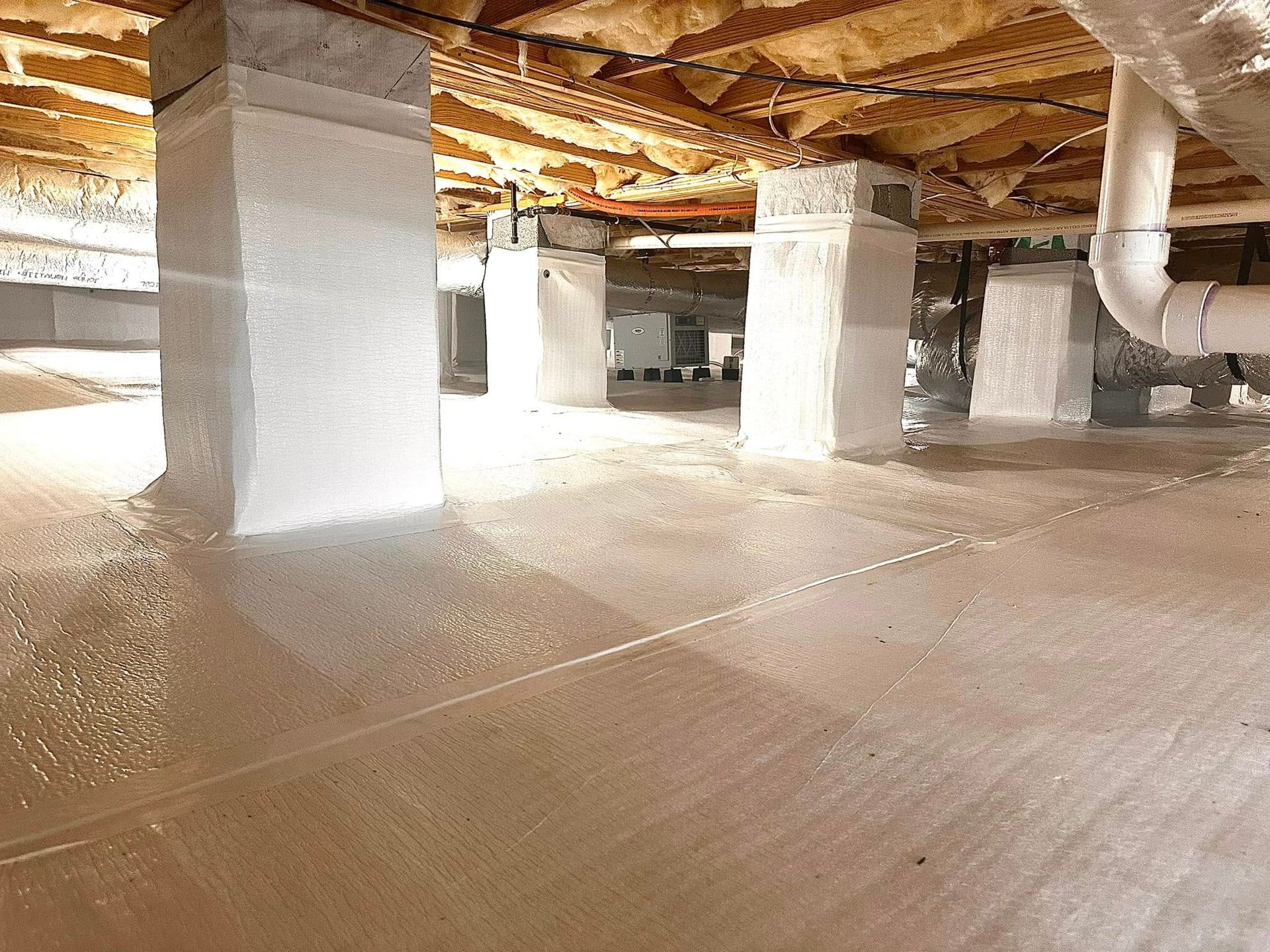
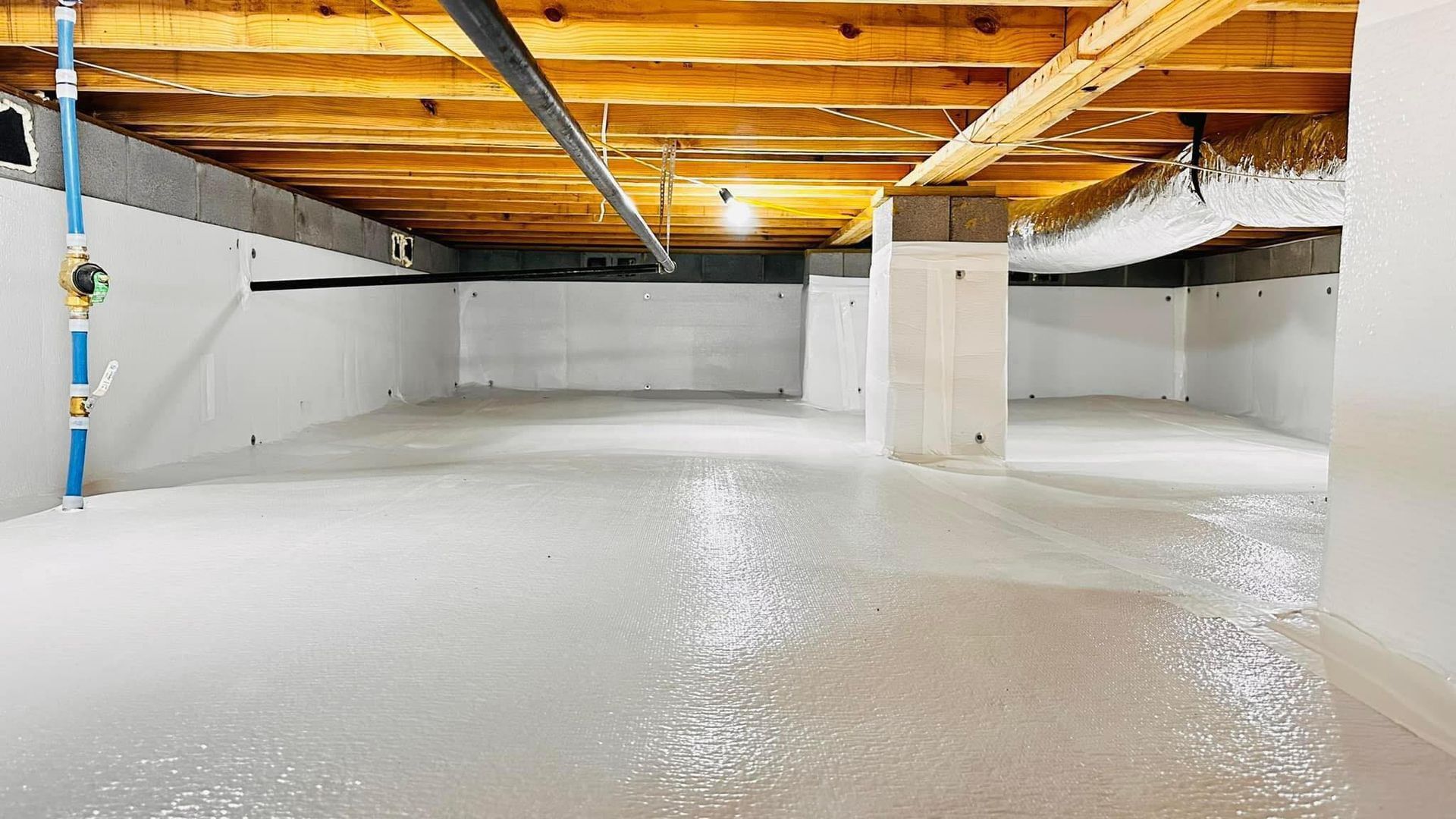
You just spent money getting your crawl space encapsulated.
Maybe it was a few thousand dollars.
Maybe it was more.
Either way, it wasn't cheap.
So here's the question: how do you know it's actually working?
Most companies finish the job, collect their check, and you never hear from them again.
You're left hoping everything they did is doing what it's supposed to do.
But you don't really know. You're just trusting that the moisture problem is solved and everything under your house is good now.
That's not how we do it.
Every crawl space we finish gets a humidity and temperature monitor installed before we leave.
You get a sensor that stays in the crawl space and a monitor that stays up in your house.
Real-time data. No guessing.
You paid to fix the problem. You should be able to see that it's fixed.
The Journey to Florida
When I started Crawl Logic in Nashville, the goal was simple - do good work and treat people right. That approach took us from one crew to three. From Nashville to Chattanooga. And now, to the Florida Panhandle.
This expansion didn't happen because we were chasing growth. It happened because people in Florida were asking for what we do. Homeowners who'd heard about our work, who wanted that same level of service and documentation. When enough people ask for help, you find a way to provide it.
The interesting thing about crawl space work is that problems don't respect state lines. Moisture issues, structural concerns, poor ventilation - these problems exist in Florida just like they do in Tennessee. What matters is having someone who knows how to identify them accurately and fix them right. That's what we've built our business on, and that's what we're bringing to Pensacola.
What We Install in Every Finished Crawl Space
This isn't complicated. It's a two-part system that takes about five minutes to set up.
First, we've got a sensor that mounts on the wall in your crawl space. It reads humidity and temperature constantly. That sensor sends data to a monitor that stays up in your house - usually somewhere you walk by every day, like the kitchen or hallway.
You can check it whenever you want. Morning. Night. Middle of the day. Doesn't matter. You'll see exactly what the humidity level is under your house at that moment.
No app to download. No Wi-Fi needed. No subscription fees. Just a simple monitor that shows you what's happening in real time.
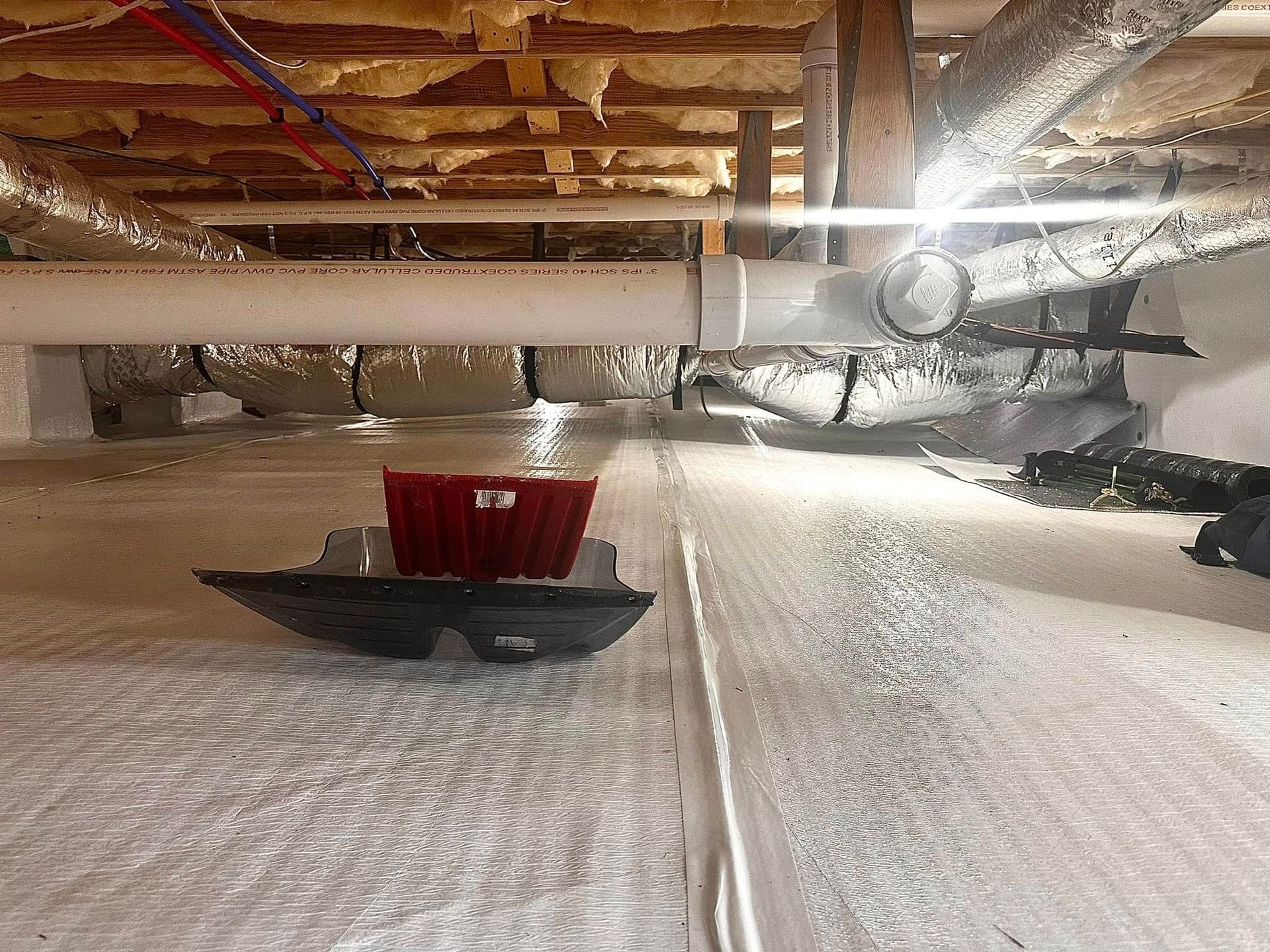
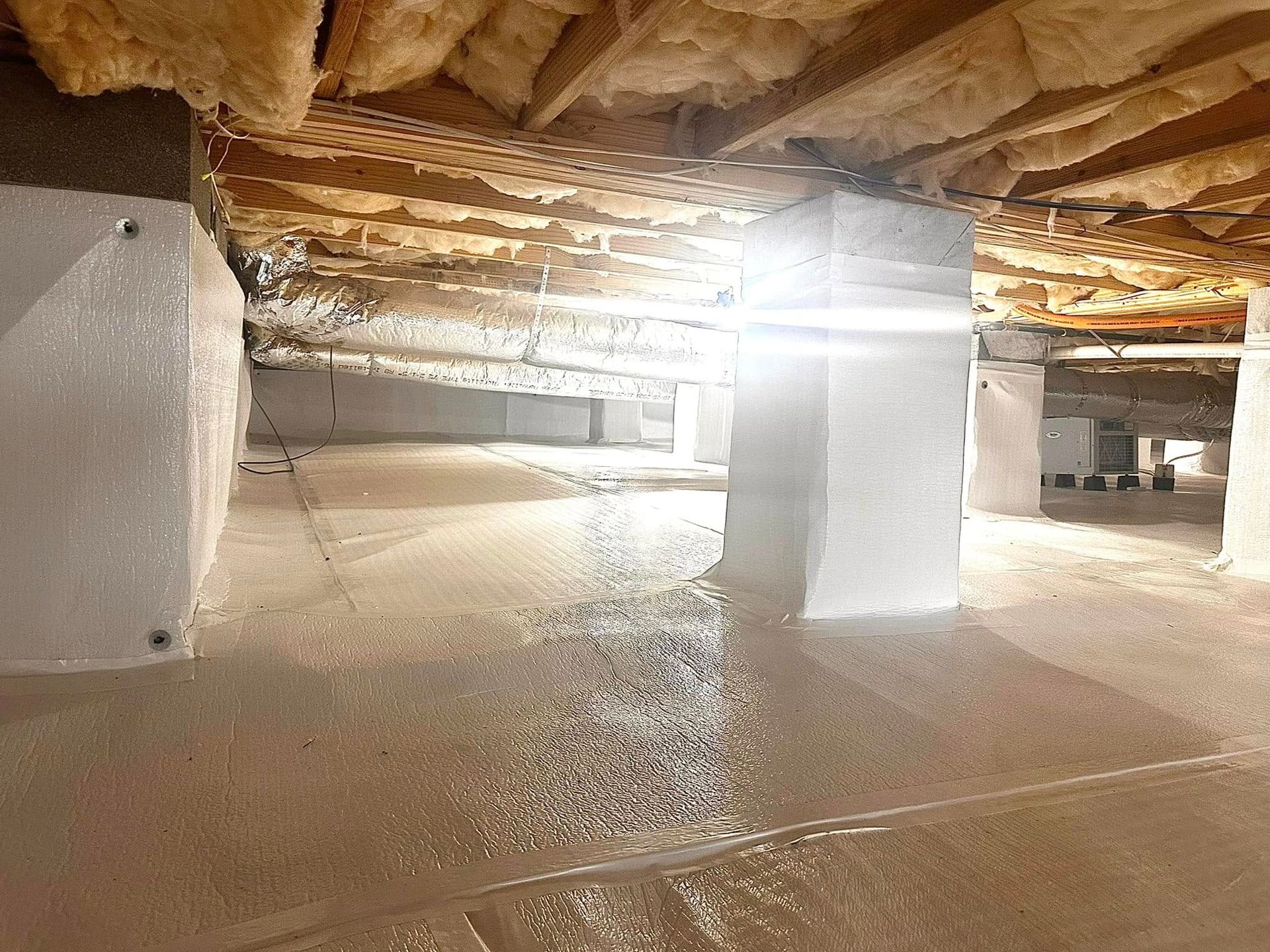
I was just out in Hixson installing one of these in a crawl space we finished. Had to crawl way back under a deck to get to the door - forgot my knee pads, so that was fun - but once I got in there, it took a few minutes to hang the sensor and sync it with the monitor.
When I checked it, we were sitting at 42% humidity. Right where we want it.
That homeowner now has proof that the work we did is doing its job. And if something changes down the road, they'll know about it immediately.
Why Monitoring Actually Matters
Look, I get it. You might be thinking, "Why do I need to watch my crawl space humidity? You just fixed it."
Here's the thing: you invested real money into solving a problem. Whether it was moisture, mold, musty smells, or structural issues - you paid to get it fixed. And now you deserve to know it's actually working.
Peace of mind isn't extra. It's part of the deal.
But it's more than just feeling good about the money you spent. These monitors catch problems early. If your dehumidifier stops working, you'll see the humidity start climbing. If something changes with your crawl space - maybe a vent gets opened by accident or a pipe starts leaking - you'll know about it before it turns into a bigger issue.
That's the difference between a small fix and thousands of dollars in repairs later.
We're not asking you to become a crawl space expert. We're just giving you the tools to see what's going on under your house. And if the numbers ever look off, you can call us and we'll come check it out.
The Humidity Sweet Spot: Not Too Wet, Not Too Dry
So what are we actually looking for with these monitors? What's the right number?
We aim to keep crawl space humidity in the 40s. Usually somewhere between 40% and 50%. That's the sweet spot.
If humidity gets too high - say, up into the 60s or 70s - you're creating an environment where mold and mildew love to grow. That's exactly what you paid to get rid of. High humidity also means moisture is getting into your wood, your insulation, everything under there.
But here's what most people don't realize: you can also go too low.
If your crawl space gets down into the 20s or low 30s for humidity, you're drying everything out too much. And that causes its own set of problems.
Wood needs some moisture. Not a lot, but some. When you suck all the moisture out of your floor joists and beams, that wood becomes brittle. It loses its flexibility. It can crack and split.
So we're looking for balance. Not too wet. Not too dry. Right in the middle where everything stays healthy and stable.
That crawl space in Hixson I was just in? 42% humidity. Perfect. Right where it should be.
What Happens When Your Crawl Space Gets Too Dry
Let me explain why too dry is actually a problem, because this surprises people.
Everyone who calls us is worried about moisture. They've got water intrusion, damp insulation, mold growing on their floor joists. So naturally, they want it dried out. Makes sense.
But if your dehumidifier runs constantly and pulls every bit of moisture out of the air, you're creating a different issue.
Wood is supposed to have some moisture content. It's natural. It keeps the wood flexible and strong. When you completely dry it out - I'm talking humidity levels in the 20s for long periods of time - that wood starts to change.
It gets brittle. It loses its ability to expand and contract naturally with temperature changes. You can end up with cracks and splits in your floor joists. In extreme cases, you're actually weakening the structure.
So yeah, we want to control moisture. But we don't want to eliminate it entirely. There's a difference.
That's why we set our dehumidifiers to maintain humidity in the 40s, not to run 24/7 trying to hit zero. And that's why the monitor matters - so you can see that your crawl space is staying in that healthy range, not swinging too far in either direction.
What to Watch For With Your Monitor
Let me give you some simple guidelines for what to look for.
If your humidity is staying between 40% and 50%, you're good. That's exactly where we want it. Nothing to worry about.
If it climbs above 60%, give us a call. Something might need attention. Could be the dehumidifier, could be a new moisture source, but either way we should take a look.
If it drops below 35% and stays there, also give us a call. We might need to dial back the dehumidifier a bit so it's not running too hard.
Temperature-wise, your crawl space is going to fluctuate with the seasons. That's normal. We're mostly watching humidity, but the temperature reading can tell us other things about how the space is performing.
And look, you don't need to stare at this thing every day. Check it once a week if you want. Once a month. Whenever you think about it. The point is just that you can.
And if the numbers ever look weird to you, reach out. We're here.

Schedule Your Free Crawl Space Inspection
If you're dealing with moisture problems, musty smells, or you just want to know what's going on under your house, we'll come take a look for free.
We serve Chattanooga and all the surrounding areas. No pressure. No games. Just an honest assessment of what you're dealing with and what it would take to fix it.
And if you decide to move forward with encapsulation, you get one of these monitoring systems included. You'll know your crawl space is working the way it should.
Reach out. Let's get you some answers and some peace of mind.