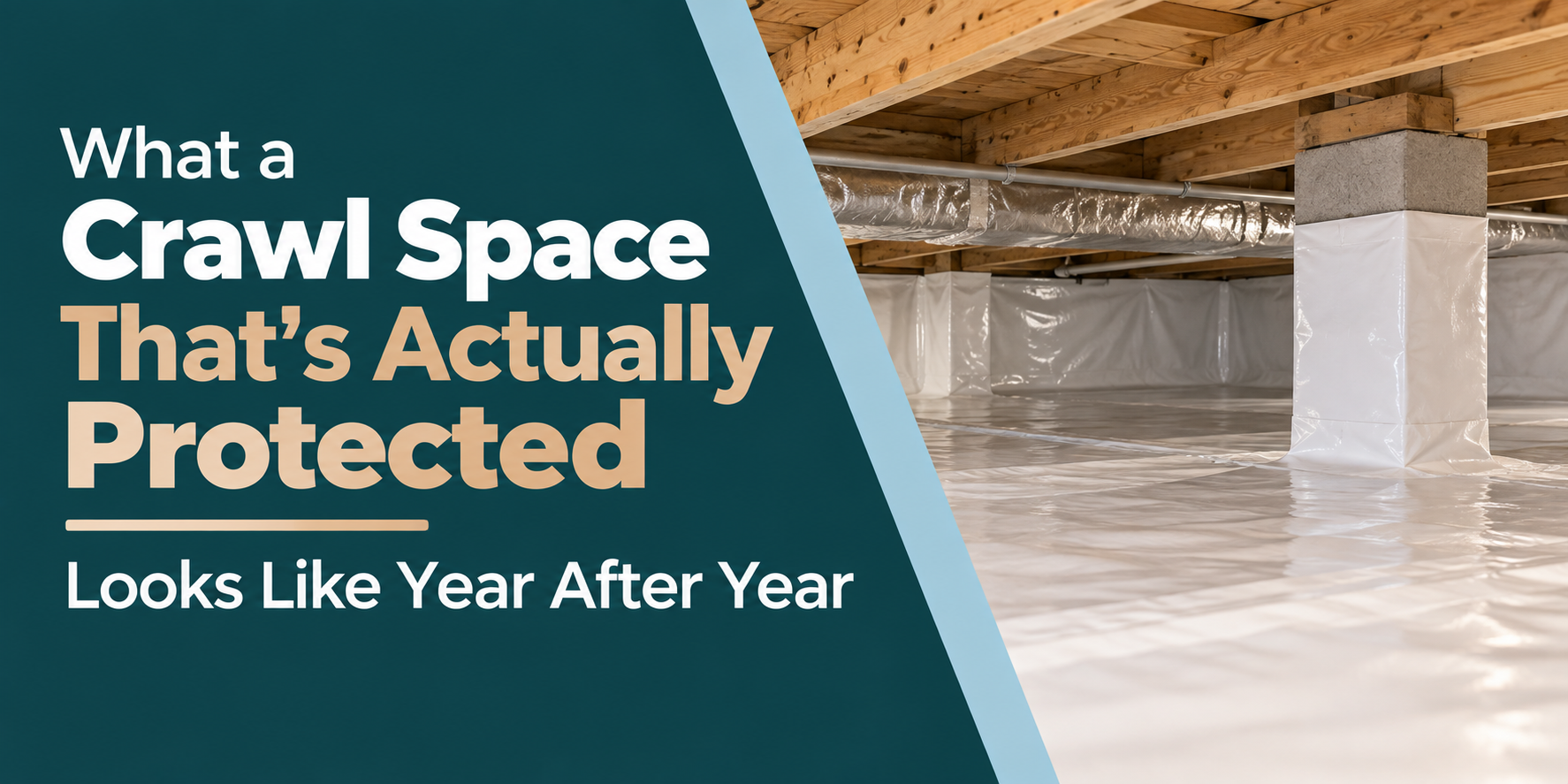
More Than Crawl Spaces: How We Help Nashville Homes Stay Warm
Introduction
Keep Your Home Warm This Winter
CRAWL SPACES AND ATTICS WORKING TOGETHER
Yesterday I walked into a house where the homeowner had space heaters running in every single room.
They were frustrated, their electric bill was through the roof, and they couldn't figure out why their heating system wasn't keeping up.
Five minutes in the crawl space and attic told me everything I needed to know.
Three inches of insulation in the attic when they needed at least twelve.
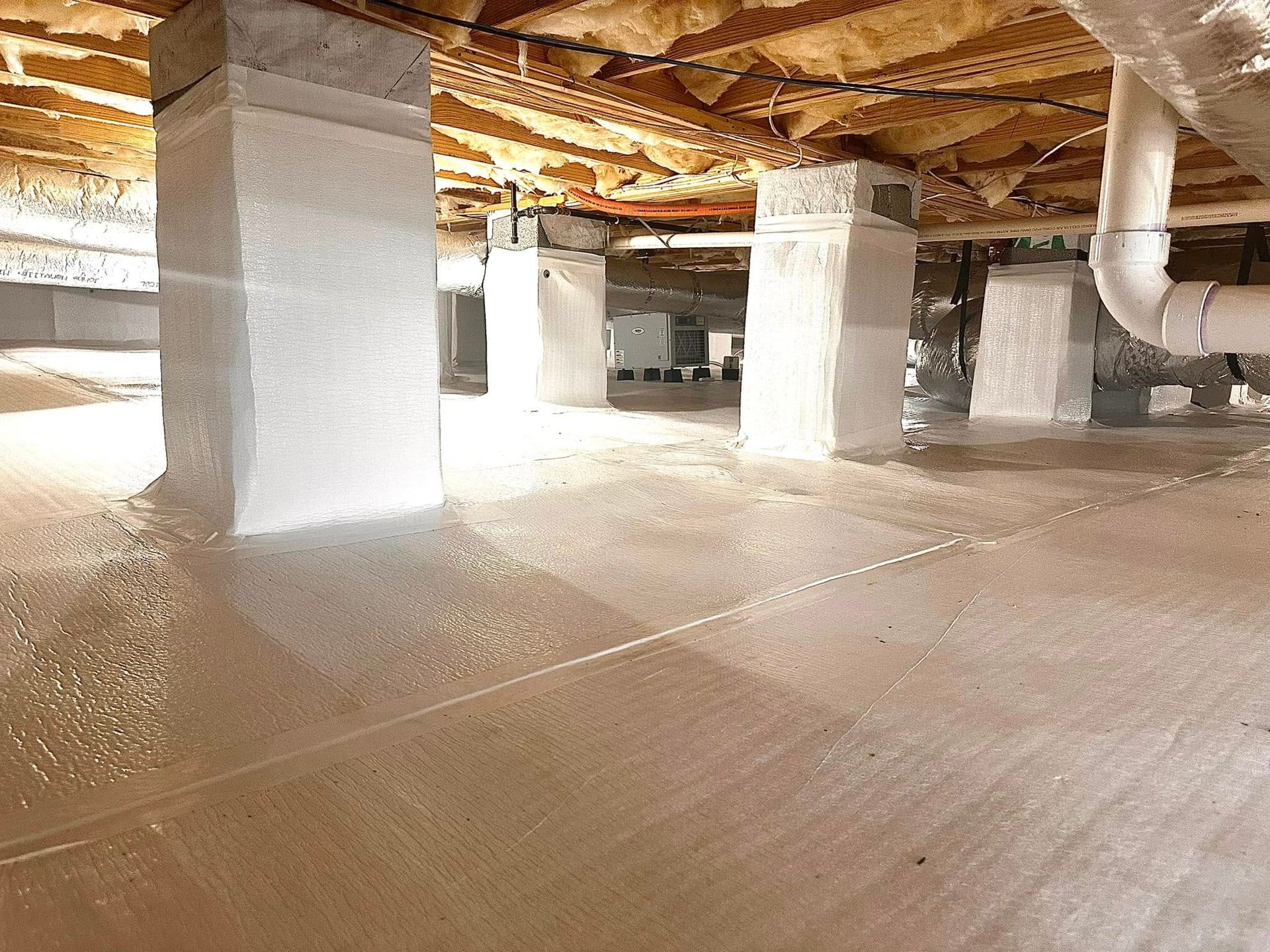
A wide open crawl space letting cold air flow right up through the floors.
Their heating system was working fine - the house just couldn't hold the heat it was making.
Here's what a lot of people don't realize: we do more than crawl spaces.
And sometimes, fixing your cold house means looking up, not just down.
The Service You Didn't Know We Offered
Most customers know us for crawl space work, and that makes sense - it's our name. But my background in pest control taught me a lot about attics too. When you spend years dealing with rodent problems, you learn everything about how homes are built and where the weak points are.
That's why we expanded into attic services. We do insulation installation and upgrades. We seal air leaks. We rodent-proof attics just like we do with crawl spaces. We even do spray foam applications. And during winter inspections, checking your attic is part of our standard process if you want us to.
The thing is, your crawl space and attic work together to keep your house comfortable. Fixing one without checking the other is like changing two tires on a car when all four are worn out. You might see some improvement, but you're not solving the whole problem.
Understanding Heat Loss in Your Home
Think of your house like a box. Heat naturally wants to escape from the top and the bottom. That's just physics. In your attic, heat rises and tries to get out through the roof. In your crawl space, cold air comes in through the bottom and rises up through your floors.
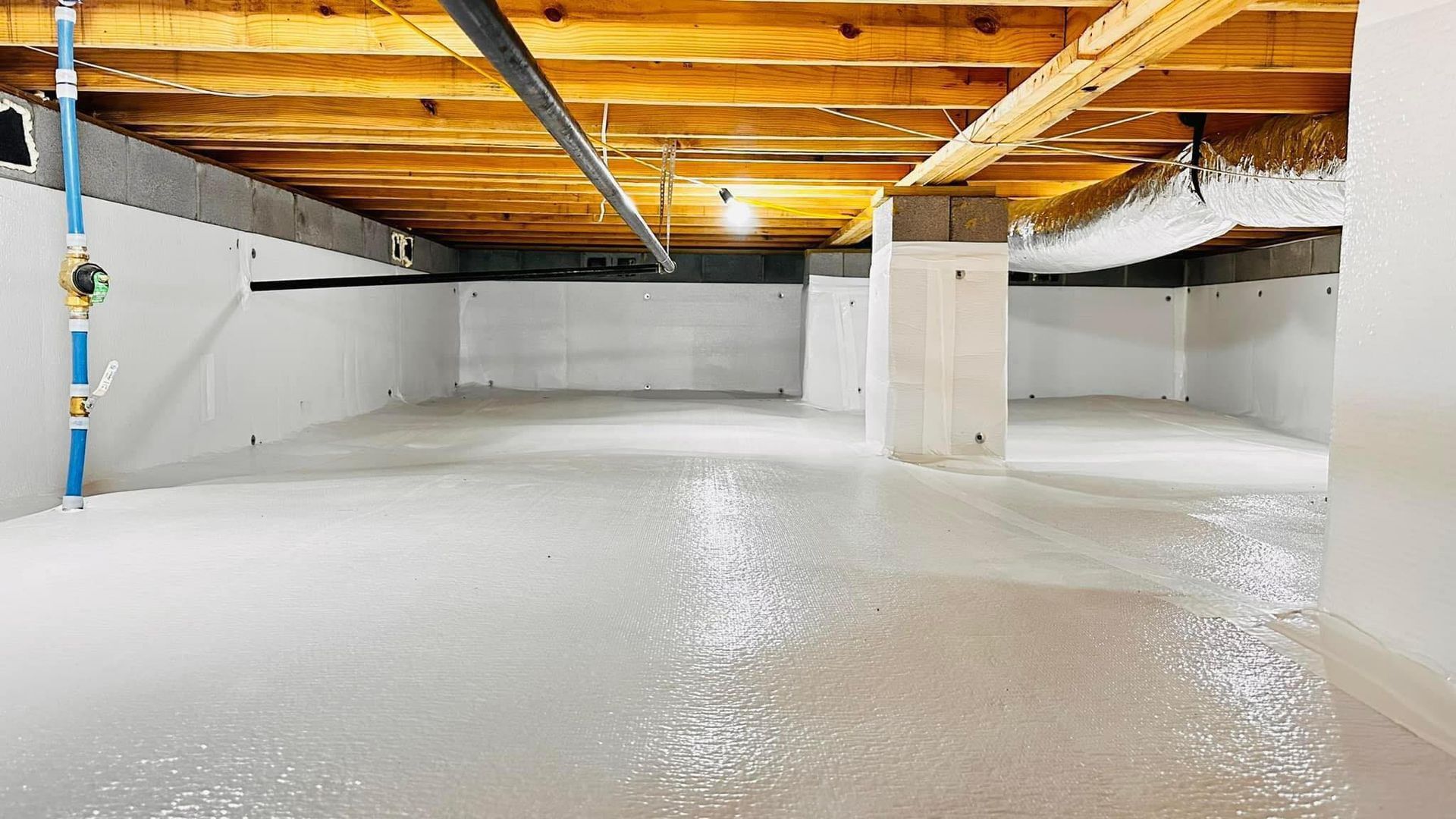
When your crawl space isn't sealed properly, you're constantly fighting cold air coming up from below. When your attic doesn't have enough insulation, all that warm air you're paying to heat just escapes right through the roof. Your heating system runs constantly trying to keep up, but it's fighting a losing battle.
That's why we look at both areas. Because if you seal your crawl space but your attic is letting heat escape, you're still going to have problems. And if you add attic insulation but cold air keeps coming up through your floors, you're only fixing half the issue.
Our Attic Services Explained
When we work on attics, we're looking at several things. First is insulation - most older homes in Nashville don't have nearly enough. We can blow in new insulation to get you up to the right levels for our climate.
Air sealing is just as important as insulation. All those little gaps and cracks where air leaks out add up fast. We seal those before adding insulation because there's no point insulating if air is still flowing through.
Rodent proofing matters too. Rats and squirrels love attics, and they can destroy insulation fast. My pest control background means I know exactly where they get in and how to keep them out. We seal entry points and make sure your attic stays protected.
For some situations, spray foam is the best answer. It insulates and air seals at the same time, and it's especially good for problem areas where traditional insulation won't work.
The Inspection Process
During winter months, our inspection process includes checking your attic if you want us to. We're already coming out to look at your crawl space, so it makes sense to get the full picture of what's happening with your home's insulation.
In the attic, we're checking how much insulation you have and what condition it's in. We're looking for air leaks, especially around things like recessed lights and attic hatches. We're checking for signs of rodent activity. And we're looking at ventilation to make sure everything is working the way it should.
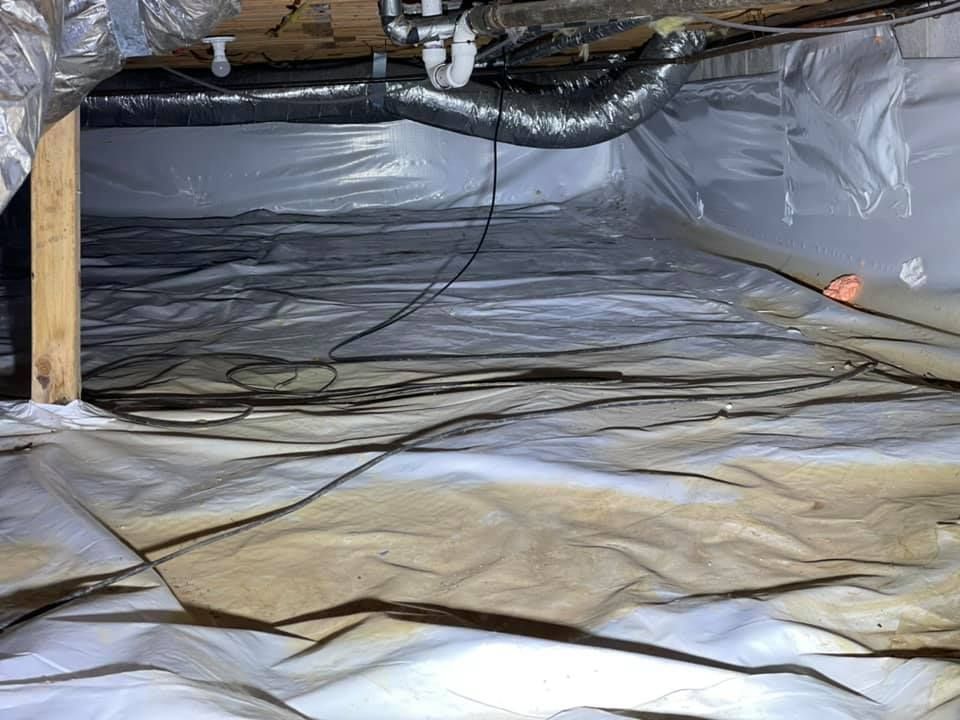
Down in the crawl space, we're doing our usual thorough inspection - looking for moisture issues, checking your foundation, documenting everything with photos and video. But now we can connect what we're seeing in both places to give you a complete picture of why your house might be cold.
Real Results: The Three-Inch Problem
The house I mentioned at the start is a perfect example of how these issues work together. The homeowners called us about their crawl space because their floors were freezing. But when I got there and saw space heaters in every room, I knew we needed to look at the whole picture.
Sure enough - three inches of insulation in the attic. For Nashville winters, you need at least twelve. And their crawl space was wide open, letting cold air flow right up through the house. No wonder they couldn't stay warm.
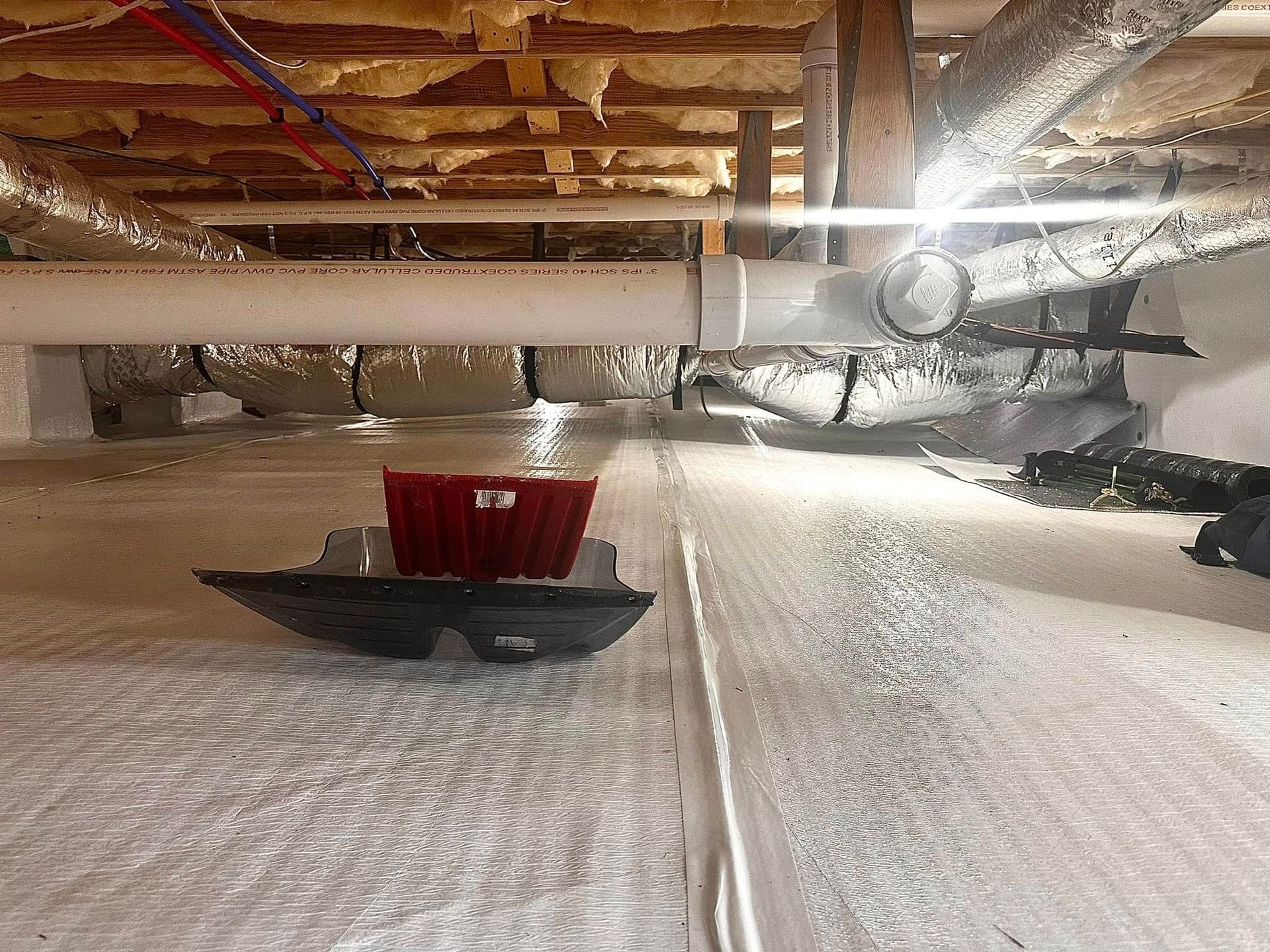
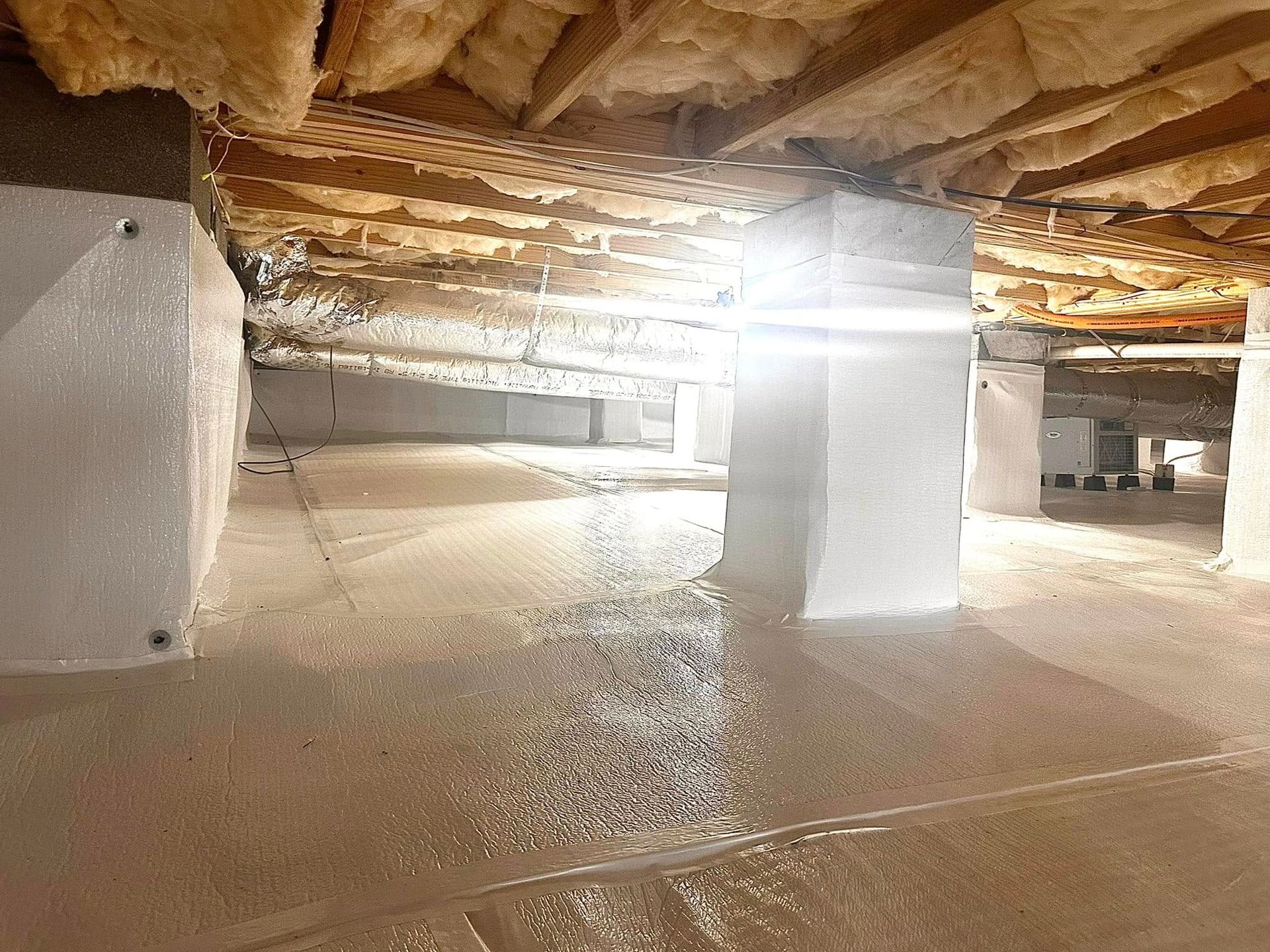
Here's what we're doing for them: sealing the crawl space to stop that cold air from coming in, and blowing in new insulation to bring their attic up to proper levels. The difference this will make to their comfort level and electric bill is going to be huge. Instead of fighting a losing battle with space heaters, their actual heating system will finally be able to do its job.
Signs Your Home Needs Help
How do you know if you're dealing with the same issues? Here are the most common signs we see:
You're running space heaters constantly, even with your heat on. Some rooms are always colder than others, no matter what you do. Your energy bills spike every winter, and you can't figure out why. Your floors feel ice cold, especially in the morning. The house just feels drafty, even when all the windows are closed.
If any of these sound familiar, chances are you're dealing with insulation issues in your crawl space, your attic, or both.
Why the Whole-Home Approach Works
I've seen plenty of situations where someone fixed their crawl space and still had cold house problems. Or they added attic insulation but their floors stayed freezing. That's because these two areas work as a system.
Seal your crawl space, and you stop cold air from coming in the bottom. Add proper attic insulation, and you stop heat from escaping out the top. Do both, and suddenly your house can actually hold the heat your system is making. Your heating system runs less, your bills go down, and you're actually comfortable in your own home.
The return on investment is real too. Better insulation means lower energy bills month after month, year after year. And a comfortable home is worth a lot more than one where you need space heaters just to feel warm.

Ready for a Warmer Home?
If your house is cold this winter, let's figure out why. We'll inspect both your crawl space and attic at no charge, show you exactly what's happening, and give you an honest assessment of what needs to be done.
No pressure, no sales games. Just clear documentation of what we find and straightforward solutions that actually work.
Give me a call or text to schedule your free inspection. We'll get you scheduled, take a look at your whole house, and help you figure out the best way to stay warm this winter.