Rodent-Proofing Your Crawl Space: Why It Should Be Standard, Not Extra
Introduction
Winter Means Mice Are Looking for Warmth
DON'T LET YOUR ENCAPSULATION BECOME A MOUSE HOTEL
December brings cold weather to Nashville, and cold weather brings mice into crawl spaces.
It's something I see on almost every inspection this time of year.
But here's what most homeowners don't know: getting your crawl space encapsulated without rodent-proofing is like building a nice warm apartment complex for mice.
I'm not just talking about this as a contractor.
Anyone who knows me personally knows I love to cook - right now I've got a great recipe going in my Dutch oven.
But the reason I'm thinking about mice today is because I just finished another inspection where a homeowner paid good money for encapsulation, and now they've got a mouse problem that's going to cost them even more to fix.
Why Mice Love Crawl Spaces (Especially Encapsulated Ones)
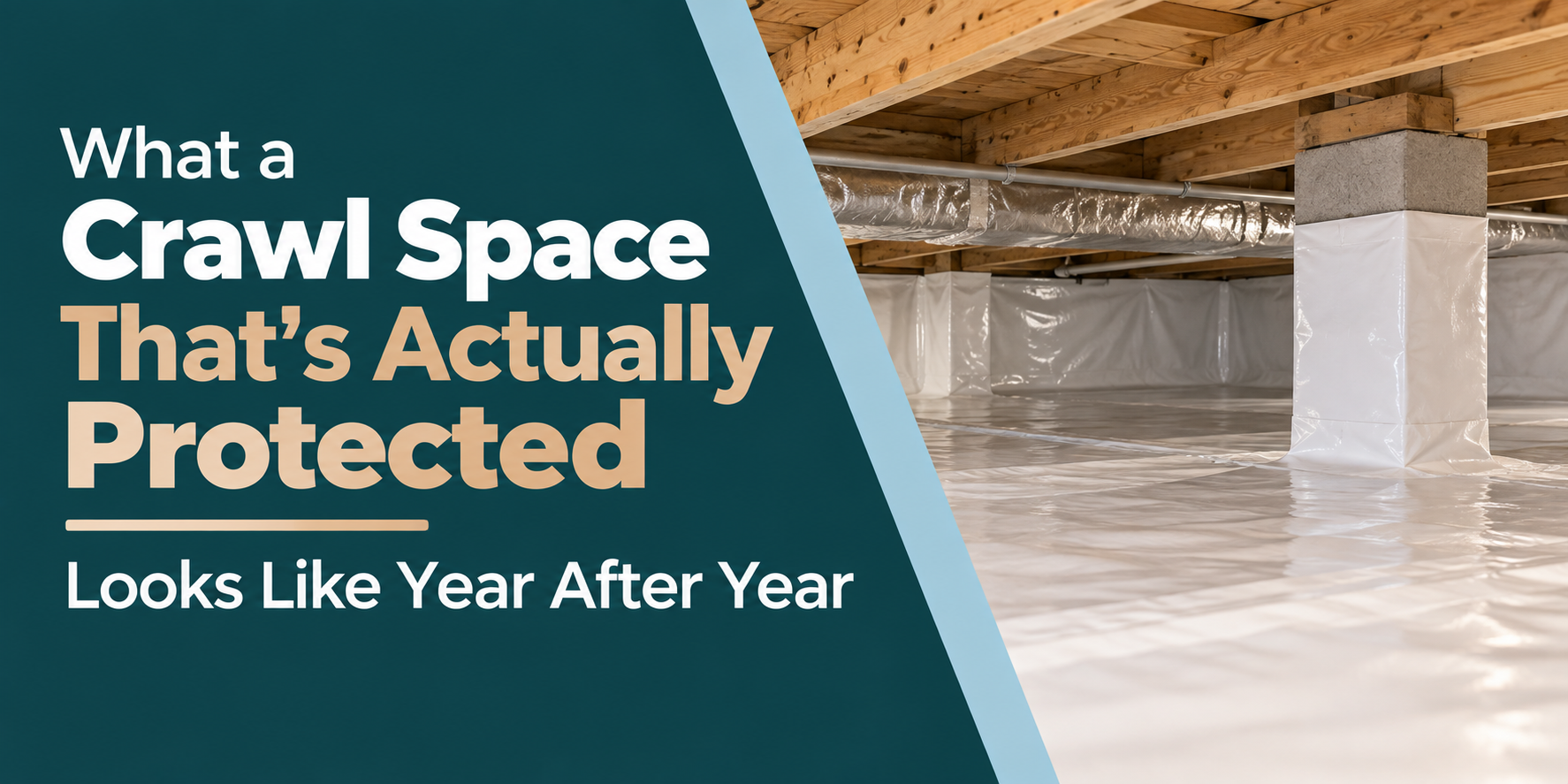
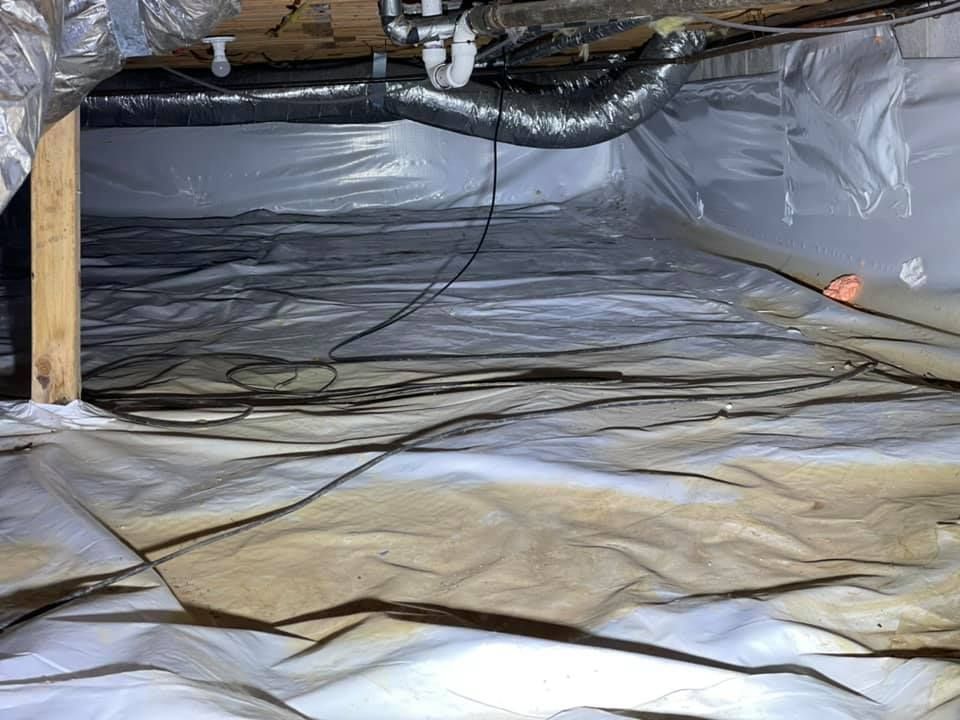
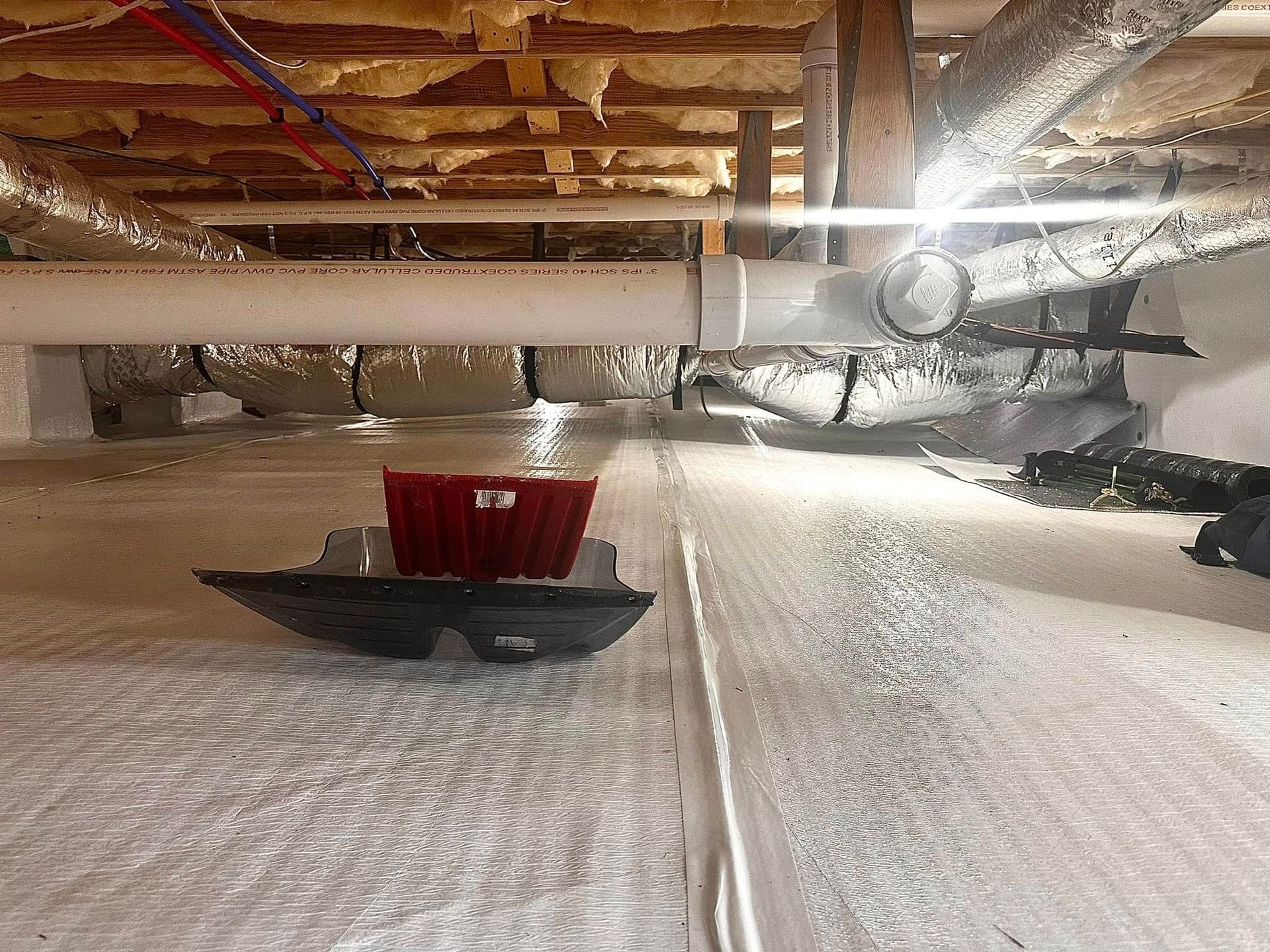
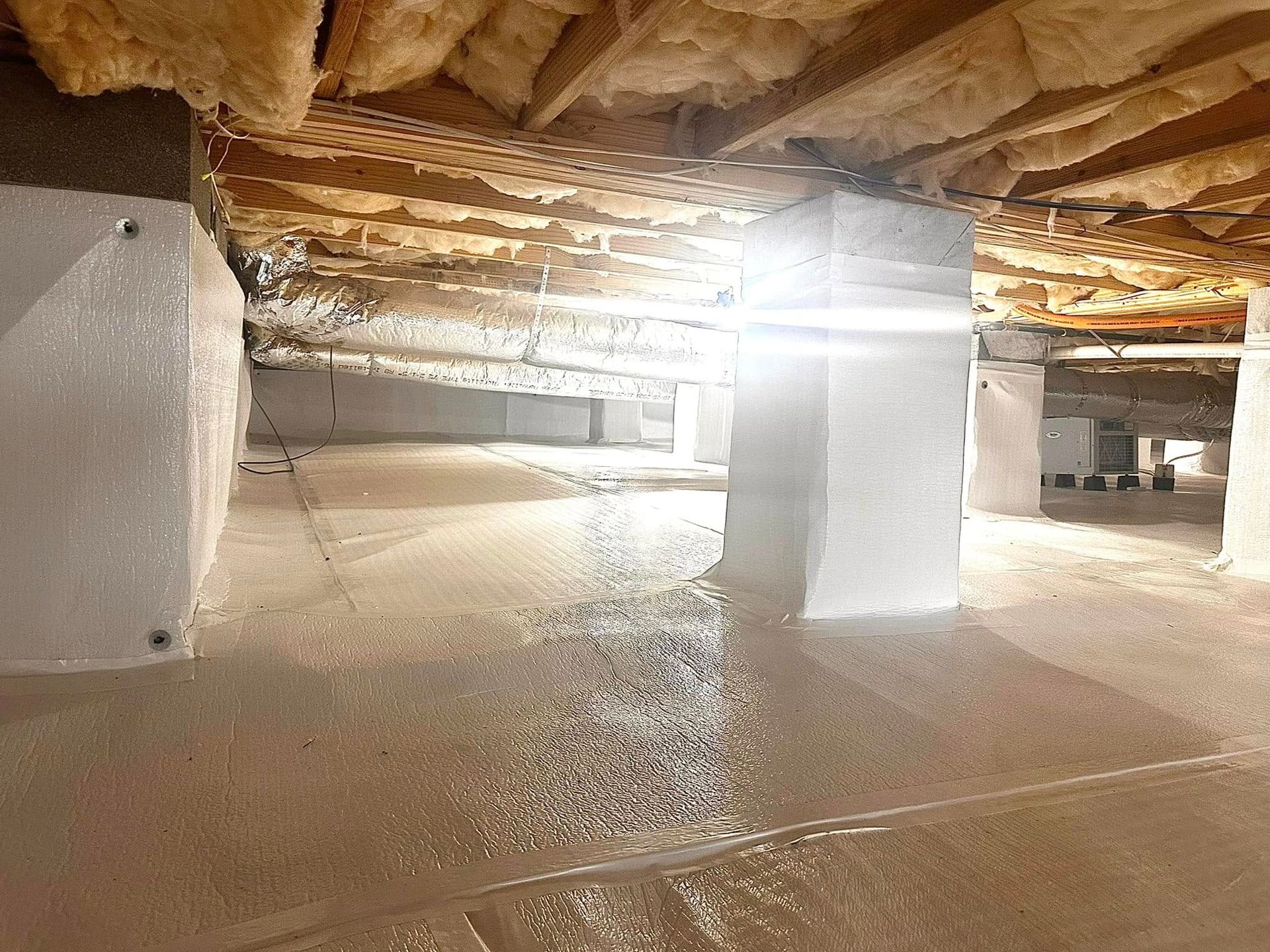
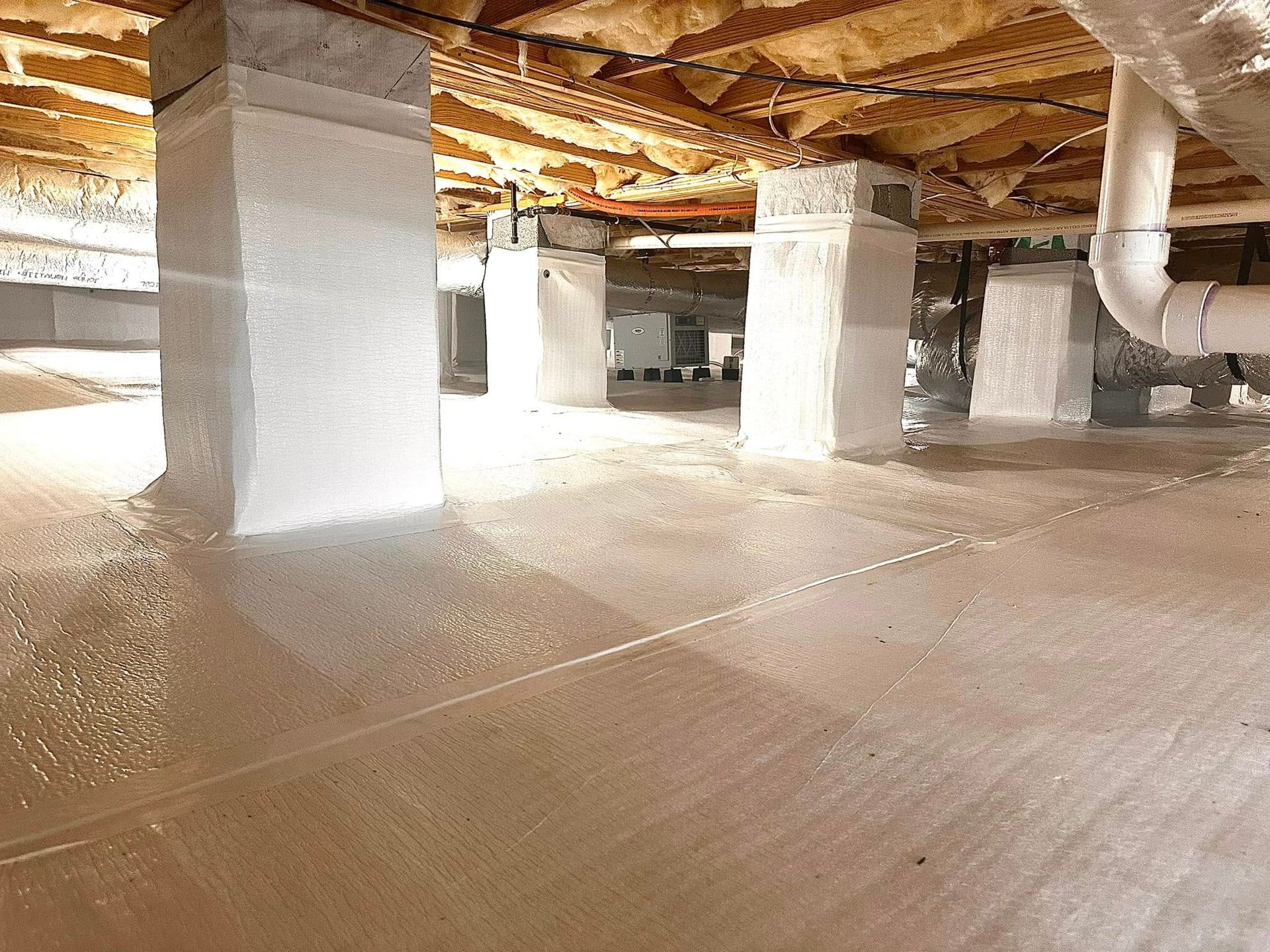
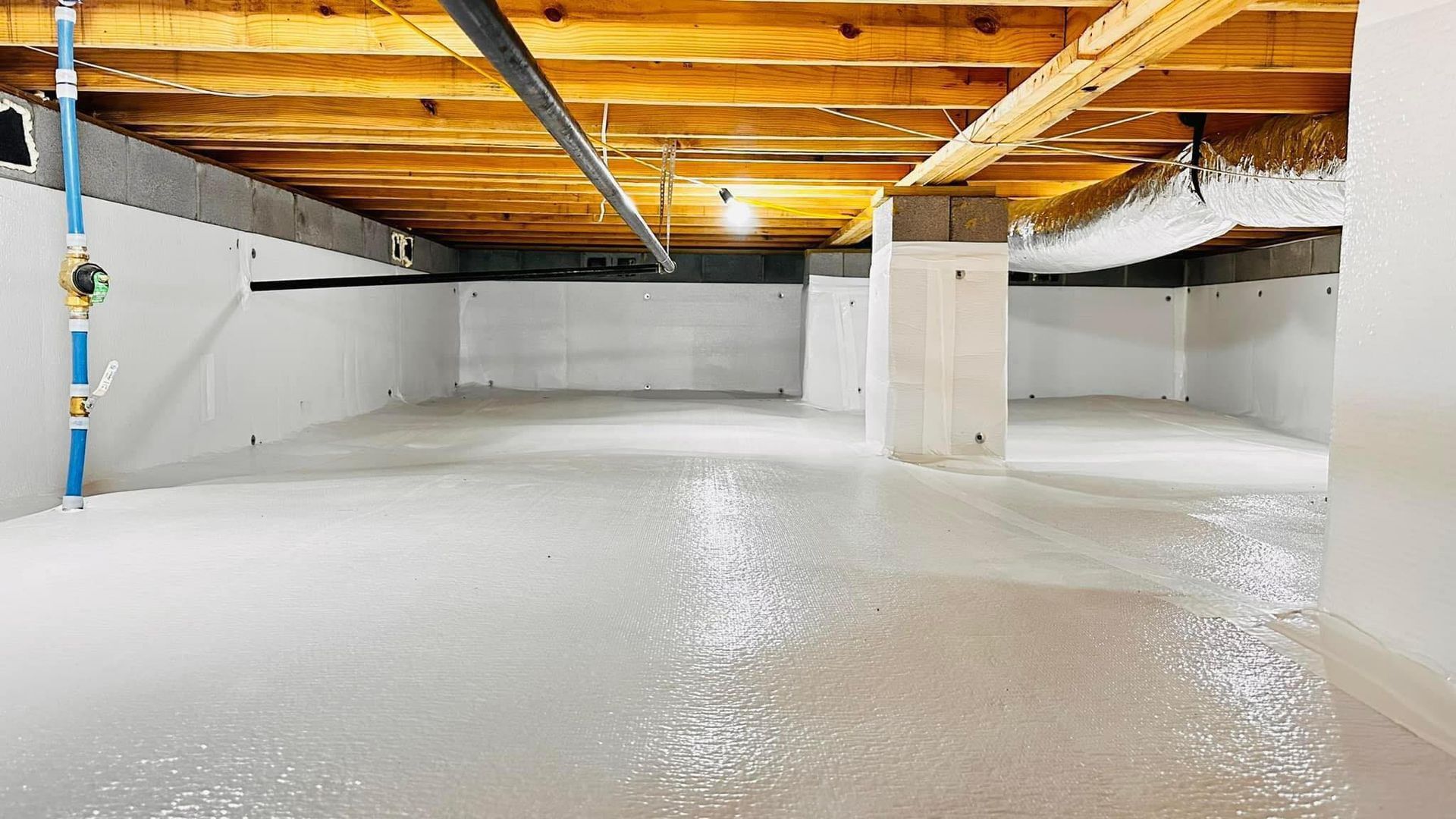
When the temperature drops, mice and rats start looking for warm places to nest. Your crawl space is already appealing to them, but an encapsulated crawl space? That's the difference between a tent and a heated house.
Think about it - encapsulation creates a clean, dry, temperature-controlled environment. That's exactly what we're selling to homeowners as a benefit. But it's also exactly what mice are looking for. The plastic vapor barrier gives them a clean surface. The insulation provides nesting material. The controlled environment means they're comfortable year-round.
Once they get in, they multiply fast. Mice can have babies every three weeks, and those babies can start having their own babies in just six weeks. One or two mice in November can become a serious infestation by spring. And the whole time, they're chewing through materials, leaving droppings everywhere, and making your investment a health hazard instead of a home improvement.
The Real Cost of Skipping Rodent-Proofing
Let me be straight with you about what happens when mice move into an encapsulated crawl space. They don't just live there quietly - they destroy things. They chew through vapor barriers, insulation, and even electrical wiring. Every surface they touch gets contaminated with droppings and urine.
The health risks are real too. Mouse droppings can carry diseases that affect your family's air quality. Remember, air from your crawl space circulates into your home. What's down there doesn't stay down there.
And here's the part that really bothers me as someone who does maintenance work: when it's time for your yearly inspection, I have to crawl through all that mess. More importantly, so does anyone else who needs to access your crawl space for repairs or maintenance. It turns what should be a clean, professional work environment into something nobody wants to deal with.
Why Most Companies Don't Offer This
Here's the truth about the crawl space industry in Nashville: I'm the only contractor who includes rodent-proofing as standard practice. Everyone else either doesn't offer it at all, or they charge extra for it.
Why? Because most companies are focused on closing the sale and moving to the next job. They're not thinking about what happens six months or a year down the road. Their salespeople work on commission, so adding steps that don't increase the price doesn't help their paycheck.
The big corporate companies especially treat encapsulation and pest control as completely separate issues. They'll happily sell you an encapsulation, and then when you call six months later with a mouse problem, they'll either tell you that's not their responsibility or try to sell you an expensive add-on service.
Our Approach: Built-In, Not Sold Extra
I rodent-proof every crawl space I encapsulate. No extra charge, no upsell, just standard practice. And my reason is pretty simple: I don't want to crawl through mouse droppings when I come back for your yearly maintenance.
But it's more than just making my job easier. It's about doing the work right the first time. If I know mice are going to try to get into your crawl space - and they will - why wouldn't I prevent that problem while I'm already down there doing the work?
This is the difference between running a business based on commission targets and running a business based on taking care of people's homes.
When it's my name on the work, I want to know it's going to hold up over time. That means thinking about problems before they happen, not waiting to sell you a solution later.
What Rodent-Proofing Actually Involves
Rodent-proofing isn't complicated, but it does require attention to detail. We seal every potential entry point - vents, gaps around pipes, foundation cracks, anywhere a mouse could squeeze through. And mice can fit through incredibly small spaces, so this step needs to be thorough.
We use proper materials that mice can't chew through. The key is integrating this work with the encapsulation process, not treating it as an afterthought. When done right, you won't even notice the difference in appearance. But you'll definitely notice the difference in results.
The work happens during the encapsulation, not after. That's important because trying to rodent-proof after encapsulation is already complete means potentially compromising the vapor barrier we just installed. Doing it right means doing it as part of the initial process.
Questions to Ask Your Crawl Space Contractor
Before you hire anyone for encapsulation work, ask them directly: "Is rodent-proofing included as standard practice?" If they say it's an add-on or extra charge, ask yourself why. If they don't offer it at all, that should be a red flag.
Find out what materials they use and how they handle potential entry points. Ask about their maintenance policy too. Are they planning to come back and inspect their work, or is this a one-and-done situation? Because if they're not planning to crawl back under your house, they might not care as much about preventing problems.
The Long-Term Value
Rodent-proofing your crawl space upfront costs you nothing extra with us, but saves you hundreds or potentially thousands down the road. More importantly, it protects your family's health and your home's air quality.
When I do your yearly maintenance inspection, I want to show you a clean, well-maintained space - not a contaminated area that needs emergency cleanup. That's the difference between doing things right and doing the minimum to close a sale.
Your crawl space encapsulation is an investment in your home. Protecting that investment from rodent damage just makes sense.

Ready to Do It Right?
If you're thinking about crawl space encapsulation, let's talk. I'll give you a thorough inspection with full documentation, and I'll explain exactly what needs to be done - including rodent-proofing that comes standard, not extra.
Winter is when mice start looking for warm spaces. Don't wait until you have a problem to address it. Let's get your crawl space properly encapsulated and protected from the start.
Give me a call for a free inspection. We'll take care of it right the first time.