
The Hidden Problems With Big Company Crawl Space Work: What I Found in College Grove
Introduction
When "Already Done" Isn't Actually Done Right
A REAL INSPECTION IN COLLEGE GROVE, TENNESSEE
I got a call from a homeowner in College Grove last week.
Their crawl space had already been encapsulated by one of the big corporate companies.
Everything looked good on the surface - nice clean vapor barrier, new dehumidifier, the works.
But they were having problems.
Musty smell in the house.
Humidity readings that didn't make sense. Something wasn't right.
When I crawled down there to take a look, I understood why.
This is one of those situations that frustrates me about this industry.
A homeowner did everything right - hired a licensed company, paid good money for professional work - and still ended up with problems that are going to cost them again to fix.
Let me walk you through what I found and why it matters for anyone thinking about crawl space work.
What Should Have Been Done
Before we get into the problems, let's talk about how dehumidification actually works in a crawl space. It's not complicated, but it does require some basic understanding of air movement.
A dehumidifier pulls moisture out of the air. But it can only work on the air that reaches it. In a 2,500 square foot crawl space, you need to think about circulation. Where is the unit placed? Is the air moving throughout the entire space? Can it actually reach the far corners?
Here's the thing about proper installation - the dehumidifier needs to be level so condensation drains correctly. It needs space around it for air to circulate. And in larger spaces, you often need more than one unit, or at minimum, ductwork to move air around.
These aren't tricks of the trade or secret techniques. This is basic stuff that any properly trained installer should know. The equipment manufacturers actually provide guidelines for this. But knowing the guidelines and following them are two different things, especially when you're rushing through jobs to hit sales numbers.
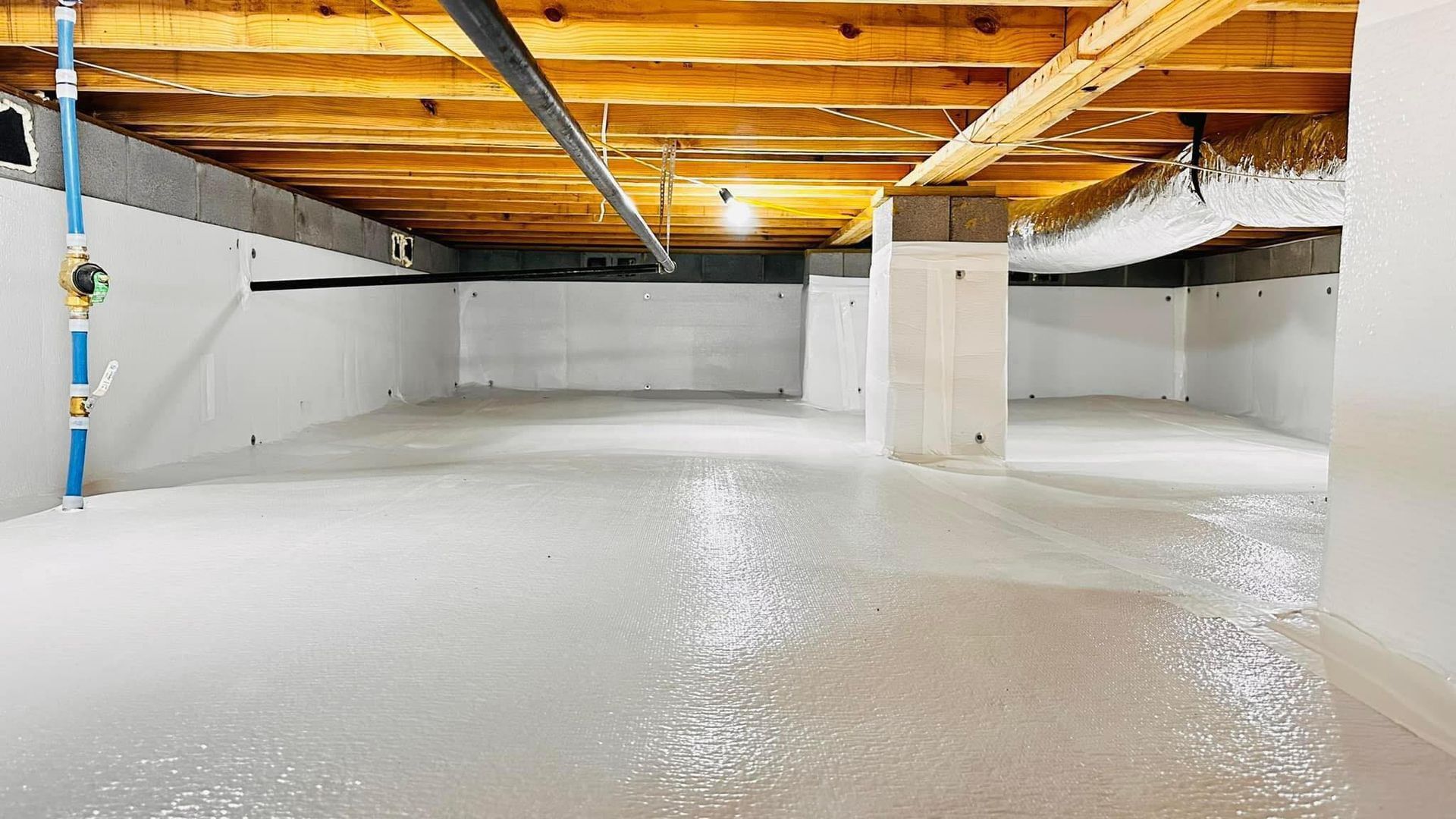
The Problems I Found
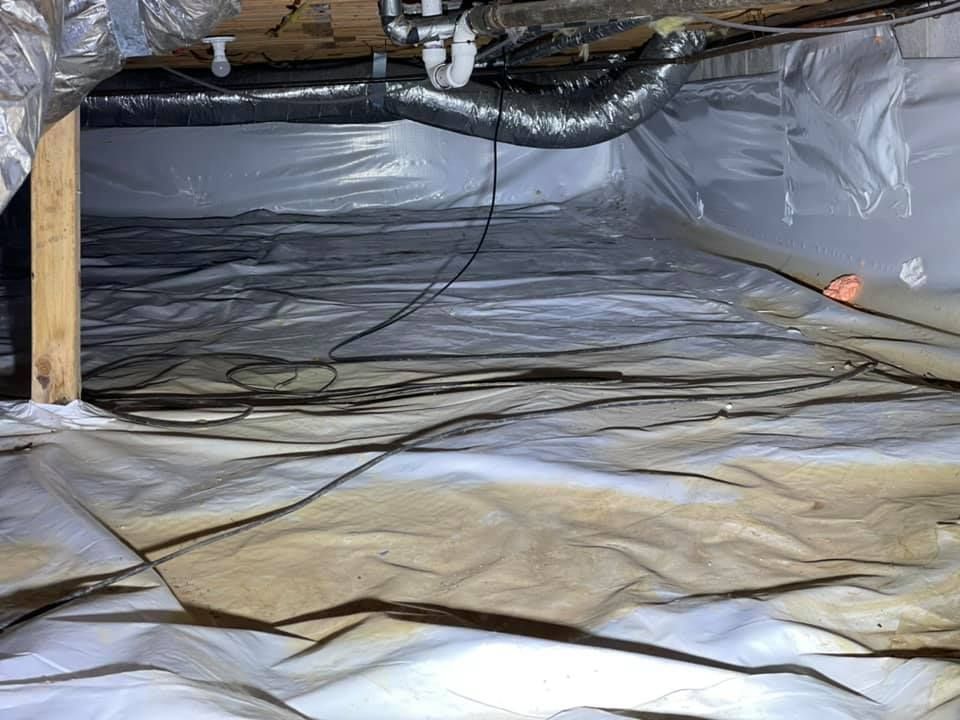
Walking into this crawl space, the first thing I noticed was the dehumidifier placement. One unit, sitting about eight feet from the entrance, pushed right up against the wall. In a space that's around 2,500 square feet, that single unit can't possibly dry the whole area.
But it gets worse. The dehumidifier wasn't installed level, so water was literally dripping out the side instead of draining properly. There was some ductwork attached to it, but not nearly enough to circulate air through 75% of the crawl space that the unit couldn't reach on its own.
The result? Fungus growing in the areas that weren't being dried. All that money spent on encapsulation, and the crawl space still has moisture problems because the dehumidification system wasn't set up correctly.
Why These Mistakes Happen
Here's what I've learned after 12 years in this business, including my time working for the big corporate companies: when you're a commission-based salesman with quotas to hit, the focus shifts from quality to quantity.
The installer who did this job probably had three more crawl spaces to finish that week. Get in, get the barrier down, drop the dehumidifier, and move on to the next one. No time to think about proper placement or whether one unit is enough. No follow-up inspection to make sure everything's working correctly.
And because these companies have such high turnover, the person who installed this might have only had a few weeks of training. They know how to install a dehumidifier, but they don't understand why placement matters or how to calculate coverage for different sized spaces.
The Real Cost to Homeowners
This homeowner in College Grove is now paying twice for work that should have been done right the first time. They trusted a big company with a recognizable name, spent thousands on encapsulation, and still ended up with moisture problems.
Beyond the financial cost, there's the health concern. Fungus growing in your crawl space affects the air quality in your home. That musty smell they noticed? That's not just unpleasant - it's a sign of a real problem that could impact their family's health.
And then there's the trust issue. After an experience like this, how do you know who to believe the next time? How do you know if the work being proposed is actually necessary or if it's just another company trying to make a quick sale?
How to Spot Poor Installation
If you've already had crawl space work done, here are some things to look for. Is your dehumidifier sitting right next to the entrance or against a wall? That's usually a sign of convenience placement rather than proper planning. Is it level, or can you see water pooling or dripping where it shouldn't?
During the sales process, ask specific questions. How many dehumidifiers does your space need? Where will they be placed and why? Will there be ductwork to help circulate air? A good contractor should be able to explain their plan clearly.
And here's a big one - ask about documentation. Will they provide before and after photos? Video of the installation? If a company rushes through this part or acts like it's not necessary, that's a red flag.
What We're Doing to Fix It
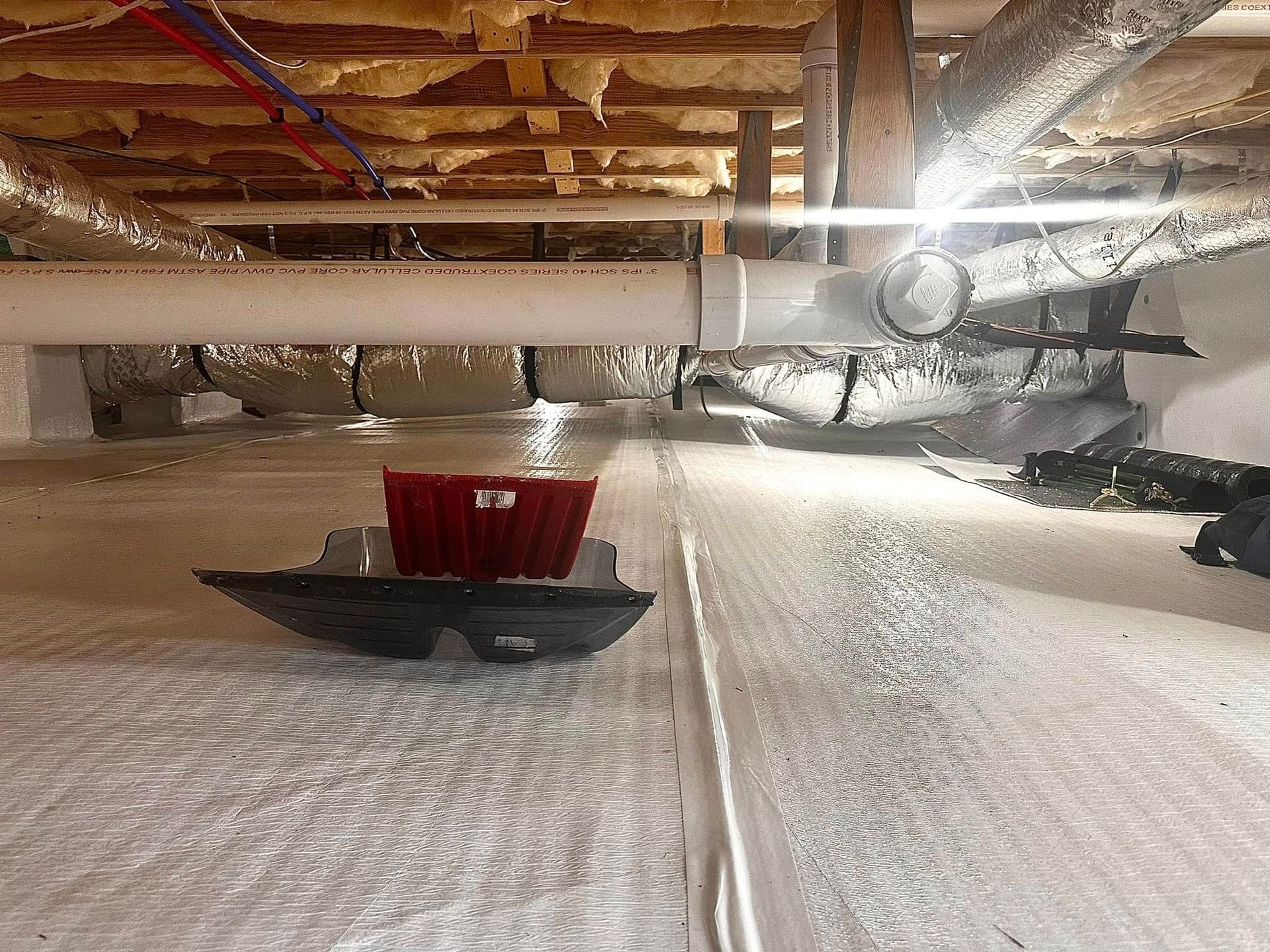
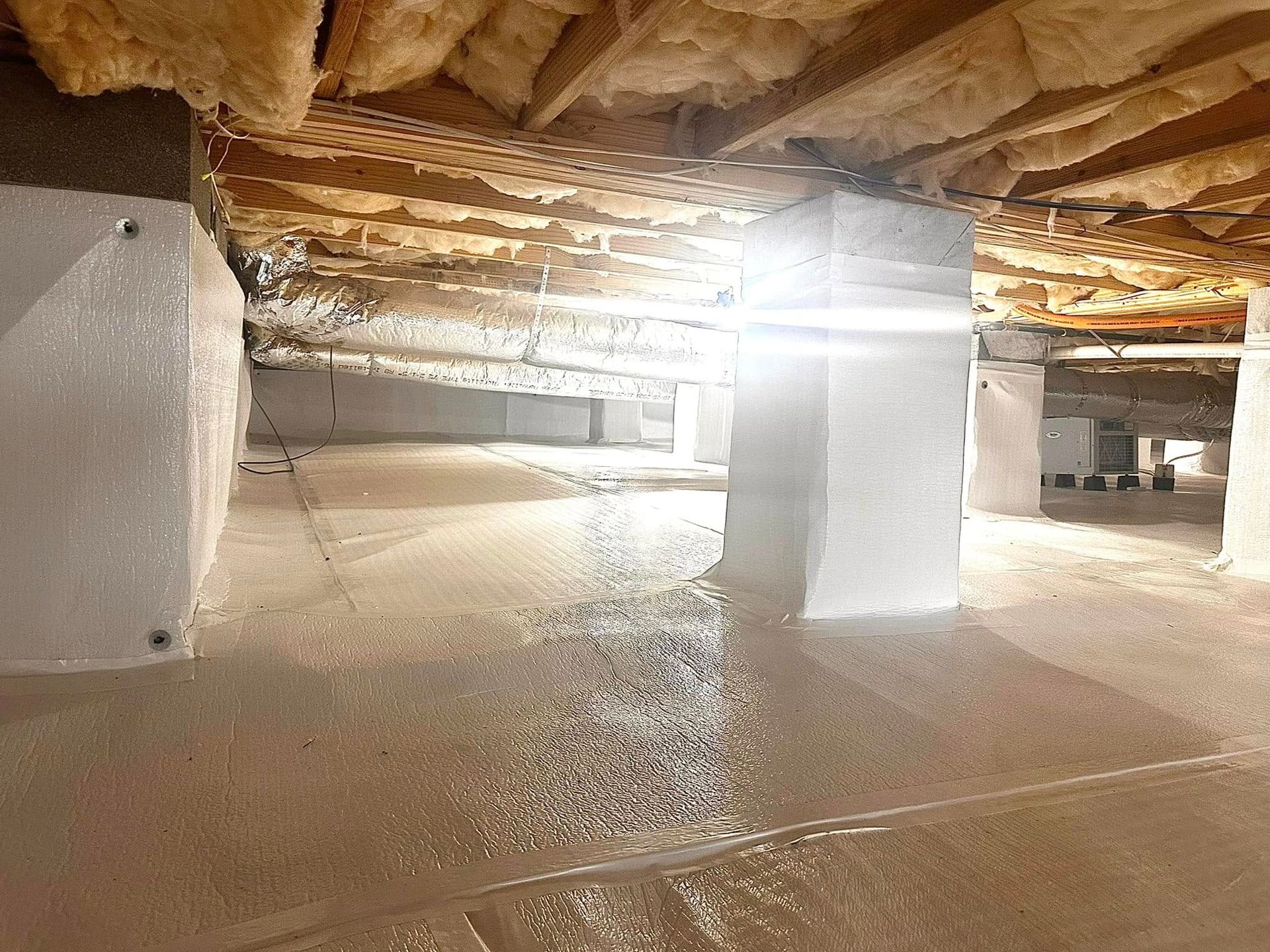
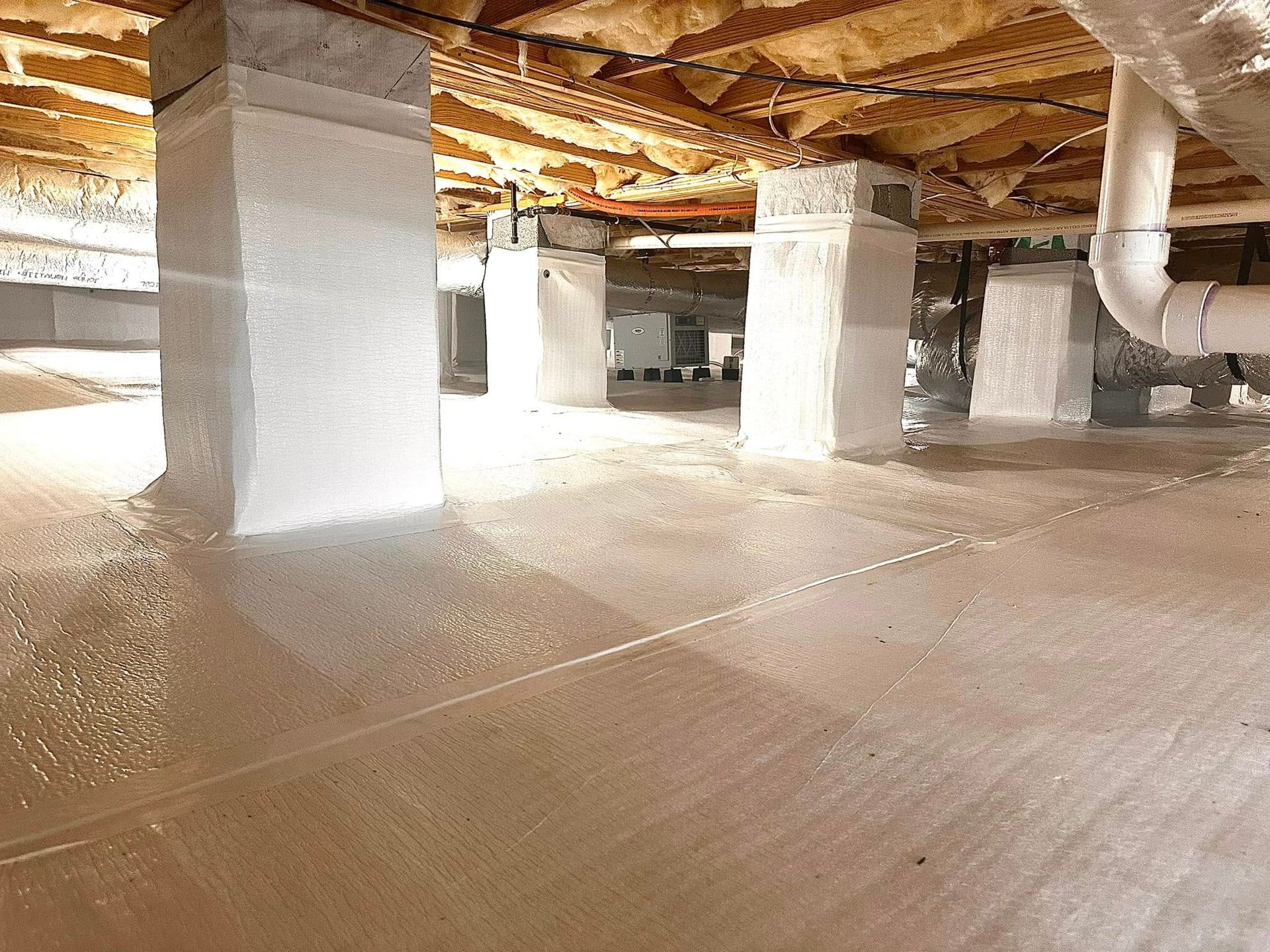
For this College Grove crawl space, we're adding proper dehumidification that actually covers the whole space. We'll treat the fungus that's already growing. We'll make sure air circulates throughout the entire 2,500 square feet, not just the area right by the door.
The homeowner will get complete documentation of everything we do - photos, video, clear explanation of our approach. And I'll personally check the work before we call it finished. That's how it should have been done the first time.
How to Protect Yourself
Before you hire any crawl space company, do your homework. Check their reviews carefully - not just the star rating, but what people actually say. Look for mentions of follow-up, documentation, and quality of work.
Ask to see examples of their installations. A company that does quality work should be proud to show you. And don't be pressured into making a decision on the spot. Any contractor who tells you the price is only good today is focused on sales, not service.
Most importantly, understand what work is being proposed and why. If something doesn't make sense or feels rushed, trust that instinct. Your crawl space is a major investment in your home's health and value - it deserves to be done right.

Ready for Honest Work?
If you're dealing with crawl space issues, or if you've had work done that isn't performing like it should, I'd be happy to take a look. We provide complete documentation of what we find - no pressure, just honest assessment.
Give me a call for a free inspection. Whether you're in College Grove, Nashville, Chattanooga, or anywhere in our service area, you'll get the same thorough approach and straight talk.