The Science Behind Multiple Crawl Spaces: Why One Dehumidifier Isn't Enough
Introduction
When Physics Meets Your Crawl Space
A REAL STORY ABOUT DOING THINGS RIGHT
I just finished a quote in Brentwood for a house with three separate crawl spaces - one under the porch, one under the main house, and a walk-in crawl space under an addition.
The homeowner had already gotten two other quotes from big corporate companies.
Both of them quoted just one dehumidifier for all three spaces.
Here's the problem: that won't work.
Not because I'm trying to sell more equipment, but because of basic physics.
A dehumidifier can't dry out a space it can't reach, and it definitely can't work through a cinder block wall.
I ended up being the highest quote.
But I was also the only one quoting a solution that would actually solve the problem.
The homeowner understood the science behind why we needed two dehumidifiers, and they chose to work with us anyway.
That's what happens when you take time to explain things honestly.
Understanding Separate Crawl Spaces
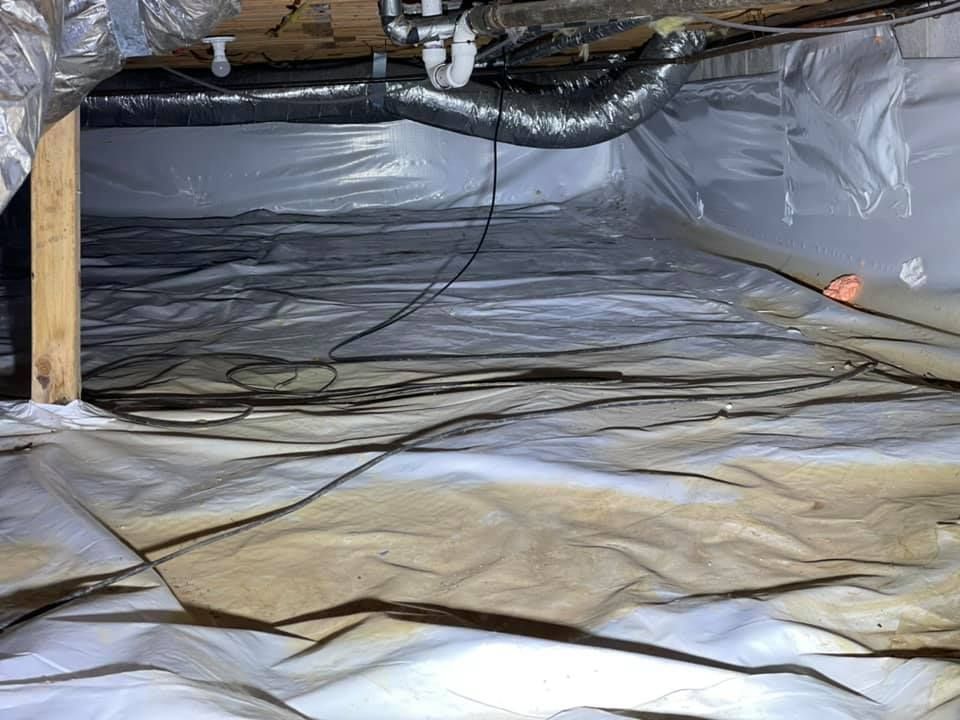
Not every home has just one crawl space. Lots of houses, especially older ones or homes with additions, end up with multiple crawl spaces. You might have the original house, then a porch added later, then maybe a room addition. Each one can have its own crawl space underneath.
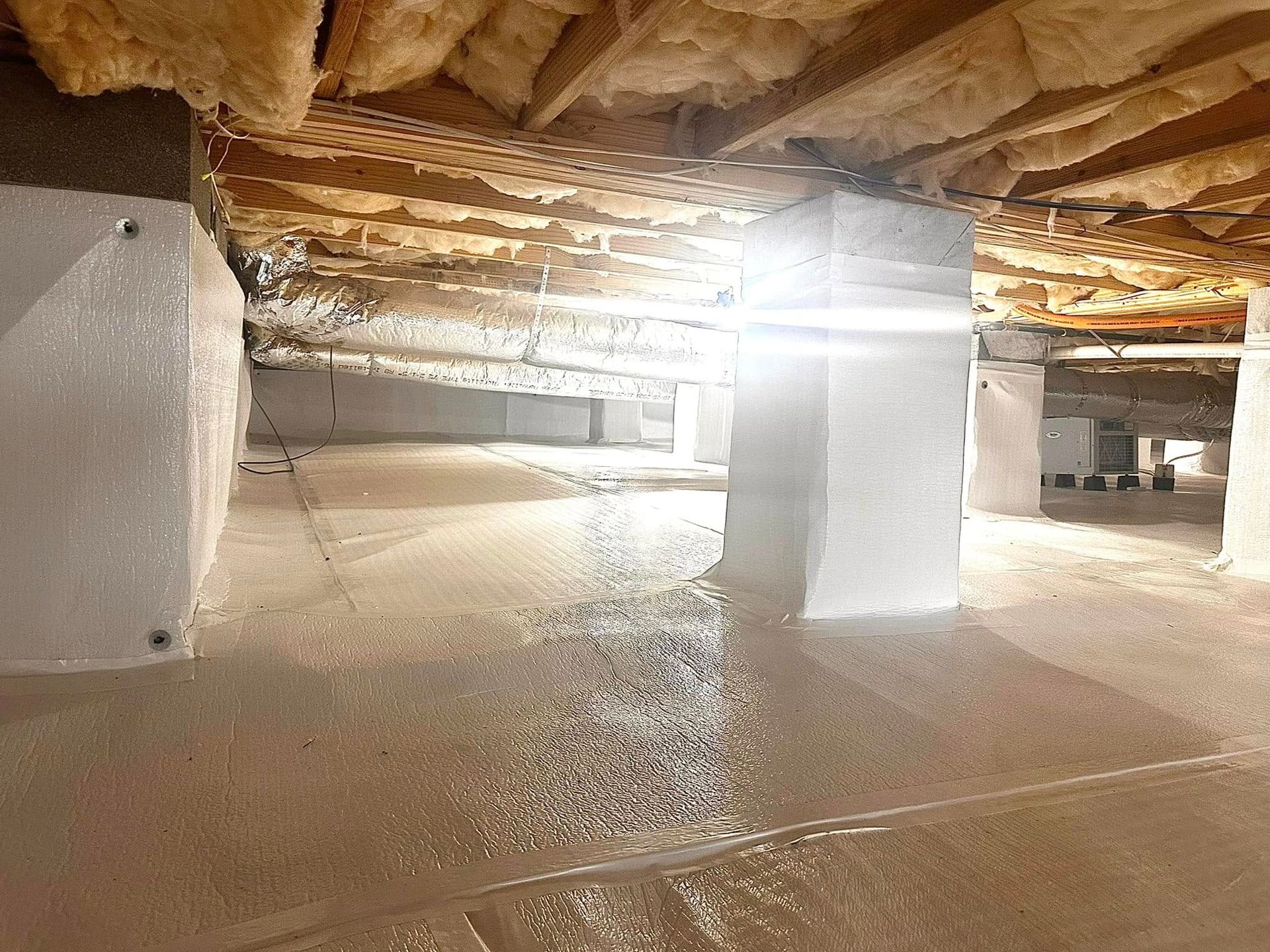
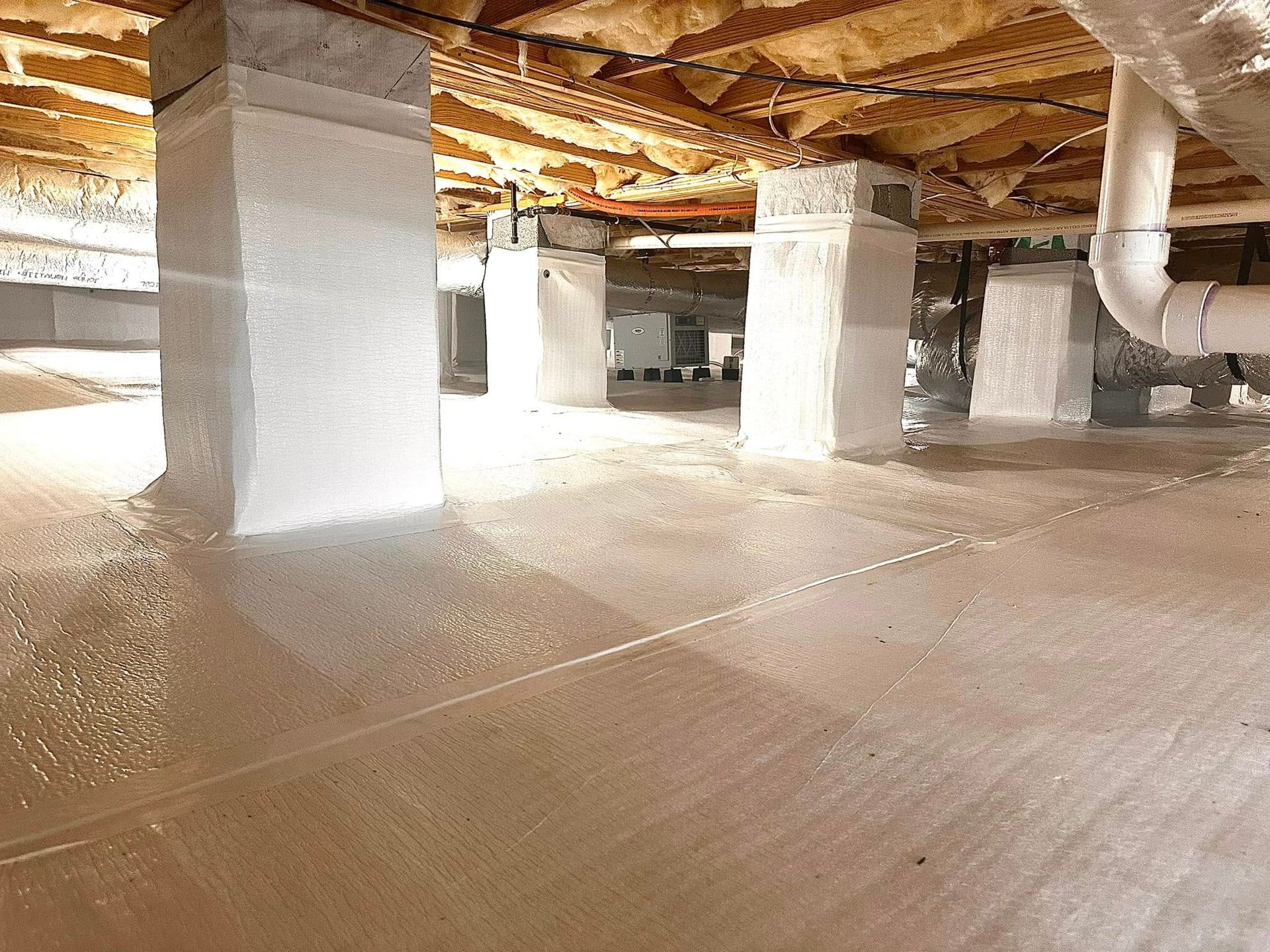
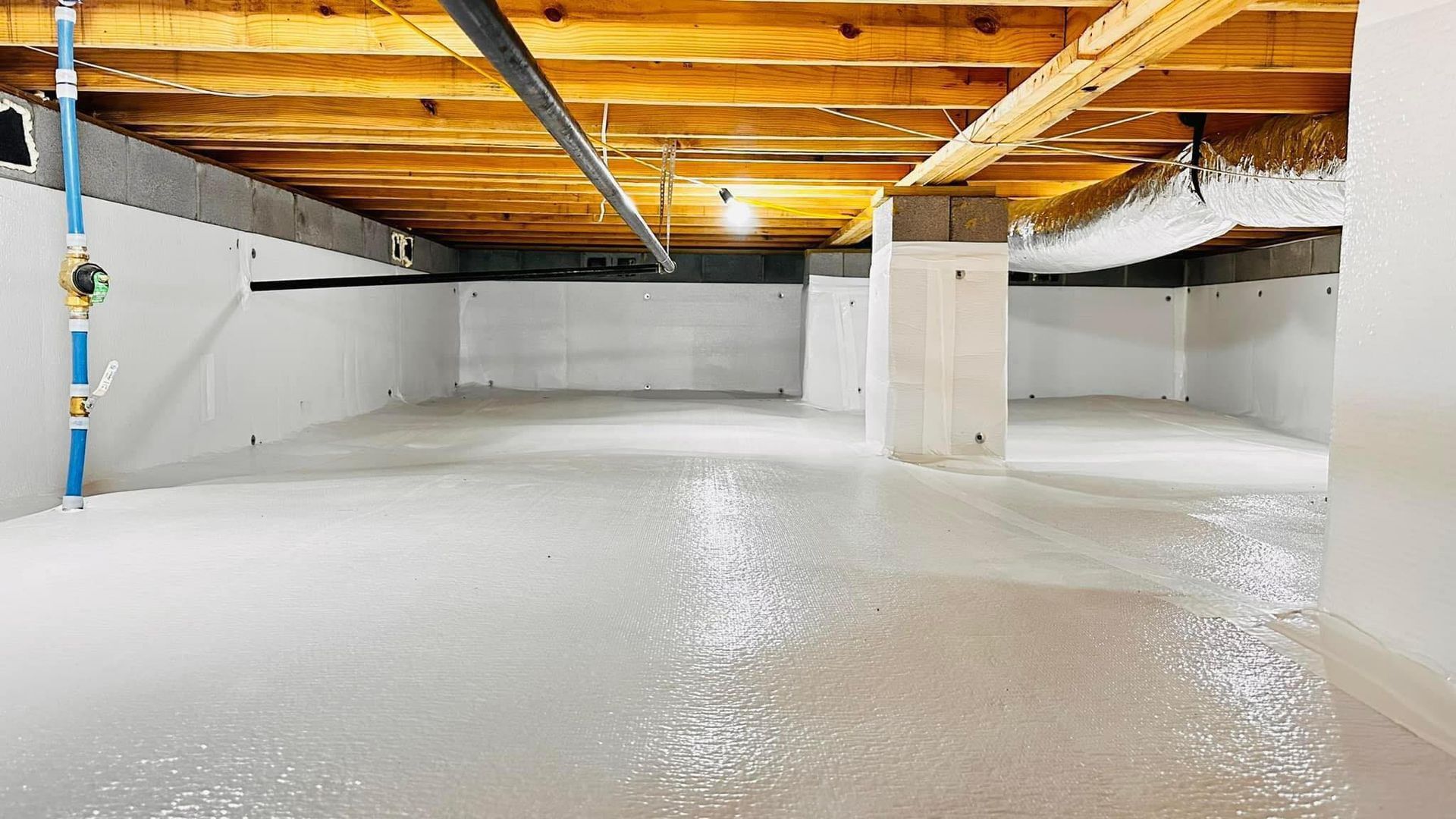
What makes them "separate" isn't just different access points - it's physical walls between them. In the Brentwood house, there were cinder block walls dividing these spaces. That's important because those walls don't just separate the spaces for us humans walking around. They separate them for air movement and moisture control too.
Think about it like this: if you close the door between two rooms in your house and turn on a dehumidifier in one room, it's not going to dry out the other room. The same principle applies under your house. A wall is a wall, whether you can see it from inside your home or not.
How Dehumidifiers Actually Work
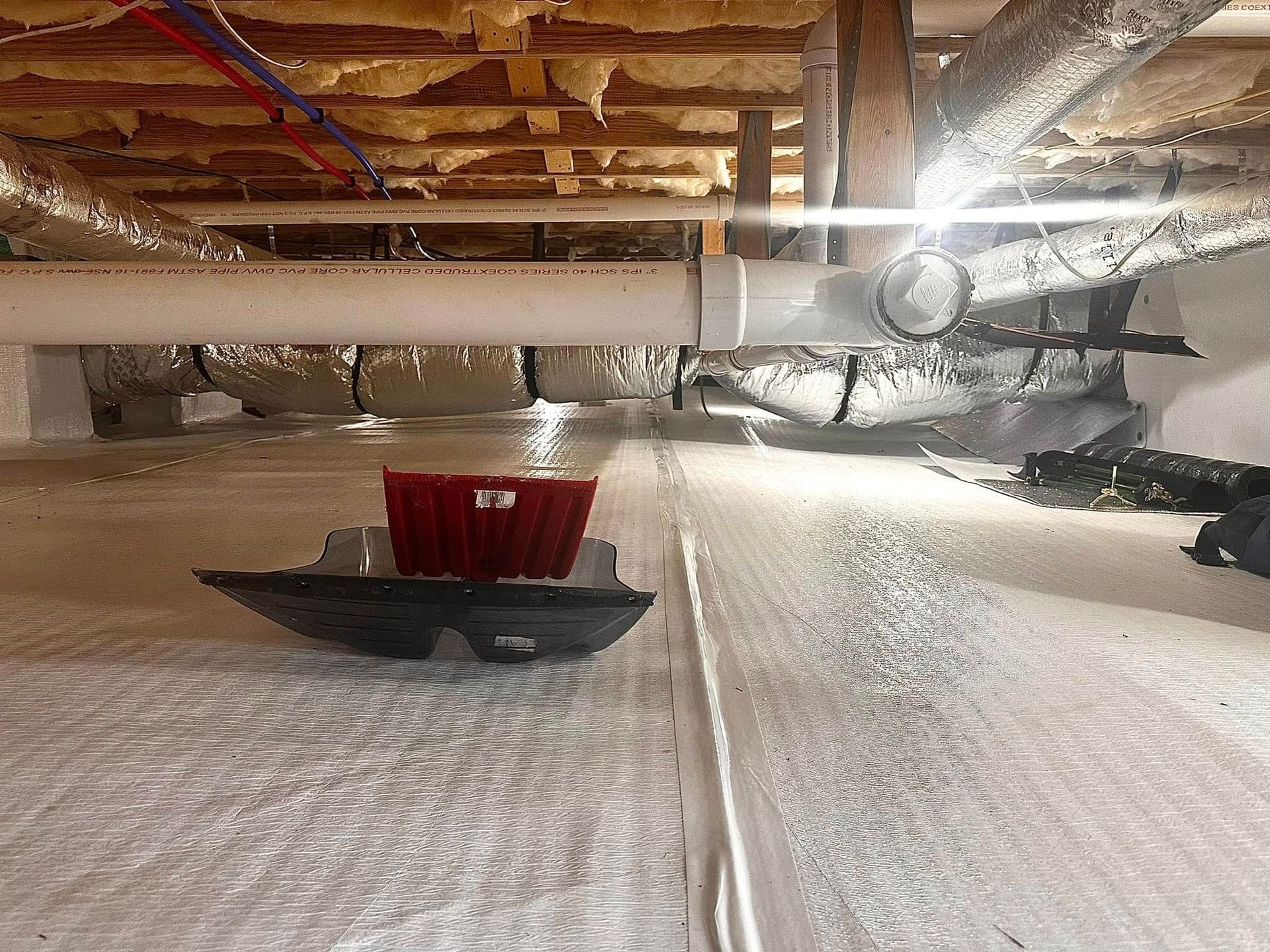
A dehumidifier pulls moisture out of the air in the space where it's located. It works by drawing air in, removing the water from that air, and then pushing the dry air back out. Pretty straightforward.
But here's the key thing: it only works on air it can actually reach. Most crawl space dehumidifiers are rated to cover a certain square footage - usually somewhere between 1,500 to 3,000 square feet depending on the model. That's assuming it's one open space with good air circulation.
When you add walls into the equation, especially solid cinder block walls, you've basically created separate environments. The dehumidifier in one space has no way to pull air from the other space, dry it out, and push it back. Physics doesn't bend just because we want to save money on equipment.
The One Dehumidifier Problem
So why do companies quote just one dehumidifier for multiple spaces? Sometimes it's about keeping the price down to win the job. Sometimes the person doing the quote doesn't fully understand how the equipment works. And sometimes, honestly, they're just following a script without thinking it through.
Here's what actually happens when you install one dehumidifier for three separate crawl spaces: one space gets dried out properly, and the other two stay damp. You might see some minor improvement in those other spaces if there are small gaps in the walls, but you're not solving the problem.
Six months later, you're still dealing with moisture issues, musty smells, and potential mold growth in those other spaces. Then you're calling someone else to figure out why the expensive encapsulation job didn't work. And the answer is simple - it was never set up to work in the first place.
The Brentwood Job Breakdown
Let me walk you through what we actually quoted for this Brentwood house. Three distinct crawl spaces meant we needed two dehumidifiers - one for the main house crawl space, and one for the addition. The porch area was small enough that it would get coverage from the main house unit through some existing openings.
But it wasn't just about dehumidifiers. We also quoted a proper drainage system in the areas where we saw actual water intrusion, not just a basic sump pump. We included rodent proofing because there were clear entry points. And we added lighting so the homeowner could actually see what's happening under their house during future inspections.
The other quotes? One dehumidifier, a basic sump pump, and that's about it. Lower price, sure. But also an incomplete solution that wouldn't actually fix the moisture problems long-term.
What a Complete Quote Should Include
When you're getting quotes for crawl space work, here's what you should expect to see if the job is being done right. First, proper dehumidifier coverage for your actual layout. If you have walls separating spaces, you need equipment that can handle each area.
A real drainage system, not just a sump pump dropped in the lowest spot. We're talking about addressing where water actually enters and giving it a path out. Proper sealing of all vent openings, pipe penetrations, and HVAC openings. These are the spots where outside air and moisture sneak in.
Beyond that, consider things like rodent proofing if there are entry points, and lighting so you can actually inspect your investment later. Not every job needs every service, but every quote should address your specific situation, not just follow a template.
Why I'd Rather Lose on Price Than Quality
I could have easily matched those other Brentwood quotes. Just quote one dehumidifier instead of two. Skip the comprehensive drainage work. Leave out the rodent proofing and lights. Win on price.
But six months later, that homeowner would still have moisture problems. They'd be spending more money trying to fix what should have been done right the first time. And honestly, I wouldn't be able to sleep at night knowing I sold someone a solution that doesn't actually work.
That's why I take time to explain the science. Why we need two dehumidifiers. Why proper drainage matters. Why those extra services aren't just upsells - they're part of doing the job completely. Most homeowners get it when you explain it honestly. Even if you're not the lowest price.
How to Evaluate Your Crawl Space Quotes
When you're comparing quotes, don't just look at the bottom line number. Ask each contractor to explain their approach. Why are they recommending what they're recommending? If you have multiple crawl spaces, how are they handling moisture control in each area?
Watch out for quotes that seem too simple or too cheap. If something costs significantly less than other quotes, there's usually a reason. Either they're cutting corners on materials, skipping important steps, or just don't understand the scope of work needed.
Ask for detailed explanations. A good contractor should be able to walk you through the science of why they're recommending specific solutions. If they can't explain it in a way that makes sense, that's a red flag.

Ready for an Honest Assessment?
If you've gotten quotes that don't quite add up, I'm happy to take a look and explain what you're actually getting. No pressure, no obligation - just honest feedback about whether the proposed work will actually solve your problems.
I'd rather spend time educating you and lose the job than rush through an explanation and do incomplete work. Because at the end of the day, your crawl space either works or it doesn't. Physics doesn't care about our profit margins.
Give me a call for a free inspection and honest assessment. I'll show you exactly what's happening under your house and explain the right way to fix it.