The Value of Deep Knowledge in Crawl Space Work
Introduction
When Technical Questions Meet Real Experience
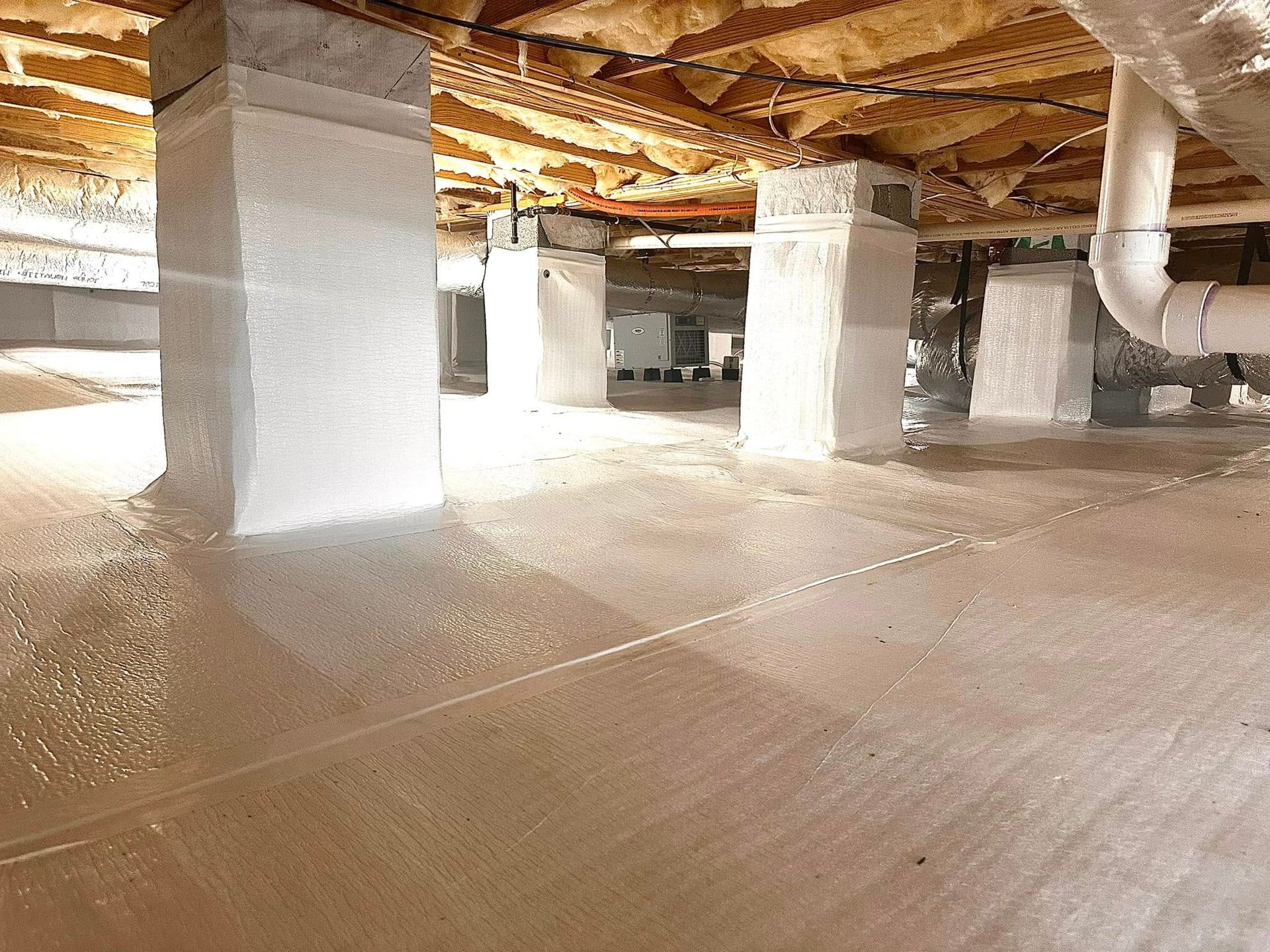
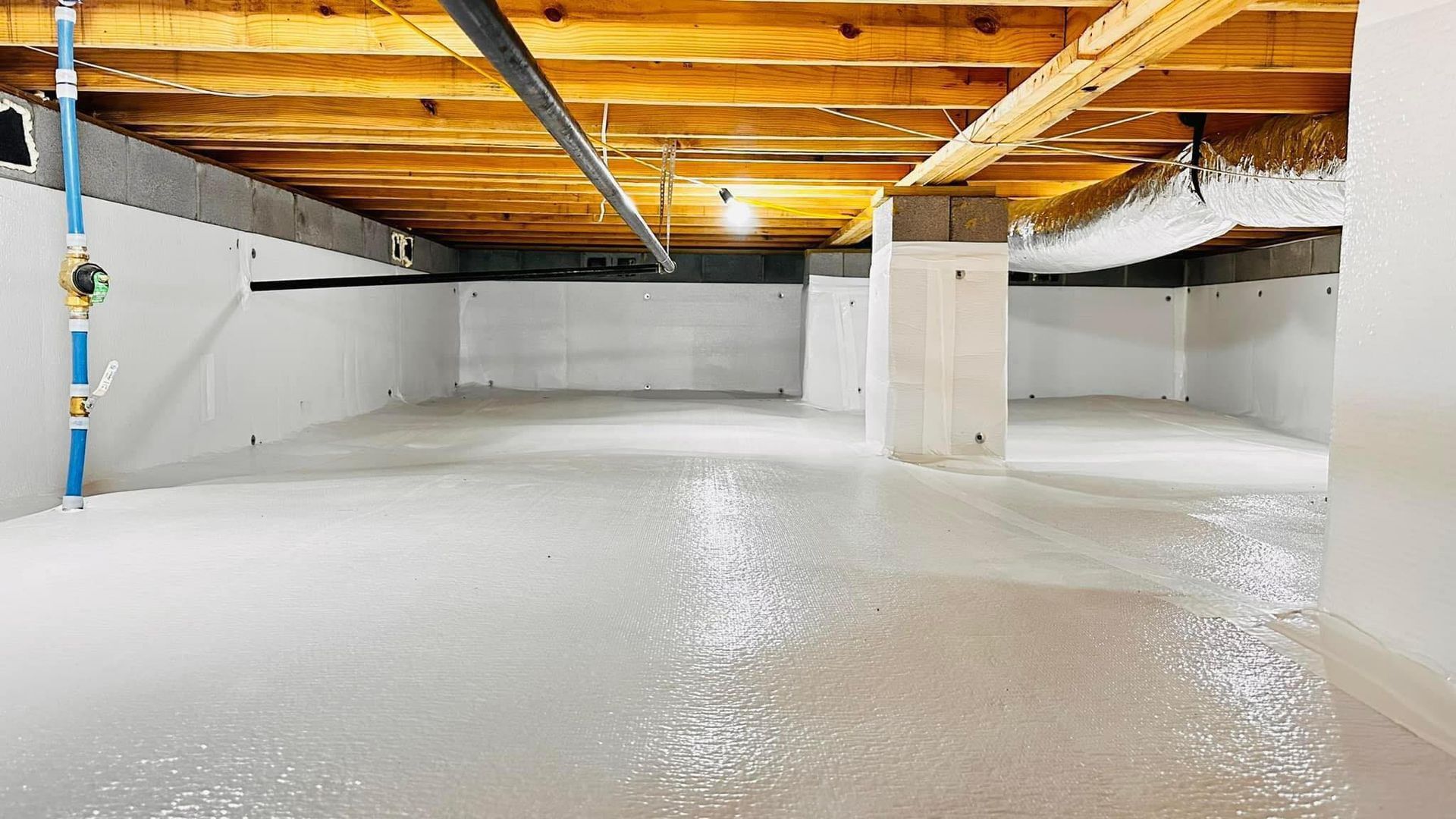
WHAT HAPPENED DURING A RECENT INSPECTION WITH A STRUCTURAL ENGINEER
I just finished an inspection that reminded me why I love this work.
The homeowner is a structural engineer, and we spent over an hour talking through crawl space science.
Not a sales pitch - an actual technical conversation about water mitigation, humidity control, and structural repair.
It was one of those conversations where you realize how much you've learned over the years.
We drew diagrams, talked through different scenarios, and discussed the physics behind moisture problems.
By the end, we had a plan that made sense both technically and practically.
Here's the thing - their previous contractor couldn't answer half their questions.
And that's what got me thinking about what separates a good crawl space company from one that just goes through the motions.
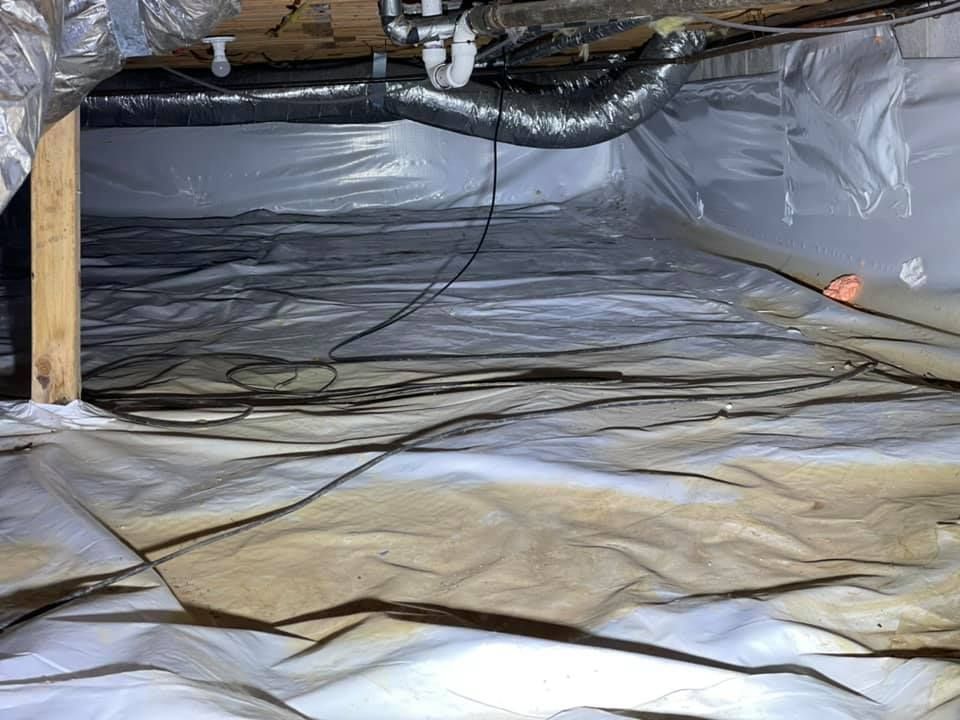
The Inspection That Sparked This Post
When this customer called, I knew it would be different. Structural engineers don't just want to know what needs fixing - they want to understand why. And honestly, that's refreshing. It pushes you to really know your stuff.
We talked about how water moves through soil and foundation materials. We discussed relative humidity and dew points. We went over different structural support options and why certain approaches work better than others. The conversation went deep into building science in a way most inspections don't.
What made this work wasn't just that I could answer the questions. It was that we could have a real conversation about the problems and solutions. When you understand the science behind what you're doing, you can explain it at whatever level the customer needs - whether that's basic concepts or engineering principles.
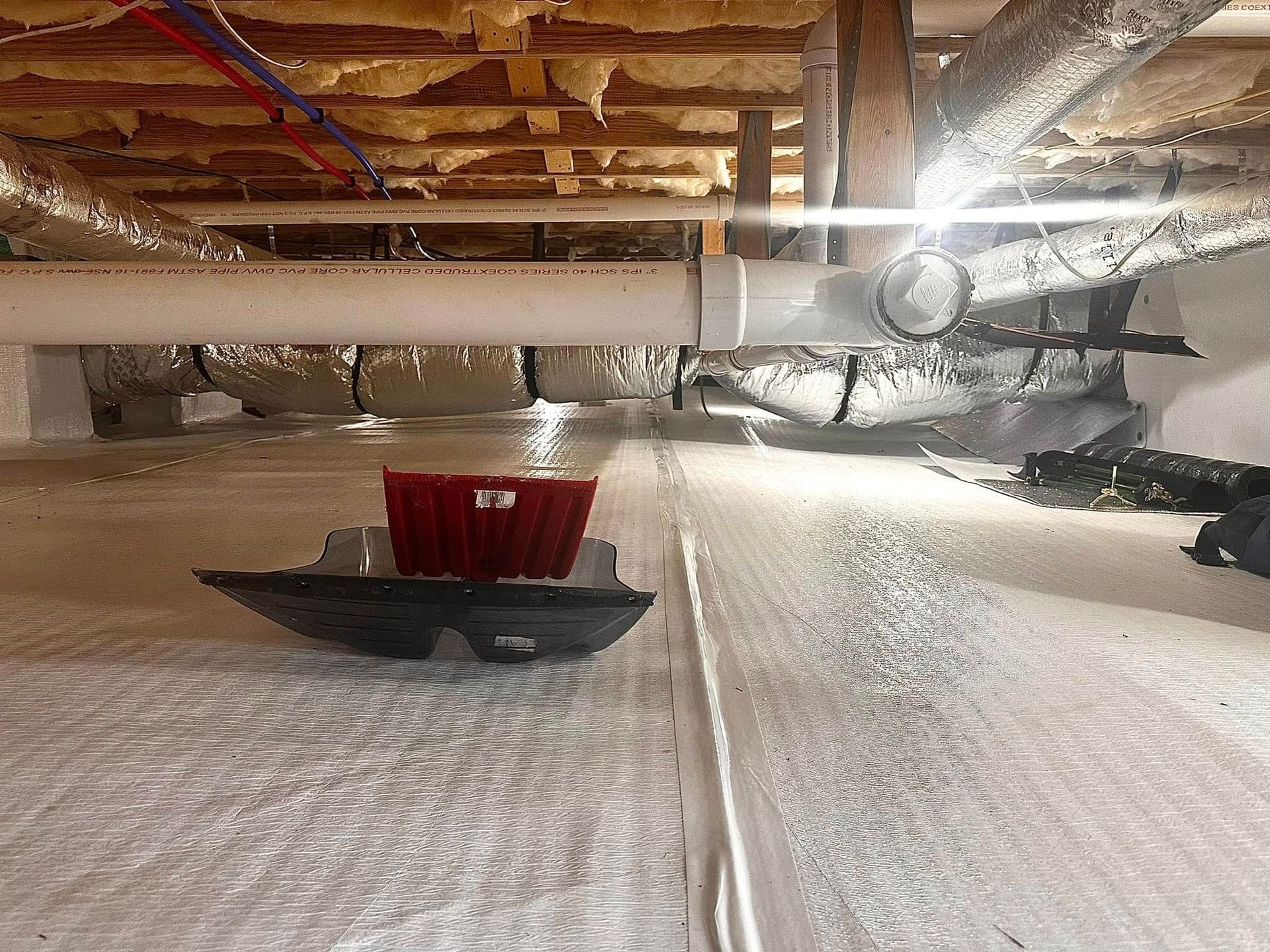
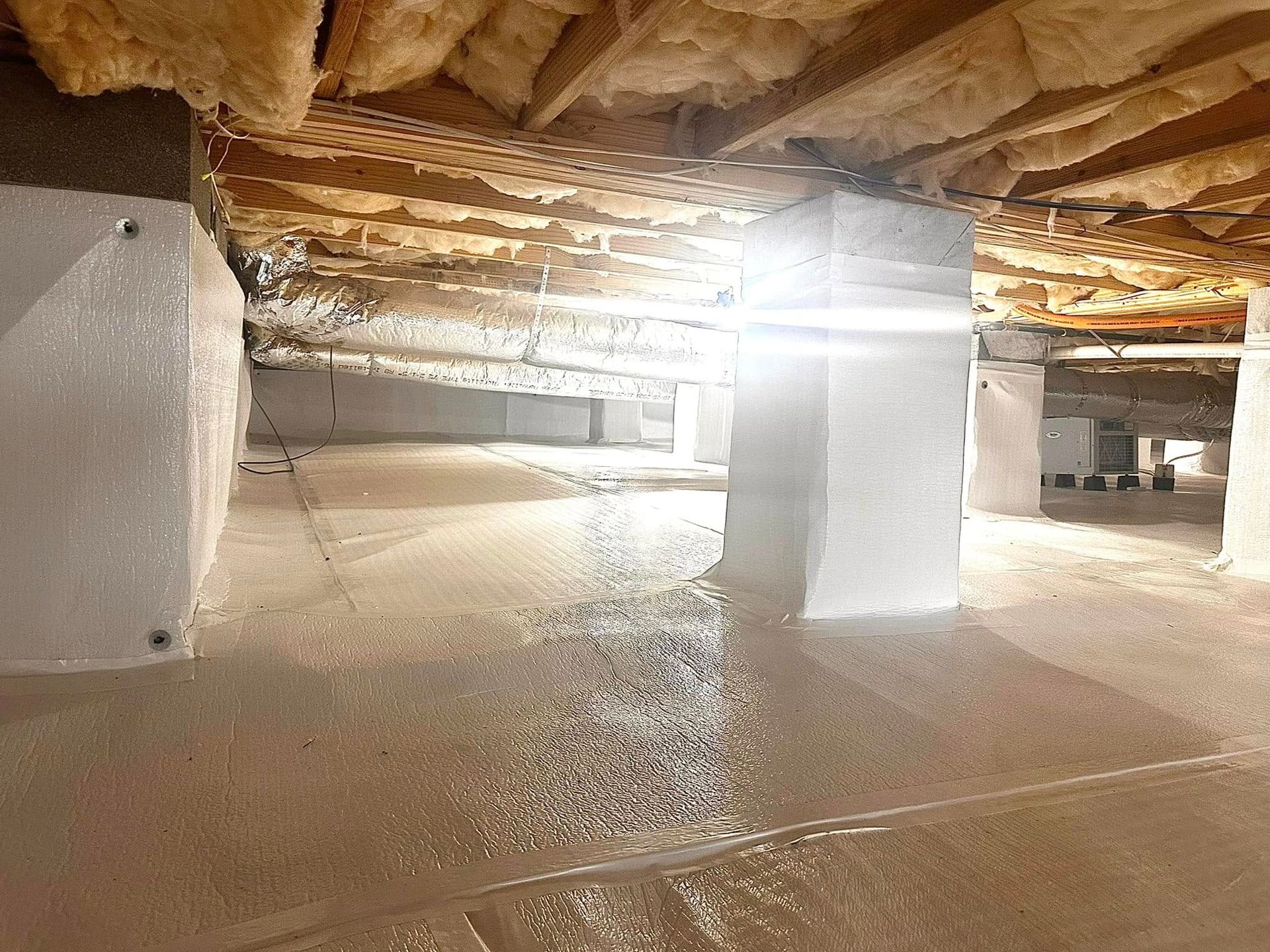
Beyond Sales Scripts
There's a big difference between knowing what to say and understanding why you're saying it. I've seen plenty of contractors who can deliver a great sales presentation, but when a customer asks a detailed question, they stumble.
Most crawl space salespeople get a few weeks of training - some classroom time, some field work, and a laptop full of pre-recorded videos. That's enough to handle basic inspections, but it falls apart when customers start asking real questions.
This engineer's previous quote came from one of those guys. When they asked about vapor pressure differentials or thermal bridging, the contractor couldn't explain it. That's not the contractor's fault necessarily - it's just that three weeks of training doesn't give you the foundation to handle those conversations..
What Deep Knowledge Actually Looks Like
Real knowledge in this field comes from years of seeing how water actually behaves in crawl spaces. It's understanding that humidity doesn't just "happen" - it's the result of specific conditions that can be measured and controlled.
When I explain water mitigation to customers, I can draw diagrams showing how groundwater moves, where it accumulates, and why certain drainage solutions work better than others. I can explain why a dehumidifier needs to be sized correctly for the space, not just pulled off a shelf.
With structural issues, it's about understanding load paths, support spacing, and material properties. I can walk someone through why we're recommending specific joist repairs or support columns, showing them the math and engineering behind it.
The best part? Being able to explain complex ideas in simple terms. Whether I'm talking to an engineer or a homeowner who just wants their floor to stop sagging, I can adjust the explanation to what they need to hear.
Why Experience Matters
Almost 12 years in this business has taught me things you can't learn in a classroom. Every crawl space is different. Every moisture problem has its own quirks. Every structural issue tells a story about what's been happening under that house.
I've learned from solving real problems, not just reading about them. When something doesn't work the way you expected, you figure out why. When a customer asks a question you can't answer, you go research it so you can answer it next time.
This kind of knowledge builds slowly. It comes from paying attention, asking questions, and genuinely wanting to understand how things work. It's why I can spend an hour talking technical details with an engineer and then turn around and explain the same concepts clearly to someone with no construction background.
Working With Informed Customers
Some contractors get nervous when they find out a customer is an engineer or architect. I actually appreciate it. These customers ask the questions that make you think deeper about what you're doing and why.
The key is being able to have a real conversation. When someone understands building science, you can talk through different approaches, discuss trade-offs, and collaborate on the best solution. It's not about convincing them - it's about working together to solve the problem right.
This recent inspection was a perfect example. We talked through multiple options, adjusted the approach based on their specific needs and budget, and landed on a solution that made sense both technically and practically. That only works when you actually understand what you're doing.
The Practical Benefits
Deep knowledge isn't just about impressing customers with technical talk. It's about providing better solutions. When you understand the science behind moisture control and structural repair, you can customize approaches instead of just offering one-size-fits-all packages.
For this engineer's project, we developed multiple price points with different approaches - all of them technically sound, just addressing the problem at different levels. That kind of flexibility only comes from really understanding how these systems work.
It also means I'm confident in what I recommend. I'm not guessing or repeating what someone told me in training. I know why certain solutions work and can stand behind them long-term.
What This Means For You
You don't need to be an engineer to benefit from working with someone who has deep knowledge. But you should expect your contractor to answer your questions clearly, no matter how detailed they get.
Ask about the science behind their recommendations. If they can't explain why something works, that's a red flag. A good contractor should be able to break down complex concepts in ways that make sense to you.
Don't settle for vague answers or sales scripts. Whether you're asking basic questions or technical ones, you deserve clear explanations about what's happening under your house and why the proposed solution will work.

Ready For Real Answers?
If you've got questions about your crawl space - whether they're basic concerns or detailed technical questions - I'm happy to talk through them. Every inspection includes thorough documentation and clear explanations of what we find and why we're recommending specific solutions.
No question is too detailed or too simple. My job is to help you understand what's happening under your home and what your options are for fixing it.
Give me a call to schedule an inspection. Let's have a real conversation about your crawl space.