The Simple Fix That Saved This Crawl Space
Introduction
Not Every Problem Needs a Full Redo
WHY WE FIXED IT INSTEAD OF TEARING IT ALL OUT
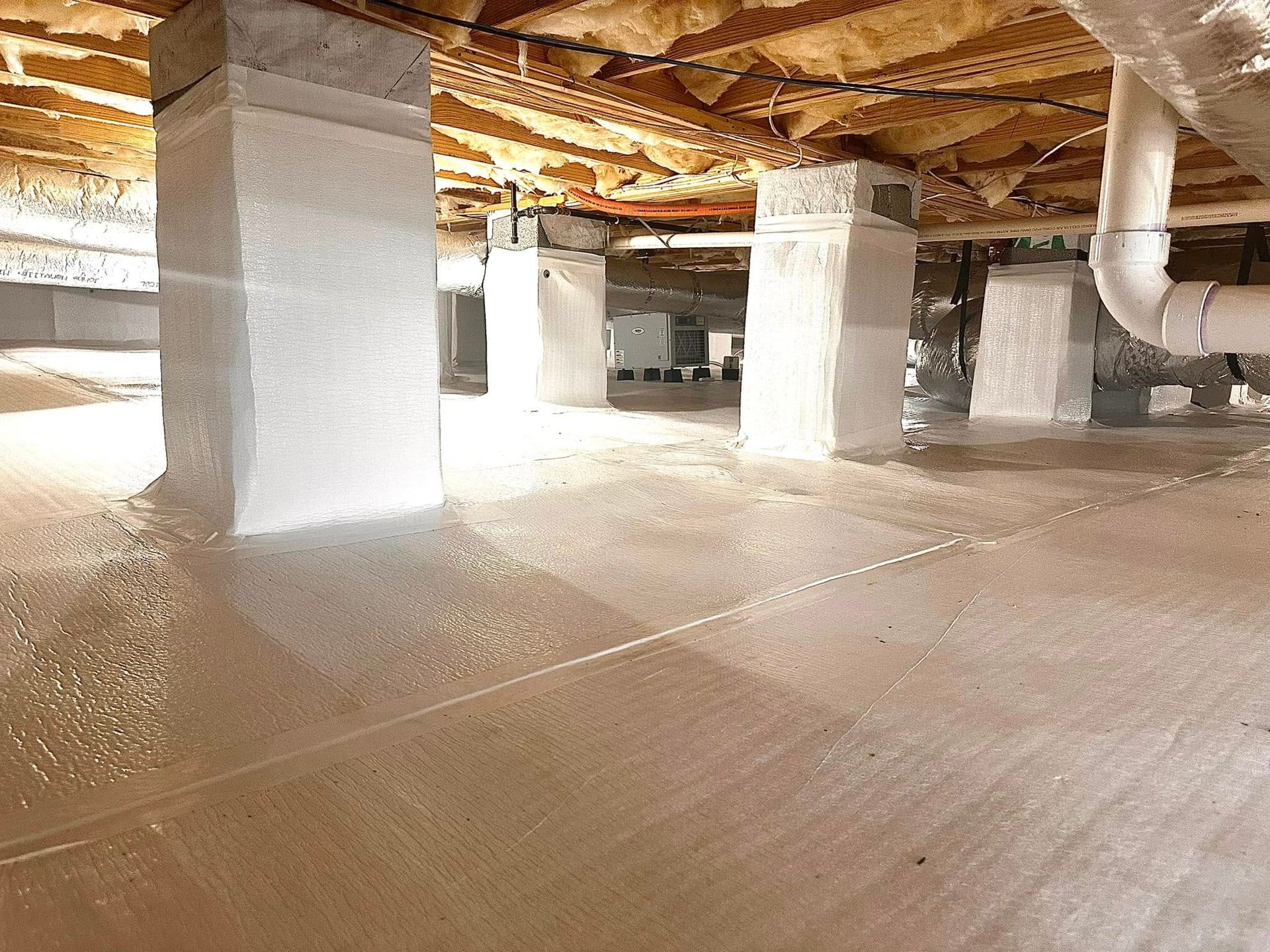
I was recently under a crawl space in Franklin, Tennessee, working on an encapsulation another company had installed a few years back. This wasn't one of those horror stories where everything's falling apart. For the most part, the job actually looked decent.
But it wasn't working the way it should have been.
The homeowner had been quoted twenty thousand dollars to rip the whole thing out and start over. That's a lot of money. And honestly, it wasn't necessary.
Instead of tearing everything out, we found the actual problem and fixed it. This crawl space is going to work exactly like it's supposed to, and the homeowner isn't out twenty grand for a redo they didn't need.
What We Found Under the House
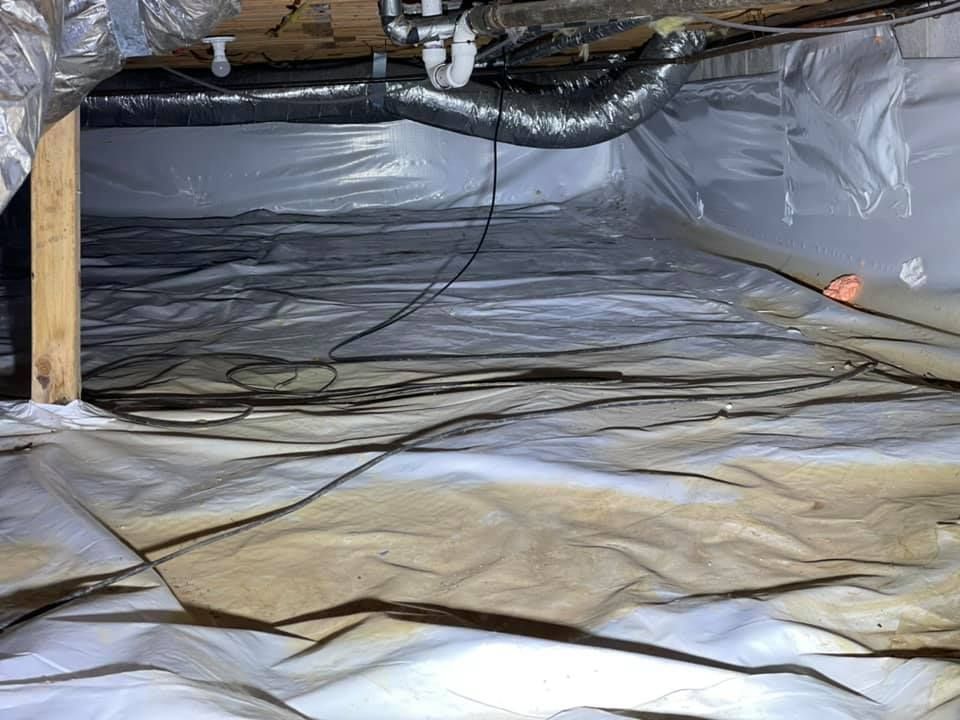
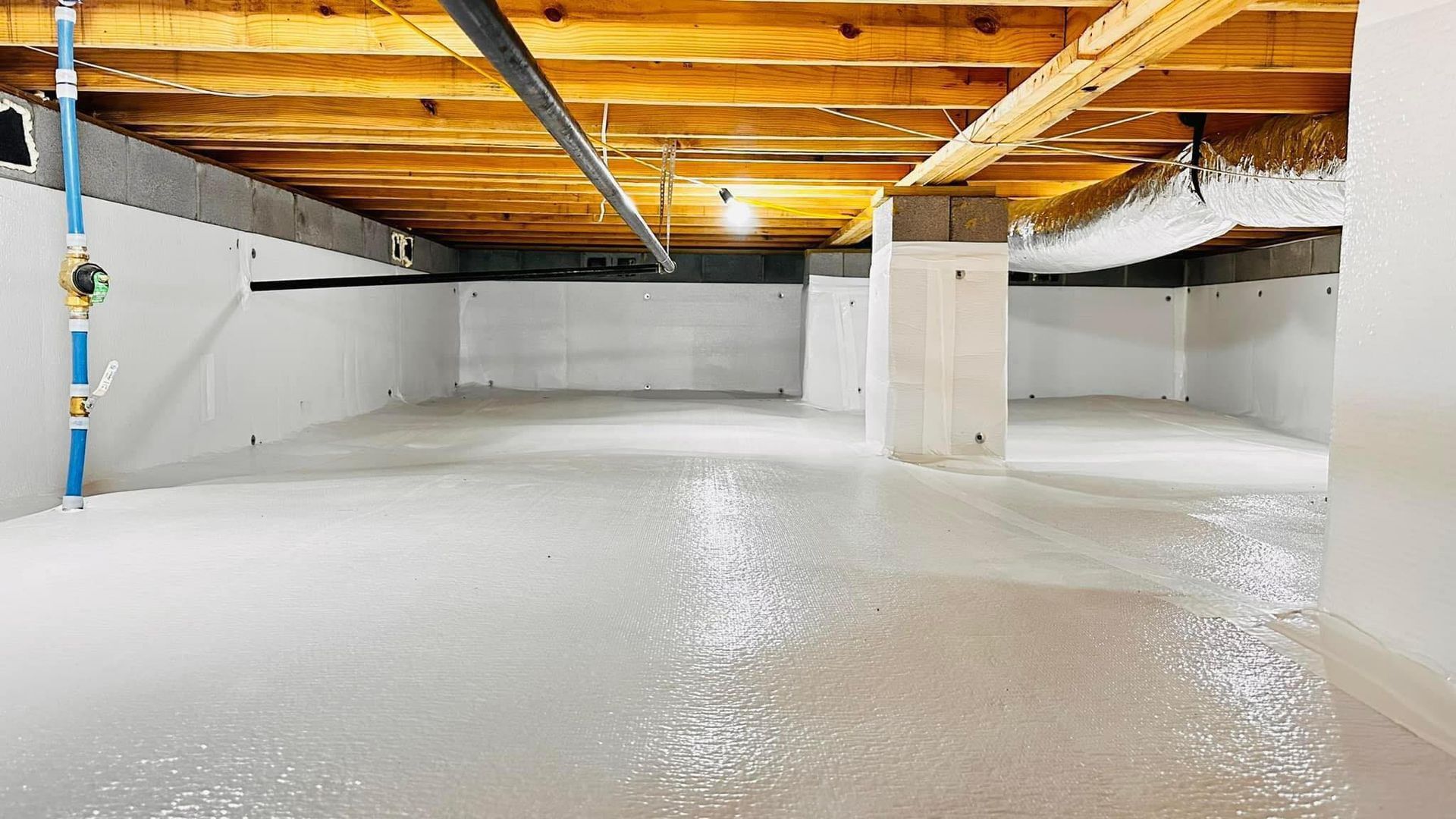
When I got under there, the plastic encapsulation itself was in decent shape. No major tears, no obvious signs of failure. If you just glanced at it, you might think everything was fine.
But the dehumidifier told a different story.
It was placed right next to the entrance door. That might not sound like a big deal, but it meant the whole back section of the crawl space wasn't getting any air movement. The unit was working, sure, but it couldn't do its job properly from that spot. That back area stayed humid no matter how hard the dehumidifier tried.
This is the kind of thing that's easy to miss if you're not looking for it. The encapsulation looks fine on the surface, but the system underneath isn't actually protecting the whole space. And that's a problem, because humidity is exactly what encapsulation is supposed to prevent.
Why Dehumidifier Placement Matters
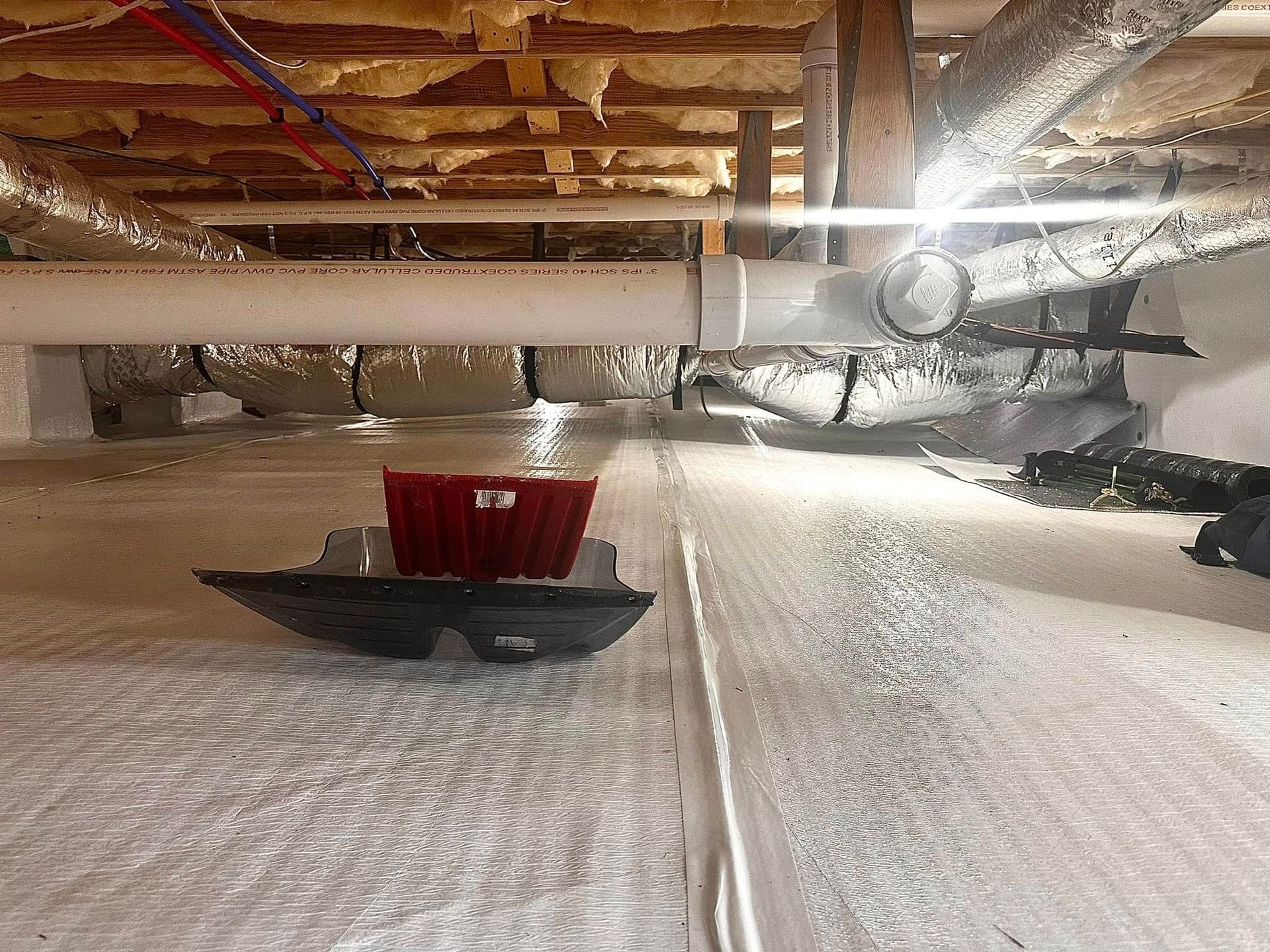
A dehumidifier can only do its job if it's set up right. It needs to pull air from the entire crawl space, not just the area right around it. If it's tucked next to a door or crammed against an obstruction, it's only working for the space closest to it. Everything further away just sits there, humid and untouched.
This is one of the most common mistakes we see when we go under other companies' work. It's not always obvious. The plastic looks good, the unit is running, and everything seems fine from a quick glance. But if the placement is off, you're not getting the results you paid for.
Humidity doesn't stay in one spot. It spreads. And over time, that moisture can lead to mold, wood rot, and the same problems encapsulation is supposed to prevent in the first place.
The Fix We Went With
Once we figured out what was actually going on, the fix was pretty straightforward.
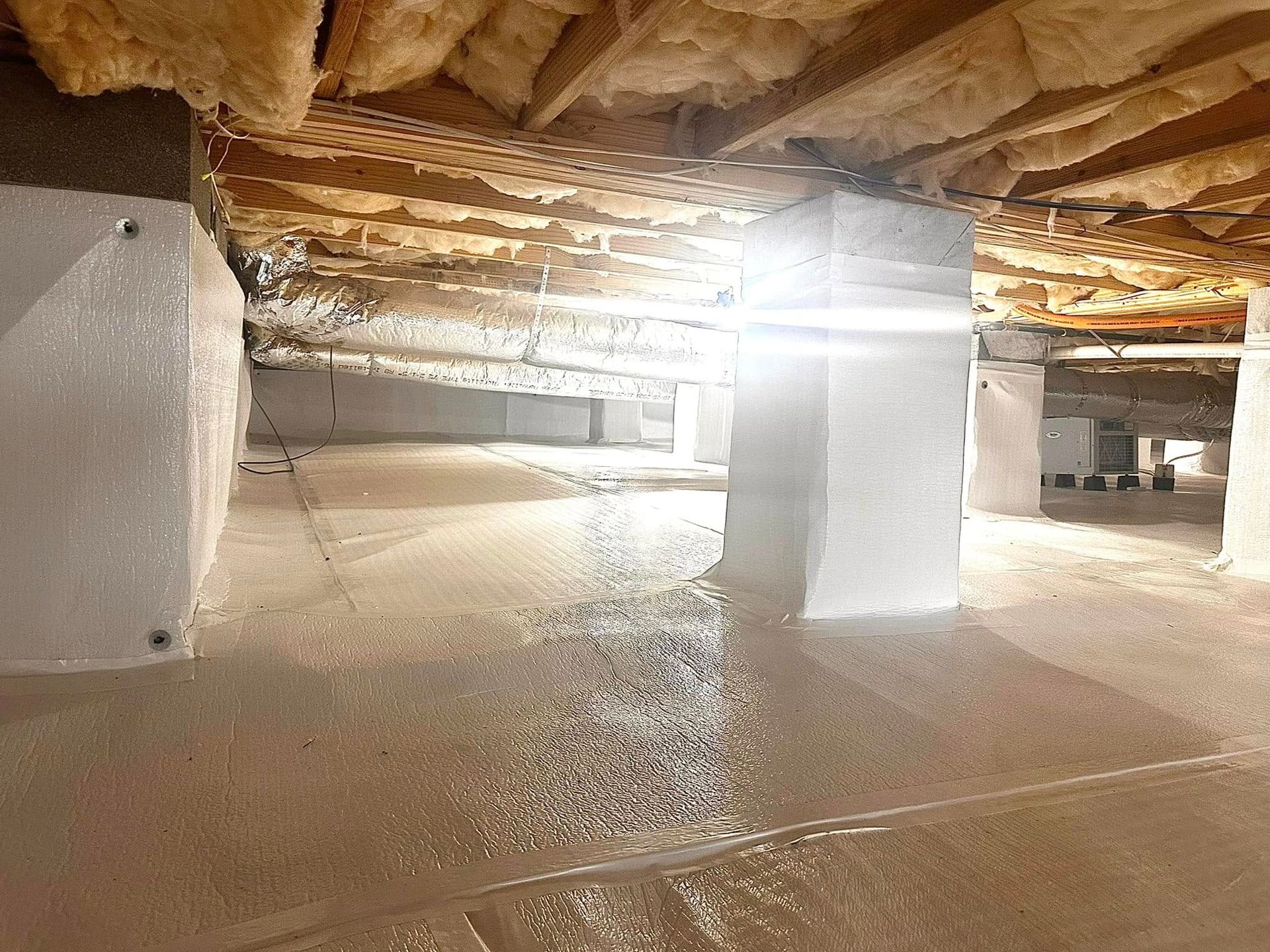
We had our electrician come out and wire up two plugs and a switch. Then we moved the dehumidifier from its spot next to the door to the center of the crawl space, where it could actually do its job. We also strung up ten lights throughout the space so everything's visible for future inspections and maintenance.
After that, we wired up the Santa Fe dehumidifier and got it ready for service. Once it's running, this crawl space is going to work the way it should have from the start.
None of this required tearing out the existing plastic or starting from scratch. We just needed to correct what wasn't done right the first time.
Why We Didn't Recommend a Full Tear-Out
I get why a full redo sounds like the safe option. If something's not working right, ripping it all out and starting fresh feels like it guarantees a clean slate.
But that's not always true, and it's definitely not always necessary.
In this case, the encapsulation itself was solid. The problem wasn't the plastic. It was one specific issue that could be corrected without touching the rest of the job. Tearing all of it out would have meant paying for labor and materials that weren't actually needed.
Doing the job right the first time doesn't always mean starting over. Sometimes it means taking a closer look, figuring out what's actually wrong, and fixing that specific problem. That's how you save homeowners money without cutting corners on the work.
What This Means for the Twenty Thousand Dollar Quote
When you break it down, that twenty thousand dollar quote doesn't really add up.
A full redo means new plastic, new labor, and starting the whole job over from scratch. But that's not what this crawl space needed. It needed a dehumidifier moved a few feet, some electrical work, and lighting added so the space stays serviceable going forward. That's a fraction of the cost.
This happens more than people realize. Someone gets a quote that sounds scary, assumes the worst, and agrees to pay for a full replacement without knowing if that's actually necessary. Sometimes it is. But sometimes the real problem is smaller than what you're being told.
What Homeowners Should Know Before Agreeing to a Redo
If you're ever told your encapsulation needs to be completely torn out, it's worth asking a few questions first.
What exactly is wrong with the current setup? Is it the plastic itself, or is it something like placement, sealing, or equipment that could be fixed without a full replacement? Has the company actually gotten under the house and explained what they're seeing, or are they just quoting a redo without walking you through the details?
A company that's being straight with you will show you the problem, explain why it's happening, and give you options. If someone jumps straight to "we need to rip it all out" without much explanation, that's worth questioning.
Getting a second opinion before agreeing to a full redo can save you thousands of dollars. It's not about distrust. It's about making sure you're only paying for what your crawl space actually needs.

Ready to Get a Second Opinion?
If you've been quoted for a full crawl space redo, or you're just not sure if your current setup is working the way it should, reach out. I'm happy to take a look.
We offer free inspections for homeowners in Franklin and the surrounding areas. I do the inspections myself, and I'll walk you through exactly what I find, no matter how big or small the problem turns out to be.
You can call or text me directly. No pressure, no upsells. Just an honest assessment of what your crawl space actually needs.
That's how we do things at Crawl Logic.