Water Under Your HVAC Unit? Here's What It's Telling You
Introduction
That Water May Not Be an HVAC Problem
THE REAL ISSUE COULD BE UNDER YOUR HOME
If you've noticed water collecting under your HVAC unit, your first instinct is probably to call an HVAC tech. That makes sense. The water is near the unit, so the unit must be the problem.
But a lot of the time, it's not.
What you're actually looking at might be a crawl space problem wearing an HVAC costume. And if you treat the wrong problem, you'll spend money, get a temporary fix, and watch the same puddle come back.
Here's what's actually going on — and what to look for before you call anyone.
What That Water Is Telling You
Your HVAC unit has one job: control the temperature and comfort of your home.
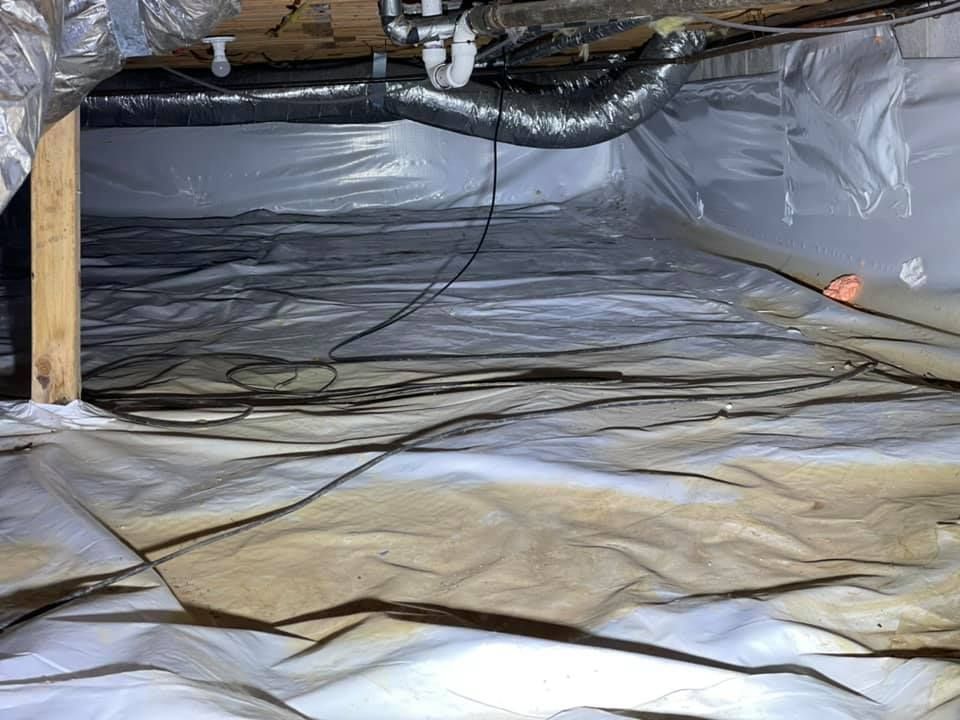
But when your crawl space isn't sealed, humid air from the ground rises up into your home constantly. Your AC unit feels that extra moisture and tries to deal with it on top of everything else it's already doing.
It was never designed for that.
So it works harder. It runs longer. And eventually, you start to see the evidence — water collecting underneath the unit because it's pulling so much moisture out of the air it can barely keep up.
That puddle isn't a malfunction. It's your AC waving a white flag.
Check Your Ductwork Too
While you're looking around down there, check your ductwork.
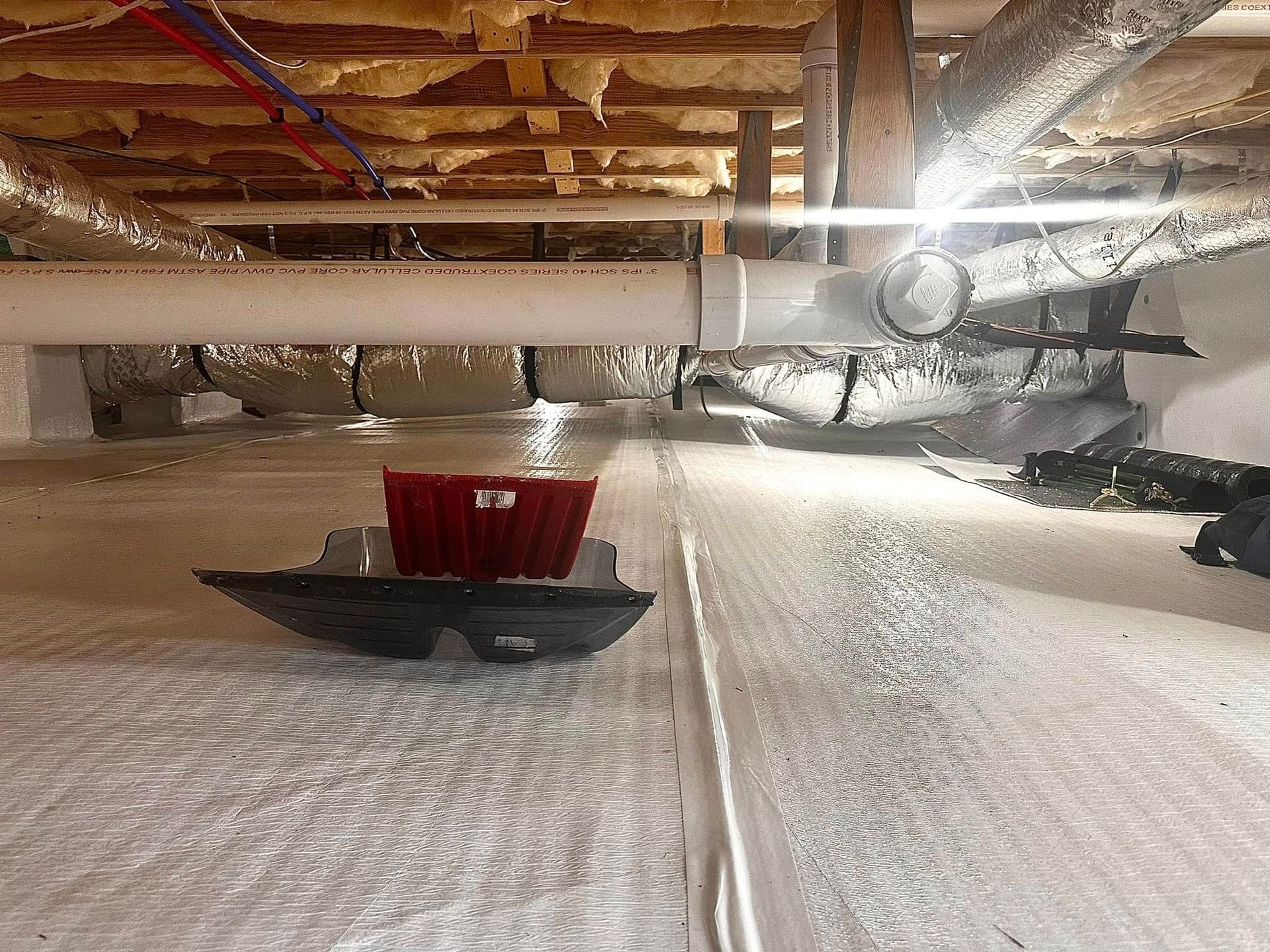
If your crawl space is open to outside air, the ducts running through it are sitting in a warm, humid environment all day. The air inside those ducts is cool and dry. When warm meets cold, you get condensation — the same reason a cold glass sweats on a hot day.
Sweating ductwork is a direct sign that your crawl space environment is out of control. And it's not just a moisture issue — that condensation can lead to mold, deteriorating insulation, and air quality problems inside your home.
If your ducts look wet, that's not normal. That's a warning sign.
What This Is Actually Costing You
This isn't just about a puddle or some damp ductwork.
Every time your AC unit fights crawl space moisture, it's running longer than it should. Longer run times mean higher energy bills. Higher energy bills month after month add up fast.
And beyond the bills, there's the wear and tear. An AC unit that's constantly overworking has a shorter lifespan. A unit that should last 15 years might need replacing in 10. That's thousands of dollars — not because the unit was bad, but because it was fighting a battle it was never supposed to fight.
The crawl space problem doesn't announce itself. It just quietly makes everything in your home work harder and cost more.
Here's What to Go Look For Right Now
You don't need any tools. You don't need to go into your crawl space. Just start here:
1. Look under your HVAC unit.
Is there water sitting there? A little condensation is normal. A puddle that keeps coming back is not.
2. Look at your ductwork.
Can you see moisture or condensation on the outside of the ducts? Are there any spots that look damp or discolored?
3. Think about your energy bills.
Have they been creeping up without a clear reason? Has your AC been running more than it used to?
4. Pay attention to how your home feels.
Does it feel muggy inside even when the AC is running? That humidity has to be coming from somewhere.
If you're checking two or more of these boxes, your crawl space is worth a closer look.

What Comes Next
A crawl space inspection doesn't have to be complicated or scary.
A good inspector will go under the house, take photos of what they find, and show you exactly what's going on — in plain language, not a sales pitch. You should be able to see the problem with your own eyes before anyone asks you to make a decision.
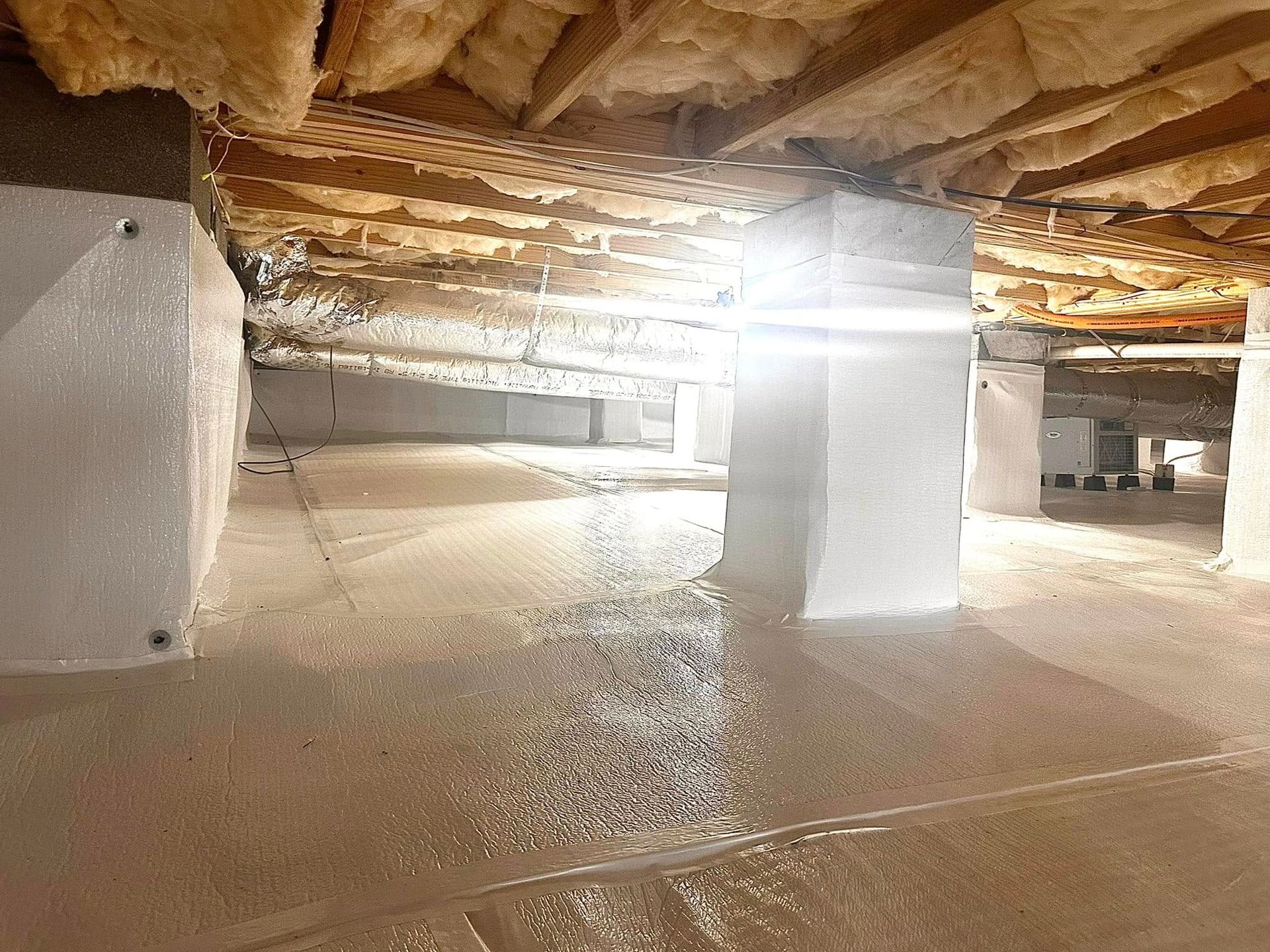
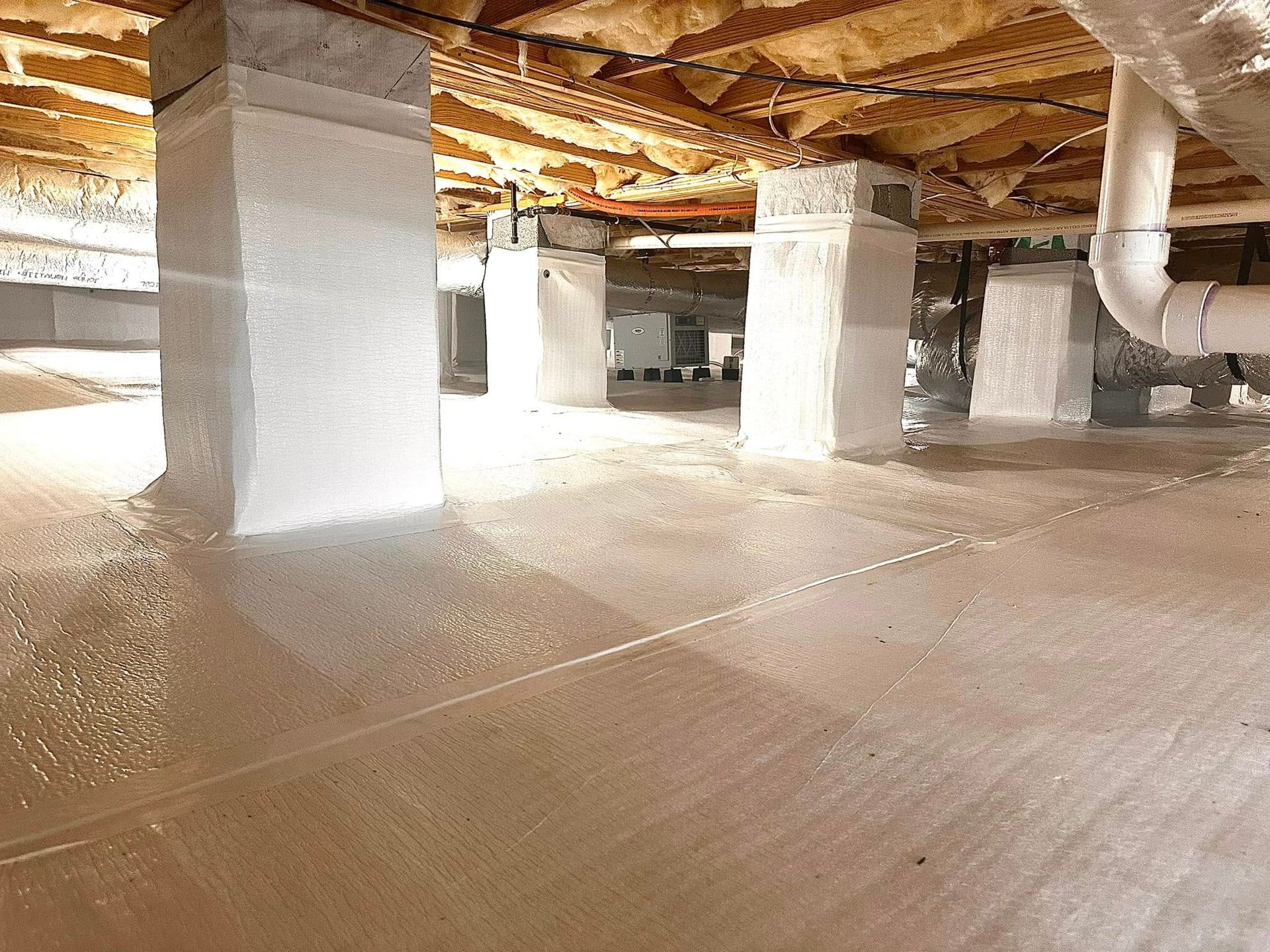
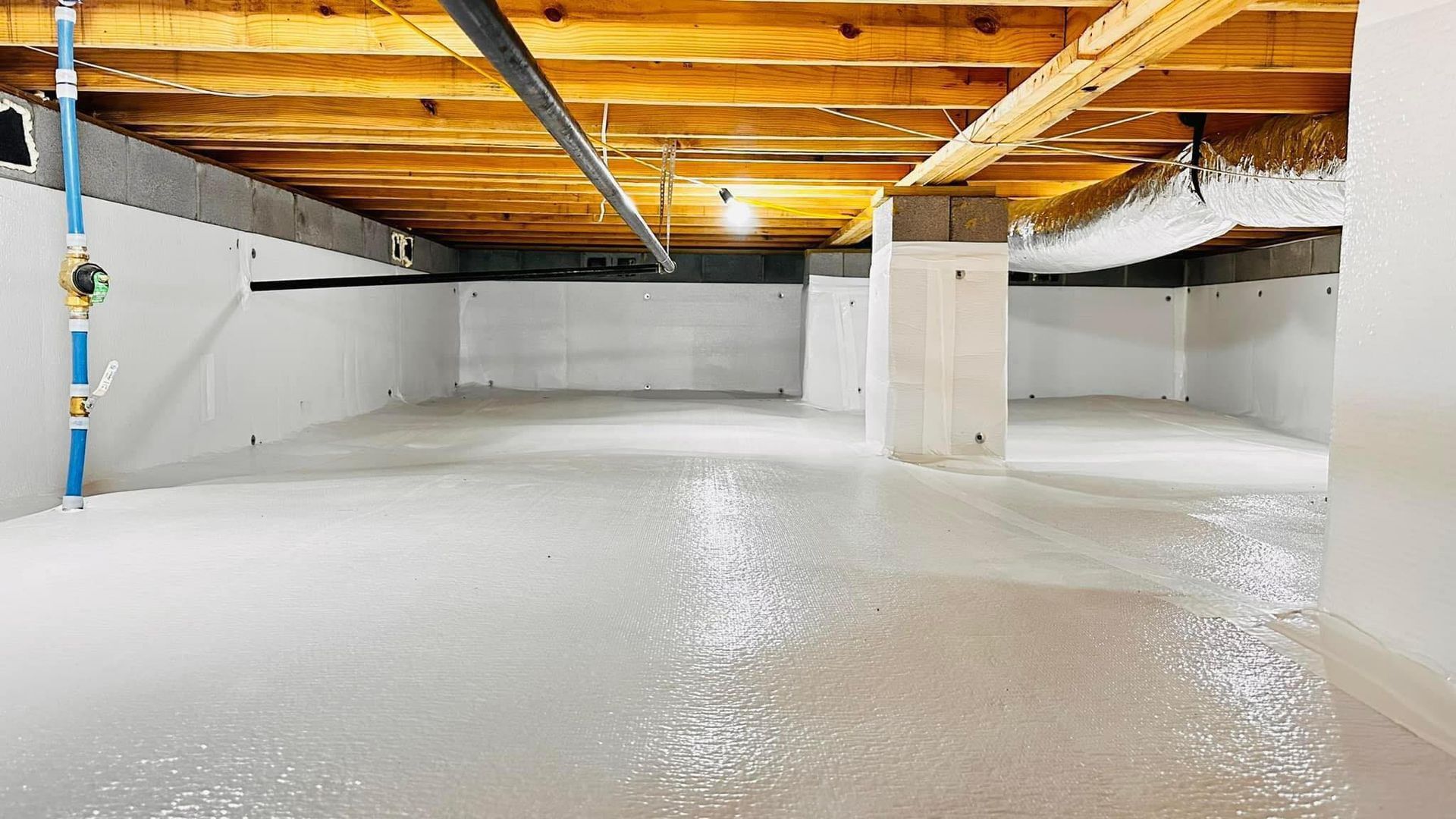
If encapsulation is the right call, it seals the crawl space off from outside air and moisture. Your HVAC unit goes back to doing only what it was designed to do. Your ductwork stays dry. Your energy bills stabilize. And you stop paying a hidden monthly tax on a problem you didn't even know you had.
If you're in the Nashville area and you want someone to take an honest look, that's exactly what we do at Crawl Logic. No deposit. No pressure. Just a straight answer about what's going on under your home.