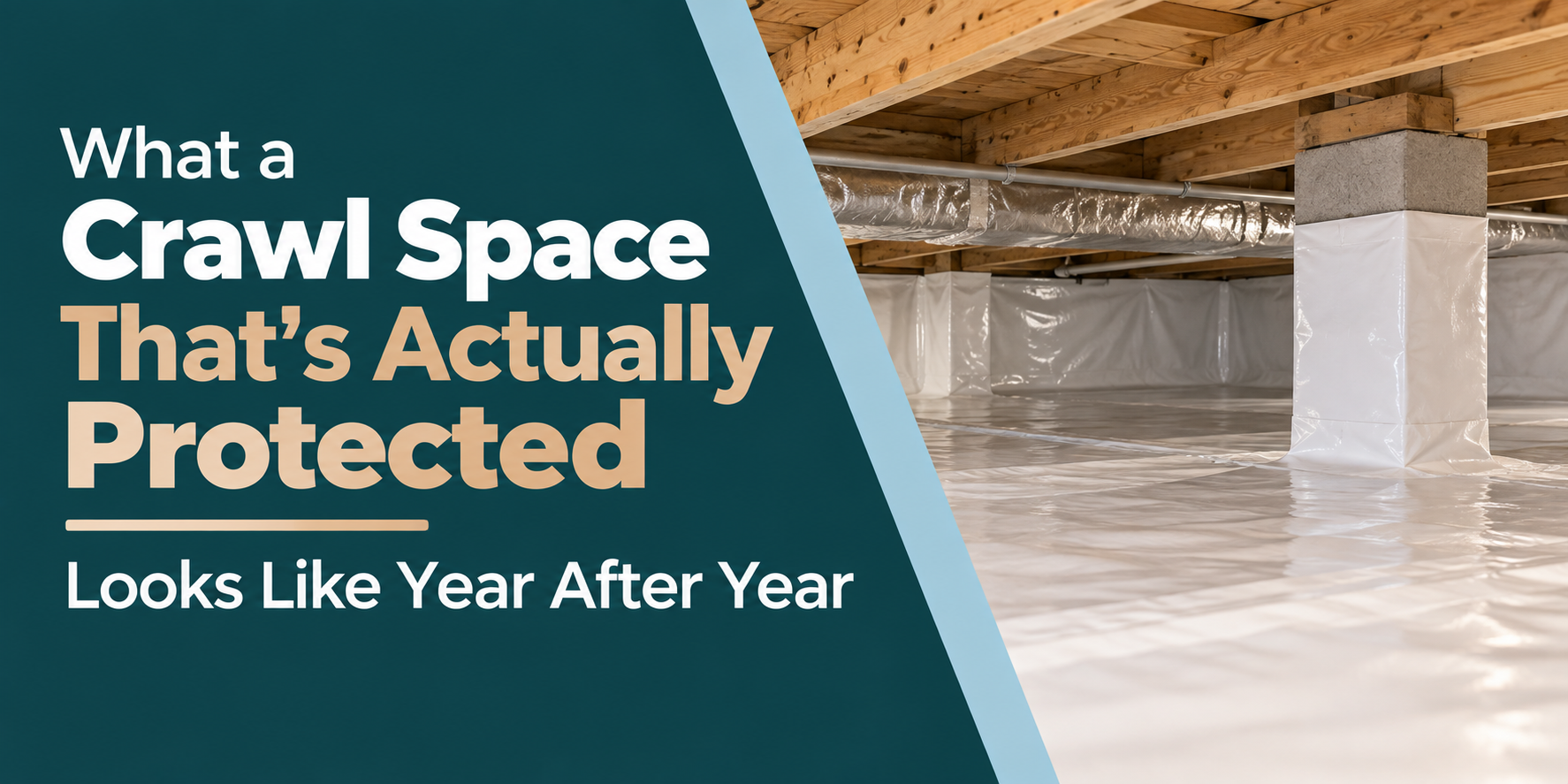
Your Dehumidifier Might Be Running 24/7 For No Reason
Introduction
A Good Dehumidifier Can Still Fail
IT ALL COMES DOWN TO THE INSTALL
Most homeowners never see their crawl space after the job is done.
The crew comes, installs the unit, and leaves. You get an invoice. You assume everything works the way it should.
But here's the thing — a dehumidifier is only as good as the install around it. And there are three things that have to happen for that install to actually do its job. Most companies skip at least one of them.
Here's what they are — and why each one matters.
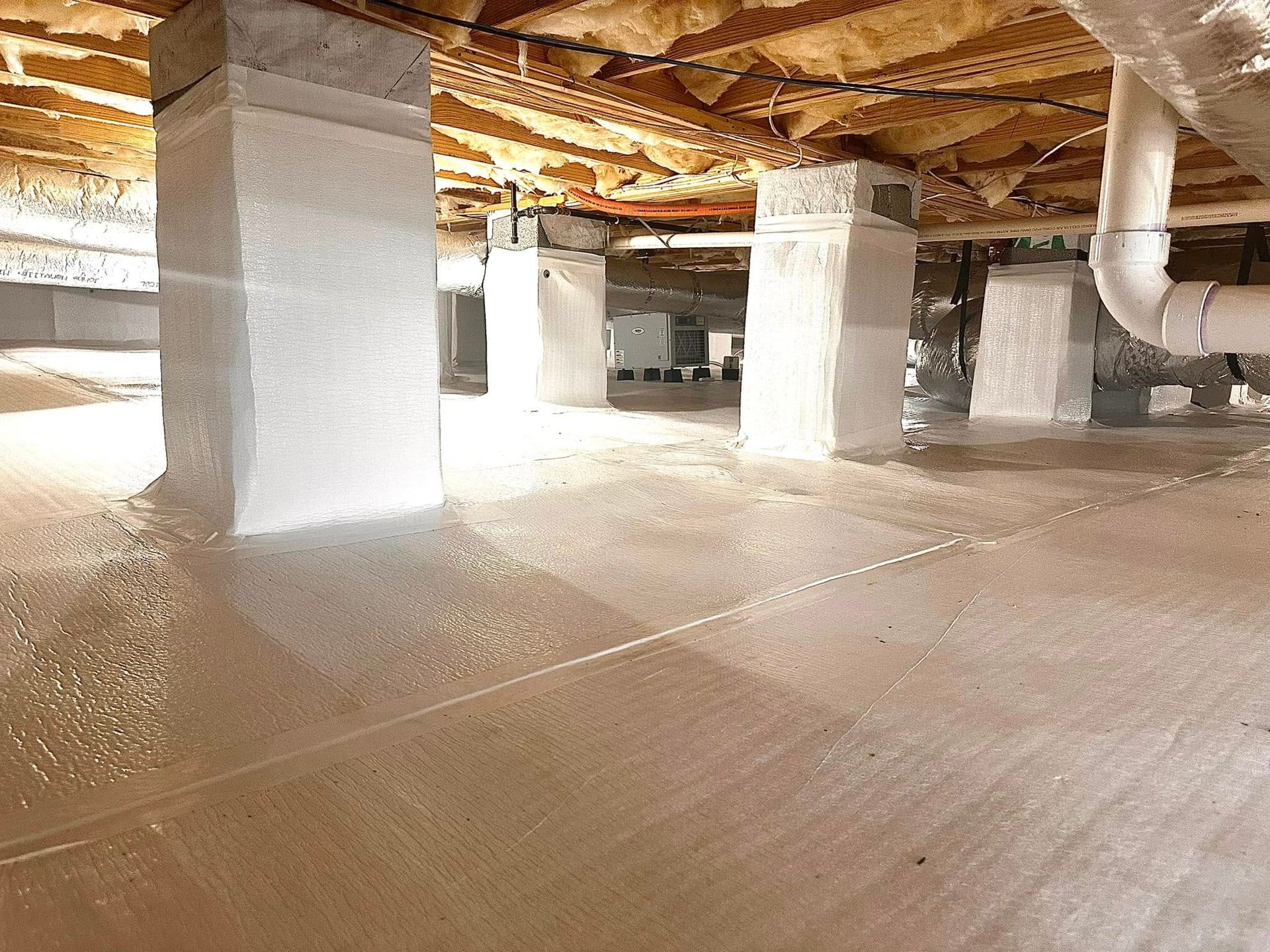
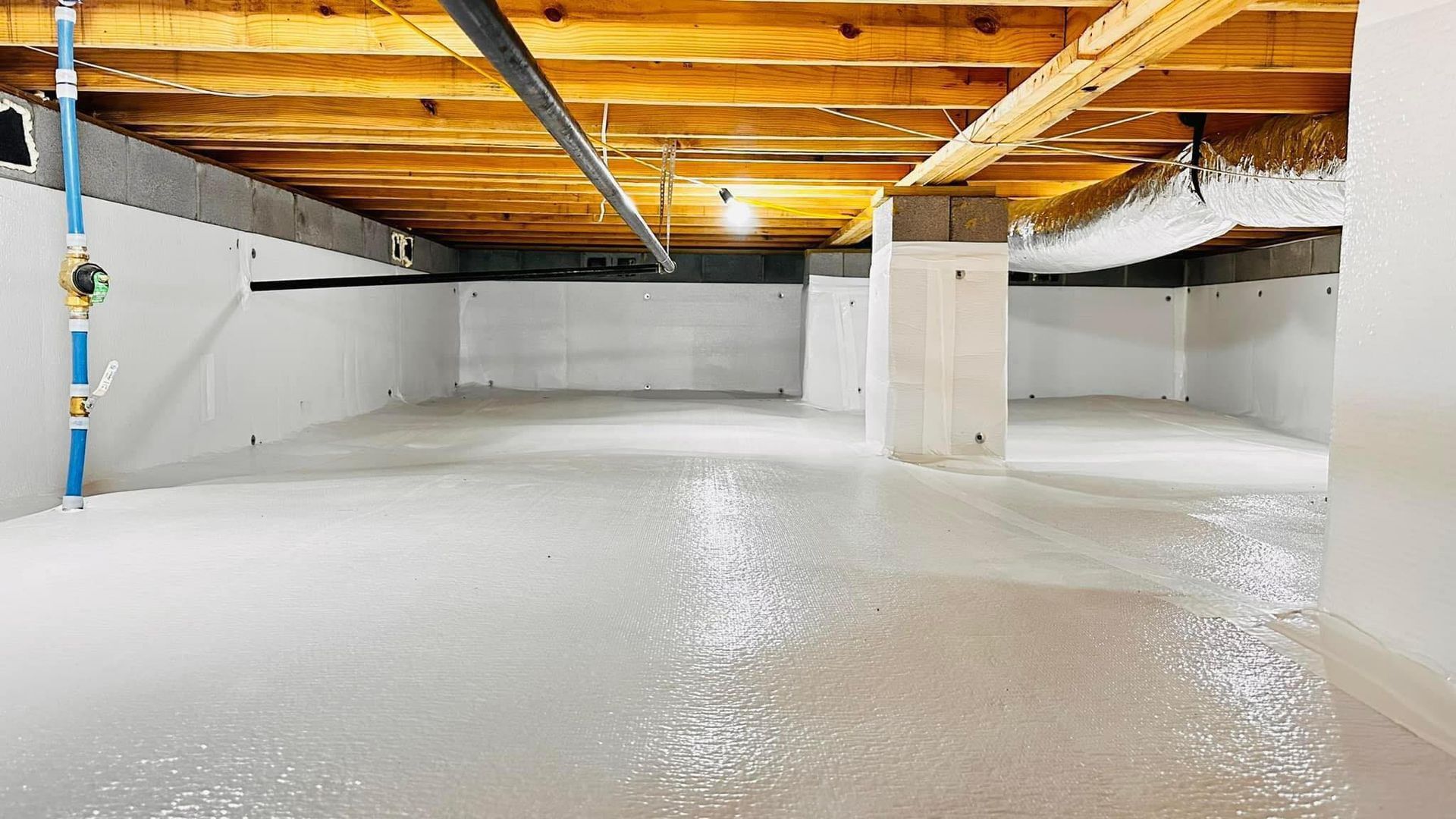
The Vents Have to Be Sealed
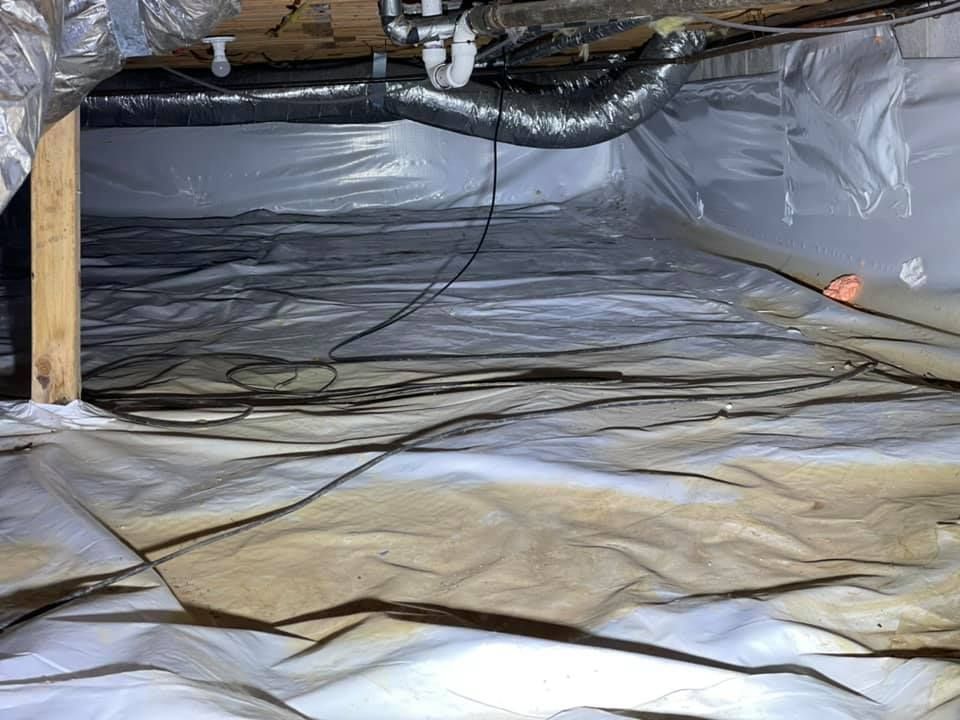
Your crawl space has vents around the foundation. They were built into older homes to let air circulate underneath. The thinking made sense at the time — but we now know that open vents let in more moisture than they let out, especially in humid climates like Nashville.
When you install a dehumidifier, those vents have to be sealed. If they aren't, the unit is constantly pulling in outside air and trying to dry it. It never catches up. It just runs. And runs. And runs.
That means higher energy bills. A unit that wears out faster than it should. And a crawl space that never actually gets dry.
Sealing the vents isn't optional. It's the first thing that has to happen before anything else works.
The Drain Has to Be Plumbed the Right Way
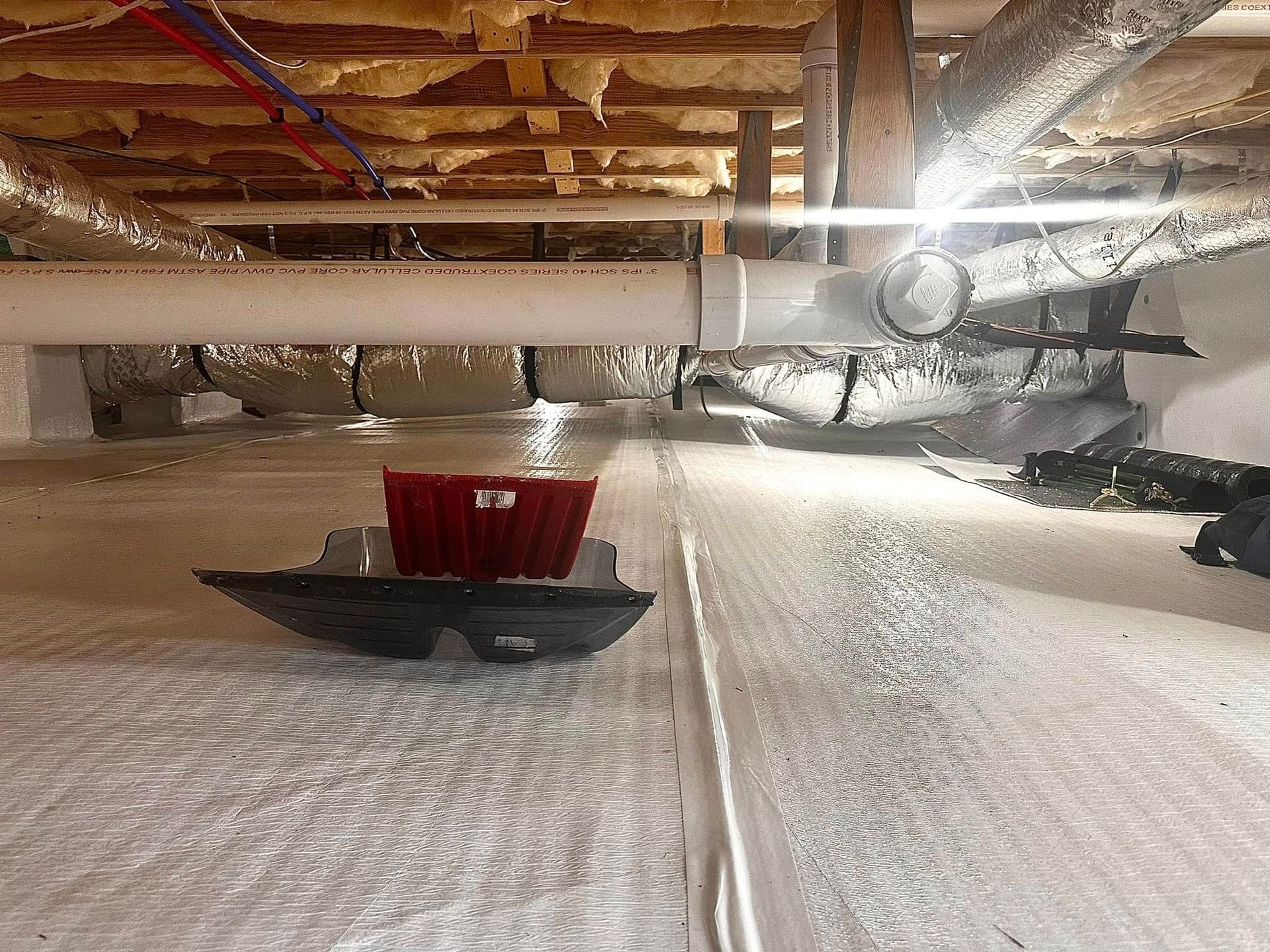
A dehumidifier pulls moisture out of the air and has to send that water somewhere. The easy way to do it — the lazy way — is to run the drain line out through the foundation wall and let it dump right outside the house.
The problem is that water has to go somewhere. And if it's draining against your foundation, it's working against everything you just paid for. You're pulling moisture out of the crawl space and sending it right back toward the house.
A proper install means the drain line is run to a sump pump or tied into a drainage system that moves water away from the structure. It takes more time and more thought. But it's the difference between a system that actually works and one that's fighting itself from day one.
You Should Have a Way to Check It Yourself
This is the part most companies never think about — and it's the part that matters most to us.
After the job is done, how do you know it's working?
You can't see your crawl space from your living room. You're not going under there every week to check. So if something is off — if the humidity is creeping back up, if the unit isn't running right — how would you even know?
We leave every customer a moisture sensor. It costs about twenty dollars. It sits in your home and tells you the humidity level in your crawl space at any time. You can check it whenever you want.
It's not fancy. But it means you're never just hoping the job is holding up. You can see it for yourself.
That's the point. You spent real money protecting your home. You deserve to know it's working — not just take someone's word for it.
What a Finished Job Actually Looks Like
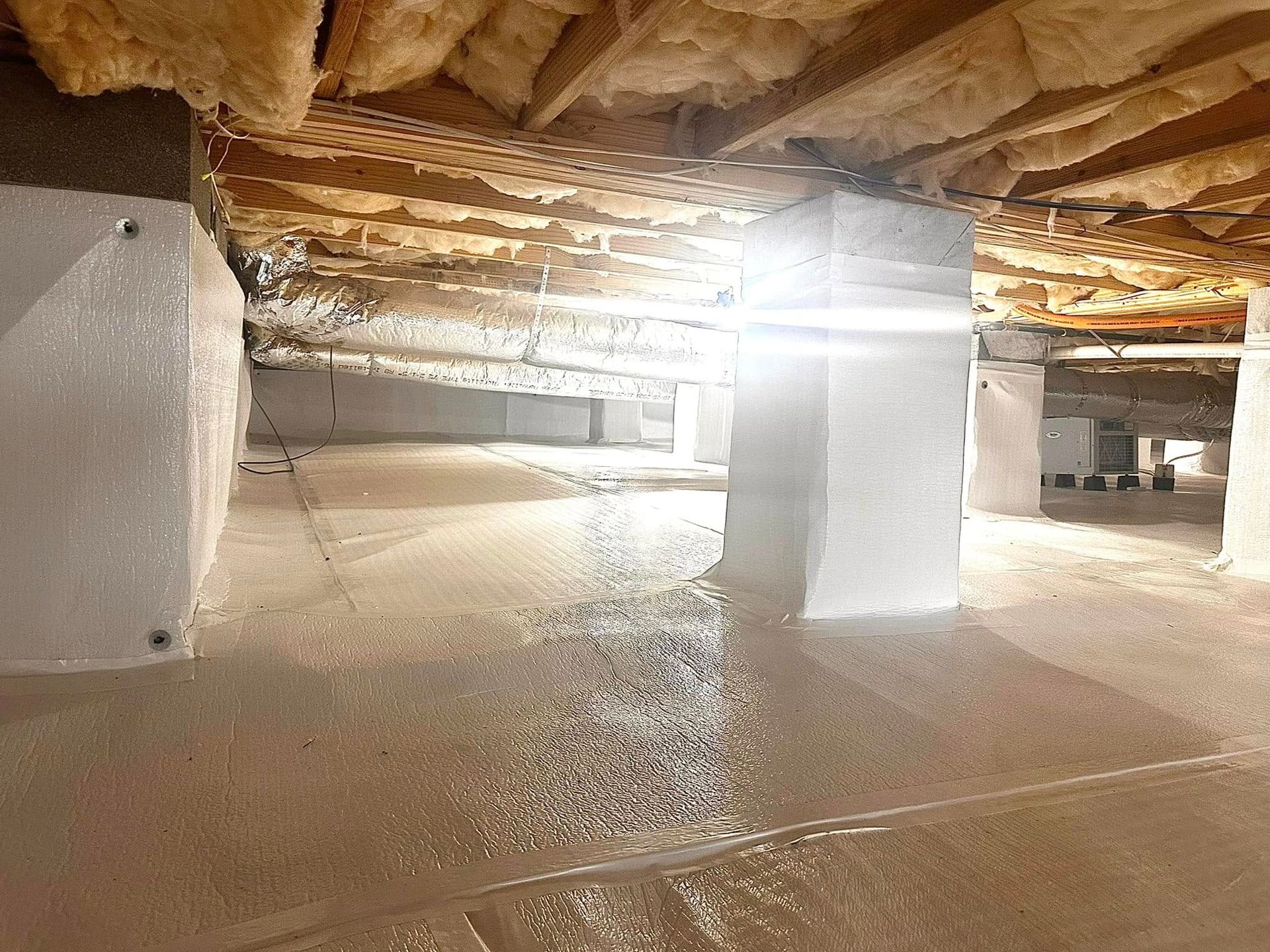
Sealed vents. A drain line that moves water away from your house. And a way for you to verify the space is healthy year-round.
That's it. That's the standard.
If you've already had a dehumidifier installed and you're not sure whether any of these steps were done — check your moisture sensor. If you don't have one, that's a starting point.
If you're still in the process of getting quotes, now you know what to ask. Any company worth hiring should be able to walk you through all three without hesitation.
Why I Do Inspections This Way
I left corporate pest control six years ago because I got tired of watching customers get oversold. It wasn't every job, but it happened enough that I couldn't ignore it anymore.
When I started Crawl Logic, I made a decision. I was going to do things differently. No commission sales. No pressure tactics. No selling someone work they don't need just to hit a number.
Does it take longer to video every inspection and document everything? Yeah. Could I probably close more deals if I simplified things and just sent quick quotes? Maybe.
But I sleep better at night knowing I'm not taking advantage of people. And the customers who work with us appreciate knowing exactly what they're paying for.
That's worth more to me than growing faster or having a fleet of trucks with my name on them.

Have Questions About Your Crawl Space?
A dehumidifier can only do its job if the entire system is set up correctly. Sealed vents, proper drainage, and a way to monitor humidity aren't upgrades—they're part of a complete installation.
If you already have a system and you're not sure whether it's working the way it should, we'd be happy to take a look.
Schedule a free crawl space inspection today. We'll walk you through your setup, answer your questions, and show you exactly what we find—so you can make an informed decision with confidence.