
5 Red Flags We Found in This 'Professional' Crawl Space Job
Introduction
When Professional Isn't Professional
WHAT WE FOUND DURING A ROUTINE INSPECTION IN VANLEER
I got called out to Vanleer, Tennessee this week for what should have been a simple inspection.
The homeowner had their crawl space encapsulated by one of those big corporate companies - you know, the ones with the billboards and fancy titles.
They'd even been doing annual maintenance visits.
But when I got under the house, I found problems.
Big problems.
The kind that make you wonder how a "professional" company could walk away from a job like this and feel good about it.
More importantly, these are the kinds of issues that every homeowner should know to look for, whether you're getting work done or checking on existing work.
What I'm about to show you isn't meant to bash anyone.
It's about education.
Because when you understand what proper crawl space work looks like, you can protect yourself and your home.
Red Flag #1: Untreated Fungus Behind the Plastic
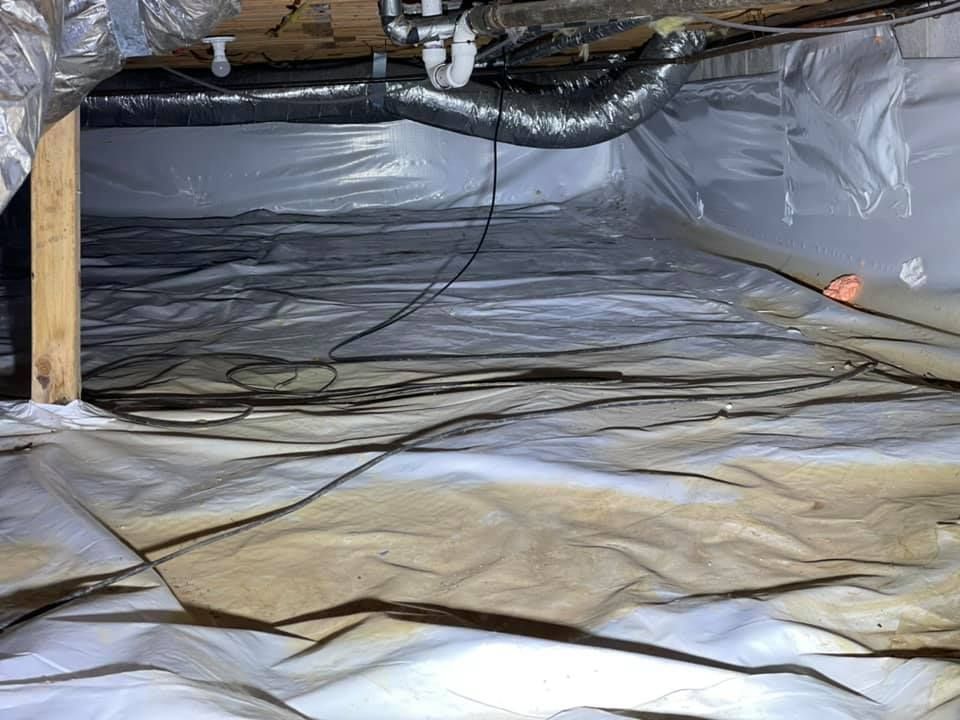
Here's something that really got to me - brown rot wood decay fungus covering about 70% of this crawl space. That's serious. But what made it worse? Someone had literally written the word "mold" on the wood beams. They knew it was there. They documented it. And then they just covered it up with plastic.
No remediation. No scrubbing. No treatment spray. Nothing. They just encapsulated right over it like the problem would disappear if nobody could see it anymore.
That's not how fungus works. Covering it doesn't kill it. It doesn't stop it from spreading. It doesn't protect the wood or the air quality in your home. Proper fungus treatment means actually dealing with the problem - removing damaged material, treating what can be saved, and then encapsulating a clean, healthy crawl space.
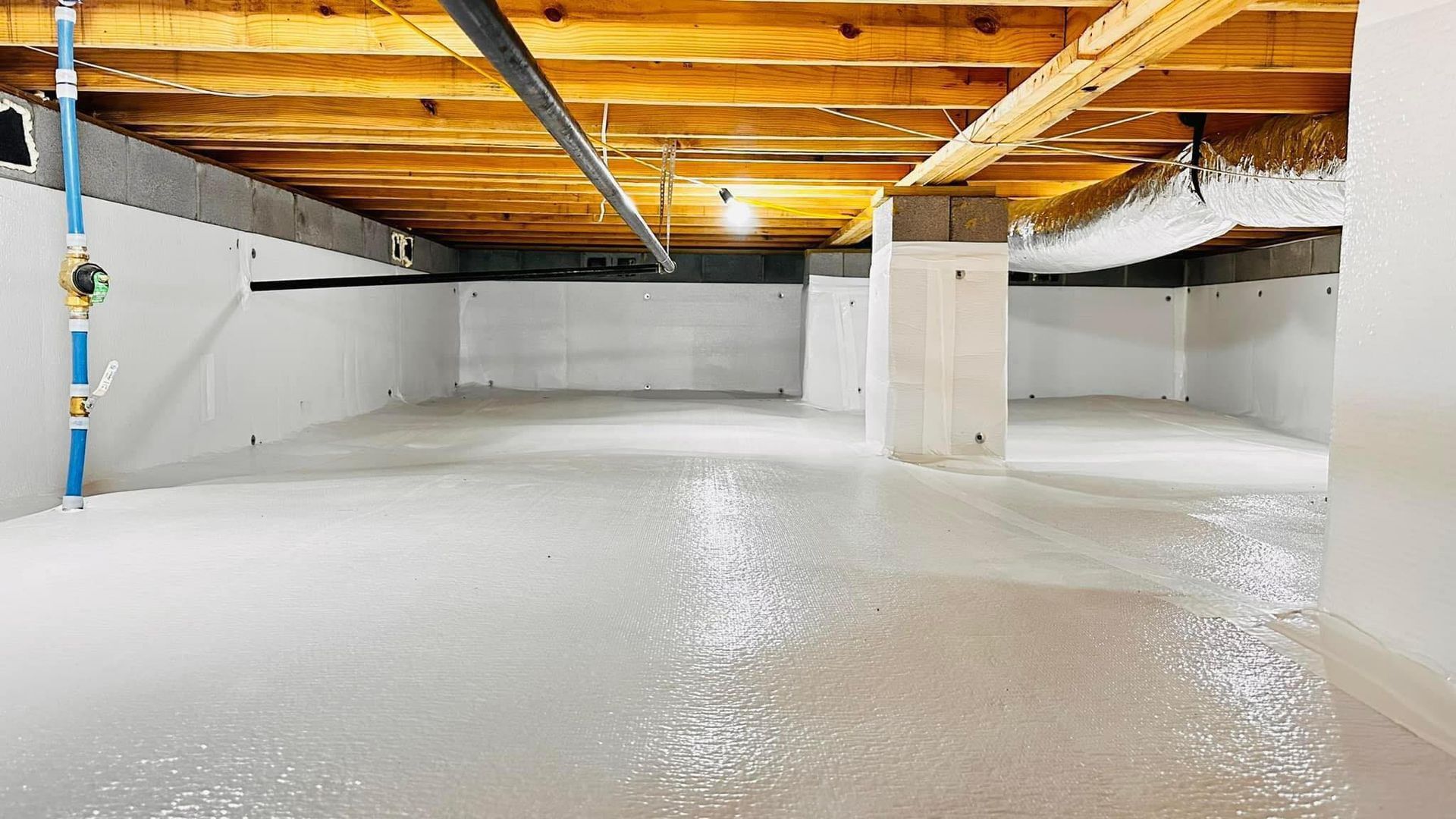
Red Flag #2: Dehumidifier in the Wrong Location
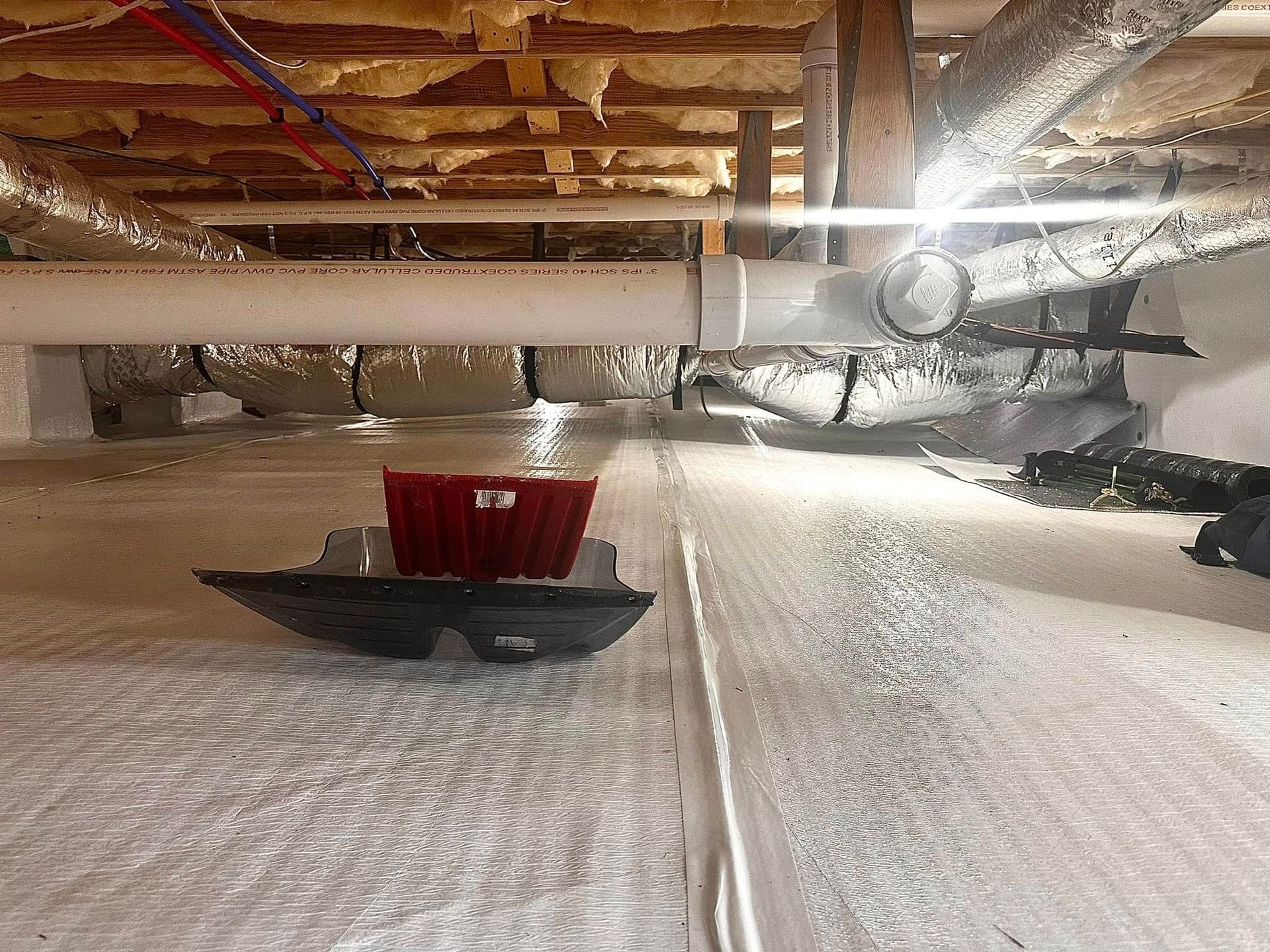
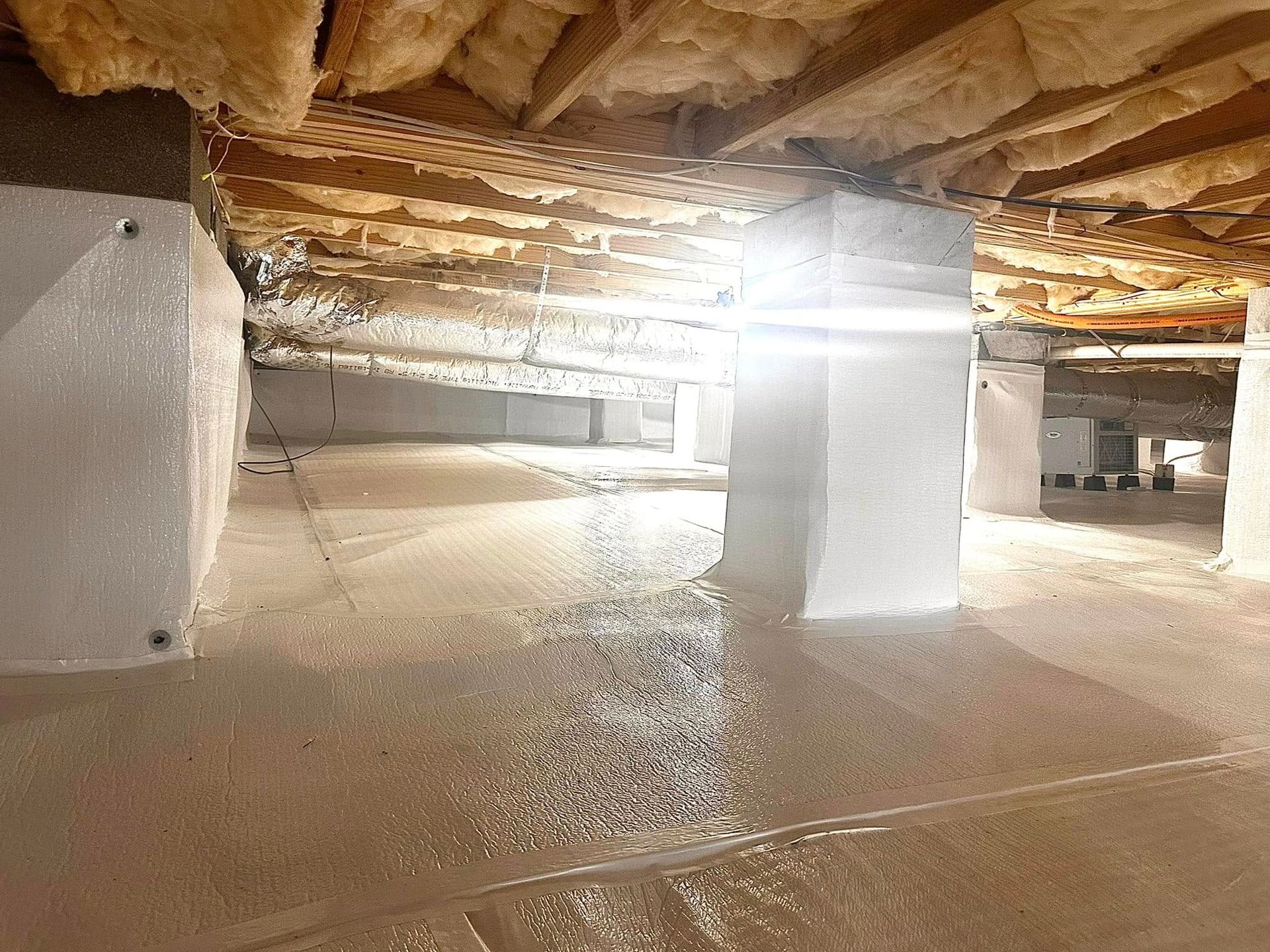
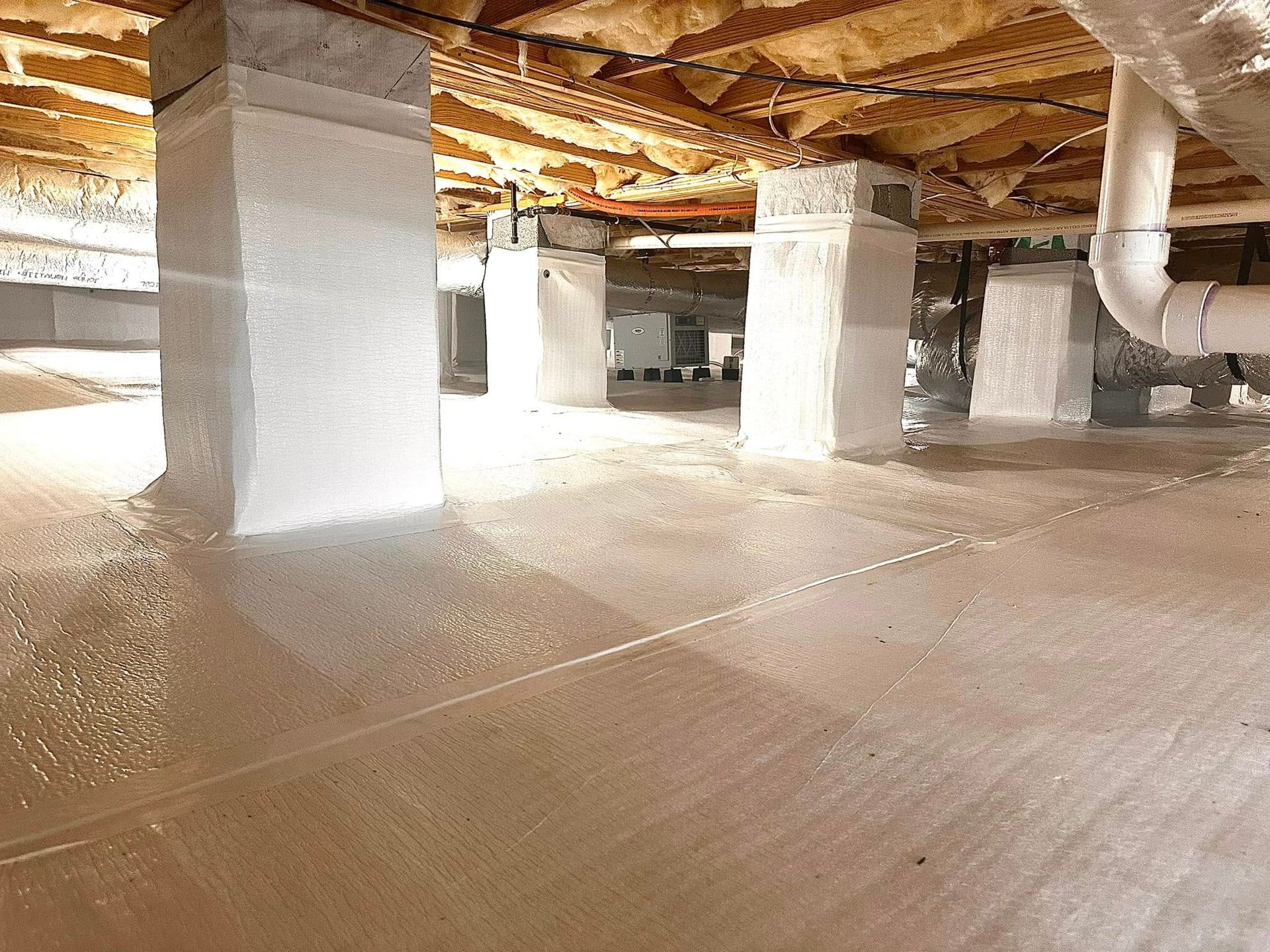
Walk into this crawl space and the first thing you see is the dehumidifier - right next to the access door. That might seem convenient for maintenance, but it's terrible for actually drying out the space.
This is a 2000+ square foot crawl space. When you put the dehumidifier right by the door, you're only drying the front section. The entire back half of the house isn't getting proper moisture control. That defeats the whole purpose of encapsulation.
A dehumidifier needs to be in the middle of the space so it can pull moisture from all areas evenly. Think about it like a fan - you don't put it in the corner and expect it to cool the whole room. Same principle applies here. Proper placement isn't just about convenience; it's about making sure the equipment actually does its job.
Red Flag #3: Undersized Equipment for the Space
Speaking of equipment doing its job - the dehumidifier they installed can handle about 2000 square feet. This crawl space is over 2000 square feet. So right from the start, the unit is working harder than it should and still can't keep up.
For a space this size, you need something like an AprilAire E100. It's designed to handle larger areas effectively. Using undersized equipment isn't just inefficient - it means the homeowner is paying for moisture control they're not actually getting.
This is another area where cutting costs during installation ends up costing the homeowner more in the long run. Undersized equipment runs constantly, uses more energy, wears out faster, and still doesn't do the job right.
Red Flag #4: The $3,000 Unnecessary Upsell
Now here's where things get really frustrating. During their annual maintenance visit, the company told this homeowner they needed a new sump pump system for $3,000.
I opened up the double sump pump to check it out. One side has issues - that's true. But the other side works perfectly fine. The system is still operating at 50% capacity, which for most situations is adequate. There's no emergency here.
A $3,000 replacement? That's not necessary right now. Could it need attention eventually? Sure. But pushing an expensive replacement when the system is still functional is exactly the kind of sales pressure that makes homeowners lose trust in this industry.
An honest assessment means telling people what they actually need, not what makes the biggest commission check.
Red Flag #5: Dangerous Extension Cord Setup
This one really bothered me from a safety standpoint. The sump pumps, the dehumidifier - everything electrical in this crawl space is running on extension cords. That's a serious fire hazard.
When you install electronic equipment in a crawl space, it needs to be on a dedicated circuit with proper outlets. Extension cords are meant for temporary use, not permanent installations. Over time, they can overheat, connections can loosen, and in a damp environment like a crawl space, you're asking for trouble.
This isn't about being picky - it's about safety. Cutting costs by skipping proper electrical work puts the homeowner at real risk. A house fire is a lot more expensive than doing the electrical installation right the first time.
What This Homeowner Didn't Get
Beyond these five major red flags, there were other things missing from this installation. No moisture sensor was provided to the homeowner, so they have no way to monitor if the system is actually working. I'm providing one free of charge so we can get accurate readings.
No rodent proofing was done, even though that's a common issue in crawl spaces. And clearly, no real quality control happened after the installation. Fast work isn't the same as right work, and this homeowner paid good money for a job that should have been done better.
How to Protect Yourself
So how do you avoid ending up in this situation? Start by asking questions. When a company gives you a proposal, ask them to explain their equipment placement. Ask about electrical installation - will it be on extension cords or dedicated circuits? Ask what their fungus treatment process includes.
Get everything in writing. Ask for detailed documentation with photos and video of the work. If something doesn't feel right, get a second opinion. A good company won't be offended by questions - they'll appreciate that you care about getting quality work.
And if you already have crawl space work done, it's worth having someone take a look to make sure it was done properly. Problems don't get better with time - they get worse.

Ready to Get a Second Look?
When I do an inspection, you get the full picture. 4K video documentation, detailed photos, and honest assessment of what actually needs to be done. No upselling, no fear tactics, just straight talk about your crawl space.
For this Vanleer homeowner, I'm providing a moisture sensor at no charge so they can monitor their crawl space conditions properly. That's just part of doing things right.
If you've had crawl space work done and want to make sure it was done properly, give me a call. Or if you're considering getting work done and want an honest assessment first, I'm here to help.
Every inspection includes complete documentation so you can see exactly what's happening under your house. No sales pressure, no games - just real expertise and straight answers.